How to Say "gown" in Spanish
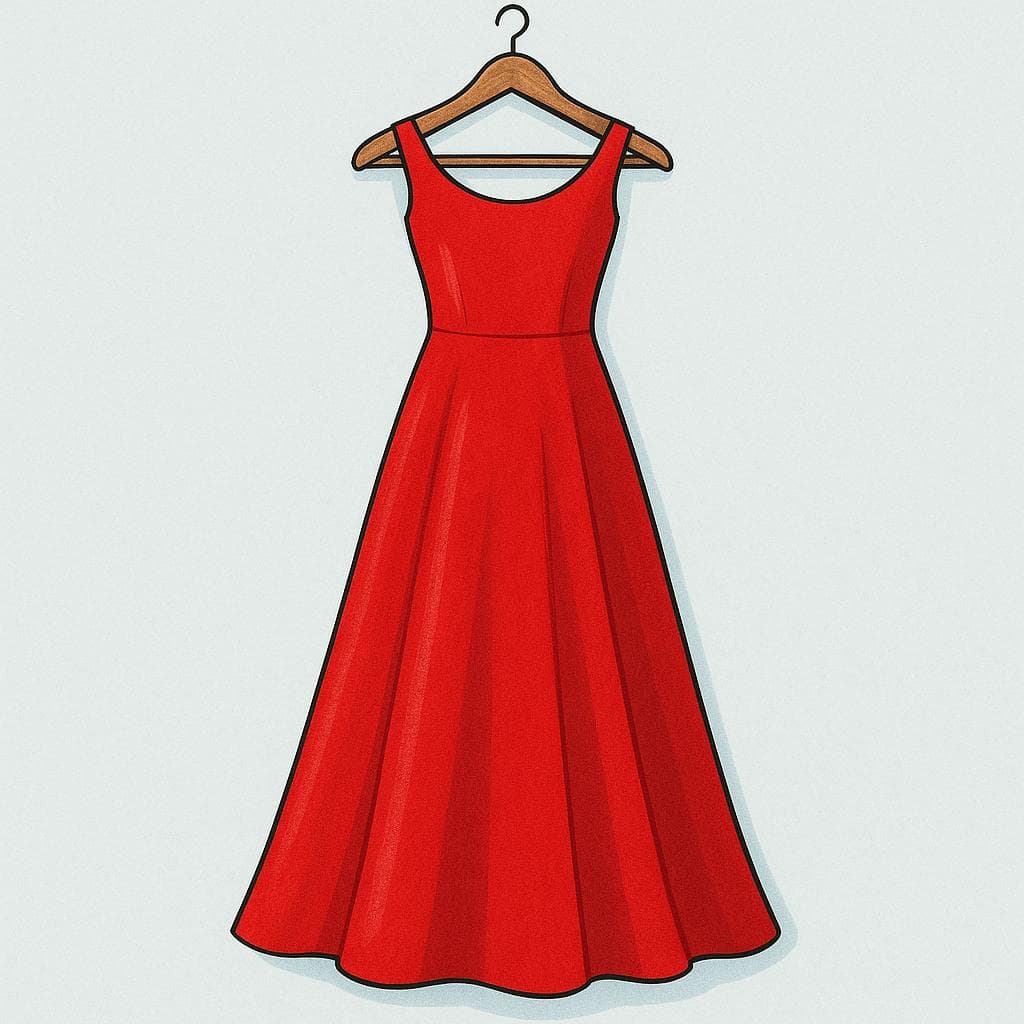
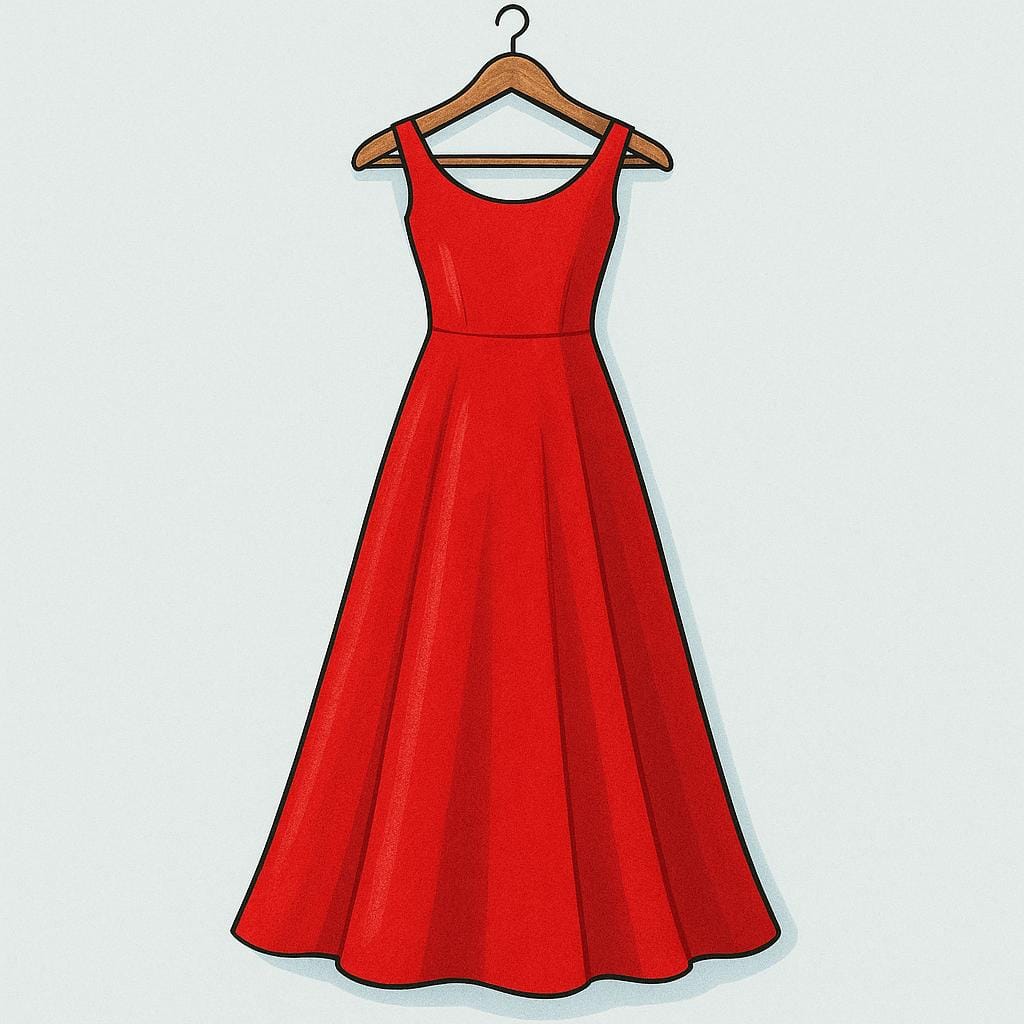
The most common Spanish word for “gown” is “vestido” — use 'vestido' when referring to a formal or elegant dress, such as one worn to a party or special event.
bes-TEE-dohbesˈti.ðo
Examples
Ella compró un vestido rojo para la fiesta.
She bought a red dress for the party.
El vestido de novia era espectacular.
The wedding dress was spectacular.
Prefiero los vestidos de verano porque son más cómodos.
I prefer summer dresses because they are more comfortable.
It's Masculine!
Even though a 'dress' is an item typically worn by women, the Spanish word for it, 'vestido', is masculine. Always remember to say 'el vestido' (the dress) or 'un vestido' (a dress).
Gender Mix-up
Mistake: “Me gusta mucho la vestido que llevas.”
Correction: Me gusta mucho el vestido que llevas. Because 'vestido' is a masculine noun, you need to use the masculine article 'el'.
túnica
Examples
En la antigua Roma, los hombres solían vestir una túnica de lana.
In ancient Rome, men used to wear a wool tunic.
Choosing Between Vestido and Túnica
Learners often confuse 'vestido' and 'túnica' because both can refer to a type of clothing. Remember that 'vestido' is the common word for 'dress' in modern contexts, while 'túnica' is typically for older or ceremonial garments.
Related Translations
Learn Spanish with Inklingo
Interactive stories, personalized learning, and more.