How to Say "hammered" in Spanish
The most common Spanish word for “hammered” is “ciegos” — use 'ciegos' when you want to emphasize being completely unable to see or function due to extreme drunkenness, as it literally translates to 'blind'. This is a common and widely understood term across many Spanish-speaking regions.

ciegos
SYEH-gohsˈsje.ɣos
Examples
Anoche volvieron a casa totalmente ciegos.
Last night they came home totally wasted.
mamado
mah-mah-dohmaˈmaðo
Examples
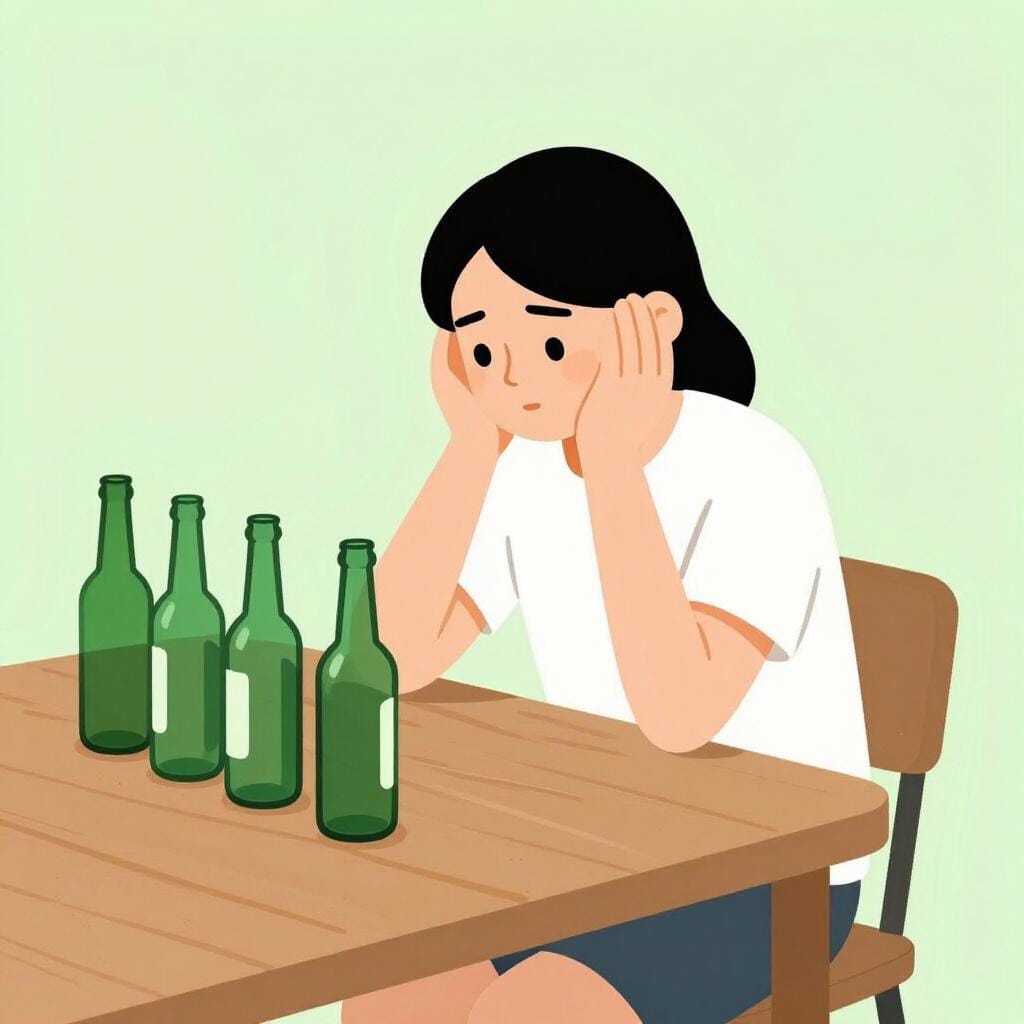
Llegó a casa totalmente mamado después de la fiesta.
He arrived home totally wasted after the party.
No conduzcas si estás mamado.
Don't drive if you are drunk.
Condition with 'Estar'
Because being drunk is a temporary condition, you should always use 'estar' with this meaning.
Confusion with 'Muscular'
Mistake: “Context: Watching a bodybuilding show in Madrid. '¡Qué mamado está!'”
Correction: While understood, some might think you mean he looks drunk. Use 'fuerte' to be safe in Spain.
Choosing between 'ciegos' and 'mamado'
Learn Spanish with Inklingo
Interactive stories, personalized learning, and more.