How to Say "ignition" in Spanish
The most common Spanish word for “ignition” is “encendido” — use 'encendido' when referring to the system or process of starting a car or engine, often implying a problem with it.

Use 'encendido' when referring to the system or process of starting a car or engine, often implying a problem with it.
Learn more →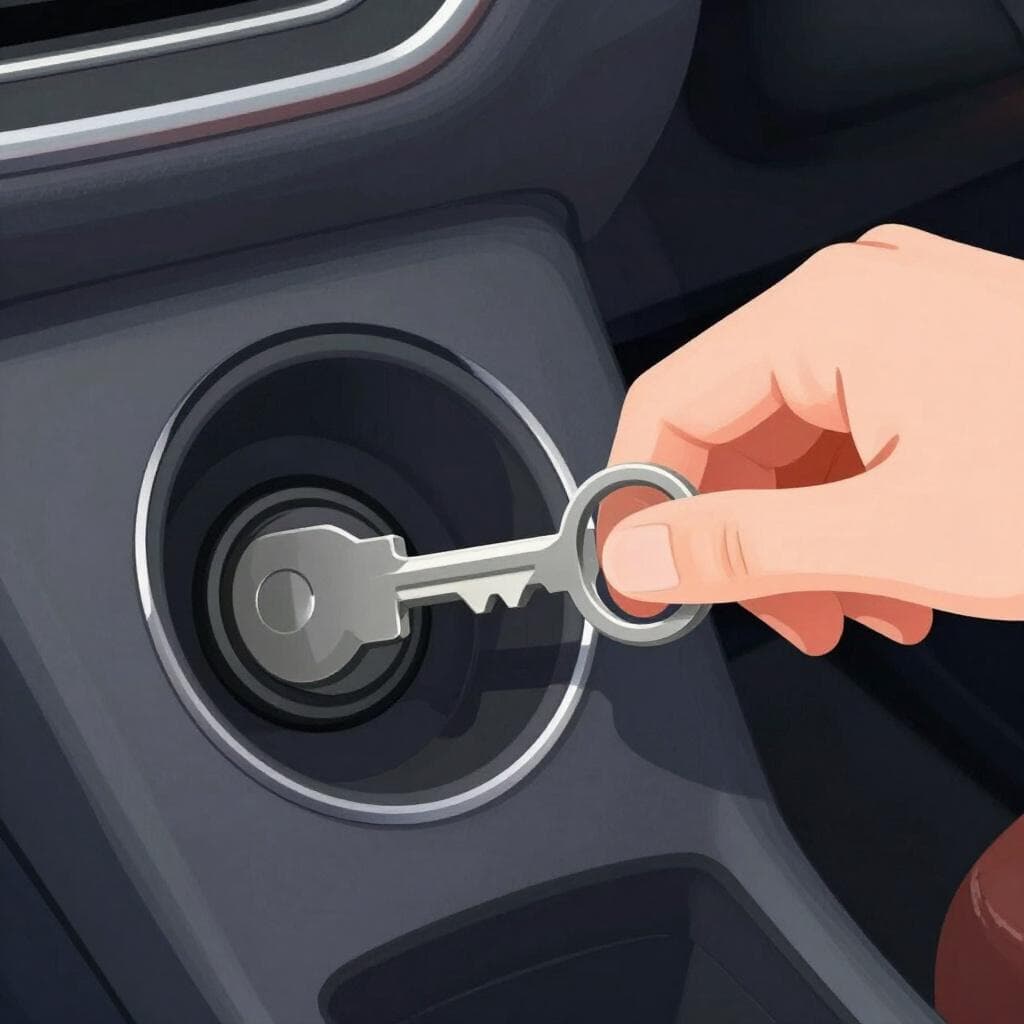
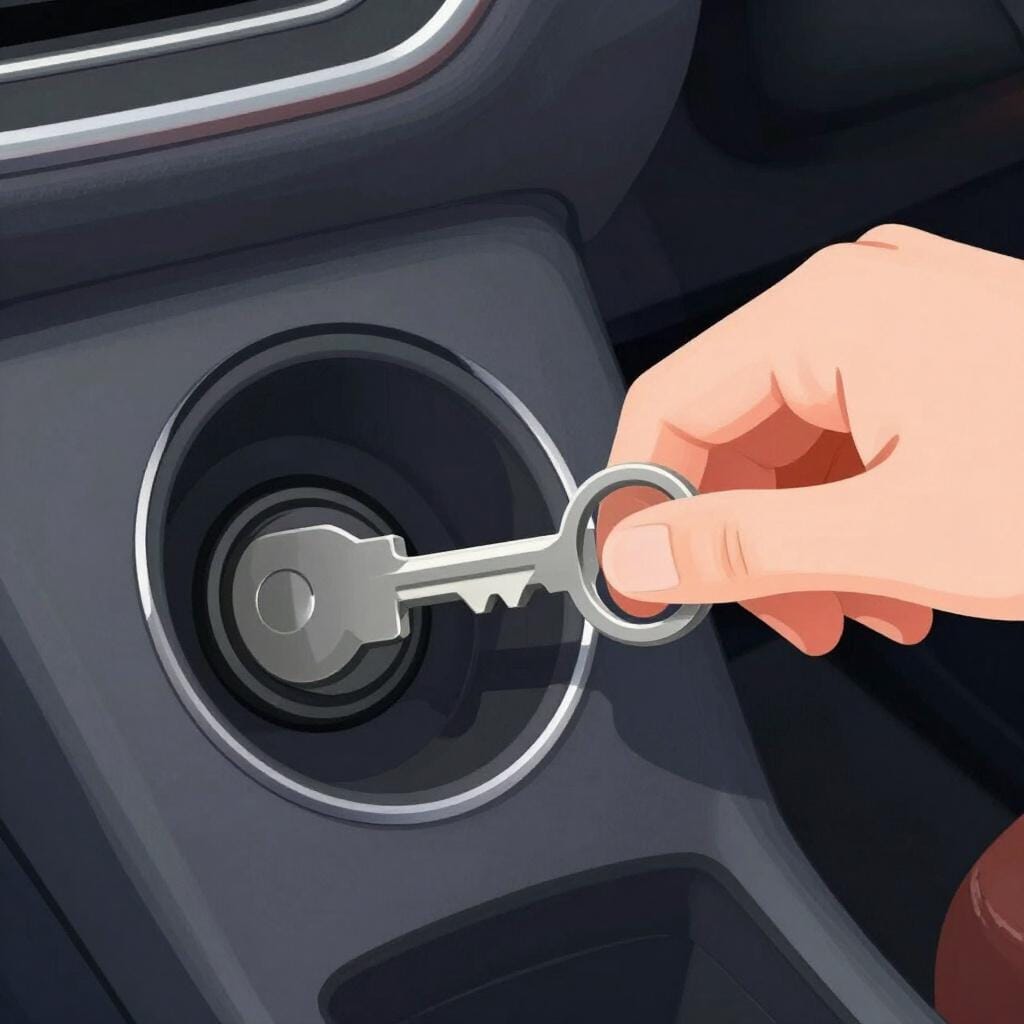
Use 'arranque' specifically when talking about the starter motor of a vehicle or the act of the engine beginning to turn over.
Learn more →Use 'inflamación' in a technical or medical context to mean swelling or the process of becoming inflamed, not related to engines.
Learn more →en-sen-DEE-dohensenˈdiðo
Examples
Tengo problemas con el encendido de mi coche en las mañanas.
I have problems with the ignition (starting) of my car in the mornings.
El botón de encendido está justo aquí.
The power switch/button is right here.
The Noun Form
When used as a noun, 'el encendido' refers to the action of turning something on or the mechanism that performs this action (like the ignition or power switch).
ah-RRAHN-kehaˈraŋke
Examples
El motor de arranque del coche hace un ruido extraño.
The car's starter motor is making a strange noise.
El arranque del proyecto fue un gran éxito.
The project's kickoff was a big success.
Necesitamos un buen arranque para ganar la carrera.
We need a good start to win the race.
Always Masculine
Even though it ends in 'e', which can sometimes be tricky, 'arranque' is always masculine. Always use 'el' or 'un' with it.
Arranque vs. Inicio
While both mean 'start,' 'arranque' often implies a burst of energy or a physical mechanism starting up.
Gender confusion
Mistake: “la arranque”
Correction: el arranque. Most words ending in -que are masculine in Spanish.
inflamación
Examples
Tengo mucha inflamación en el tobillo después de la caída.
I have a lot of swelling in my ankle after the fall.
Encendido vs. Arranque
Learners often confuse 'encendido' and 'arranque' because both relate to starting a car. Remember that 'encendido' refers more broadly to the ignition system or the act of the engine firing up, while 'arranque' is specifically about the starter motor or the initial turning of the engine.
Related Translations
Learn Spanish with Inklingo
Interactive stories, personalized learning, and more.