How to Say "little girl" in Spanish
The most common Spanish word for “little girl” is “nena” — use 'nena' for a very young female child, often implying affection or a baby. It's a common, general term for a little girl.
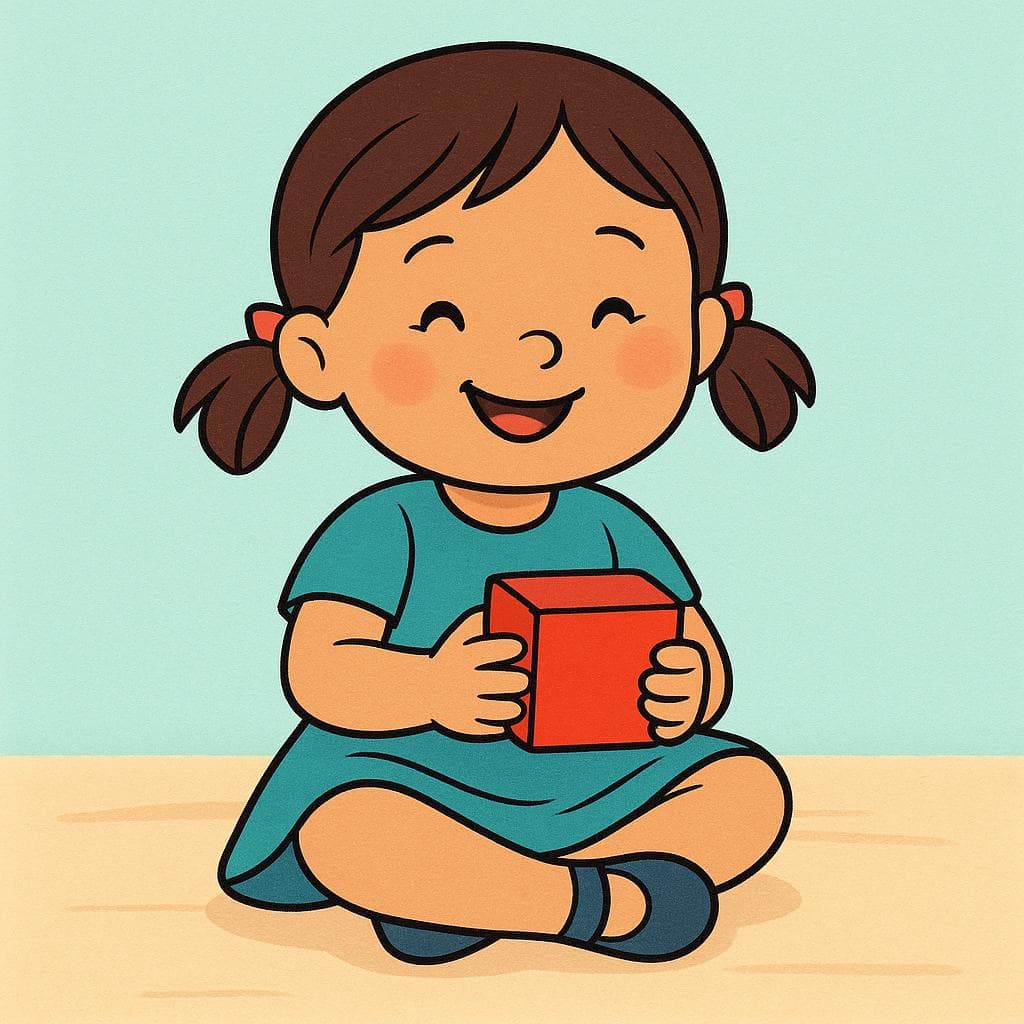
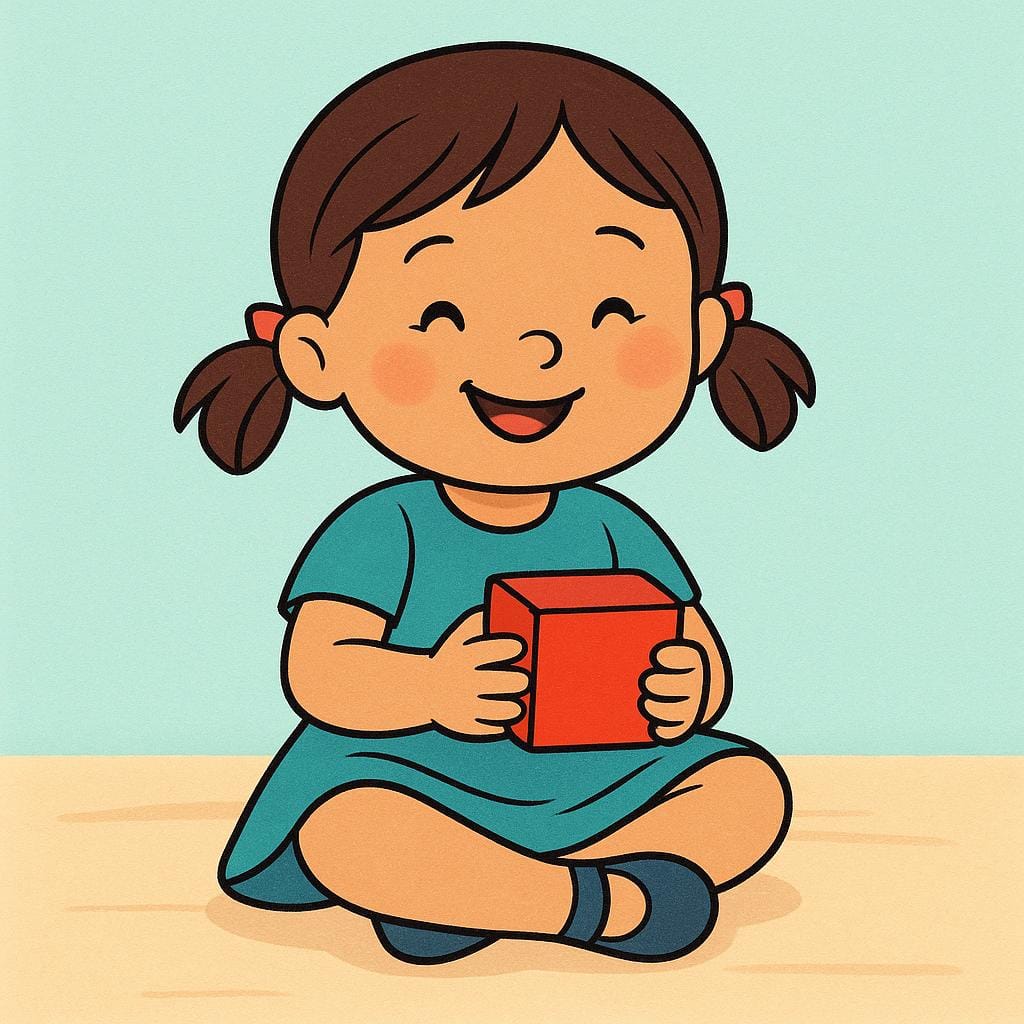
NEH-nahˈnena
Examples
La nena está durmiendo la siesta.
The little girl is taking a nap.
¡Qué bonita está la nena con ese vestido!
The little girl looks so pretty in that dress!
nee-NYEE-tahniˈɲita
Examples
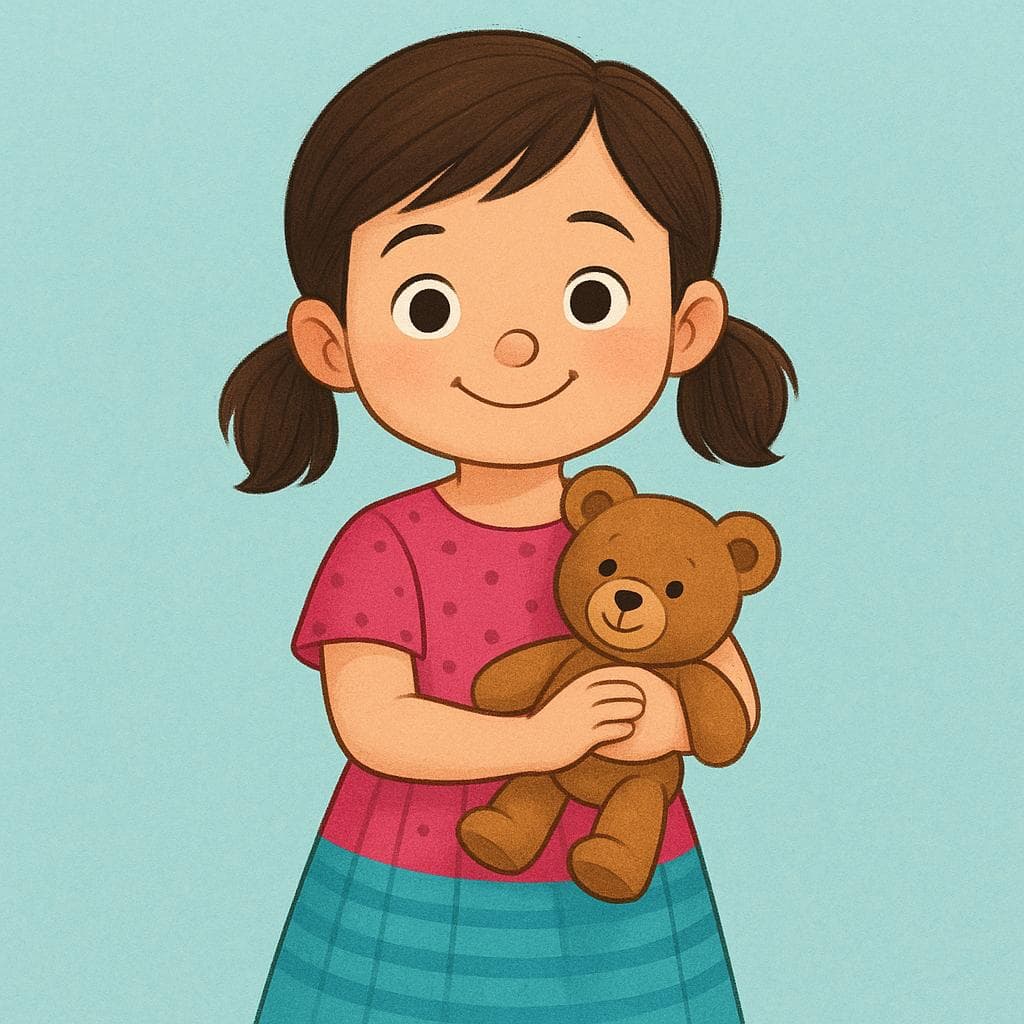
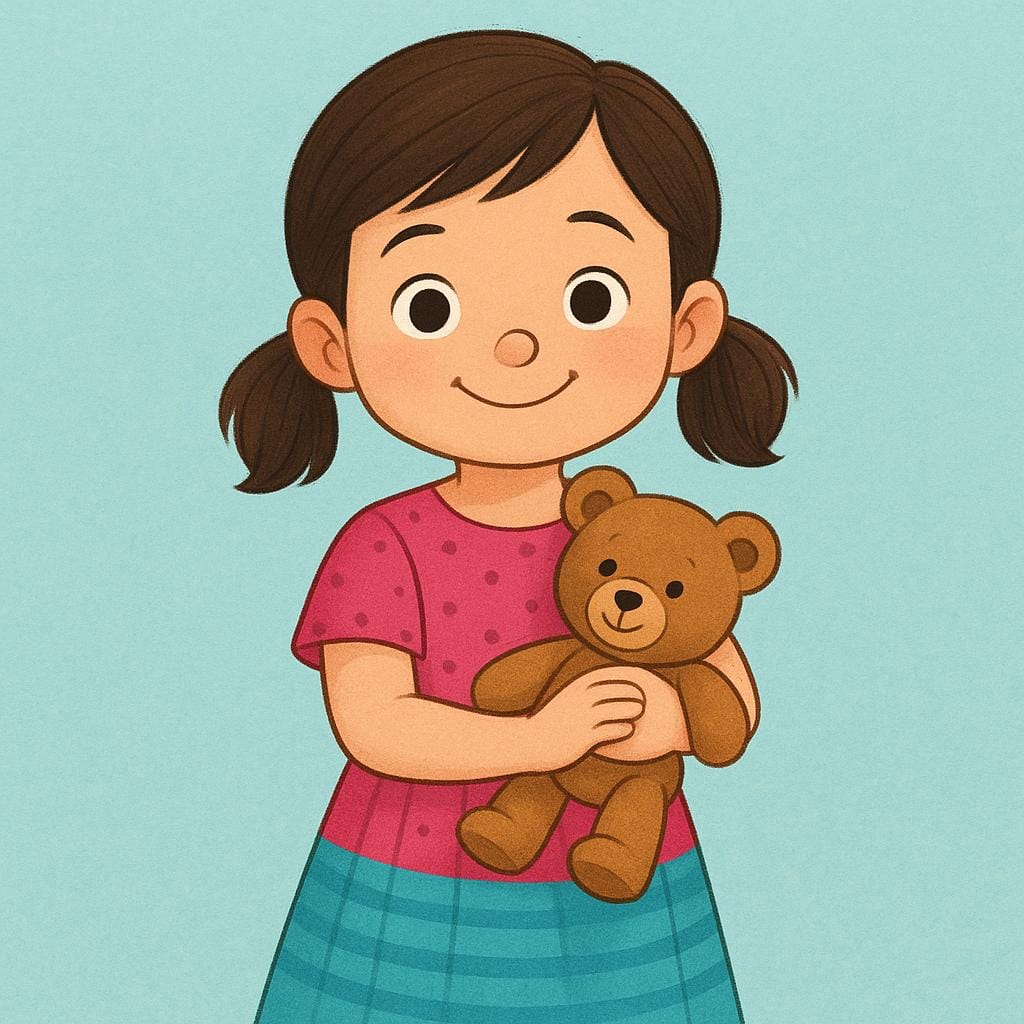
La niñita estaba jugando con su oso de peluche.
The little girl was playing with her teddy bear.
¡Qué niñita tan inteligente! Respondió todas las preguntas.
What a smart little girl! She answered all the questions.
Mi abuela siempre me llama niñita, aunque ya tengo veinte años.
My grandmother always calls me 'niñita' (sweetie), even though I'm already twenty years old.
The Diminutive Suffix -ita
This word is formed by taking 'niña' (girl) and adding '-ita'. This ending is called a diminutive suffix, and it makes the word mean 'small' or adds a feeling of affection and tenderness.
Confusing Size and Affection
Mistake: “Using 'niñita' only for children of small physical stature.”
Correction: While it means 'little girl,' it is often used as a term of endearment regardless of the child's actual size. The affectionate tone is usually more important than the literal size.
Nena vs. Niñita Nuance
The most common mistake is using 'niñita' when a simple, affectionate term like 'nena' would suffice. While 'niñita' emphasizes the 'little' aspect, 'nena' is more frequently used as a general, endearing term for any very young girl.
Related Translations
Learn Spanish with Inklingo
Interactive stories, personalized learning, and more.