How to Say "operator" in Spanish
The most common Spanish word for “operator” is “conductor” — use 'conductor' when referring to the person who drives a public vehicle like a bus or train.

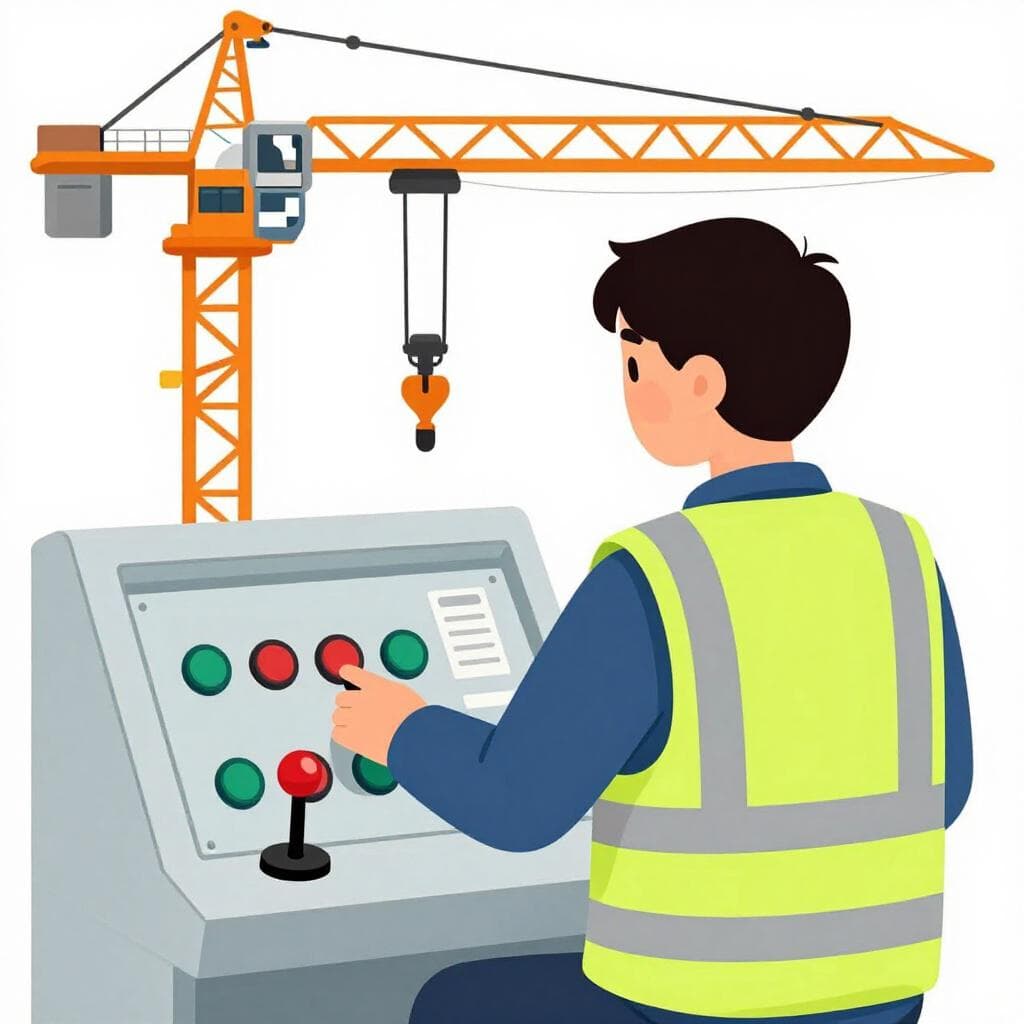
conductor
kon-dook-TORkon.dukˈtoɾ

Examples
El conductor del autobús fue muy amable.
The bus driver was very kind.
Necesito mi licencia de conductor para alquilar el coche.
I need my driver's license to rent the car.
El conductor tuvo que frenar de golpe para evitar un accidente.
The driver had to brake suddenly to avoid an accident.
Gender Change
The feminine form is 'la conductora' (the female driver). Use 'conductor' for men and 'conductora' for women.
Confusing 'Conductor' and 'Chofer'
Mistake: “Using 'chofer' for a general, non-professional driver.”
Correction: 'Conductor' is the general term for anyone driving. 'Chofer' usually implies a professional driver (taxi, chauffeur, etc.).
operador
oh-peh-rah-DORopeɾaˈðoɾ
Examples
El operador de cámara grabó toda la escena.
The camera operator recorded the whole scene.
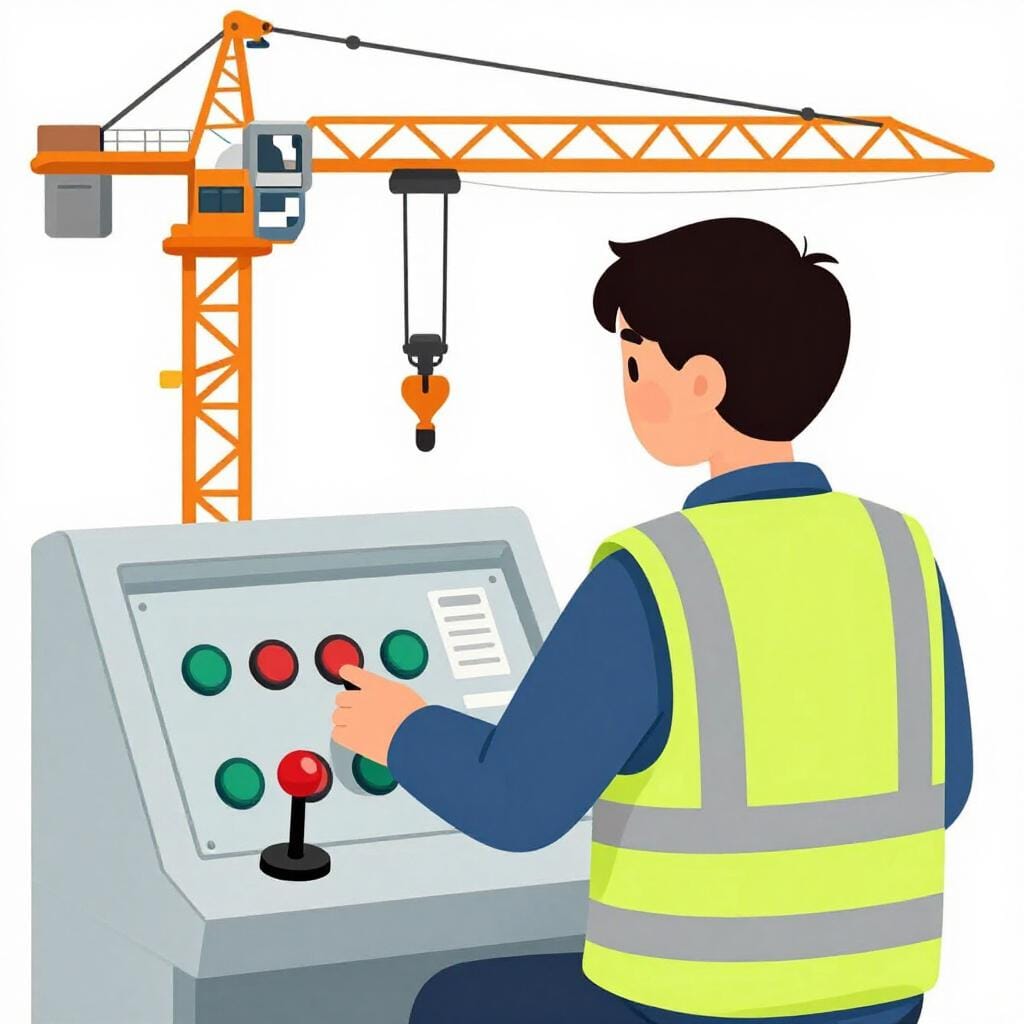
Necesitamos un operador con experiencia para esta grúa.
We need an experienced operator for this crane.
El operador de radio envió una señal de socorro.
The radio operator sent a distress signal.
El signo de más es un operador aritmético.
The plus sign is an arithmetic operator.
Identifying Gender
Most Spanish nouns ending in '-r' are masculine, so you should use 'el' or 'un' with 'operador'.
Adding the Job Type
To specify what kind of operator someone is, simply add 'de' plus the name of the machine (e.g., 'operador de [máquina]').
Abstract Concept
In this context, 'operador' refers to the symbol itself, not the person using it.
Don't use for 'phone operator'
Mistake: “Calling a customer service person an 'operador'.”
Correction: Use 'telefonista' or 'agente' for customer service; 'operador' usually implies physical machinery or technical systems.
operador
oh-peh-rah-DORopeɾaˈðoɾ
Examples
El signo de más es un operador aritmético.
The plus sign is an arithmetic operator.
El operador de cámara grabó toda la escena.
The camera operator recorded the whole scene.
Necesitamos un operador con experiencia para esta grúa.
We need an experienced operator for this crane.
El operador de radio envió una señal de socorro.
The radio operator sent a distress signal.
Identifying Gender
Most Spanish nouns ending in '-r' are masculine, so you should use 'el' or 'un' with 'operador'.
Adding the Job Type
To specify what kind of operator someone is, simply add 'de' plus the name of the machine (e.g., 'operador de [máquina]').
Abstract Concept
In this context, 'operador' refers to the symbol itself, not the person using it.
Don't use for 'phone operator'
Mistake: “Calling a customer service person an 'operador'.”
Correction: Use 'telefonista' or 'agente' for customer service; 'operador' usually implies physical machinery or technical systems.
Driver vs. Machine Operator
Related Translations
Learn Spanish with Inklingo
Interactive stories, personalized learning, and more.