How to Say "order" in Spanish
The most common Spanish word for “order” is “orden” — use 'orden' for a general command, a directive, a sequence, or tidiness, and also for a request of food or goods in a general sense.






orden
OR-denˈoɾ.ðen

Examples
Por favor, pongan los libros en orden alfabético.
Please, put the books in alphabetical order.
Me gusta tener mi escritorio en orden antes de trabajar.
I like to have my desk in order (tidy) before working.
El orden de los factores no altera el producto.
The order of the factors does not alter the product.
El capitán dio la orden de avanzar.
The captain gave the order to advance.
Always 'el orden' for This Meaning
When talking about sequence, tidiness, or structure, 'orden' is a masculine word, so you'll always use 'el' or 'un' with it. For example, 'el orden de la lista' (the order of the list).
Always 'la orden' for This Meaning
When talking about a command, an instruction, or a request (like at a restaurant), 'orden' is a feminine word. You'll always use 'la' or 'una' with it, like 'una orden del jefe' (an order from the boss).
Mixing up 'el orden' and 'la orden'
Mistake: “Me gusta la orden en mi casa.”
Correction: Me gusta el orden en mi casa. The word for tidiness is 'el orden'. Using 'la orden' sounds like you're talking about a command or a restaurant order.
Mixing up 'la orden' and 'el orden'
Mistake: “El mesero tomó el orden.”
Correction: El mesero tomó la orden. A waiter takes a request for food, which is 'la orden'. Using 'el orden' here doesn't make sense; it would mean 'the waiter took the tidiness'.
pedido
peh-DEE-dohpeˈðiðo

Examples
Mi pedido de zapatos llega mañana por la tarde.
My shoe order arrives tomorrow afternoon.
¿Está listo el pedido para que lo recoja?
Is the order ready for me to pick up?
Tenemos muchos pedidos pendientes esta semana.
We have many pending orders this week.
Always Masculine
Even though 'order' in English sometimes feels like a general concept, in Spanish, 'pedido' is always treated as masculine (el pedido).
encargo
en-CAR-goenˈkaɾ.ɣo
Examples
Nuestro encargo de muebles llegará la próxima semana.
Our furniture order will arrive next week.
Ya envié el encargo a la fábrica, solo falta que lo confirmen.
I already sent the order to the factory; they just need to confirm it.
Este encargo tardará dos días en ser preparado.
This order will take two days to be prepared.
Using 'Pedido' vs. 'Encargo'
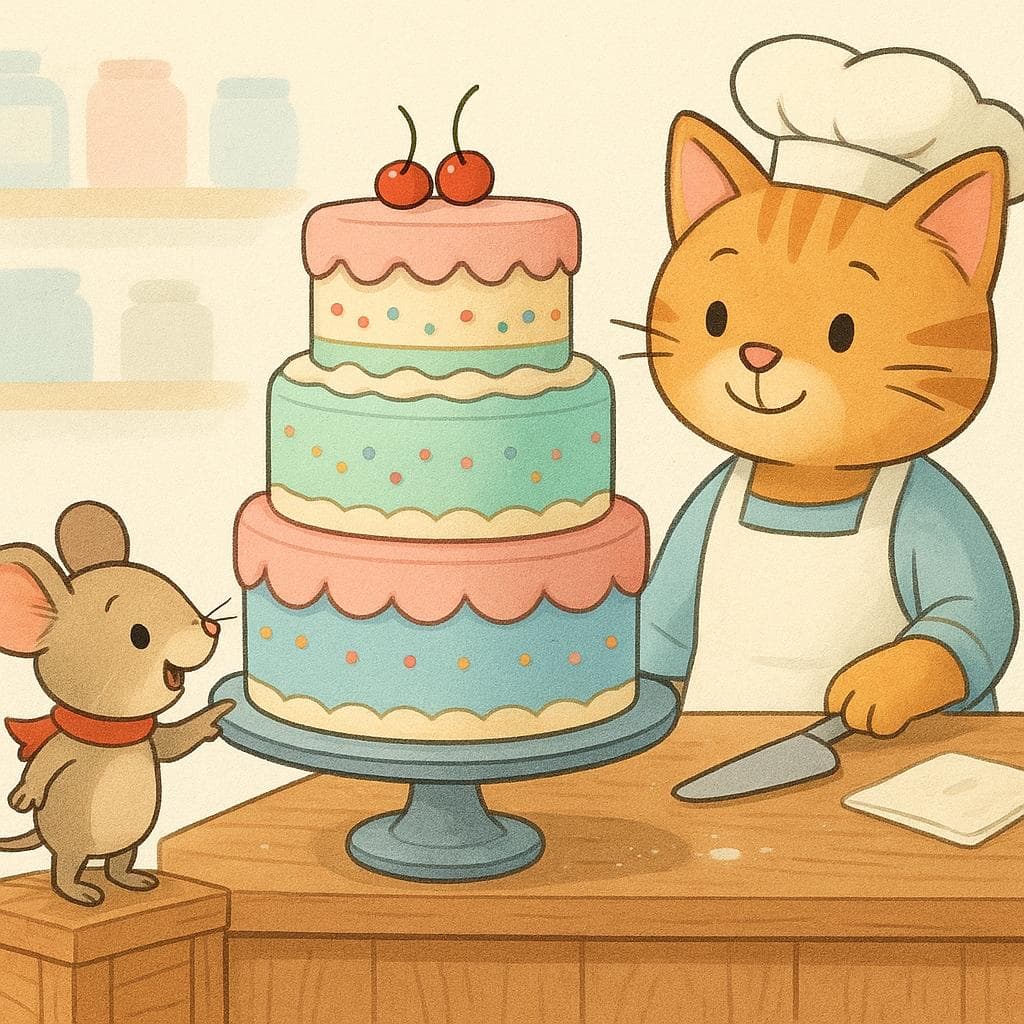
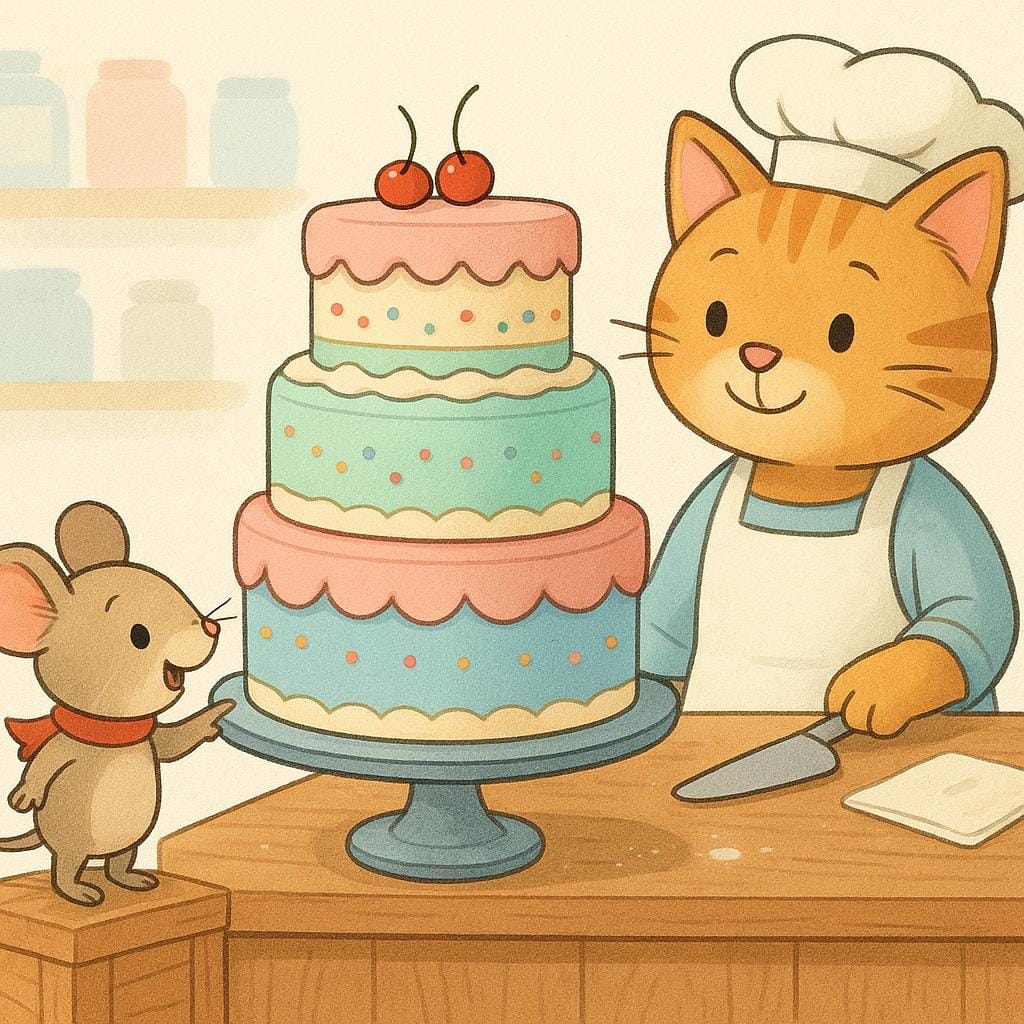
'Pedido' is the most common word for a general order (like food delivery). 'Encargo' often implies a slightly more complex or formal order, or one that requires customization (like a special cake or commissioned art).
mandato
man-DA-tohmanˈda.to

Examples
Debemos cumplir con el mandato del juez.
We must comply with the judge's order.
El director dio un mandato claro a todo el equipo.
The director gave a clear command to the whole team.
Actuó bajo un mandato divino.
He acted under a divine command.
Masculine Noun
Even though it ends in 'o', it follows the standard rule and is masculine: use 'el mandato' or 'un mandato'.
Action vs. Result
While 'mandar' is the action of sending or ordering, 'mandato' is the formal piece of paper or the specific instruction itself.
Confusing with 'Commandment'
Mistake: “Using 'mandato' for the Ten Commandments.”
Correction: Use 'mandamiento' for religious laws and 'mandato' for civil or political orders.
mande
mahn-dehˈmande
Examples
Mande el paquete mañana, por favor.
Please send the package tomorrow.
Espero que ella me mande el dinero.
I hope she sends me the money.
Multi-Purpose Form
The word 'mande' is a Swiss Army knife: it is used to give a polite order to one person, but also to express a wish ('Espero que él mande...').
pida
pee-dahˈpi.ða

Examples
Quiero que él pida disculpas por lo que hizo.
I want him to ask for forgiveness for what he did.
Es necesario que yo pida el recibo antes de salir.
It is necessary that I ask for the receipt before leaving.
Señora, pida lo que quiera, la casa invita.
Ma'am, order whatever you want, the house is paying (treating).
The Subjunctive Form
The form 'pida' is used when talking about wishes, emotions, commands, or uncertainty, usually after a verb of influence (like 'querer que' or 'necesitar que').
Formal Command
'Pida' is the polite way to tell someone (Usted) to ask for or order something: 'Pida el menú' (Order the menu).
The E-to-I Change
The base verb is 'pedir,' but in many forms, the 'e' changes to an 'i' (pida, pido, pidiendo). Watch out for this change in all subjunctive and most present tense forms.
Forgetting the Stem Change
Mistake: “Using *pedas* instead of *pidas* (Tú form).”
Correction: Always use the 'i' in the present subjunctive: *pida/pidas/pidamos*. This verb is irregular!
consigna
kon-SEEG-nahkonˈsiɣna

Examples
La consigna del jefe era no molestar a los clientes.
The boss's instruction was not to disturb the customers.
El guardia no nos dejó pasar porque no sabíamos la consigna.
The guard didn't let us through because we didn't know the password.
Siga las consignas de seguridad en caso de incendio.
Follow the safety instructions in case of fire.
Specific Orders
Unlike a general rule, a 'consigna' is usually a specific task or behavior assigned for a particular situation.
Password usage
Mistake: “Using 'consigna' for a website password.”
Correction: Use 'contraseña' for digital passwords. Use 'consigna' for a verbal secret word used with a guard or group.
mandamiento
man-dah-myehn-tohmandaˈmjento

Examples
El juez dictó un mandamiento de prisión.
The judge issued a warrant for imprisonment.
Recibió un mandamiento de pago por la deuda pendiente.
He received a payment order for the outstanding debt.
Nouns with 'de'
In legal Spanish, 'mandamiento' is almost always followed by 'de' and the action being ordered, such as 'mandamiento de embargo' (seizure order).
Orden vs. Pedido vs. Encargo
Related Translations
Learn Spanish with Inklingo
Interactive stories, personalized learning, and more.