Inklingo

mande

/mahn-deh/

Pardon?

A person leaning in with a hand cupped behind their ear, looking curious and attentive.

A person listening closely to show they didn't hear something clearly.

mande(interjection)

A1

Pardon?

?

When you didn't hear what someone said.

,

Yes?

?

Responding when someone calls your name.

Also:

Tell me

?

Politely asking someone to continue speaking.

📝 In Action

—¡Juan! —¿Mande?

A1

—Juan! —Yes? (What is it?)

—¿Puedes cerrar la puerta? —¡Mande! No te escuché.

A1

—Can you close the door? —Pardon? I didn't hear you.

Word Connections

Synonyms

💡 Grammar Points

A Polite Fixed Phrase

Even though this word looks like a verb, it is used here as a set phrase to show respect when you don't hear someone or are answering a call.

❌ Common Pitfalls

Don't use it everywhere

Mistake: "Using 'mande' in Spain or Argentina."

Correction: In Spain, people usually say '¿qué?' or '¿perdona?'. Using 'mande' might make you sound like you are from a much older generation or from Mexico.

⭐ Usage Tips

When to use it

In Mexico, using '¿Qué?' (What?) can sometimes sound a bit rude or blunt. Using '¡Mande!' is a very safe and polite way to show you are listening.

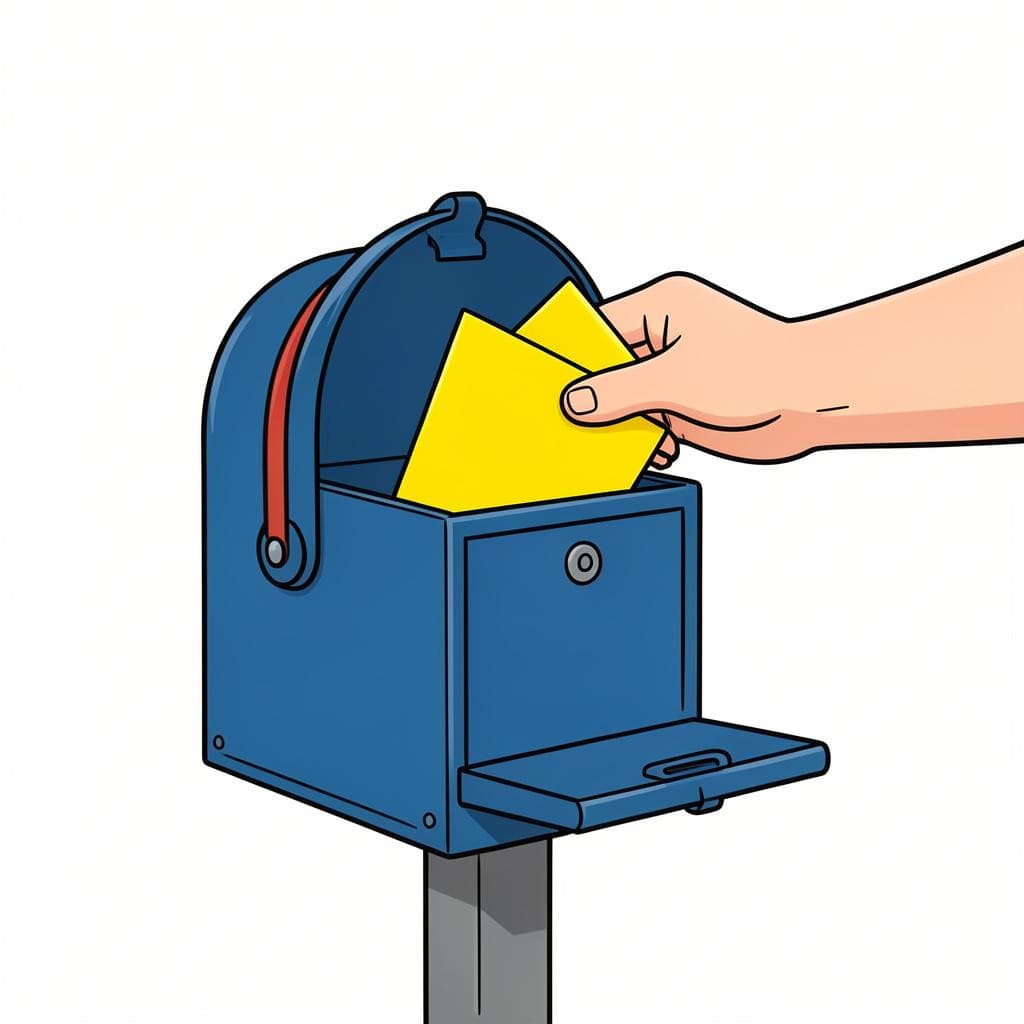
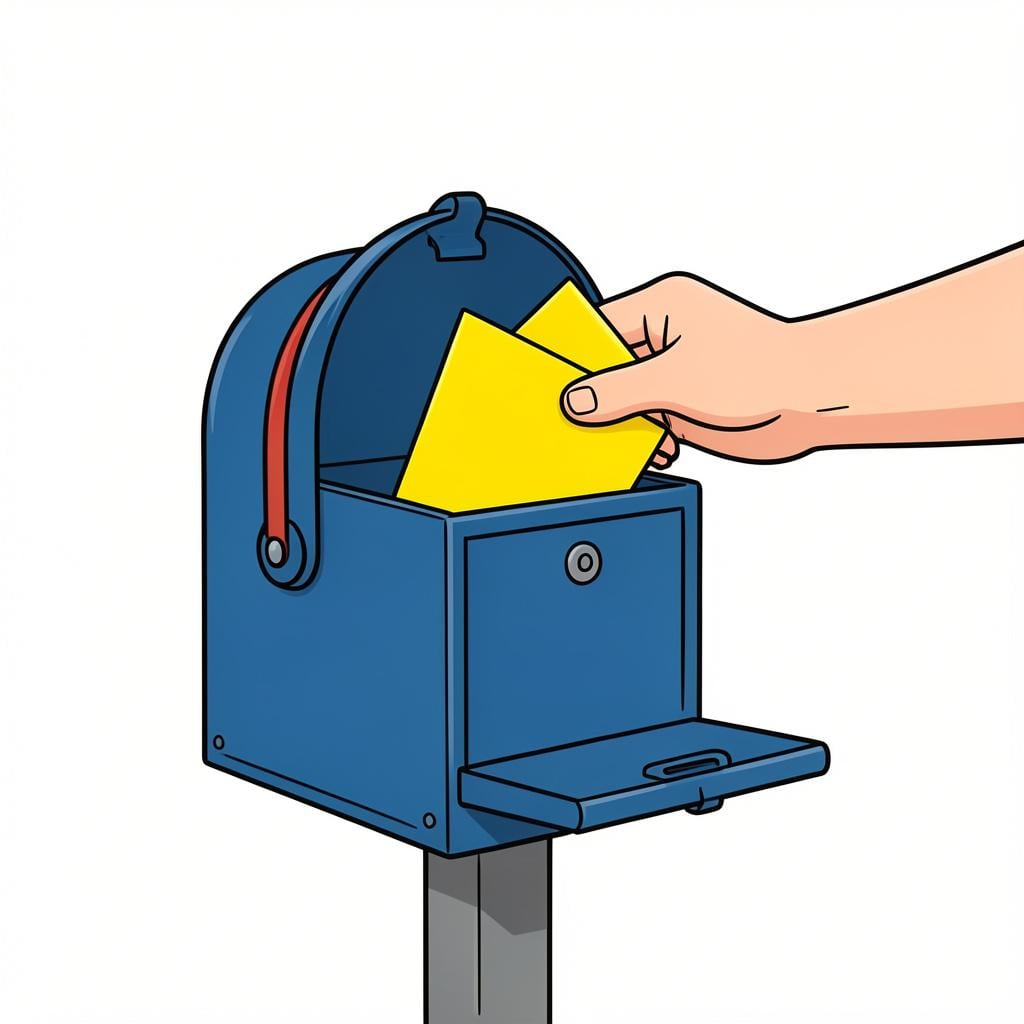
A colorful sealed envelope with a heart sticker being placed into a bright blue mailbox.

Sending a message or a request to someone else.

mande(verb)

B1regular ar

send

?

polite request or wish

,

order

?

giving a polite command

Also:

command

?

formal authority

📝 In Action

Mande el paquete mañana, por favor.

B1

Please send the package tomorrow.

Espero que ella me mande el dinero.

B1

I hope she sends me the money.

Word Connections

Synonyms

Antonyms

Common Collocations

  • mandar un mensajeto send a message
  • quien mandawho is in charge

💡 Grammar Points

Multi-Purpose Form

The word 'mande' is a Swiss Army knife: it is used to give a polite order to one person, but also to express a wish ('Espero que él mande...').

⭐ Usage Tips

Use it for Polite Commands

When you want to tell a boss or a stranger to 'send' something, 'mande' is the perfect polite form to use.

🔄 Conjugations

subjunctive

imperfect

ellos/ellas/ustedesmandaran
yomandara
mandaras
vosotrosmandarais
nosotrosmandáramos
él/ella/ustedmandara

present

ellos/ellas/ustedesmanden
yomande
mandes
vosotrosmandéis
nosotrosmandemos
él/ella/ustedmande

indicative

preterite

ellos/ellas/ustedesmandaron
yomandé
mandaste
vosotrosmandasteis
nosotrosmandamos
él/ella/ustedmandó

imperfect

ellos/ellas/ustedesmandaban
yomandaba
mandabas
vosotrosmandabais
nosotrosmandábamos
él/ella/ustedmandaba

present

ellos/ellas/ustedesmandan
yomando
mandas
vosotrosmandáis
nosotrosmandamos
él/ella/ustedmanda

✏️ Quick Practice

💡 Quick Quiz: mande

Question 1 of 2

You are in a Mexican market and a vendor calls out to you, but you didn't hear what they said. What is the most natural thing to say?

📚 More Resources

Word Family

Frequently Asked Questions

Does 'mande' come from a word meaning 'command'?

Yes, it literally translates to 'Command me'. While some believe it has colonial roots suggesting submissiveness, today it is simply used as a very polite and respectful way to say 'Pardon?' in Mexican culture.

Is 'mande' used in Spain?

Not really. If you use it in Spain, people will know you are likely from Mexico. In Spain, people prefer '¿Cómo?' or '¿Perdona?'.