How to Say "phantom" in Spanish
The most common Spanish word for “phantom” is “fantasma” — use 'fantasma' when referring to a ghost, especially a frightening or traditional one associated with a place like a castle.
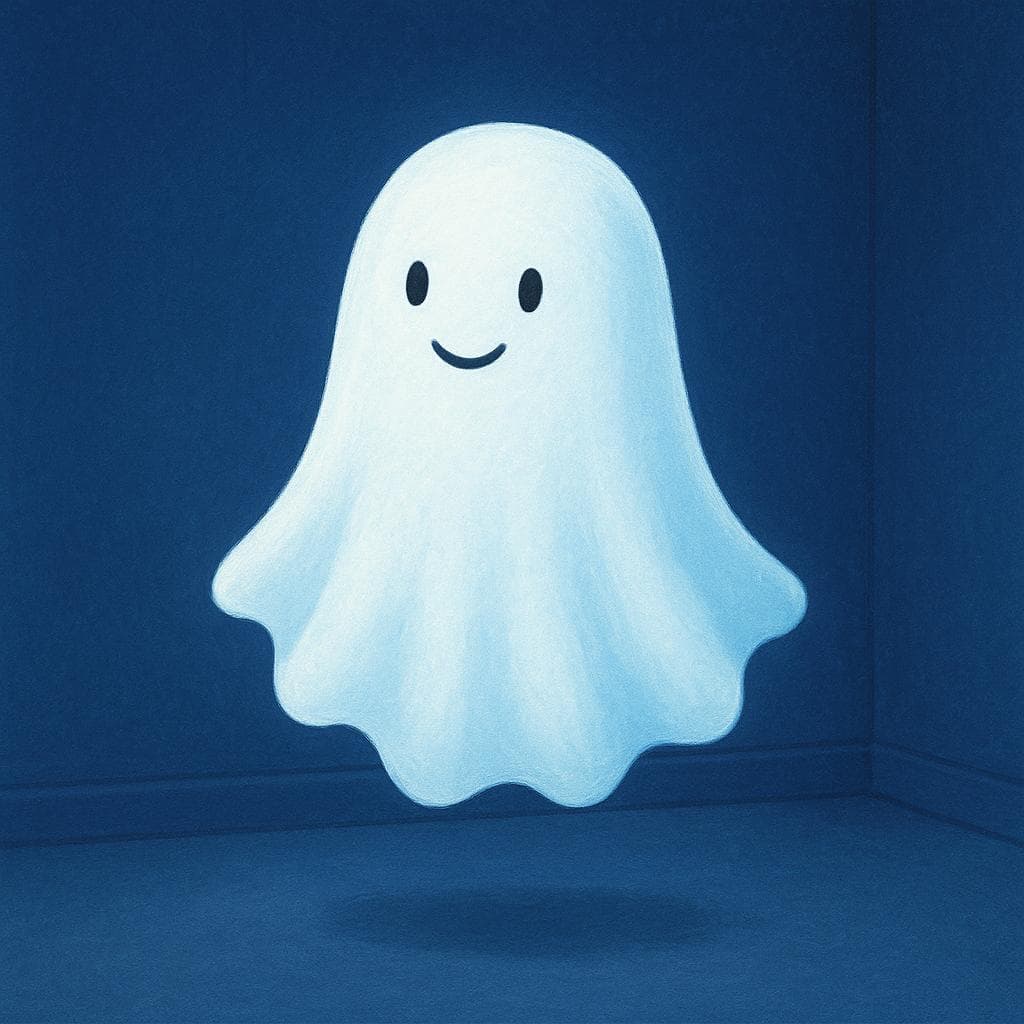

fantasma
fahn-TAHS-mahfanˈtasma
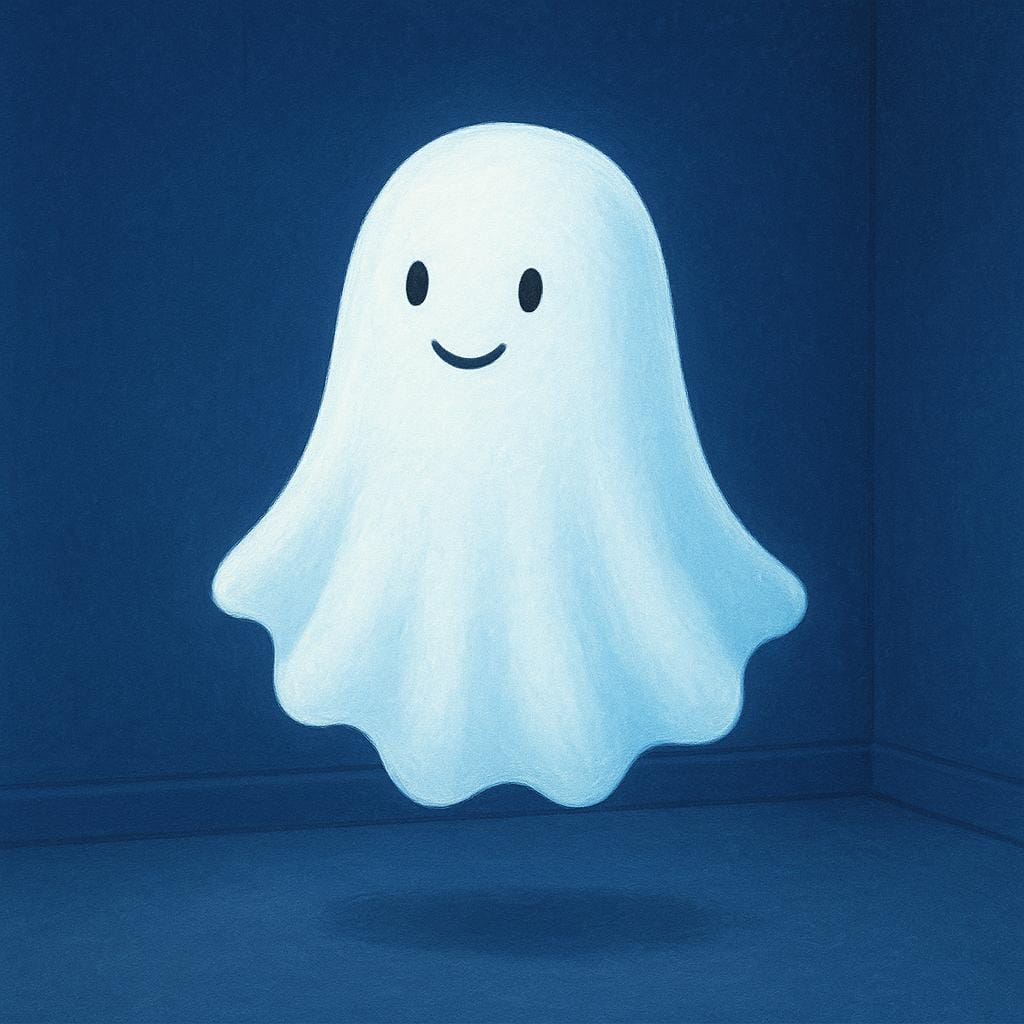
Examples
Dicen que un viejo fantasma vive en ese castillo abandonado.
They say an old ghost lives in that abandoned castle.
Mi hermano vio el fantasma de una mujer en el espejo.
My brother saw the specter of a woman in the mirror.
Masculine Nouns Ending in -A
Even though 'fantasma' ends in -a, it is always a masculine noun, meaning you must use 'el' (the) and masculine adjectives with it: 'el fantasma blanco' (the white ghost).
Using the Wrong Article
Mistake: “La fantasma es aterradora.”
Correction: El fantasma es aterrador. (The ghost is terrifying.) Remember to use 'el' for this word.
espectro
es-PEK-troesˈpektɾo

Examples
Un espectro apareció en medio de la niebla.
A ghost appeared in the middle of the fog.
El espectro de la guerra asusta a la población.
The specter of war scares the population.
Dicen que el castillo está habitado por espectros.
They say the castle is inhabited by phantoms.
Formal Tone
While 'fantasma' is the word kids use for ghosts, 'espectro' sounds more like something from a classic gothic novel.
Casual Conversation
Mistake: “Saying 'Vi un espectro' when telling a joke to friends.”
Correction: Use 'fantasma' for casual talk; 'espectro' is very serious or literary.
Fantasma vs. Espectro
Learn Spanish with Inklingo
Interactive stories, personalized learning, and more.