How to Say "playing" in Spanish
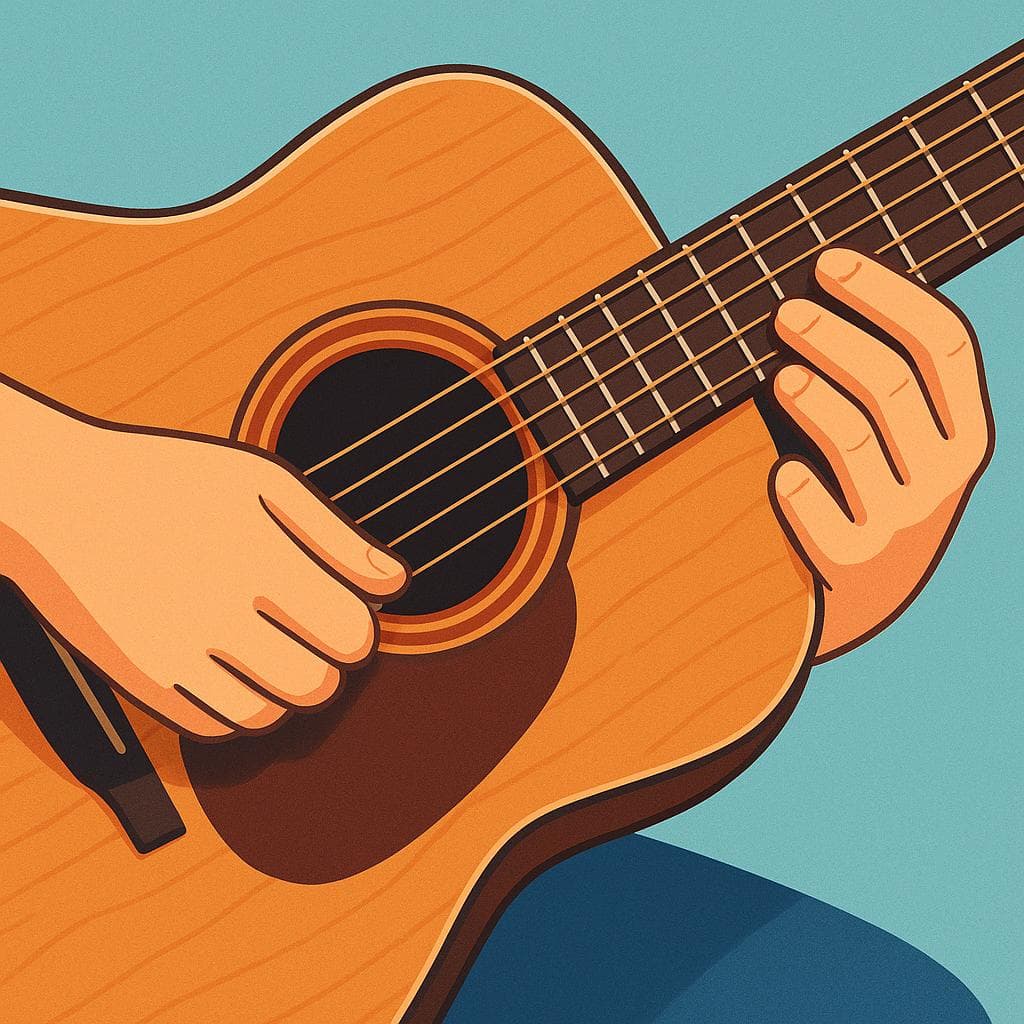
The most common Spanish word for “playing” is “jugando” — use 'jugando' when referring to people or animals actively participating in a game, sport, or recreational activity.


jugando
hoo-GAHN-dohxuˈɣan.do

Examples
Los niños están jugando en el parque con una pelota.
The children are playing in the park with a ball.
¿Estás jugando al ajedrez o estás estudiando?
Are you playing chess or are you studying?
Mi equipo estuvo jugando muy bien hasta el final del partido.
My team was playing very well until the end of the game.
Using the Continuous Tense
In Spanish, we use the verb 'estar' (to be) followed by the gerund form 'jugando' to describe something happening at the moment: 'Estamos jugando' (We are playing).
Verbs of Motion
You can use 'jugando' after verbs like 'seguir' (to continue) or 'ir' (to go) to show a persistent or progressive action: 'Ella sigue jugando' (She keeps on playing).
Incorrect Preposition for Sports
Mistake: “Estamos jugando fútbol. (Missing 'a'.)”
Correction: Estamos jugando **al** fútbol. When talking about named sports or games, 'jugar' usually requires the preposition 'a' (or 'al' if the name is masculine).
tocando
toh-KAHN-dohtoˈkando
Examples
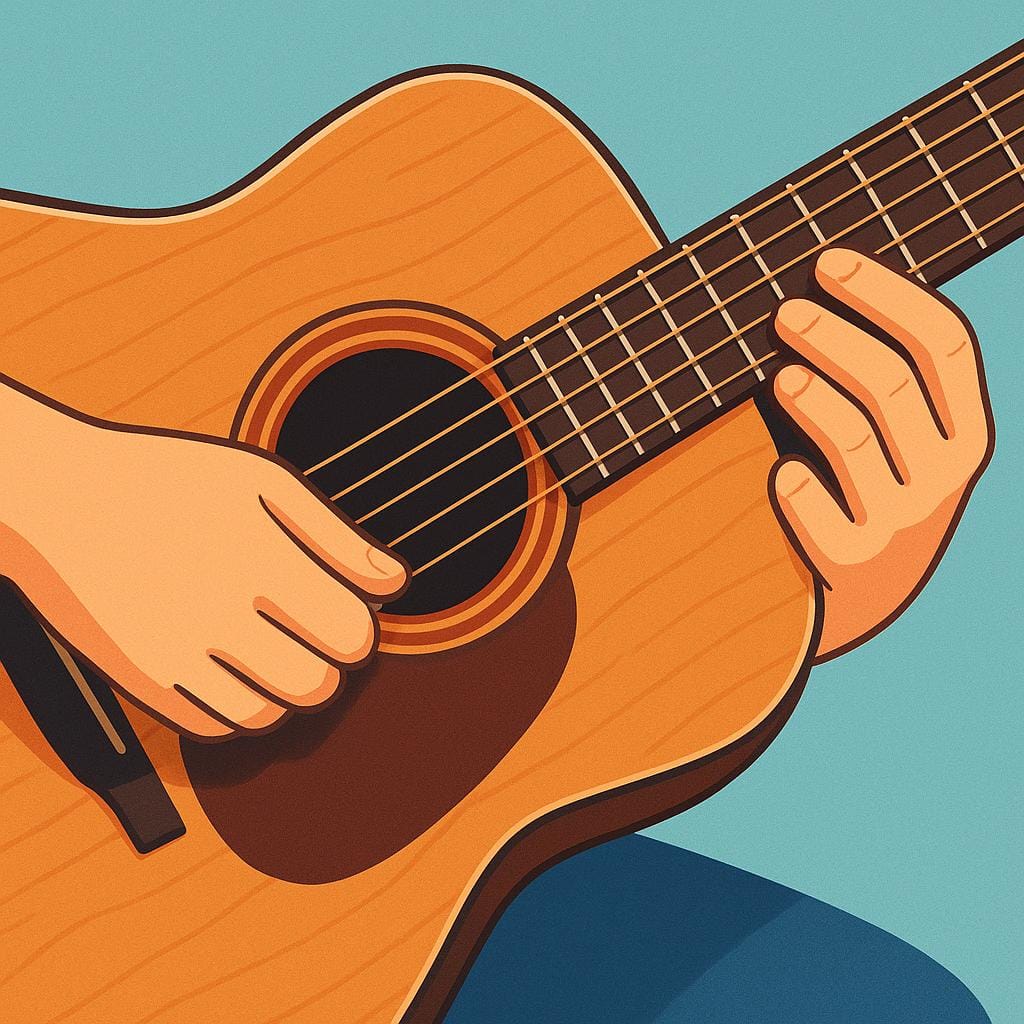
Mi hermano está tocando la guitarra en un concierto.
My brother is playing the guitar in a concert.
Están tocando música clásica en el jardín.
They are playing classical music in the garden.
Playing Instruments
In Spanish, the verb 'tocar' is used for playing any musical instrument, unlike English which uses 'play' and 'hit' (for drums) or 'blow' (for wind instruments).
poniendo
po-NYEN-dopoˈnjendo
Examples
¿Quién está poniendo esa música tan fuerte?
Who is putting on (playing) that music so loud?
El jefe nos está poniendo mucha presión para terminar a tiempo.
The boss is putting a lot of pressure on us to finish on time.
El sol está poniendo mi piel roja.
The sun is making my skin red.
Creating a State
In Spanish, 'poner' can mean 'to make/cause' someone or something to enter a state, often used with adjectives (e.g., 'poniendo triste' = making sad). This is different from the reflexive 'ponerse' (to become).
Using 'Hacer' instead of 'Poner'
Mistake: “Está haciendo la música. (He is making the music.)”
Correction: Está poniendo la música. (Use 'poner' for playing or broadcasting media.)
sonando
so-NAN-dohsoˈnando

Examples
El teléfono está sonando desde hace un minuto.
The phone has been ringing for a minute.
Tu canción favorita está sonando en la radio.
Your favorite song is playing on the radio.
Se está sonando la nariz porque tiene un resfriado.
He is blowing his nose because he has a cold.
The '-ing' Ending
The ending '-ando' is the Spanish equivalent of '-ing.' Use it with the verb 'estar' (to be) to show that something is happening right now.
Don't forget the 'to be' verb
Mistake: “El teléfono sonando.”
Correction: El teléfono está sonando.
Confusing 'playing' music: tocando vs. poniendo
Related Translations
Learn Spanish with Inklingo
Interactive stories, personalized learning, and more.