How to Say "precise" in Spanish
The most common Spanish word for “precise” is “exacto” — use 'exacto' when referring to something that is precisely correct, like a time, a number, or a detail that leaves no room for doubt.

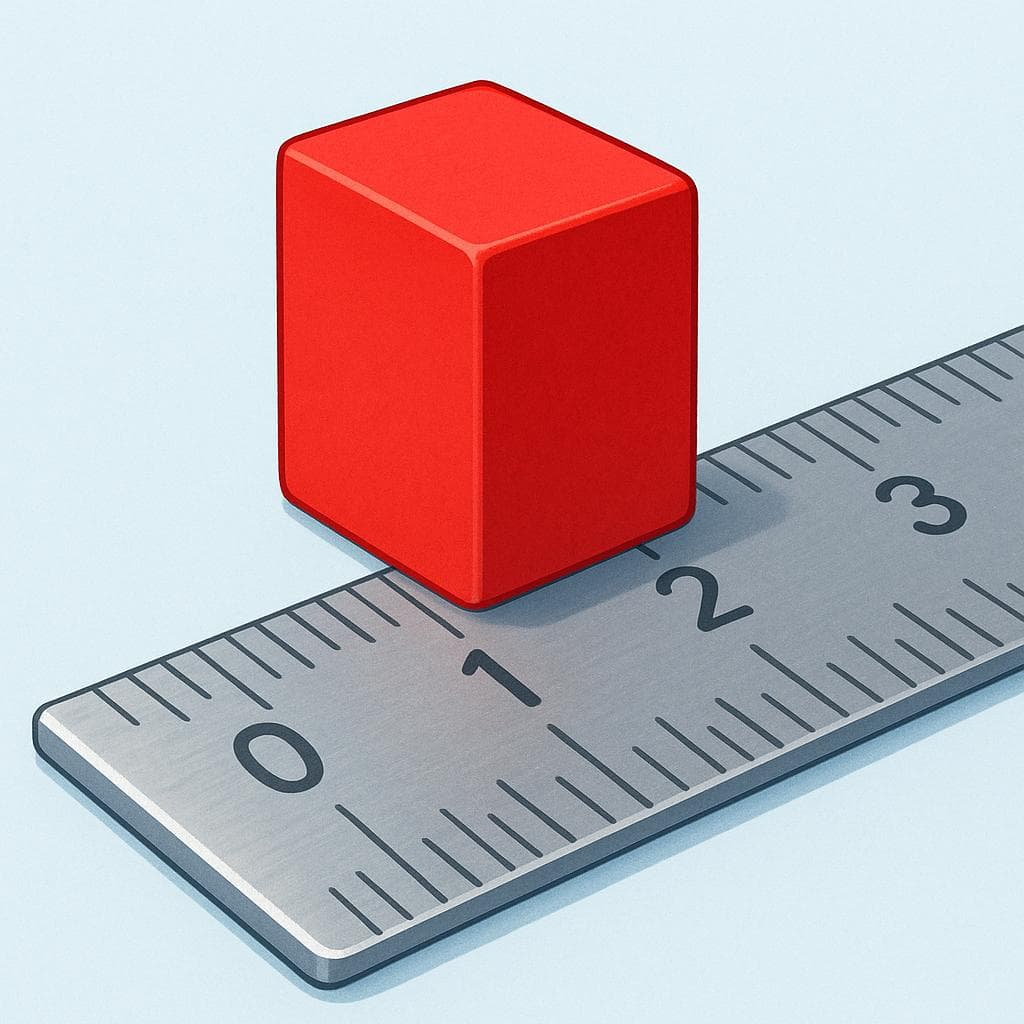

exacto
ek-SAHK-toheɡˈsa(k)to

Examples
¿Cuál es la hora exacta?
What is the exact time?
Necesito el número exacto de personas que vienen.
I need the precise number of people coming.
La descripción que diste es exacta, no hay errores.
The description you gave is accurate (exact), there are no mistakes.
Variable Ending
As an adjective, 'exacto' must change its ending to match the noun it describes. Use '-a' for feminine words (la hora exacta) and add an '-s' for plurals (los resultados exactos).
Not matching gender
Mistake: “El respuesta exacto.”
Correction: La respuesta exacta. Remember that 'respuesta' is a feminine word, so the adjective must end in '-a'.
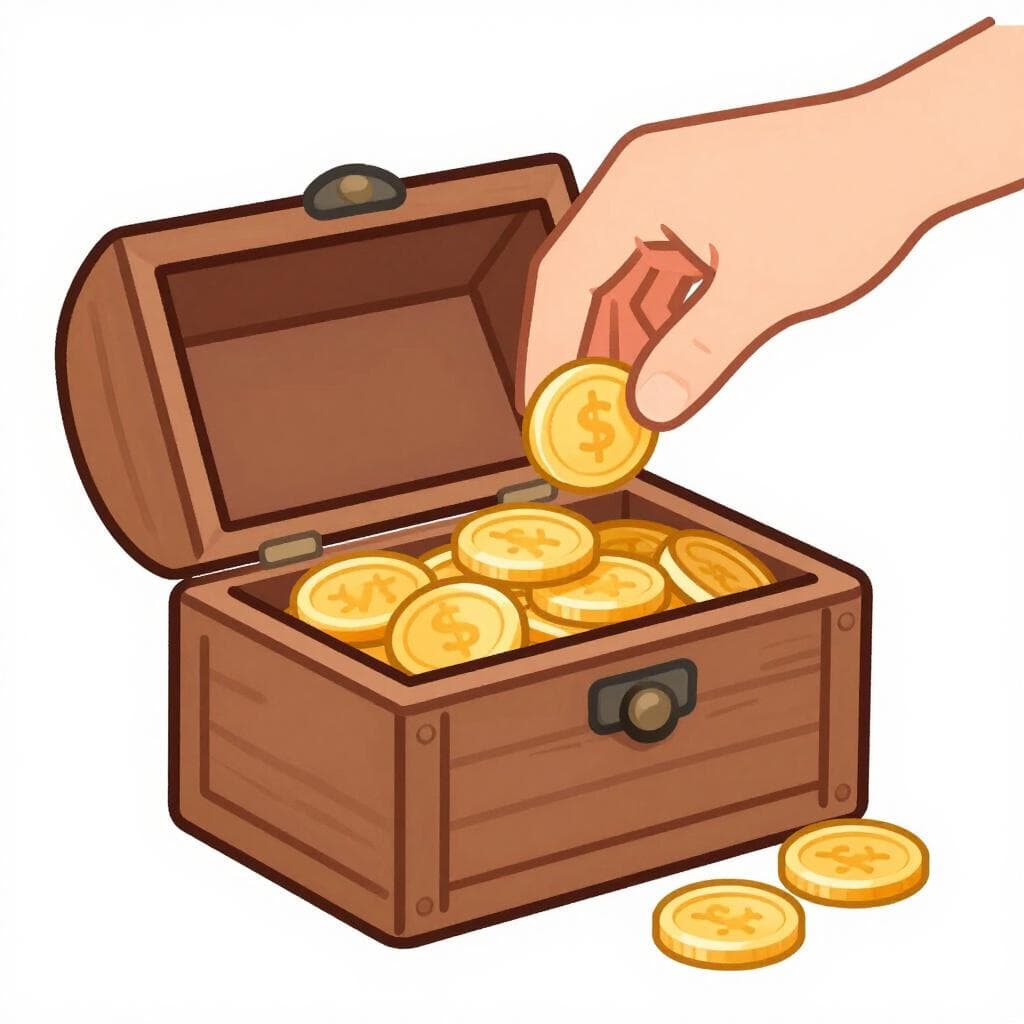
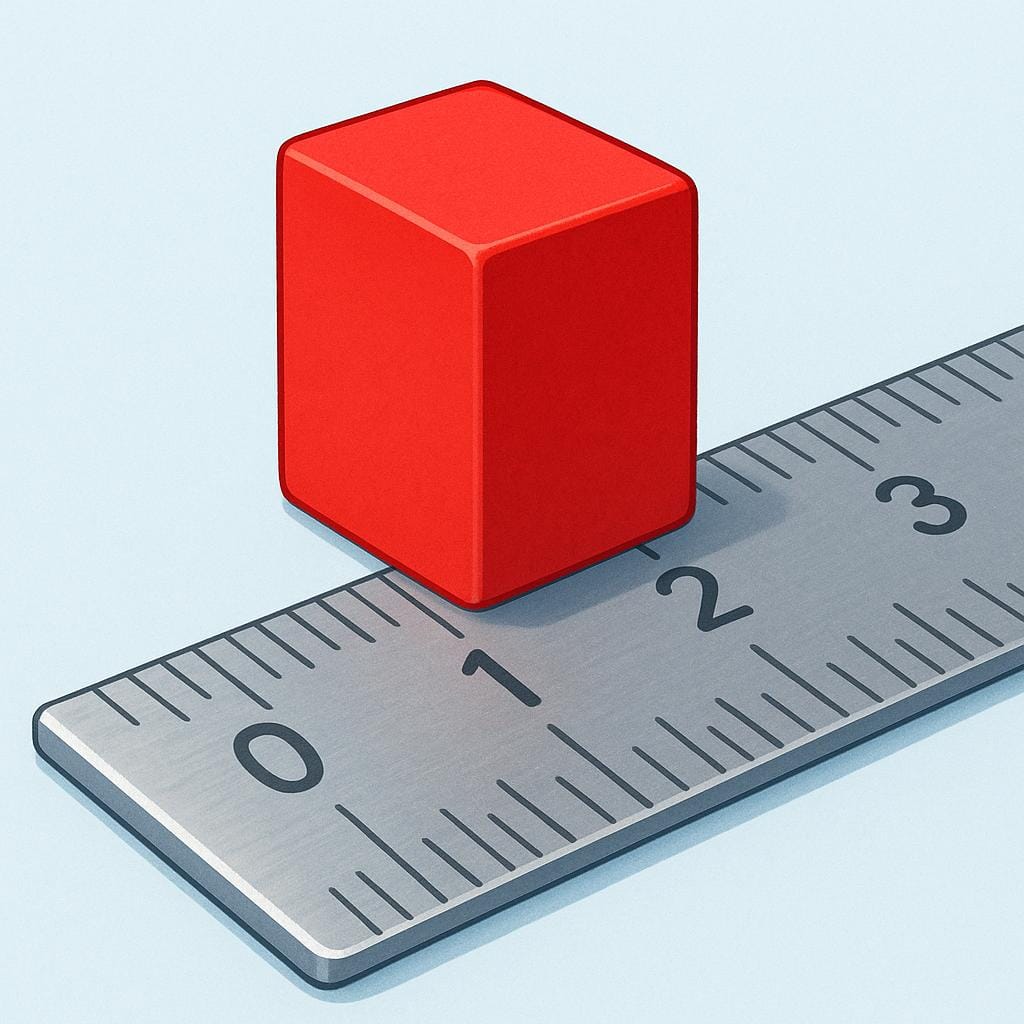
preciso
preh-SEE-sohpɾeˈθiso
Examples
Necesito la hora precisa de tu llegada.
I need the precise time of your arrival.
El carpintero hizo un corte muy preciso.
The carpenter made a very precise cut.
Su descripción del evento fue precisa y detallada.
His description of the event was accurate and detailed.
Gender Agreement
Like most Spanish adjectives, 'preciso' must match the noun it describes in gender (preciso/precisa) and number (precisos/precisas).
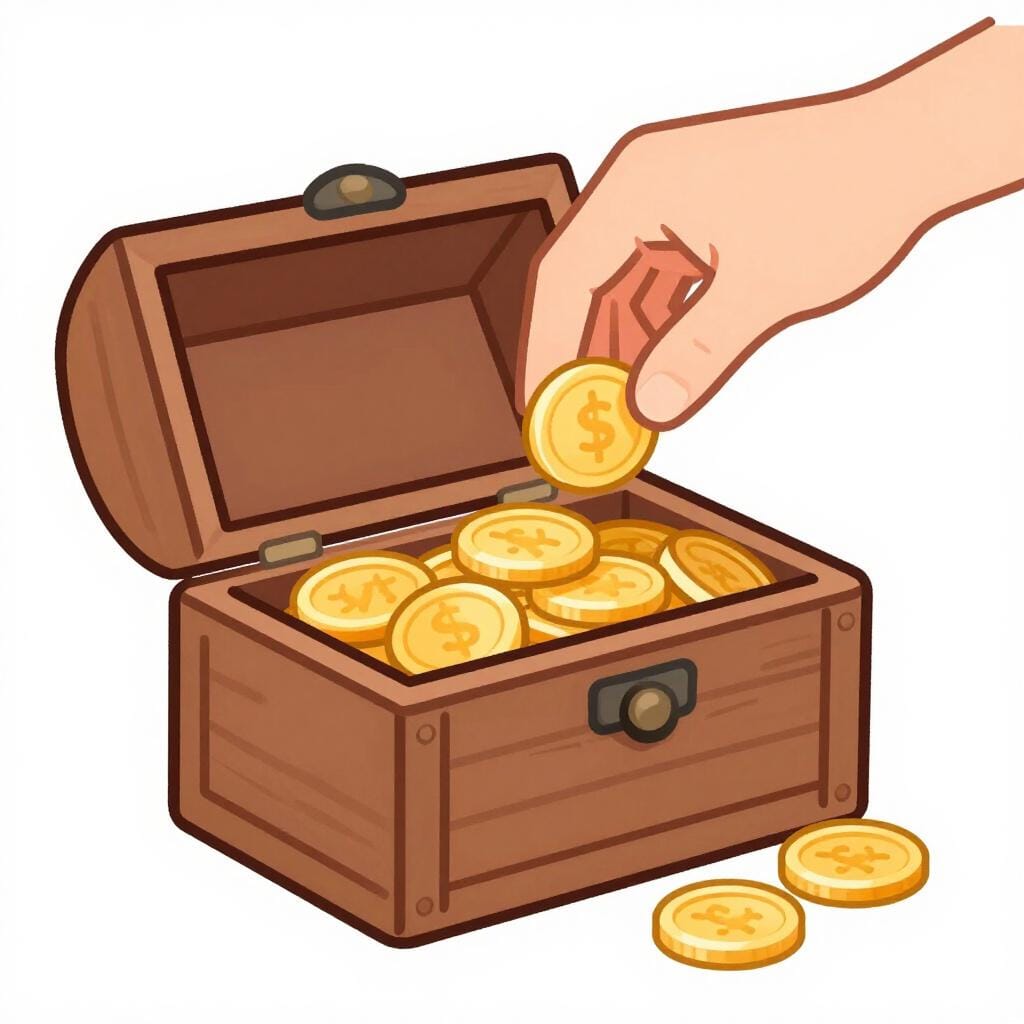
ajustado
ah-hoo-STAH-dohaxusˈtado
Examples
Tenemos un presupuesto muy ajustado para este viaje.
We have a very tight budget for this trip.
El horario del tren es muy ajustado, no podemos llegar tarde.
The train schedule is very tight; we can't be late.
El resultado de las elecciones fue muy ajustado.
The election result was very close.
Using 'a'
When you want to say something is 'adjusted to' or 'conforms to' something else, use the preposition 'a'. For example: 'ajustado a la realidad' (adjusted to reality).
Ajustado vs. Corto
Mistake: “Tengo un tiempo corto.”
Correction: Tengo el tiempo ajustado. In Spanish, we use 'ajustado' to describe a schedule with no room for error.
suizo
swee-sohˈswiθo

Examples
El chocolate suizo es famoso en todo el mundo.
Swiss chocolate is famous all over the world.
Me compré un reloj suizo muy elegante.
I bought a very elegant Swiss watch.
Los Alpes suizos son impresionantes en invierno.
The Swiss Alps are impressive in winter.
Don't Capitalize
Unlike English, words for nationalities like 'suizo' are not capitalized in Spanish unless they start a sentence.
Placement
Always put 'suizo' after the noun it is describing, just like most adjectives in Spanish.
Capitalization Error
Mistake: “Vivo en un pueblo Suizo.”
Correction: Vivo en un pueblo suizo. (Nationalities use lowercase letters in Spanish.)
Exacto vs. Preciso
Related Translations
Learn Spanish with Inklingo
Interactive stories, personalized learning, and more.