How to Say "pushes" in Spanish
The most common Spanish word for “pushes” is “empuja” — use 'empuja' when referring to the general act of applying force to move something or someone, or to urge someone forward.
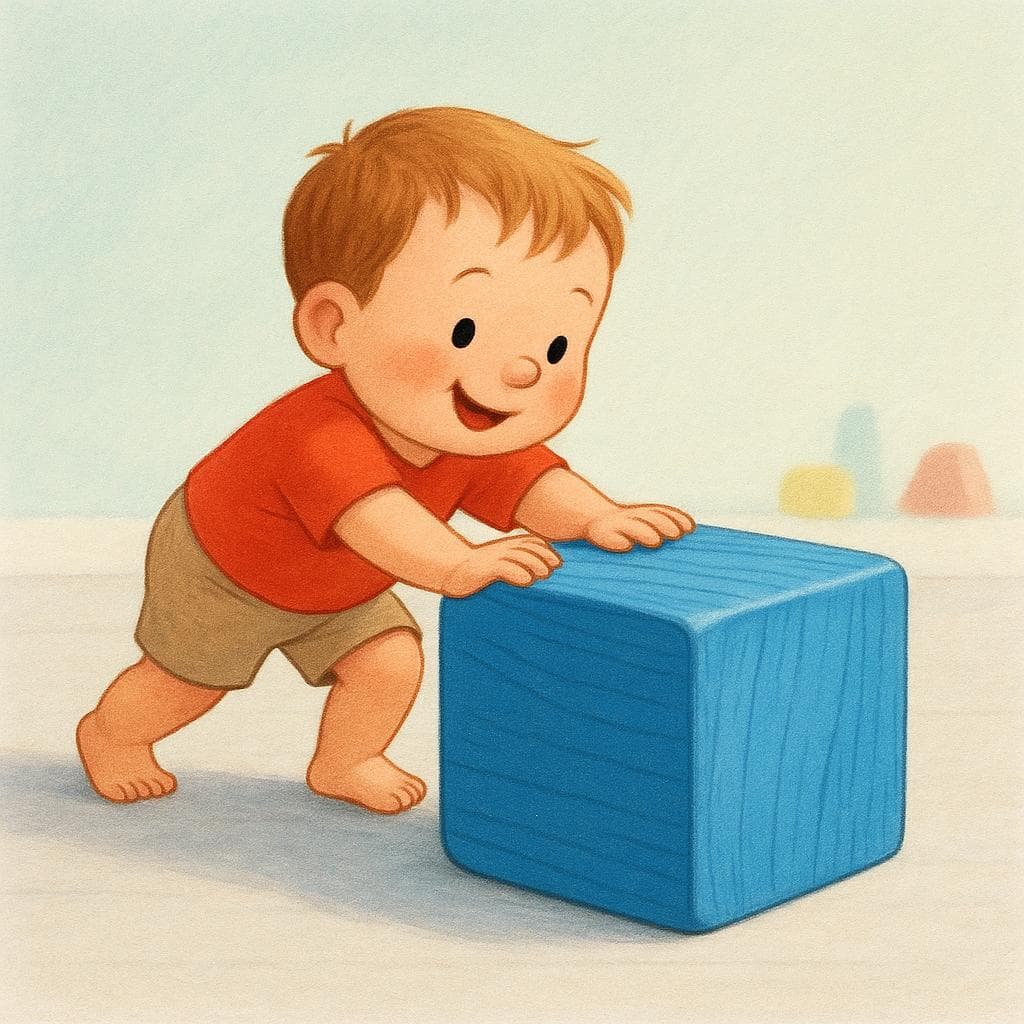

empuja
em-POO-hahemˈpu.xa
Examples
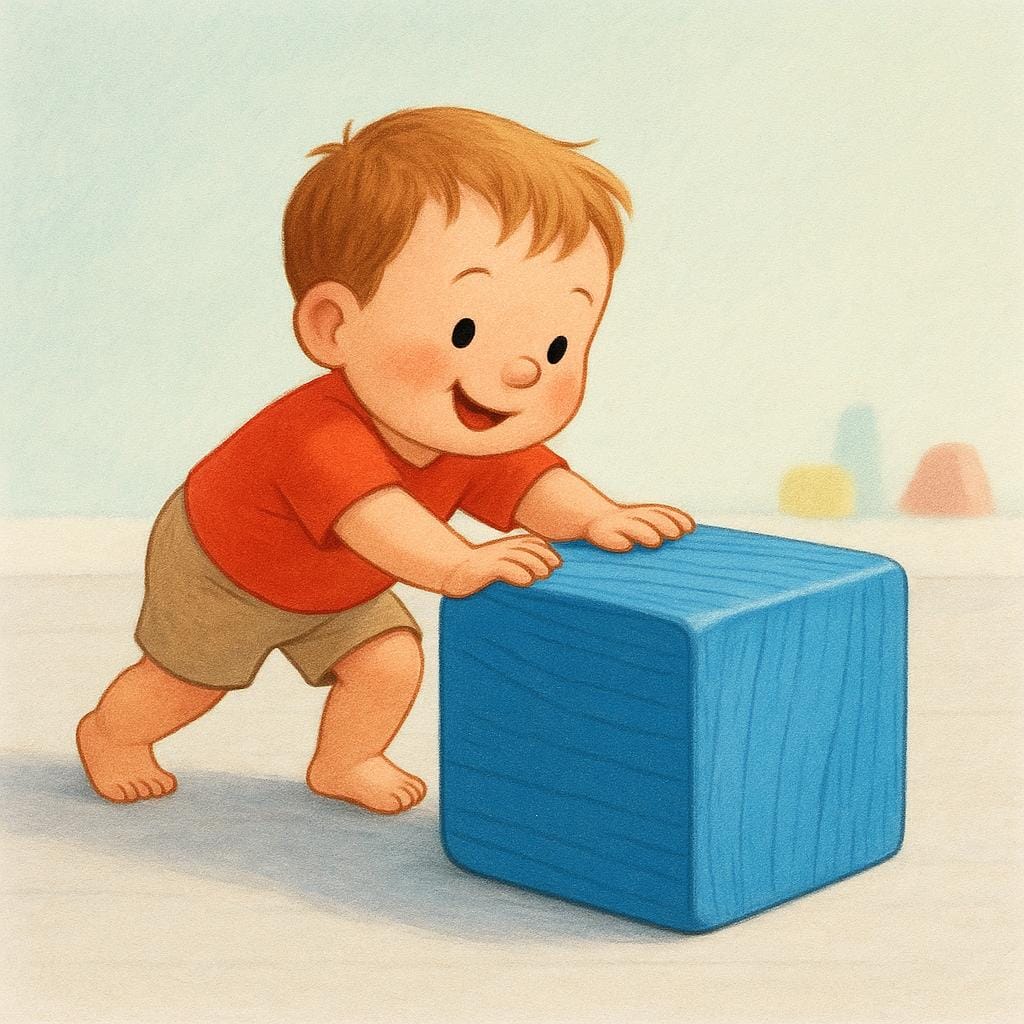
El niño empuja el coche de juguete.
The boy pushes the toy car.
¡Empuja la puerta con más fuerza!
Push the door harder!
Usted empuja el carrito mientras yo busco el pan.
You push the cart while I look for the bread. (Formal usage)
Dual Role of 'Empuja'
This single word can mean 'He/She/You (formal) pushes' (statement) OR 'Push!' (a direct command to a friend using 'tú'). Context is key!
Confusing Push and Pull
Mistake: “Using 'empujar' when you mean 'tirar' or 'jalar' (to pull).”
Correction: Remember the sign on the door: PULL is usually 'Tire' or 'Jale', PUSH is 'Empuje' (formal command).
puja
poo-hahˈpuxa

Examples
Ella siempre puja fuerte en las subastas de arte.
She always bids high in art auctions.
El deportista puja por superar su propio récord.
The athlete strives to break his own record.
¡Puja con fuerza!
Push hard! (often used in medical contexts like childbirth)
Present Tense or Command?
The word 'puja' can mean 'he/she bids' but also acts as a command to a friend: 'Puja!' (Bid! or Push!).
Pujar vs. Empujar
Mistake: “Saying 'puja la puerta' to mean 'push the door'.”
Correction: Say 'empuja la puerta'. 'Pujar' is for internal effort or bidding money, not for moving objects.
General Pushing vs. Straining/Bidding
Learn Spanish with Inklingo
Interactive stories, personalized learning, and more.