How to Say "push" in Spanish
The most common Spanish word for “push” is “empuja” — use this when giving a direct command to one person (tú form) to apply physical force, or to describe a simple action of pushing something.
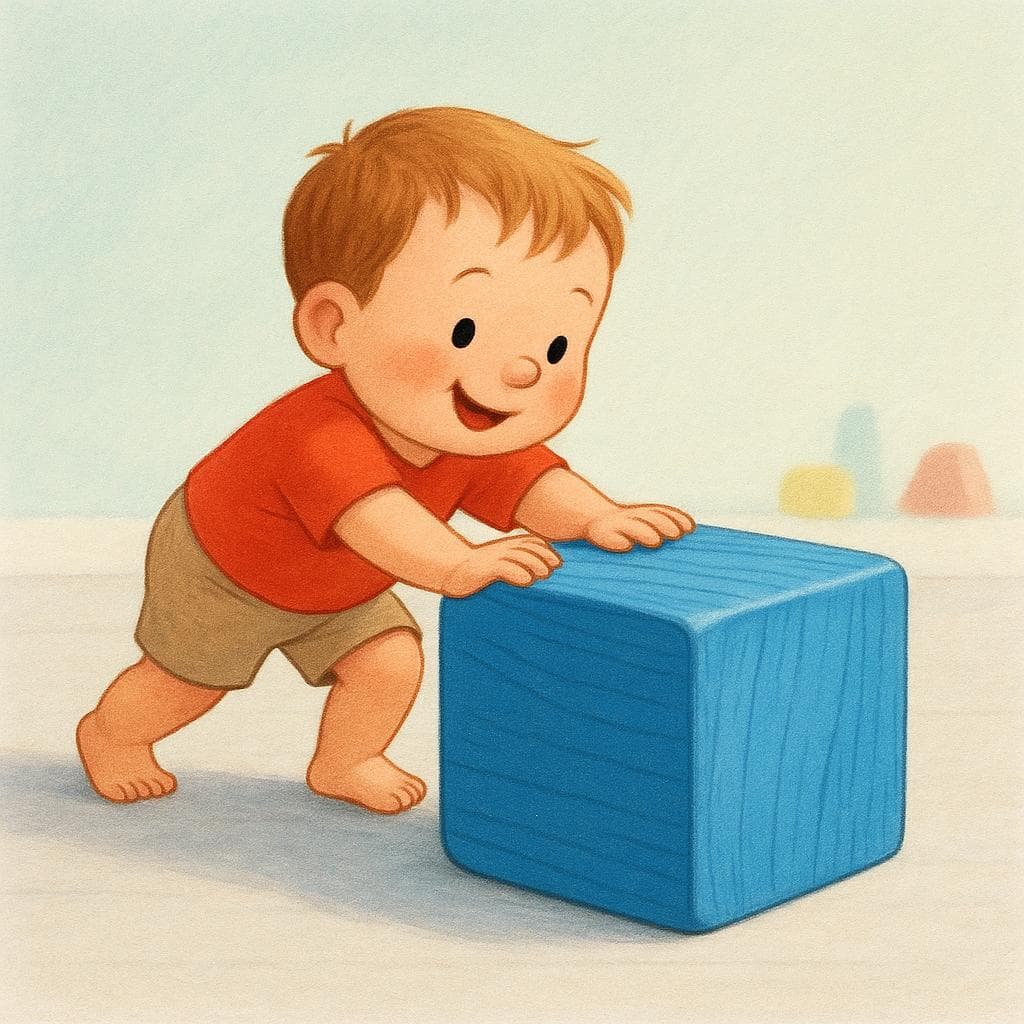

empuja
em-POO-hahemˈpu.xa
Examples
¡Empuja la puerta para abrirla!
Push the door to open it!
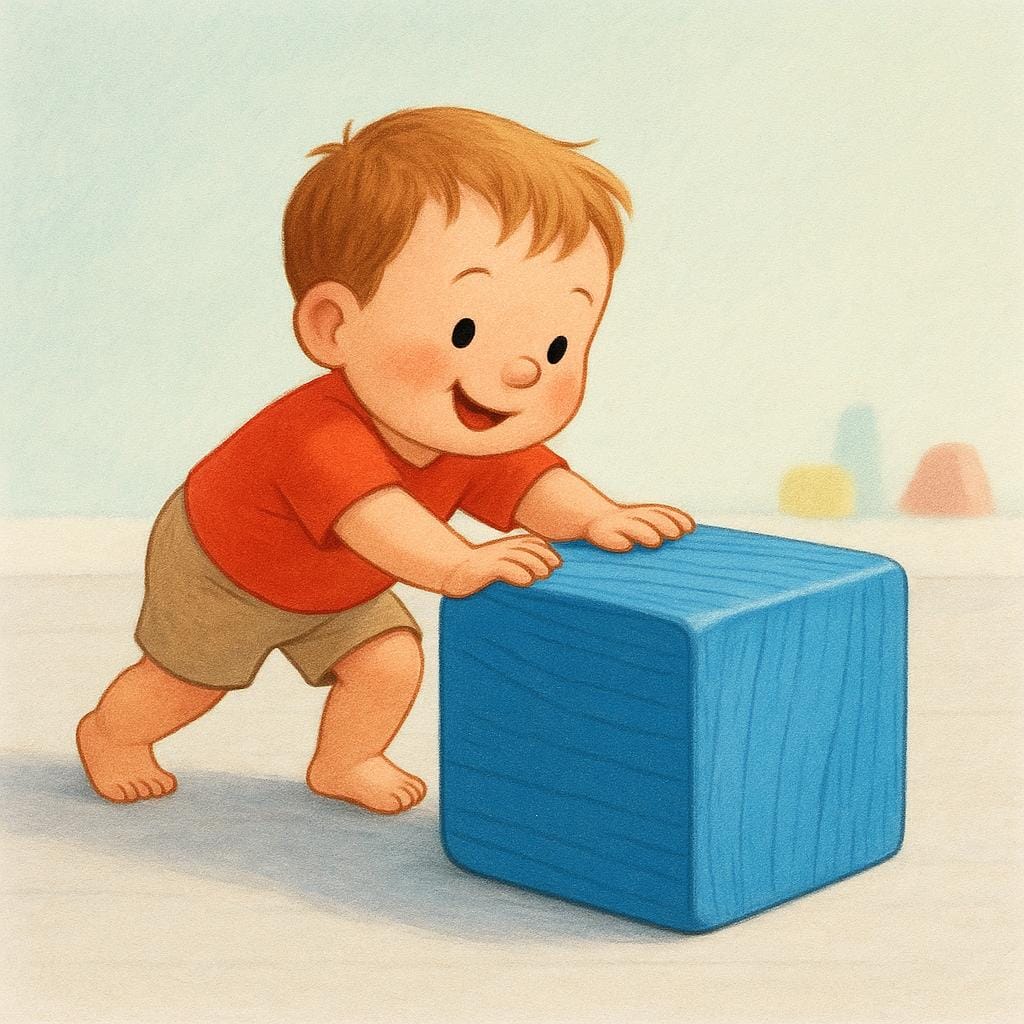
El niño empuja el coche de juguete.
The boy pushes the toy car.
¡Empuja la puerta con más fuerza!
Push the door harder!
Usted empuja el carrito mientras yo busco el pan.
You push the cart while I look for the bread. (Formal usage)
Dual Role of 'Empuja'
This single word can mean 'He/She/You (formal) pushes' (statement) OR 'Push!' (a direct command to a friend using 'tú'). Context is key!
Confusing Push and Pull
Mistake: “Using 'empujar' when you mean 'tirar' or 'jalar' (to pull).”
Correction: Remember the sign on the door: PULL is usually 'Tire' or 'Jale', PUSH is 'Empuje' (formal command).
empujón
Examples
Recibí un empujón inesperado y casi pierdo el equilibrio.
I received an unexpected shove and almost lost my balance.
empuje
em-POO-hehemˈpu.xe

Examples
El cohete necesita un gran empuje para despegar.
The rocket needs a great push/thrust to take off.
Necesitamos a una persona con mucho empuje para liderar este equipo.
We need a person with a lot of drive to lead this team.
El empuje del agua rompió la pared de madera.
The push of the water broke the wooden wall.
Su carrera profesional ha cobrado un nuevo empuje este año.
His professional career has gained new momentum this year.
Always Masculine
Even though it ends in 'e', this word is always masculine: 'el empuje'.
Noun vs. Action
Use 'empuje' to talk about the quality of being energetic or the general force of something. Use 'empujón' for a single, physical shove.
Wishes and Commands
This 'e' ending for an -AR verb usually signals that you are giving a polite command or expressing a hope/doubt.
Empuje vs. Empujón
Mistake: “Me dio un empuje en la fila.”
Correction: Me dio un empujón en la fila. (Use 'empujón' for a physical shove by a person).
Wrong Ending
Mistake: “Espero que él empuja.”
Correction: Espero que él empuje. (When you say 'I hope that...', the verb ending often swaps from 'a' to 'e' for -AR verbs).
impulso
eem-POOL-sohimˈpulso
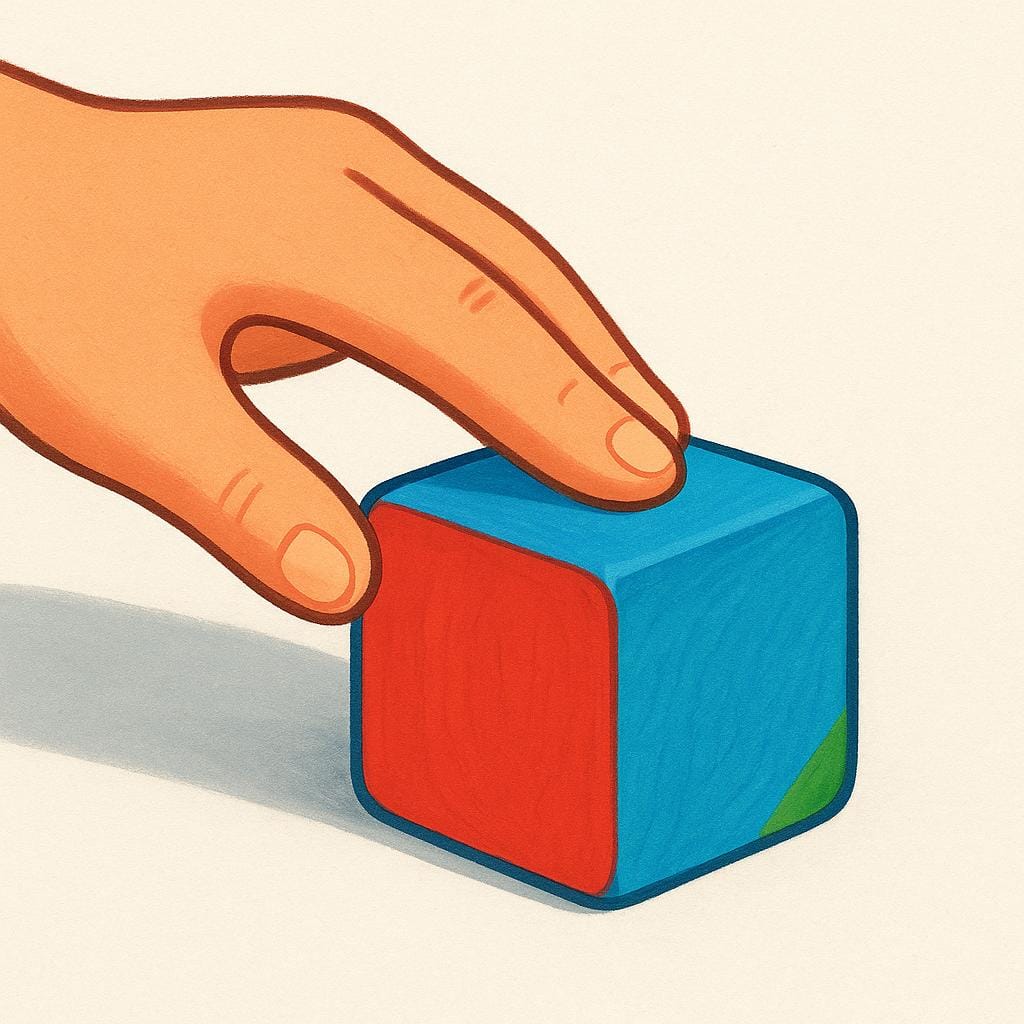
Examples
El corredor necesitó un último impulso para ganar la carrera.
The runner needed a final push/surge to win the race.
Necesitas un buen impulso para saltar esa barrera.
You need a good push/spring to jump that barrier.
El cohete tomó impulso y se elevó al cielo.
The rocket gathered thrust and rose into the sky.
Physical Action
When describing physical action, 'impulso' refers to the initial, sudden force that sets something in motion.
Examples
La campaña publicitaria tuvo mucho éxito.
The advertising campaign was very successful.
ofensiva
o-fen-SEE-baho.fenˈsi.βa
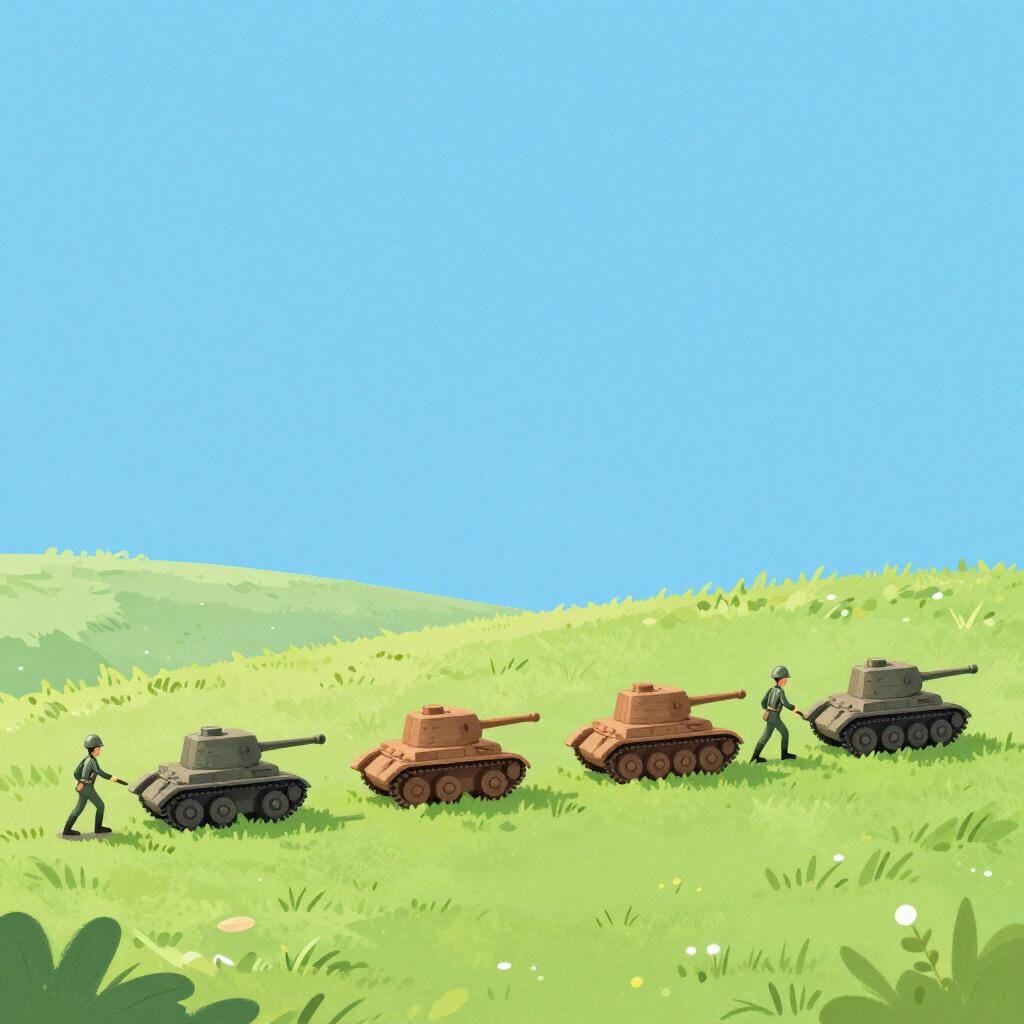
Examples
La nueva ofensiva de la empresa busca capturar más mercado.
The company's new push/offensive aims to capture more market share.
El ejército lanzó una gran ofensiva al amanecer.
The army launched a major offensive at dawn.
El equipo de fútbol tiene una ofensiva muy rápida.
The soccer team has a very fast offensive (attack).
La empresa inició una ofensiva publicitaria para ganar clientes.
The company started a marketing push to win customers.
Using 'ofensiva' as a noun
This word is always feminine when it refers to an attack or a campaign. You will almost always see it with the article 'la' or 'una'.
Confusing 'empujar' with 'empujón' and 'empuje'
Learn Spanish with Inklingo
Interactive stories, personalized learning, and more.