How to Say "reckless" in Spanish
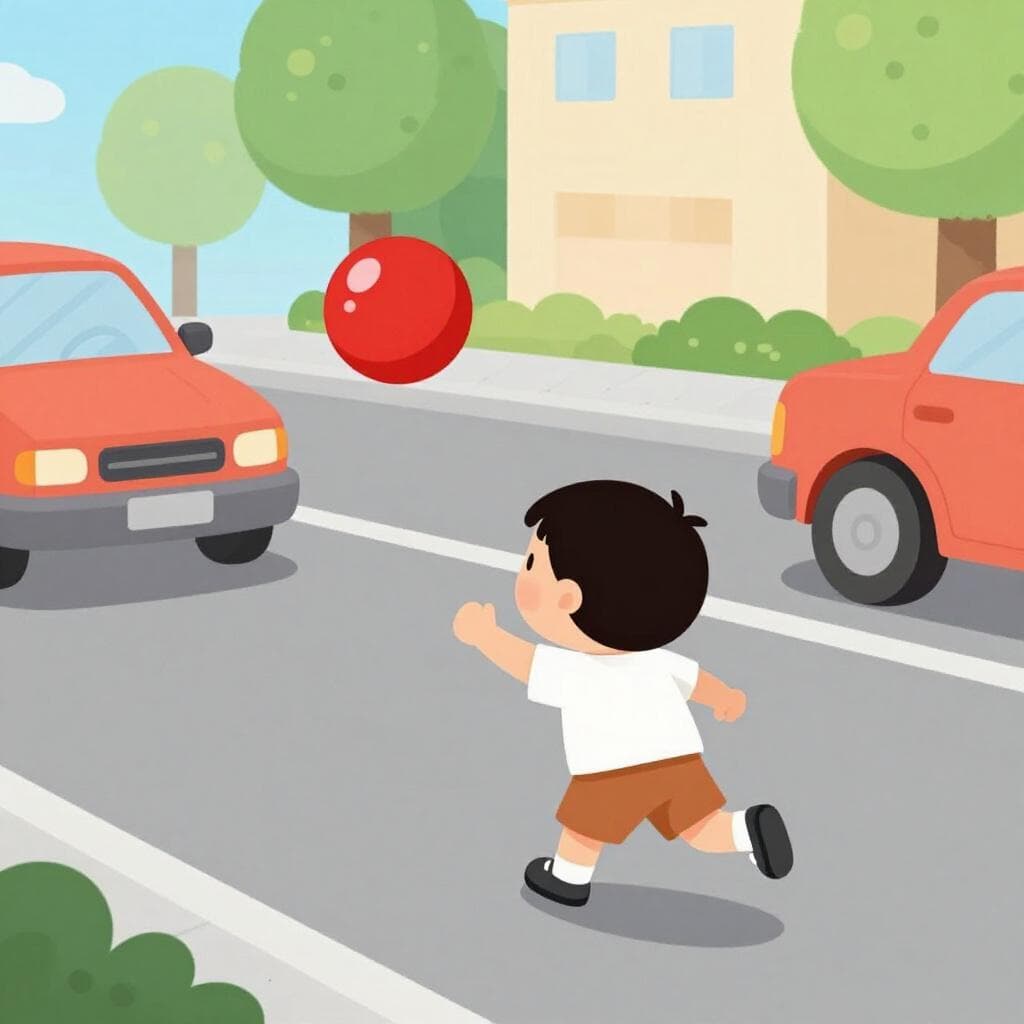
The most common Spanish word for “reckless” is “irresponsable” — use this when someone acts without considering the consequences or their duties, often in a general sense of not being dependable.




irresponsable
ee-rreh-spon-SAH-blehiresponˈsaβle

Examples
No seas irresponsable y haz tu tarea.
Don't be irresponsible and do your homework.
Fue una decisión irresponsable dejar la puerta abierta.
It was an irresponsible decision to leave the door open.
Su conducta irresponsable al volante puso a todos en peligro.
His reckless behavior behind the wheel put everyone in danger.
One word for everyone
This word doesn't change for men or women. Whether you are talking about 'él' (him) or 'ella' (her), the word stays 'irresponsable'.
Where to put it
In Spanish, you usually place this word after the person or thing you are describing, like 'un joven irresponsable'.
Don't say 'irresponsabla'
Mistake: “La niña es irresponsabla.”
Correction: La niña es irresponsable. Words ending in -e usually don't change their ending to -a for females.
imprudente
eem-proo-DEN-tehim.pɾuˈðen.te
Examples
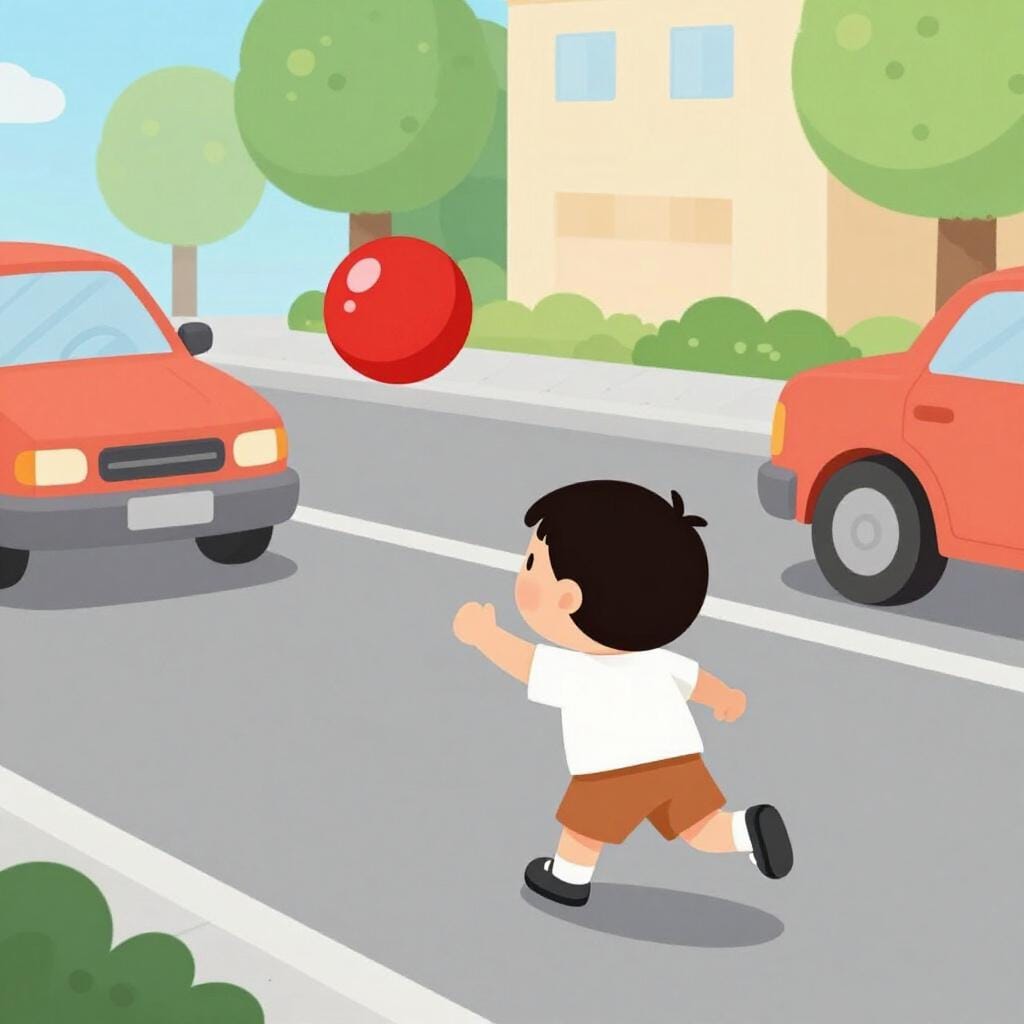
Es imprudente conducir tan rápido cuando llueve.
It is reckless to drive so fast when it rains.
Fue un comentario imprudente y le dolió a su hermana.
It was an unwise comment and it hurt his sister.
No seas imprudente, ponte el casco antes de salir.
Don't be careless, put on your helmet before leaving.
One Form for All
This word doesn't change its ending for men or women. You can say 'él es imprudente' and 'ella es imprudente' without changing a thing.
Using 'Ser' vs. 'Estar'
Use 'ser' if you are describing someone's personality (they are a reckless person). Use 'estar' if they are just acting reckless in a specific moment.
The 'O' Trap
Mistake: “Juan es imprudento.”
Correction: Juan es imprudente. Even though Juan is a man, the word always ends in 'e'.
temerario
te-me-rah-ryotemeˈɾaɾjo

Examples
El conductor temerario causó un accidente en la autopista.
The reckless driver caused an accident on the highway.
No seas temerario; es mejor esperar a que pase la tormenta.
Don't be foolhardy; it is better to wait for the storm to pass.
Su decisión temeraria puso en peligro a todo el equipo.
His rash decision put the entire team in danger.
Matching the Ending
Since this is an adjective, you must change the ending to match what you are describing: 'un hombre temerario' (a reckless man) but 'una mujer temeraria' (a reckless woman).
Describing People vs. Actions
You can use this word with 'ser' to describe a person's character (He is reckless) or with specific nouns like 'decisión' or 'plan' to describe a specific thing someone did.
Brave vs. Reckless
Mistake: “Using 'temerario' as a compliment for someone brave.”
Correction: Use 'valiente' for positive bravery. 'Temerario' usually implies that the person is being irresponsible or ignoring real danger.
animal
a-ni-'mala.niˈmal

Examples
¡Qué animal! Rompió el jarrón por no mirar.
How clumsy (or 'what an idiot')! He broke the vase because he wasn't looking.
Este conductor es muy animal, va a 140 km/h en la ciudad.
This driver is very reckless, he’s going 140 km/h in the city.
Informal Adjective Use
When used this way, animal is often used as a descriptive noun/adjective that usually means 'reckless person' or 'oaf' and is applied directly to the person being criticized.
Using the literal meaning
Mistake: “Un policía le dijo que era un animal (expecting him to be literally a non-human creature).”
Correction: This is almost always hyperbole, meaning the person is acting wildly or irresponsibly, not that they are literally a beast.
aturdido
ah-toor-DEE-dohaturˈdiðo

Examples
¡Qué aturdido eres! Has vuelto a olvidar las llaves.
How scatterbrained you are! You've forgotten the keys again.
No seas aturdido y lee las instrucciones primero.
Don't be thoughtless and read the instructions first.
Su comportamiento aturdido le causó muchos problemas.
His reckless behavior caused him many problems.
Describing Personality
When you use 'ser' with aturdido, you are saying the person is naturally scatterbrained or clumsy in their thinking.
Confusing with 'Stupid'
Mistake: “Using it to mean 'dumb'.”
Correction: Aturdido means lack of focus or thinking, not lack of intelligence.
Distinguishing between 'imprudente' and 'irresponsable'
Related Translations
Learn Spanish with Inklingo
Interactive stories, personalized learning, and more.