How to Say "recount" in Spanish
The most common Spanish word for “recount” is “recuento” — use 'recuento' when you are talking about the act of counting items again, especially to verify a previous count, like in an election.

recuento
re-KWEN-tohreˈkwento

Examples
El partido político solicitó un recuento de los votos.
The political party requested a recount of the votes.
Haremos un recuento de la mercancía el lunes por la mañana.
We will do an inventory count of the merchandise on Monday morning.
Tras el recuento, descubrimos que faltaban dos paquetes.
After the count, we discovered that two packages were missing.
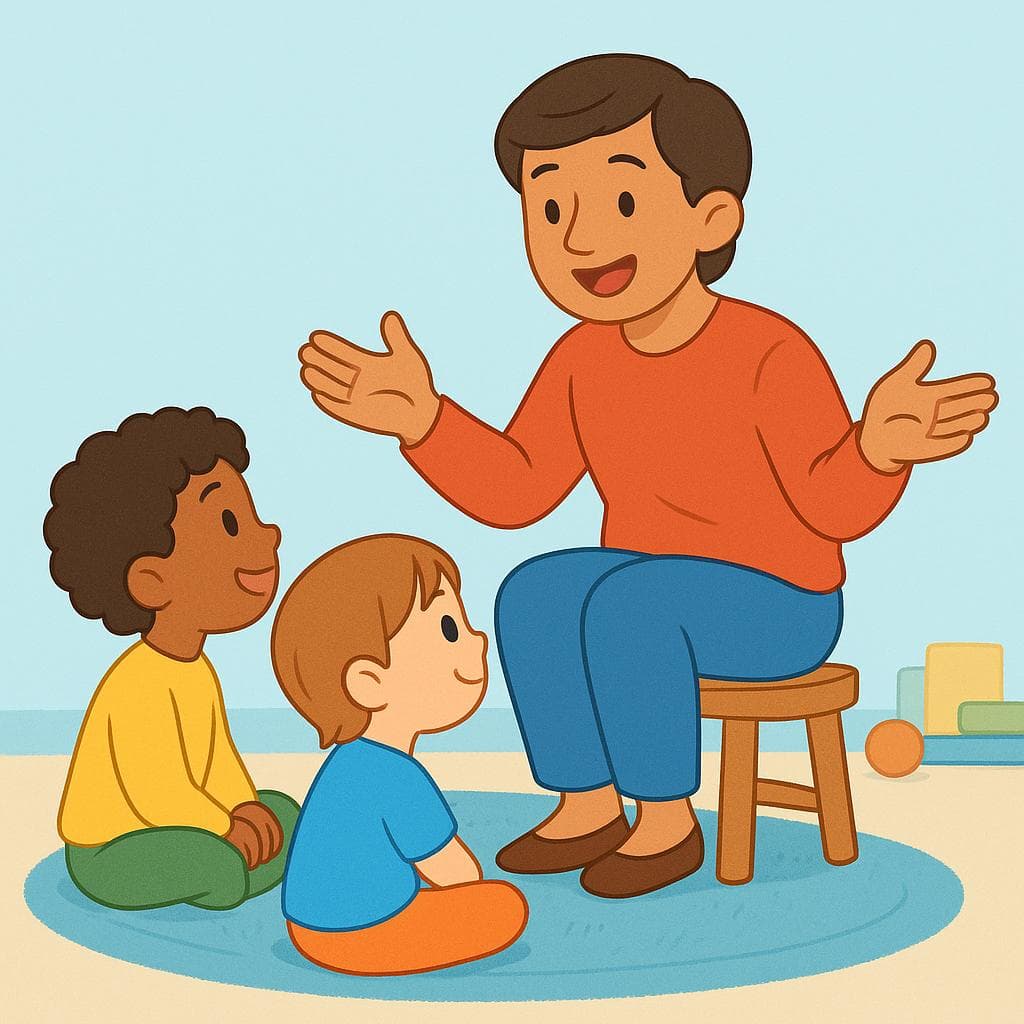
El abuelo hizo un recuento de sus aventuras en el mar.
Grandfather gave a recount of his adventures at sea.
Always Masculine
Even though it ends in 'o', remember it always takes masculine words around it, like 'el recuento' or 'un recuento'.
Action vs. Result
This word describes both the act of counting and the final number you get at the end.
Abstract Meaning
In this context, 'recuento' doesn't involve numbers, but rather a list of events told in order.
Confusing with 'Cuenta'
Mistake: “Pedir la recuento en un restaurante.”
Correction: Pedir la cuenta. Use 'cuenta' for a bill or a general account; use 'recuento' specifically for the act of counting items or votes again.
Recuento vs. Cuento
Mistake: “Escribir un recuento de hadas.”
Correction: Escribir un cuento de hadas. Use 'cuento' for a fictional story and 'recuento' for a summary of real events that happened.
recuento
re-KWEN-tohreˈkwento
Examples
El abuelo hizo un recuento de sus aventuras en el mar.
Grandfather gave a recount of his adventures at sea.
El partido político solicitó un recuento de los votos.
The political party requested a recount of the votes.
Haremos un recuento de la mercancía el lunes por la mañana.
We will do an inventory count of the merchandise on Monday morning.
Tras el recuento, descubrimos que faltaban dos paquetes.
After the count, we discovered that two packages were missing.
Always Masculine
Even though it ends in 'o', remember it always takes masculine words around it, like 'el recuento' or 'un recuento'.
Action vs. Result
This word describes both the act of counting and the final number you get at the end.
Abstract Meaning
In this context, 'recuento' doesn't involve numbers, but rather a list of events told in order.
Confusing with 'Cuenta'
Mistake: “Pedir la recuento en un restaurante.”
Correction: Pedir la cuenta. Use 'cuenta' for a bill or a general account; use 'recuento' specifically for the act of counting items or votes again.
Recuento vs. Cuento
Mistake: “Escribir un recuento de hadas.”
Correction: Escribir un cuento de hadas. Use 'cuento' for a fictional story and 'recuento' for a summary of real events that happened.
cuente
KWEN-tehˈkwen.te
Examples
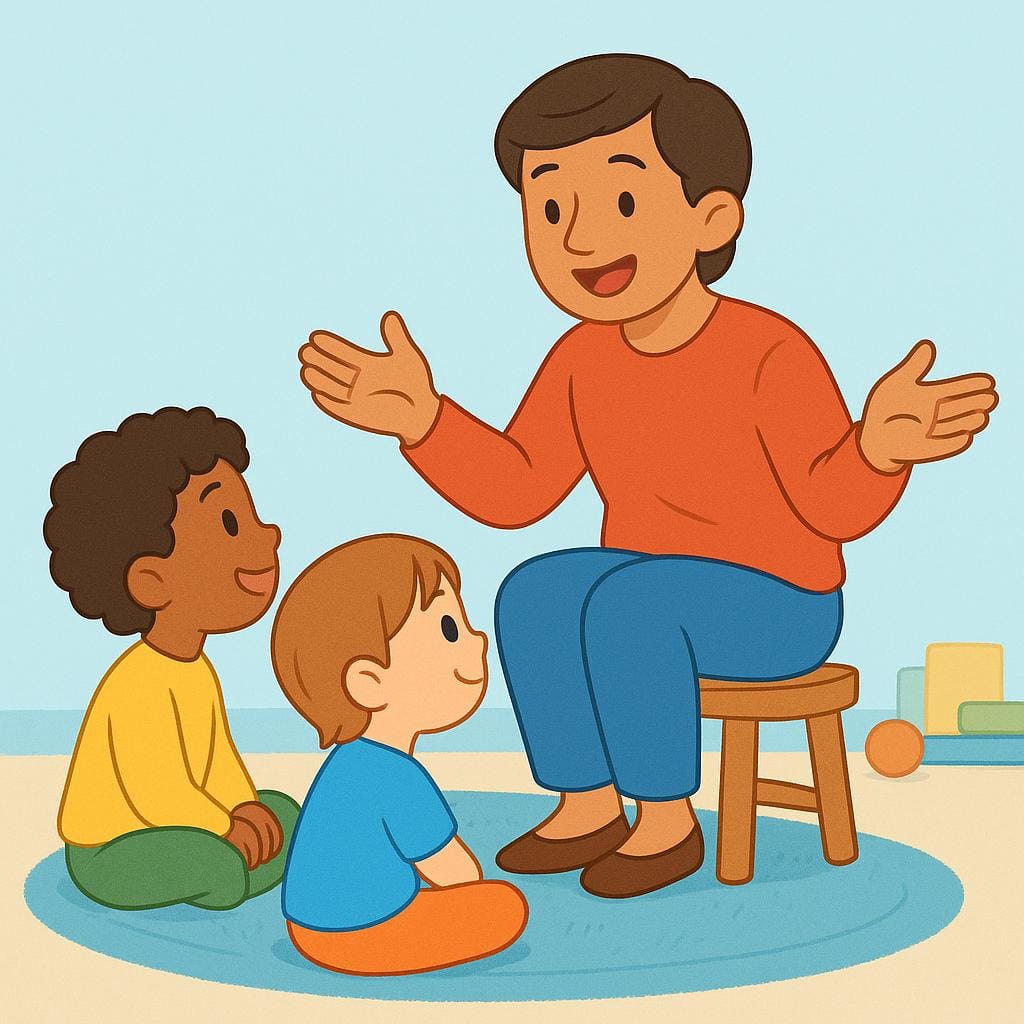
Espero que el guía nos cuente una leyenda local.
I hope the guide tells us a local legend.
No deje que le cuente chismes sobre la oficina.
Don't let him/her tell you gossip about the office.
¿Puede usted cuentarme su versión de la historia?
Can you (formal) tell me your version of the story?
Telling 'To Me'
When asking someone to tell you something, you must often attach the pronoun 'me' to the end of the command form ('Cuénteme') or place it before the conjugated verb ('Quiero que me cuente').
Noun vs. Verb: Counting vs. Telling
Related Translations
Learn Spanish with Inklingo
Interactive stories, personalized learning, and more.