How to Say "relations" in Spanish
The most common Spanish word for “relations” is “parientes” — use 'parientes' when referring to family members or relatives connected by blood or marriage.
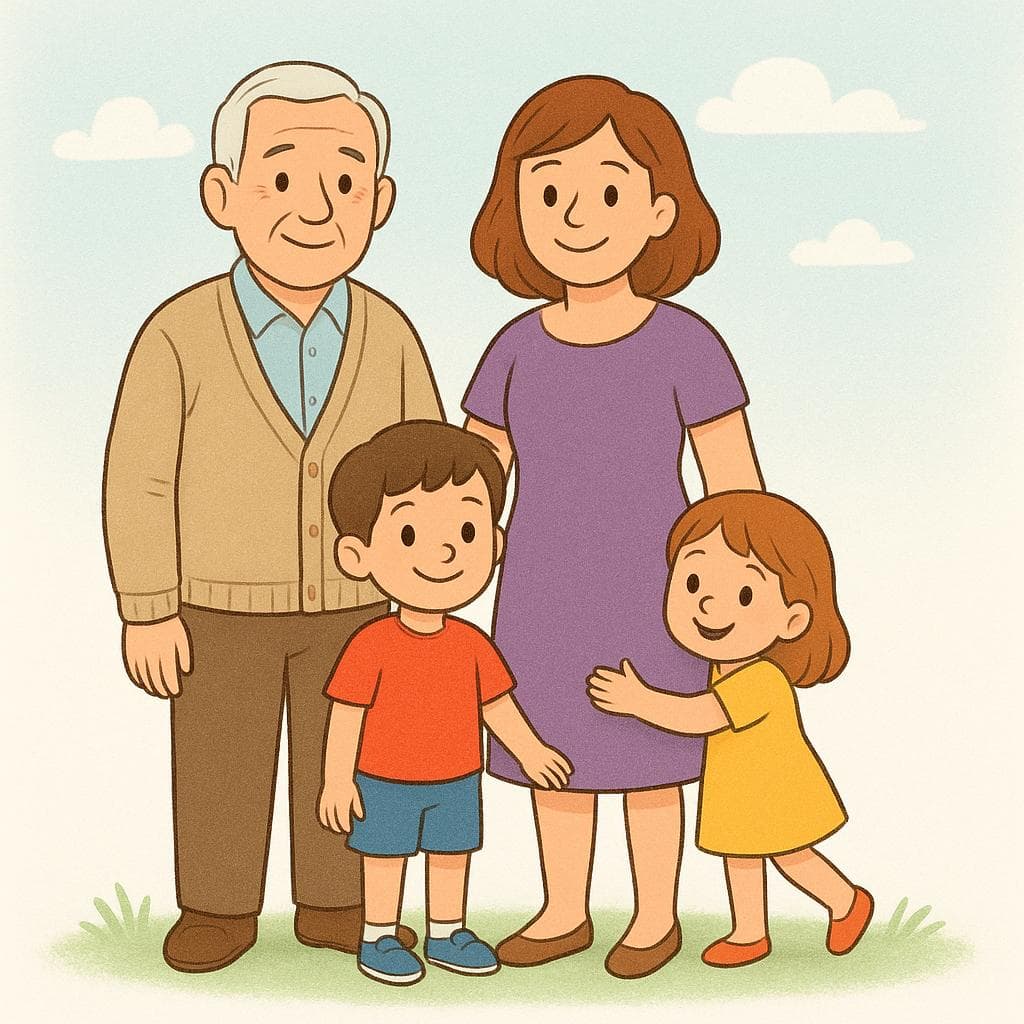
parientes
pah-RYEN-tehspaˈɾjentes

Examples
Todos mis parientes vinieron a la boda de mi hermana.
All my relatives came to my sister's wedding.
No tengo muchos parientes que vivan en esta ciudad.
I don't have many family members who live in this city.
Ella fue a visitar a sus parientes lejanos en el campo.
She went to visit her distant relations in the countryside.
The Singular Form
This word is the plural of 'pariente' (a relative). If you talk about just one person, use 'un pariente' (for a male relative) or 'una pariente' (for a female relative).
Masculine Plural for Mixed Groups
Even if the group of relatives includes women, the plural noun 'parientes' remains grammatically masculine, which is common in Spanish when referring to mixed-gender groups.
False Friend: Parents
Mistake: “Using 'parientes' when you mean 'parents'.”
Correction: While they look similar to the English word 'parents,' 'parientes' means 'relatives' generally (aunts, cousins, grandparents). The word for 'parents' (mother and father) is 'padres'.
términos
Examples
A pesar de la pelea, seguimos en buenos términos.
Despite the fight, we remain on good terms.
Family vs. Interpersonal State
Related Translations
Learn Spanish with Inklingo
Interactive stories, personalized learning, and more.