How to Say "family members" in Spanish
The most common Spanish word for “family members” is “familiares” — use 'familiares' to refer to members of your immediate or extended family, emphasizing the personal connection or household.
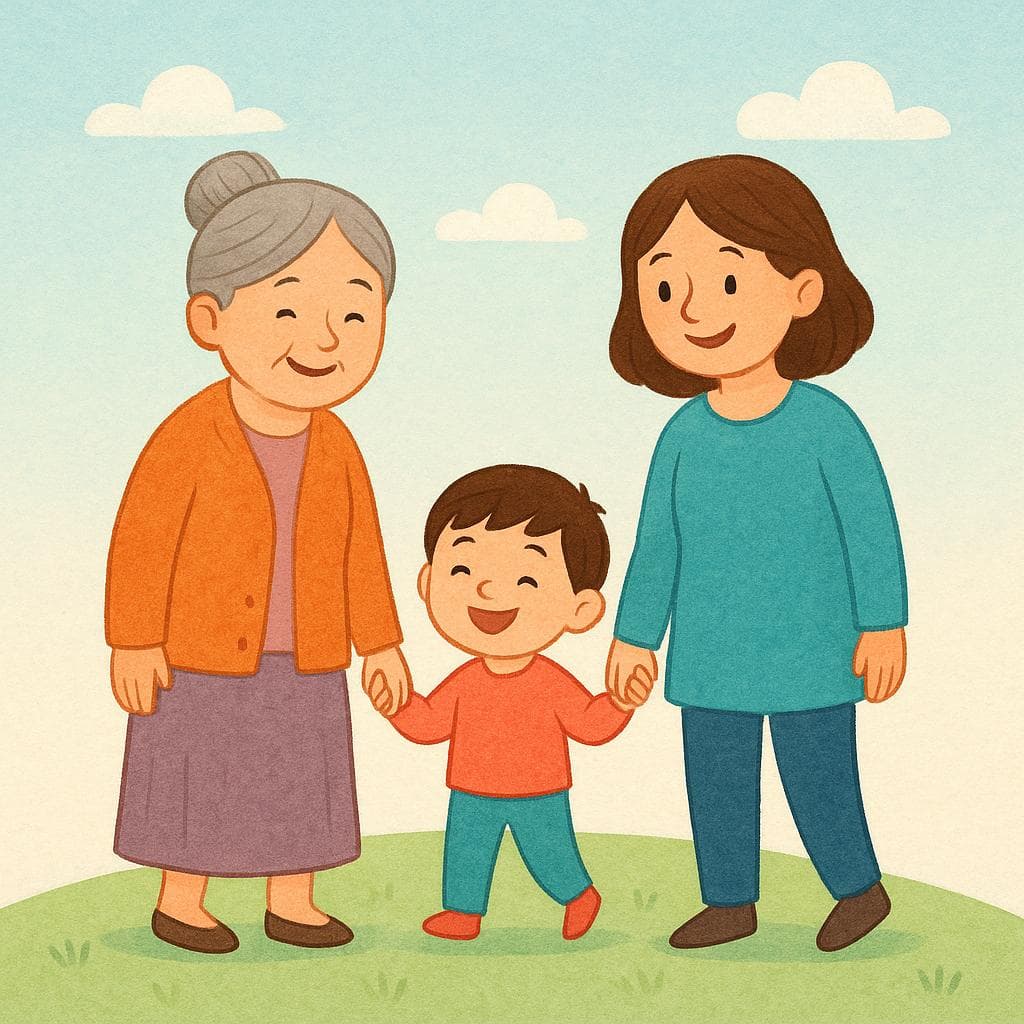
Use 'familiares' to refer to members of your immediate or extended family, emphasizing the personal connection or household.
Learn more →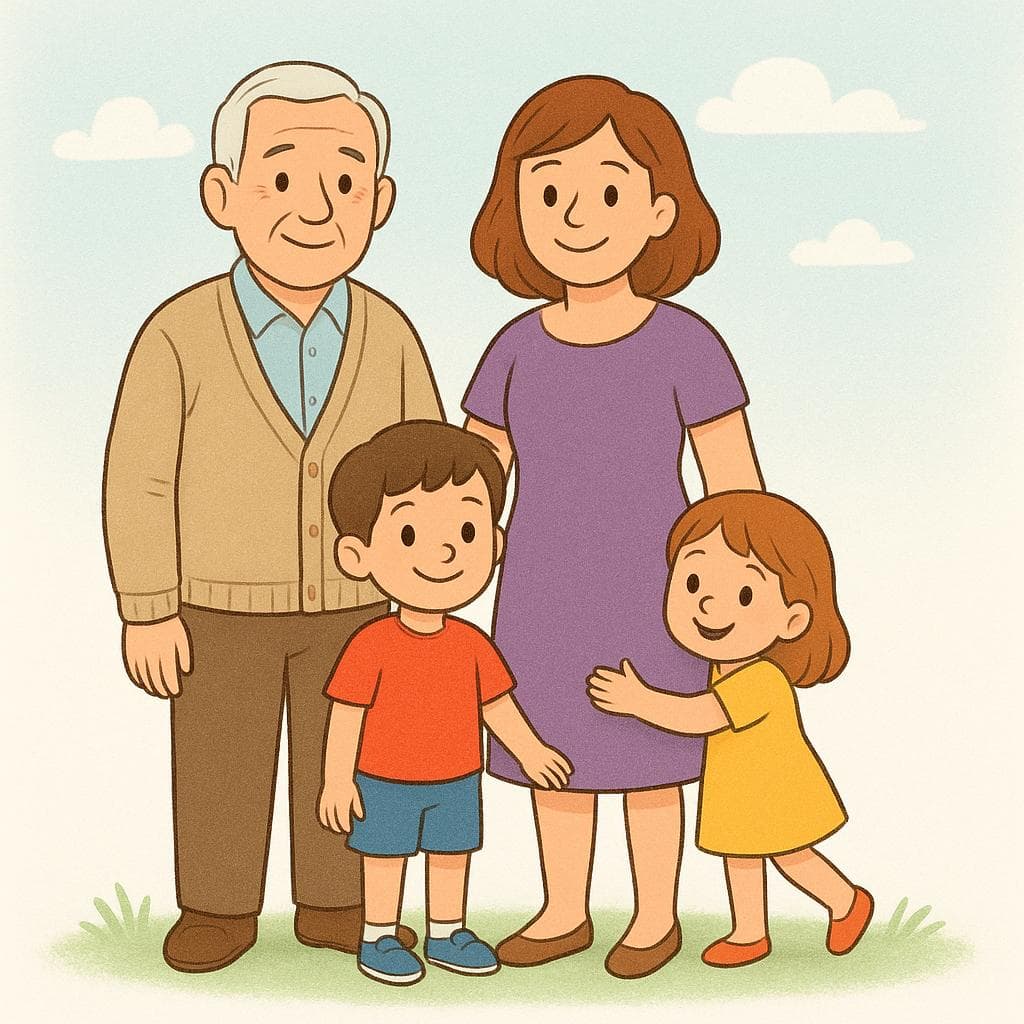
Use 'parientes' broadly to encompass all relatives, including those more distant or less frequently seen, especially in a collective sense.
Learn more →fah-mee-lee-AH-rehsfa.miˈlja.ɾes
Examples
Todos mis familiares viven en la misma ciudad.
All my relatives live in the same city.
¿Cuántos familiares asistieron a la boda?
How many family members attended the wedding?
Los familiares del paciente esperan noticias afuera.
The patient's family members are waiting outside for news.
Plural Noun Rule
Even though 'familiares' can refer to a mix of men and women, the default plural form is masculine ('los familiares'), which is standard for groups of people.
Using 'Familia' instead of 'Familiares'
Mistake: “Mis familia vienen a verme.”
Correction: Mi familia (singular group) viene a verme. OR Mis familiares (plural individuals) vienen a verme. Use 'familiares' when referring to multiple individual people.
pah-RYEN-tehspaˈɾjentes
Examples
Todos mis parientes vinieron a la boda de mi hermana.
All my relatives came to my sister's wedding.
No tengo muchos parientes que vivan en esta ciudad.
I don't have many family members who live in this city.
Ella fue a visitar a sus parientes lejanos en el campo.
She went to visit her distant relations in the countryside.
The Singular Form
This word is the plural of 'pariente' (a relative). If you talk about just one person, use 'un pariente' (for a male relative) or 'una pariente' (for a female relative).
Masculine Plural for Mixed Groups
Even if the group of relatives includes women, the plural noun 'parientes' remains grammatically masculine, which is common in Spanish when referring to mixed-gender groups.
False Friend: Parents
Mistake: “Using 'parientes' when you mean 'parents'.”
Correction: While they look similar to the English word 'parents,' 'parientes' means 'relatives' generally (aunts, cousins, grandparents). The word for 'parents' (mother and father) is 'padres'.
Familiares vs. Parientes
Learners often use 'familiares' and 'parientes' interchangeably without realizing 'familiares' can imply closer ties, while 'parientes' is a broader term for all relatives. Think of 'familiares' as those you might see regularly or who are part of your immediate circle, and 'parientes' for the wider family tree.
Related Translations
Learn Spanish with Inklingo
Interactive stories, personalized learning, and more.