How to Say "relatives" in Spanish
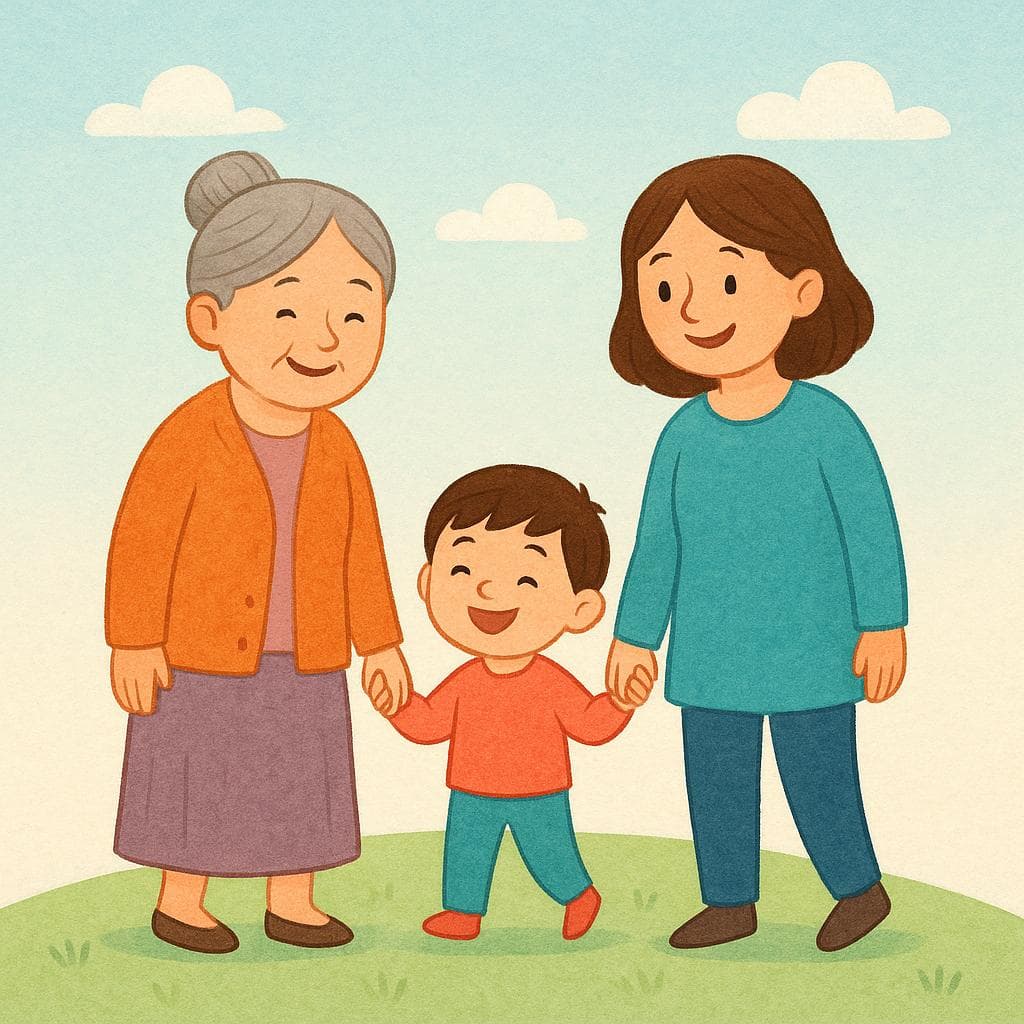
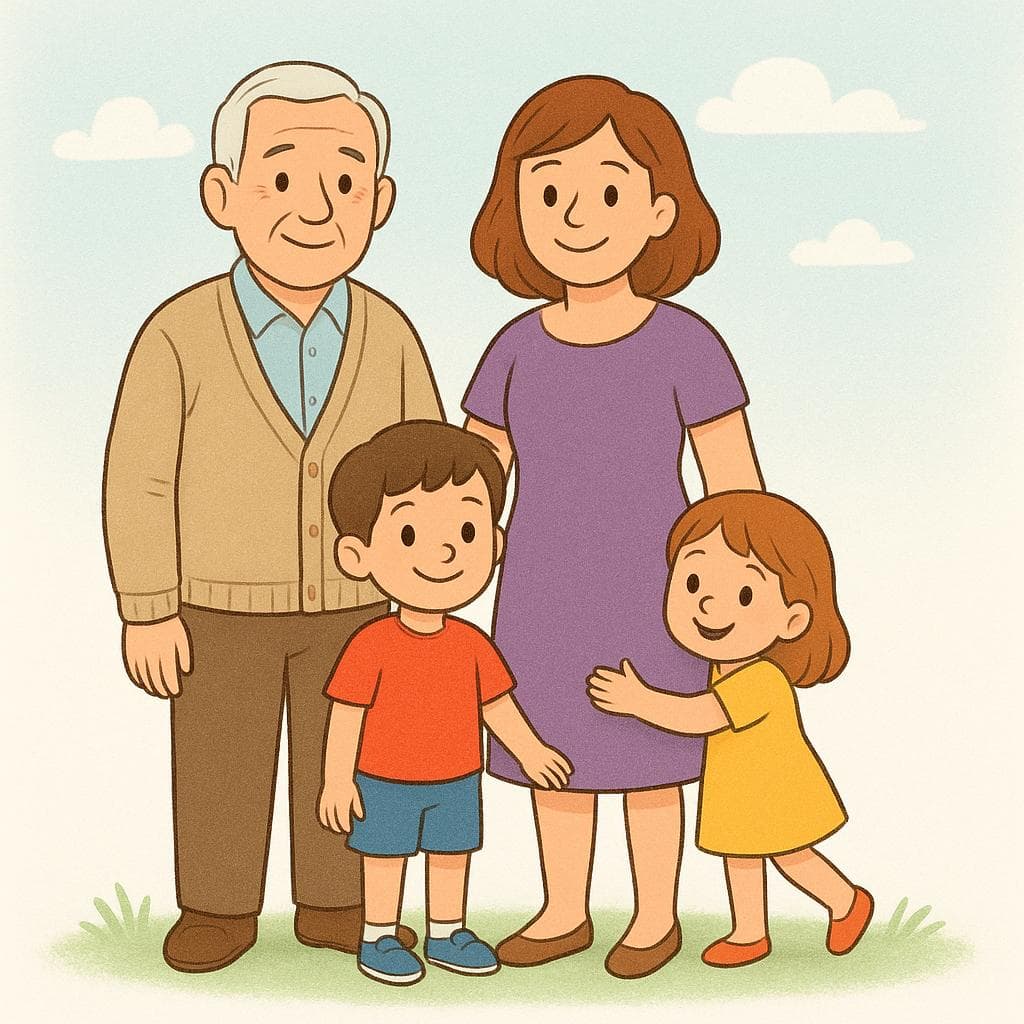
The most common Spanish word for “relatives” is “familiares” — use 'familiares' when referring to people connected by blood or marriage, emphasizing the family unit or household.

familiares
fah-mee-lee-AH-rehsfa.miˈlja.ɾes
Examples
Todos mis familiares viven en la misma ciudad.
All my relatives live in the same city.
¿Cuántos familiares asistieron a la boda?
How many family members attended the wedding?
Los familiares del paciente esperan noticias afuera.
The patient's family members are waiting outside for news.
Plural Noun Rule
Even though 'familiares' can refer to a mix of men and women, the default plural form is masculine ('los familiares'), which is standard for groups of people.
Using 'Familia' instead of 'Familiares'
Mistake: “Mis familia vienen a verme.”
Correction: Mi familia (singular group) viene a verme. OR Mis familiares (plural individuals) vienen a verme. Use 'familiares' when referring to multiple individual people.
parientes
pah-RYEN-tehspaˈɾjentes
Examples
Todos mis parientes vinieron a la boda de mi hermana.
All my relatives came to my sister's wedding.
No tengo muchos parientes que vivan en esta ciudad.
I don't have many family members who live in this city.
Ella fue a visitar a sus parientes lejanos en el campo.
She went to visit her distant relations in the countryside.
The Singular Form
This word is the plural of 'pariente' (a relative). If you talk about just one person, use 'un pariente' (for a male relative) or 'una pariente' (for a female relative).
Masculine Plural for Mixed Groups
Even if the group of relatives includes women, the plural noun 'parientes' remains grammatically masculine, which is common in Spanish when referring to mixed-gender groups.
False Friend: Parents
Mistake: “Using 'parientes' when you mean 'parents'.”
Correction: While they look similar to the English word 'parents,' 'parientes' means 'relatives' generally (aunts, cousins, grandparents). The word for 'parents' (mother and father) is 'padres'.
tíos
Examples
Todos mis tíos vinieron a la boda, incluyendo mi tía Marta.
All my aunts and uncles came to the wedding, including my Aunt Marta.
propios
pro-piosˈpɾopjos

Examples
Los propios de la región no quieren cambios.
The people native to the region do not want changes.
Llevó a cabo la misión junto a los suyos y sus propios.
He carried out the mission alongside his people and his relatives.
Adjective acting as Noun
When you put a definite article (like 'los') or a possessive word (like 'sus') in front of 'propios,' it stops being an adjective and starts acting like a noun, standing in for 'my people' or 'my things'.
Familiares vs. Parientes
Learn Spanish with Inklingo
Interactive stories, personalized learning, and more.