How to Say "residence" in Spanish
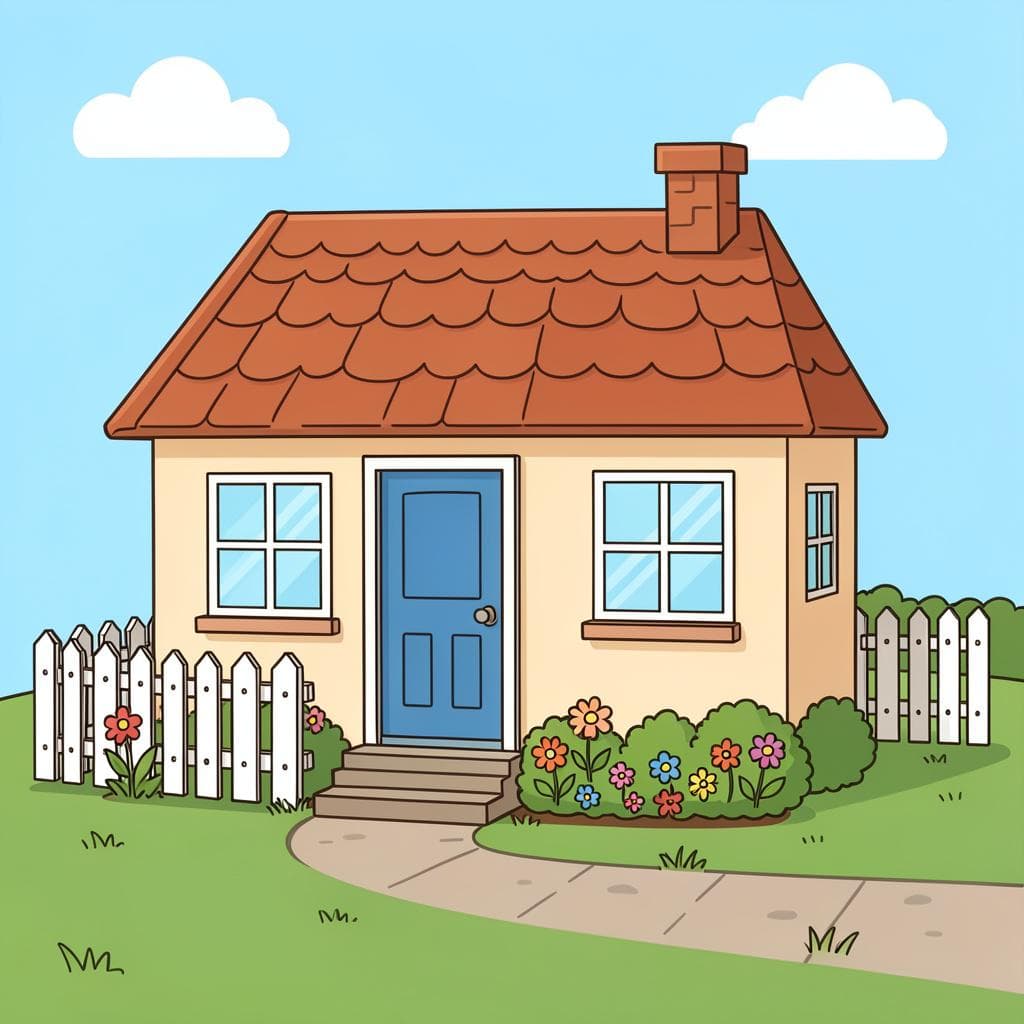
The most common Spanish word for “residence” is “residencia” — use 'residencia' when referring to the general place where someone lives or has their main home, without necessarily implying a legal or official status.

residencia
reh-see-DEN-see-ahresiˈðenθja

Examples
Su residencia principal está en la capital.
Their main residence is in the capital.
Necesitamos la dirección de su residencia para enviarle el paquete.
We need the address of your residence to send you the package.
El presidente se mudó a su residencia oficial.
The president moved to his official residence.
Always Feminine
Remember that 'residencia' is always a feminine word, so you must use feminine articles and adjectives with it (e.g., 'la residencia', 'una residencia grande').
Confusing with 'Hogar'
Mistake: “Usando 'residencia' cuando se refiere a un sentido emocional de hogar.”
Correction: Use 'hogar' (home) when talking about the feeling of comfort and belonging, and 'residencia' for the physical location or official address.
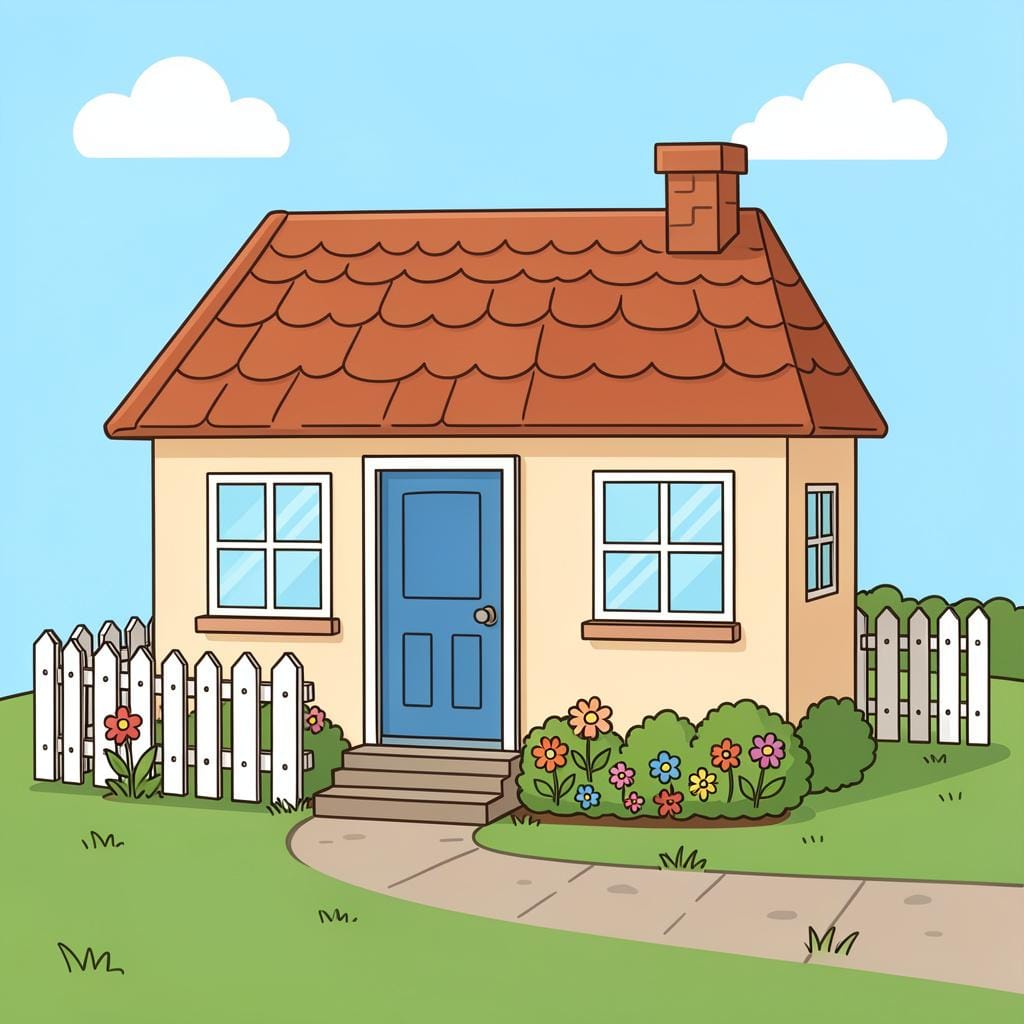
domicilio
doh-mee-SEE-lyohdomiˈsiljo
Examples
Por favor, escriba su domicilio actual en el formulario.
Please write your current home address on the form.
El sospechoso no se encontraba en su domicilio.
The suspect was not at his residence.
Gender and Number
It is a masculine noun. Always use 'el' or 'un'. To make it plural, just add an 's': 'los domicilios'.
Domicilio vs. Casa
Mistake: “Using 'domicilio' to sound cozy.”
Correction: Use 'casa' or 'hogar' for a warm, personal 'home.' Use 'domicilio' for paperwork, deliveries, or official talk.
Domicilio vs. Residencia
Related Translations
Learn Spanish with Inklingo
Interactive stories, personalized learning, and more.