How to Say "save" in Spanish
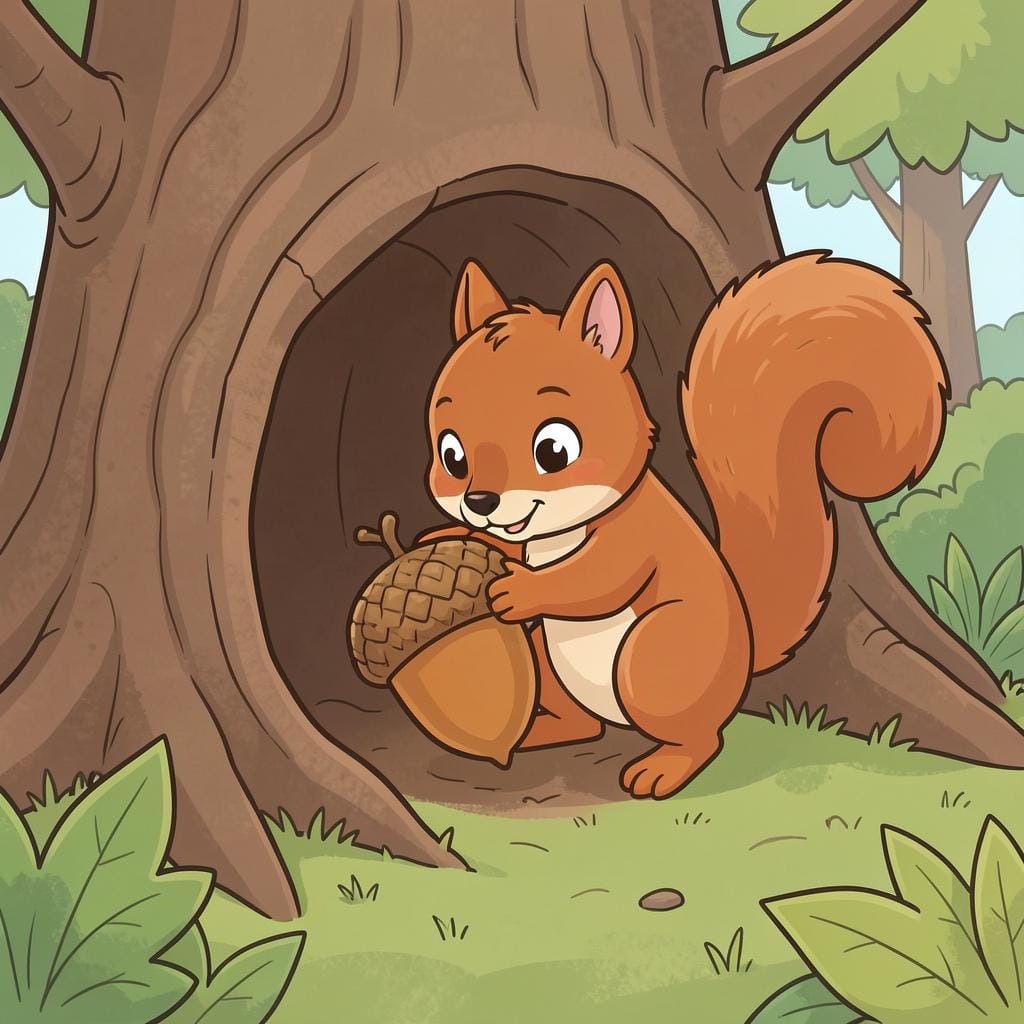
The most common Spanish word for “save” is “guarde” — use this when you are telling someone to keep or store something for future use, like documents or food.
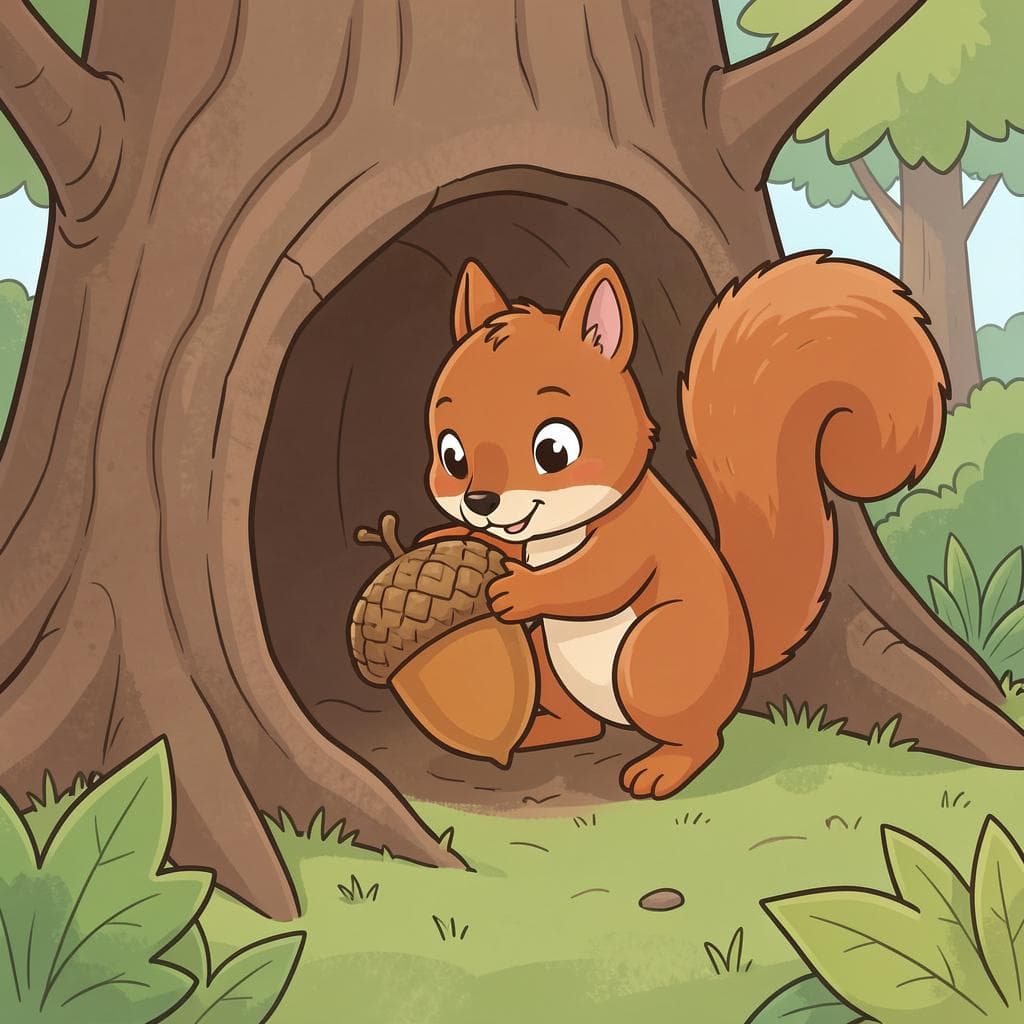




guarde
GWAHR-dehˈɡwaɾðe
Examples
Por favor, guarde estos documentos en la caja fuerte.
Please, save/keep these documents in the safe.
Guarde silencio, por favor.
Keep quiet, please.
Espero que él guarde mi secreto.
I hope that he keeps my secret.
The 'Polite' Command
Use 'guarde' when you want to tell someone politely (using 'usted') to put something away or save it. It sounds much more respectful than 'guarda'.
Expressing Wishes
This form is used after words like 'quiero que' (I want that) or 'espero que' (I hope that) to talk about what you want someone else to do.
The 'Usted' Mix-up
Mistake: “Saying 'Guarda el dinero' to a boss or stranger.”
Correction: Say 'Guarde el dinero'. 'Guarda' is only for friends and family; 'guarde' is the polite version.
salva
SAHL-vahˈsalβa
Examples
Mi hermana siempre salva la comida que sobra.
My sister always saves the leftover food.
¡Salva los documentos antes de apagar la computadora!
Save the documents before turning off the computer!
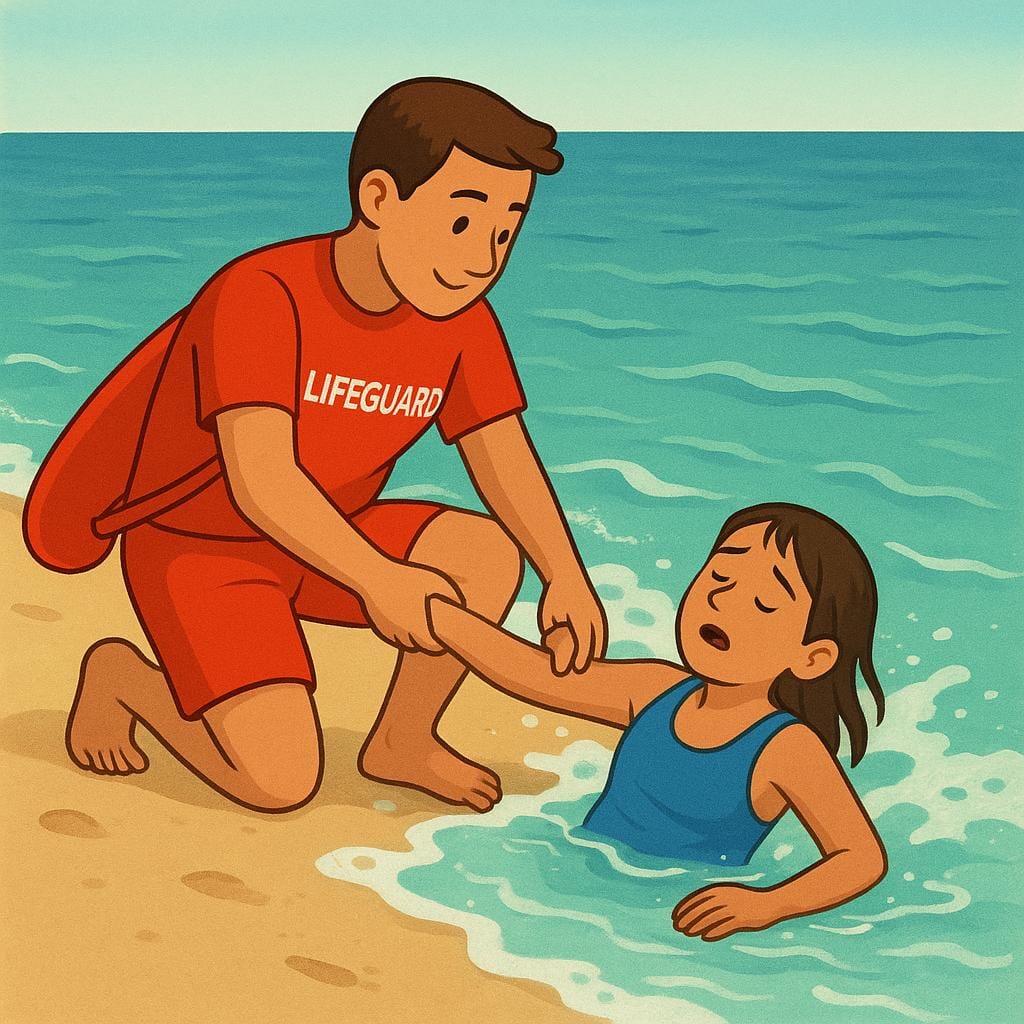
El equipo médico salva vidas a diario.
The medical team saves lives daily.
Tú Command Form
When giving a direct, informal command to 'tú' (you), use the same form as the 'él/ella/usted' present tense: ¡Salva! (Save!)
Confusing Imperative Forms
Mistake: “Using 'salvas' as a command.”
Correction: The command form is shorter: '¡Salva el trabajo!' (Save the work!)
grabar
grah-BAHRɡraˈβaɾ

Examples
¿Puedes grabar el partido de fútbol para verlo después?
Can you record the soccer game so we can watch it later?
Estoy grabando un mensaje de voz para mi madre.
I am recording a voice message for my mother.
Asegúrate de grabar todos los cambios en el documento.
Make sure to save all the changes in the document.
Simple Conjugation
Since 'grabar' is a regular '-ar' verb, you can use its endings as a template for hundreds of other common verbs like 'hablar' (to talk) and 'cantar' (to sing).
guardado
gwar-DAH-dohgwaɾˈðaðo

Examples
Asegúrate de hacer un guardado rápido antes de apagar la consola.
Make sure to make a quick save before turning off the console.
Cargué el último guardado y volví al nivel anterior.
I loaded the last save and went back to the previous level.
Verb to Noun Conversion
In Spanish, the past participle of a verb (like 'guardado') can often be used as a masculine noun by putting 'el' in front of it, describing the result or action itself. (e.g., 'El guardado' means 'The action of saving' or 'The saved thing').
salve
sal-veˈsal.βe

Examples
Espero que alguien salve la situación antes de que sea tarde.
I hope that someone saves the situation before it's too late.
¡Salve usted la copia de seguridad ahora mismo!
Save the backup copy right now! (Formal command)
Dudo que él salve el examen sin estudiar.
I doubt that he passes (saves) the exam without studying.
Using the Subjunctive Form
You use 'salve' (the subjunctive form) when you express uncertainty, wishes, or emotions about someone else performing the action: 'Espero que él salve...' (I hope that he saves...).
Formal Commands
'Salve' is the polite, formal way to tell someone (usted) to save or rescue something: '¡Salve la foto!' (Save the photo!).
Confusing Indicative and Subjunctive
Mistake: “Dudo que él salva el día.”
Correction: Dudo que él salve el día. (You need the special subjunctive form after expressions of doubt like 'dudar'.)
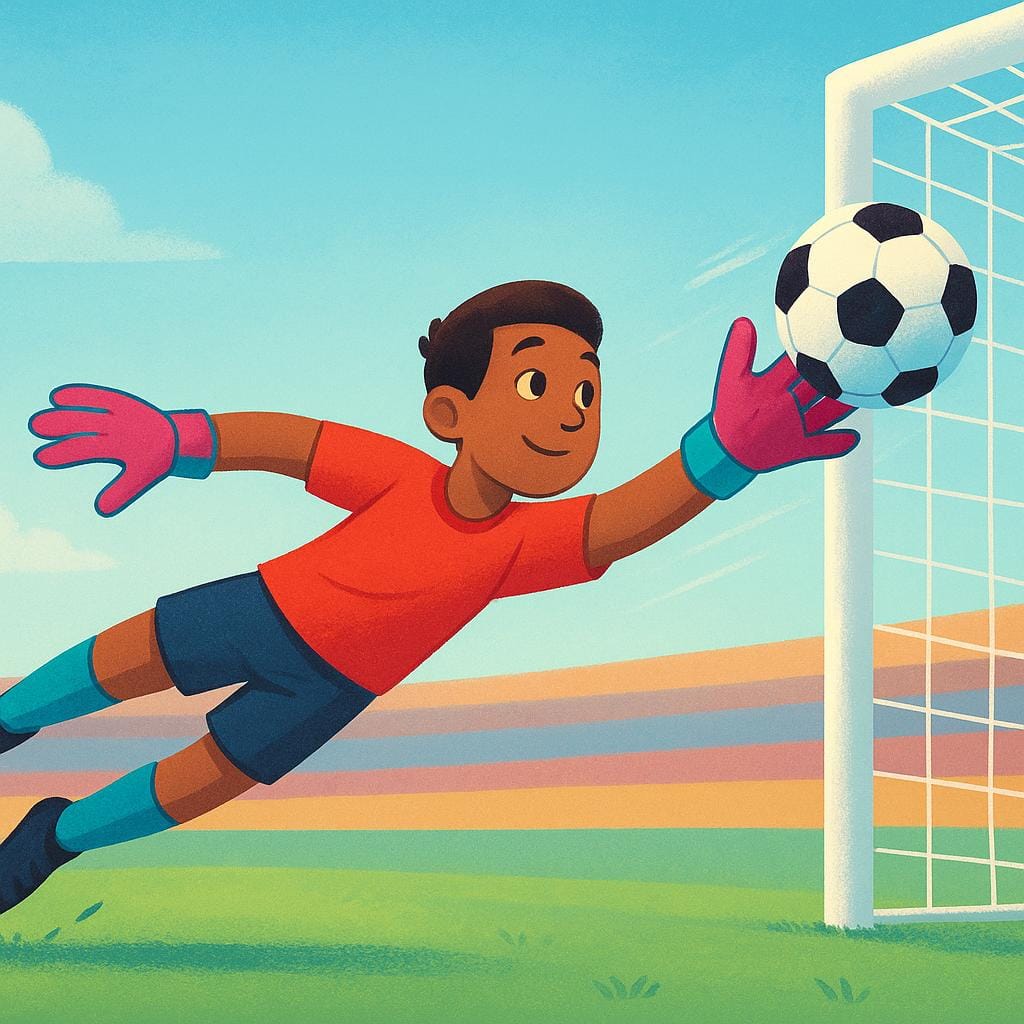
parada
pah-RAH-dahpaˈɾaða
Examples
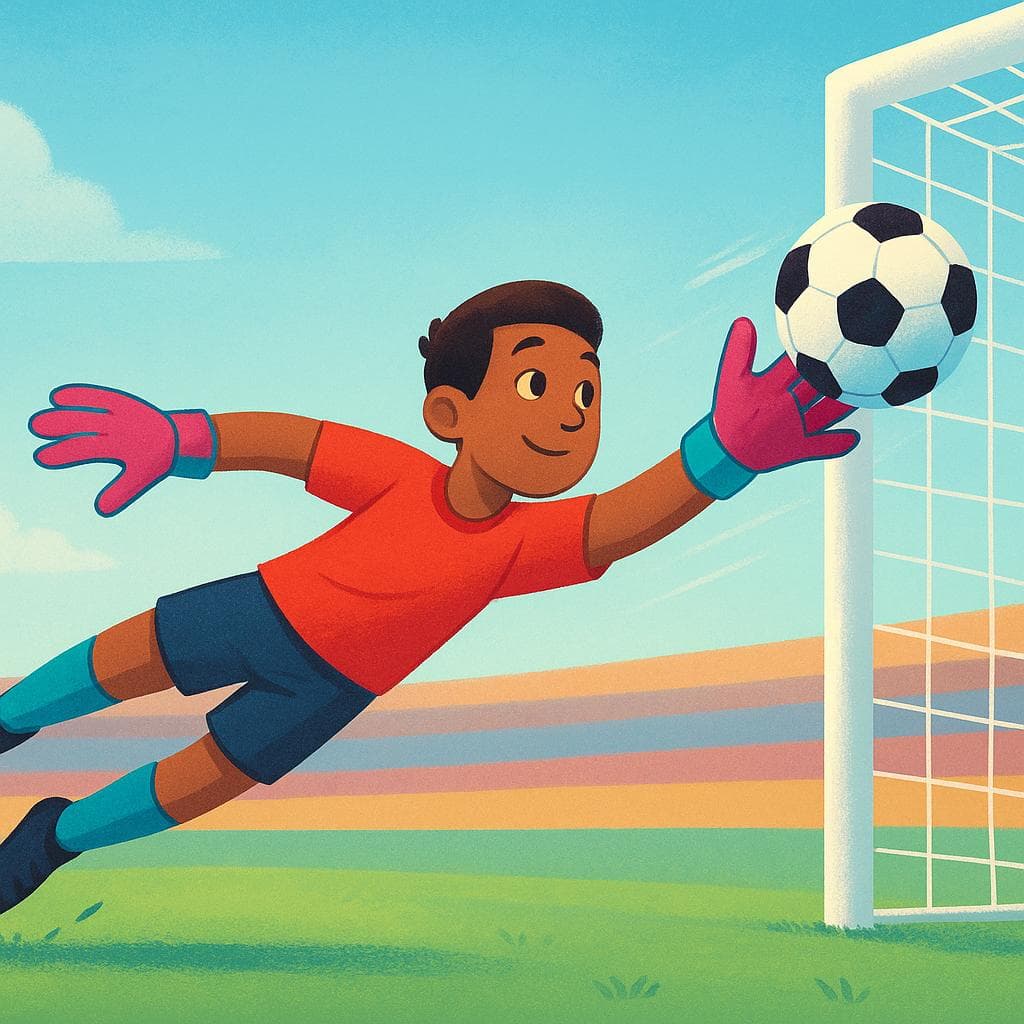
¡Qué parada espectacular! El portero salvó el partido.
What a spectacular save! The goalkeeper saved the match.
Fue una parada con los pies, muy arriesgada.
It was a save with his feet, very risky.
Confusing 'guardar' and 'grabar'
Learn Spanish with Inklingo
Interactive stories, personalized learning, and more.