How to Say "shore" in Spanish
The most common Spanish word for “shore” is “costa” — use 'costa' for the general land area bordering any large body of saltwater, like an ocean or sea, especially when discussing a region or territory.

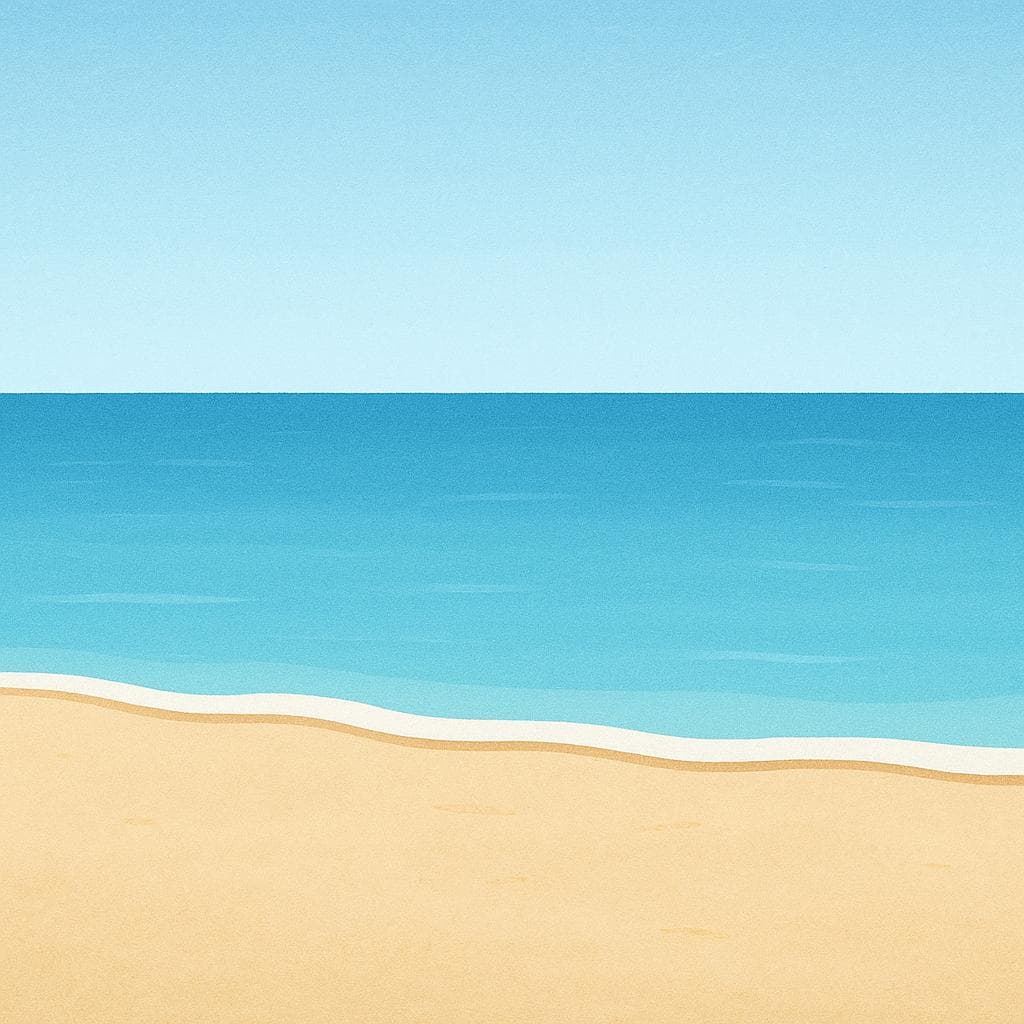

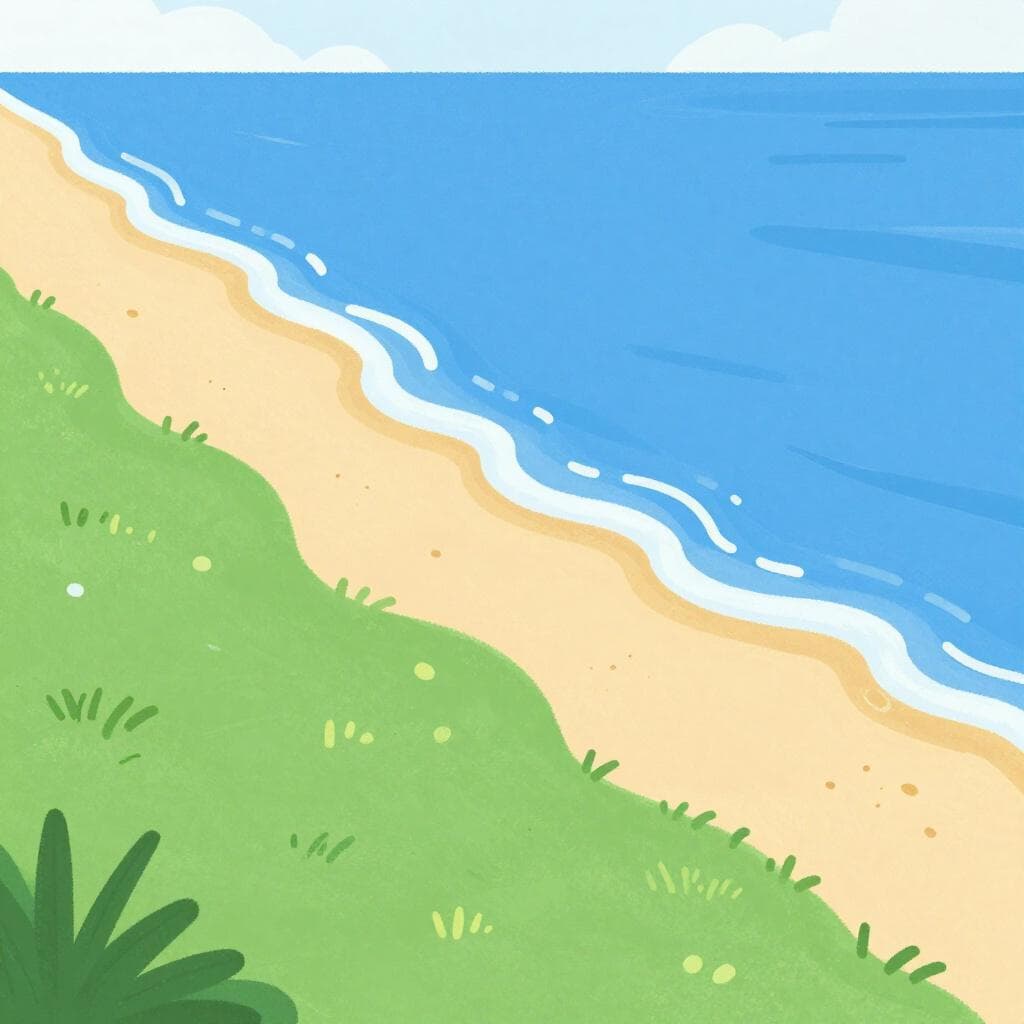

costa
kos-taˈkosta

Examples
Pasaremos nuestras vacaciones en la costa del Mediterráneo.
We will spend our vacation on the Mediterranean coast.
La costa de ese país es muy rocosa y difícil de navegar.
The shore of that country is very rocky and difficult to navigate.
Hay pueblos pequeños y bonitos a lo largo de toda la costa.
There are beautiful small towns all along the entire coast.
Gender Reminder
Even though 'costa' ends in -a, always remember that it is a feminine noun and needs 'la' or 'una'.
Confusing 'costa' and 'costado'
Mistake: “Using 'el costado' when talking about the beach.”
Correction: 'Costado' means 'side' (of a person or object), while 'costa' is only the land next to the sea.
orilla
oh-REE-yahoˈɾiʝa
Examples
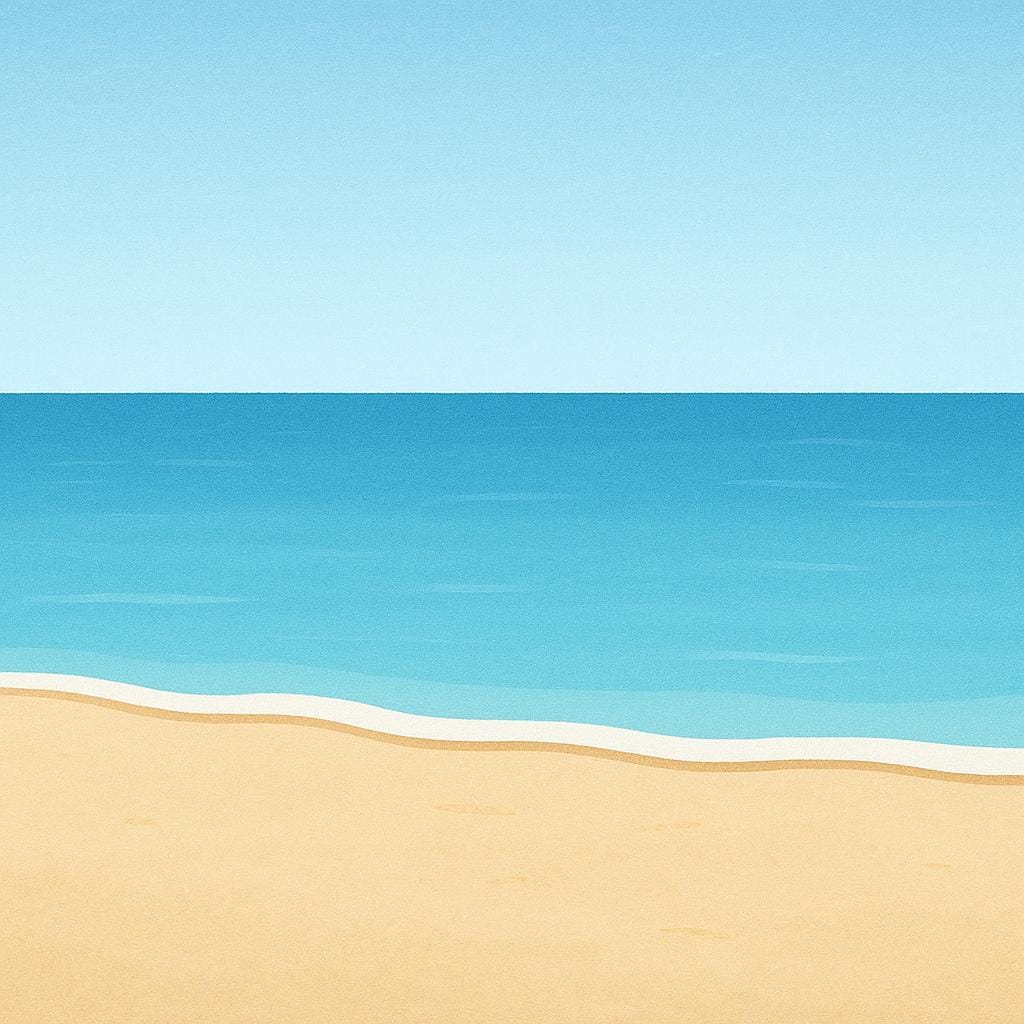
Nos sentamos en la orilla del mar a ver las olas.
We sat on the shore of the sea to watch the waves.
Los pescadores tienen sus redes en la orilla del río.
The fishermen have their nets on the bank of the river.
Always Feminine
Since 'orilla' is a noun that ends in -a, it is feminine. Always use 'la' or 'una' with it.
Confusing 'Orilla' and 'Costa'
Mistake: “Using 'costa' to mean the narrow line where the water meets the sand.”
Correction: 'Orilla' is the very edge where you walk (the shoreline). 'Costa' is the much larger, general coastal region.
playa
PLAH-yahˈpla.ʝa

Examples
Vamos a la playa este fin de semana para tomar el sol.
We are going to the beach this weekend to sunbathe.
¿Prefieres una playa de arena o de piedras?
Do you prefer a sand beach or a pebble beach?
La costa está llena de pequeñas playas escondidas.
The coast is full of small, hidden beaches.
Feminine Noun Rule
Most Spanish nouns ending in -a are feminine, so you must use 'la' or 'una' before it: 'la playa'.
Gender Error
Mistake: “El playa.”
Correction: La playa. Remember, 'playa' is feminine, even though it doesn't end in -o.
litoral
lee-toh-rahllitoˈɾal
Examples
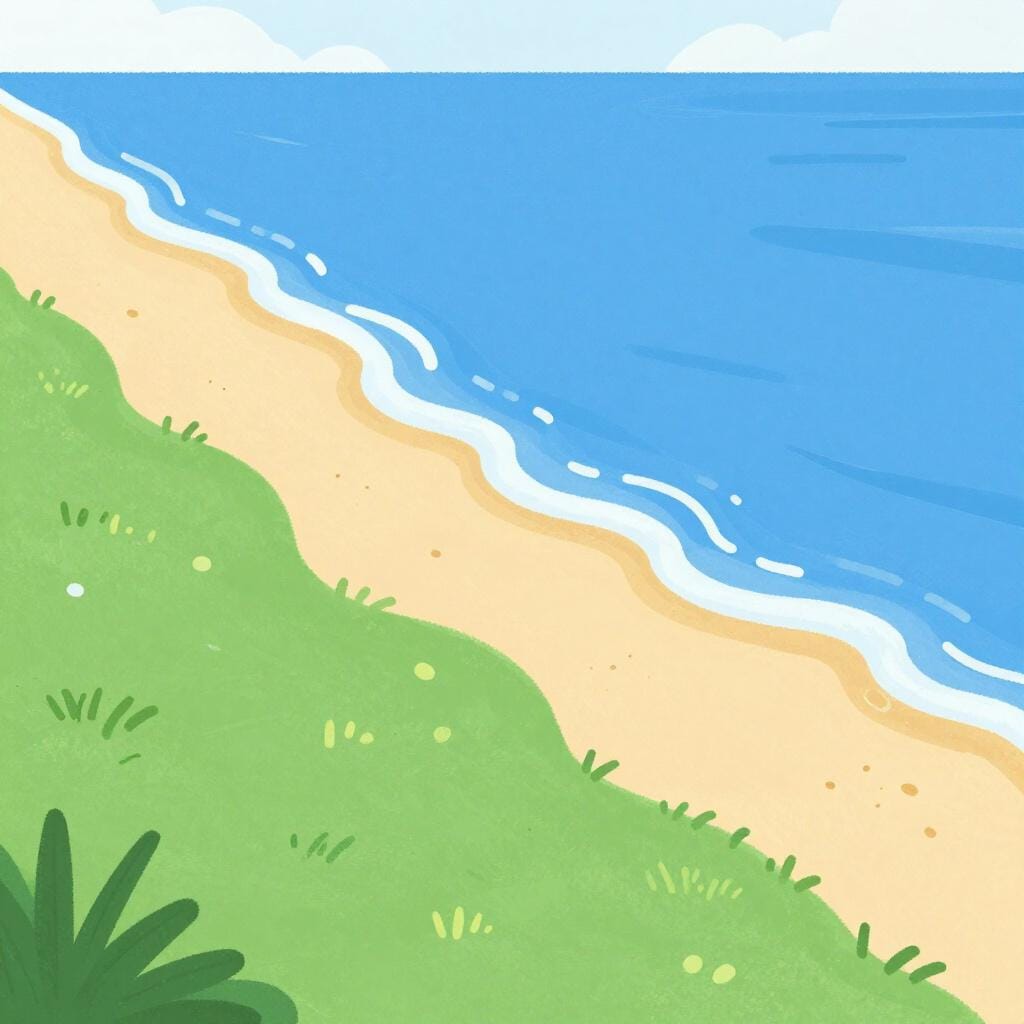
El litoral de España tiene playas maravillosas.
Spain's coastline has wonderful beaches.
Muchos animales viven en el litoral argentino.
Many animals live in the Argentine coastal region.
La tormenta causó daños en todo el litoral mediterráneo.
The storm caused damage along the entire Mediterranean shore.
Always Masculine
Even though it ends in 'l', this word is always masculine: 'el litoral' or 'los litorales'.
Litoral vs. Costa
Use 'litoral' when talking about the geographic region or a map; use 'costa' for the beach or general seaside.
Litoral is not just 'the sand'
Mistake: “Voy al litoral a tomar el sol.”
Correction: Voy a la playa a tomar el sol.
ribera
ree-BEH-rahriˈβeɾa

Examples
Caminamos por la ribera del río Ebro durante el atardecer.
We walked along the bank of the Ebro River during sunset.
Las aves construyen sus nidos en la ribera de la laguna.
The birds build their nests on the shore of the lagoon.
Esta región es famosa por sus viñedos de ribera.
This region is famous for its riverside vineyards.
Gender Consistency
Even though it ends in 'a', just remember it's always feminine: 'la ribera' or 'las riberas'.
Describing Location
When saying something is located there, use the word 'en' (in/on) or 'por' (along/through).
Don't use 'Banco' for Water
Mistake: “El banco del río es bonito.”
Correction: La ribera del río es bonita. 'Banco' is for money or sitting; use 'ribera' or 'orilla' for the edge of water.
Confusing 'Orilla' and 'Costa'
Related Translations
Learn Spanish with Inklingo
Interactive stories, personalized learning, and more.