How to Say "skirt steak" in Spanish
The most common Spanish word for “skirt steak” is “entraña” — use 'entraña' when referring to the specific, highly flavorful cut of beef commonly grilled or used for dishes like arrachera. This is often considered the most direct translation for skirt steak.
Use 'entraña' when referring to the specific, highly flavorful cut of beef commonly grilled or used for dishes like arrachera. This is often considered the most direct translation for skirt steak.
Learn more →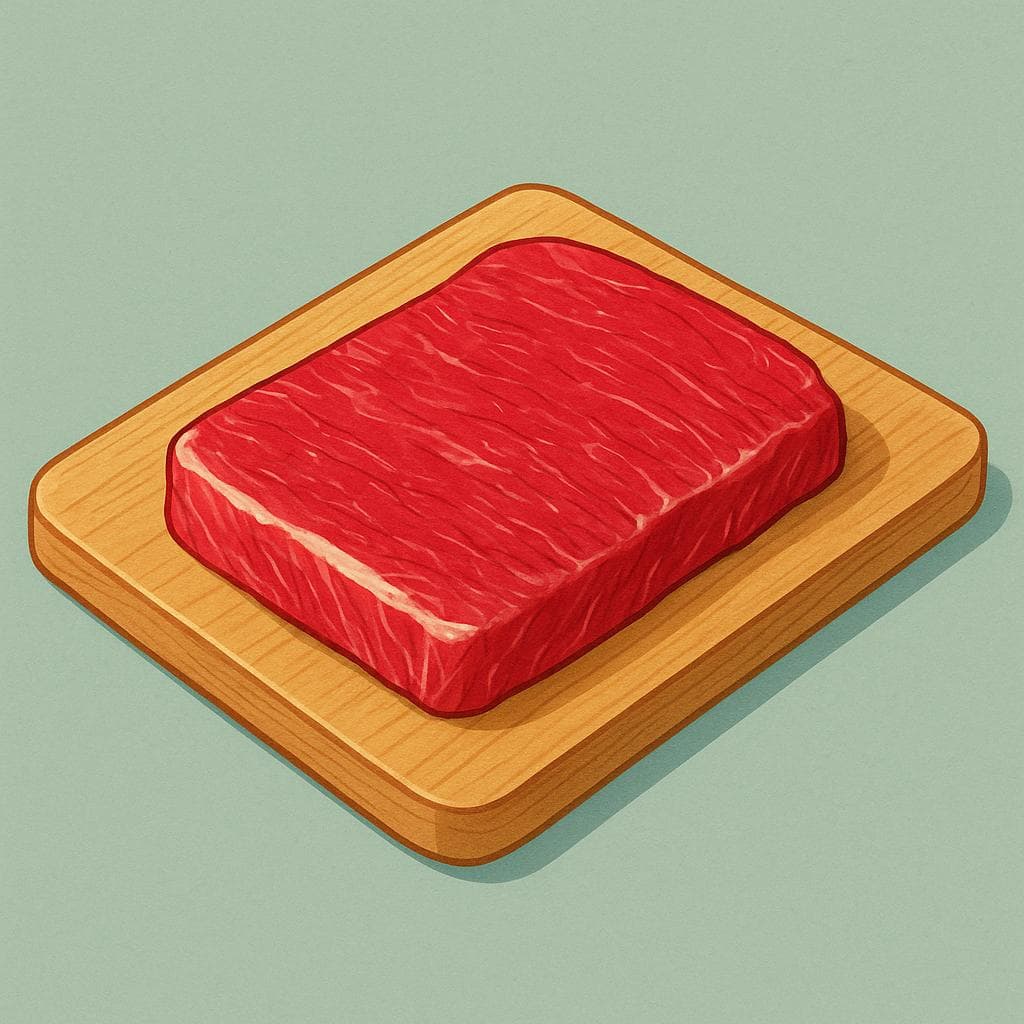
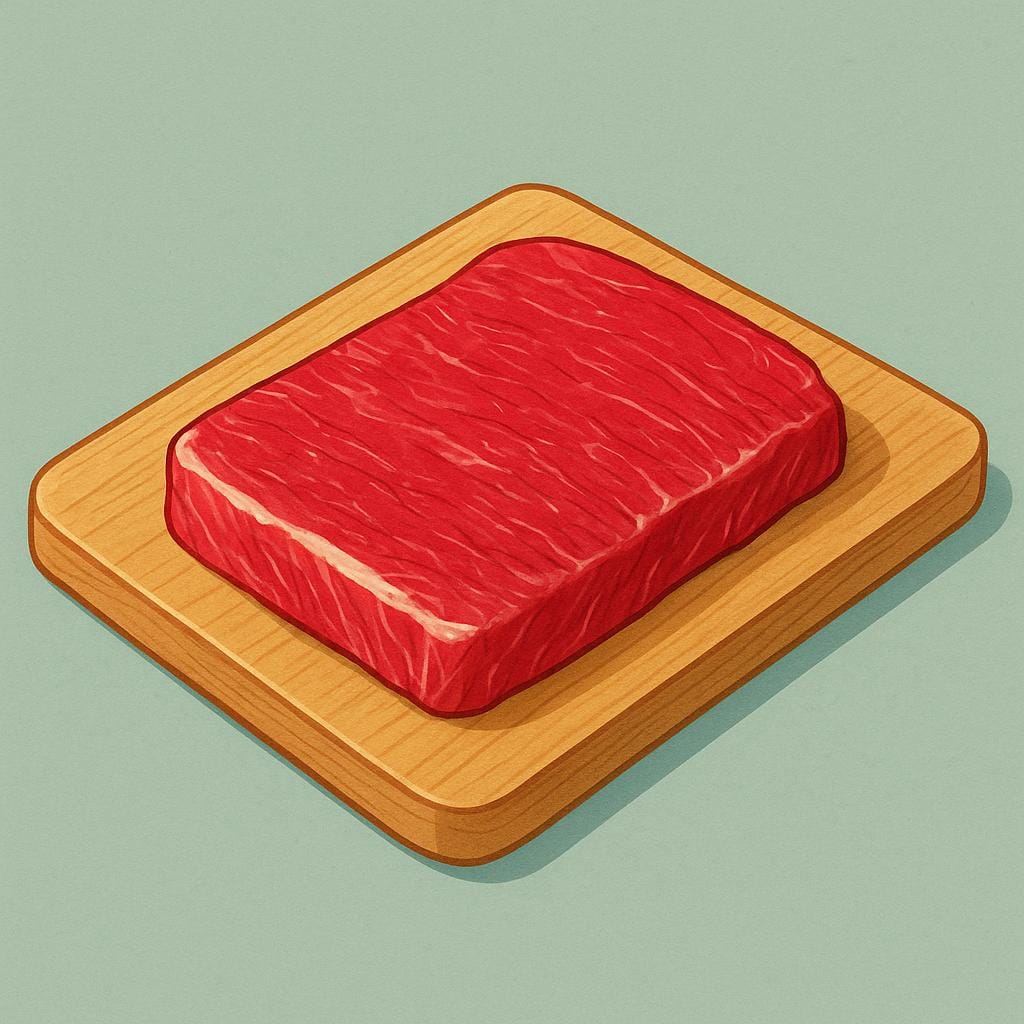
Choose 'falda' when referring to a type of flank cut, often used for dishes like fajitas. It's a broader term that can sometimes encompass what English speakers call skirt steak.
Learn more →Use 'vacío' when referring to a cut of beef that is similar to flank steak, often prepared for barbecues or roasts. While it can overlap with skirt steak in some contexts, it's typically a different cut.
Learn more →entraña
Examples
La entraña es el corte más sabroso de la parrilla.
Skirt steak is the tastiest cut on the grill.
FAHL-dahˈfalda
Examples
Vamos a comprar un kilo de falda para hacer fajitas.
We are going to buy a kilo of skirt steak to make fajitas.
La falda de res es un corte muy sabroso si se marina bien.
Beef flank is a very tasty cut if it is marinated well.
Culinary Context
Like the mountain meaning, this is a metaphor based on location—the cut of meat comes from the lower flank or 'skirt' area of the animal.
vacío
Examples
Para el asado, compramos un kilo de vacío.
For the barbecue, we bought a kilo of flank steak.
Choosing between Entraña, Falda, and Vacío
The most common mistake is assuming 'falda' or 'vacío' are always interchangeable with 'entraña'. While related, 'entraña' specifically denotes the flavorful inner skirt steak cut, whereas 'falda' and 'vacío' are broader terms for flank or similar cuts that may not have the same distinct flavor profile.
Related Translations
Learn Spanish with Inklingo
Interactive stories, personalized learning, and more.