How to Say "slab" in Spanish
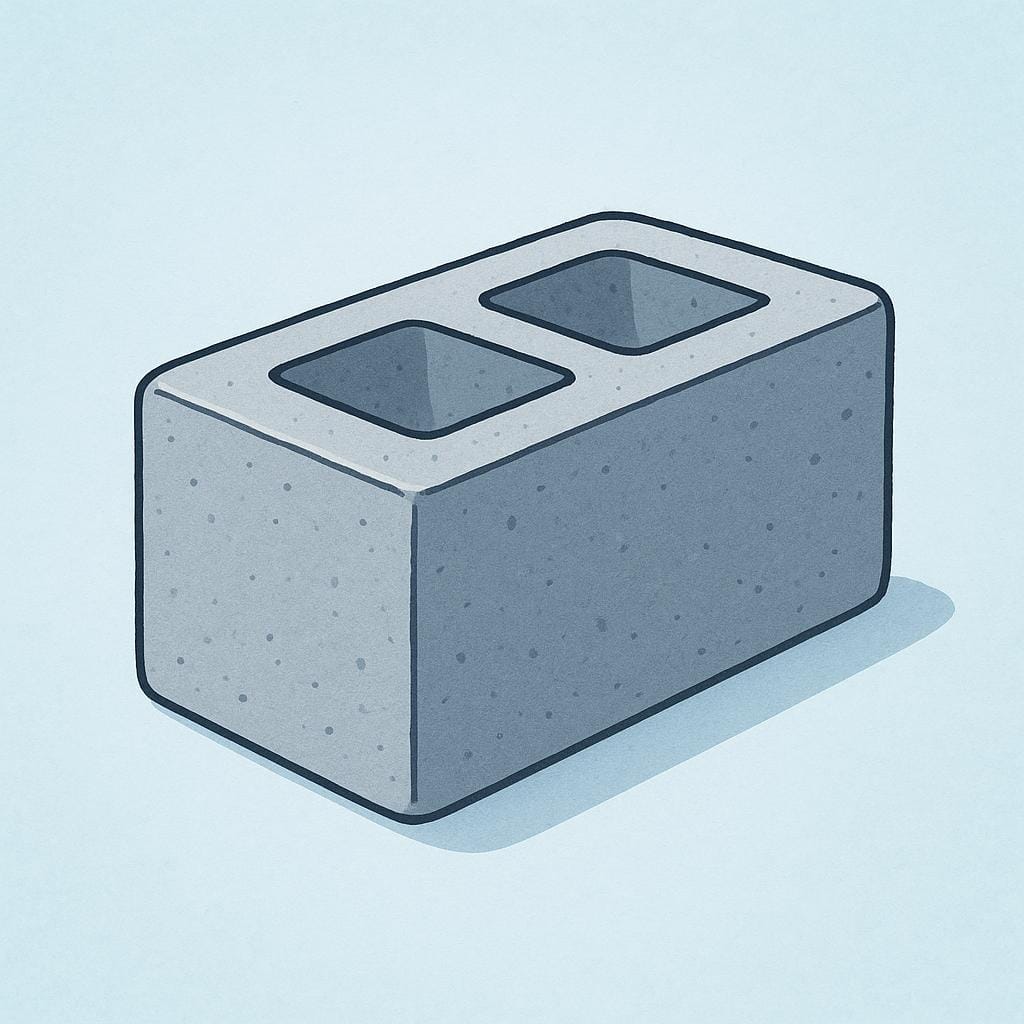
The most common Spanish word for “slab” is “bloque” — use 'bloque' for a thick, flat, often artificial piece, like a concrete block used in construction.
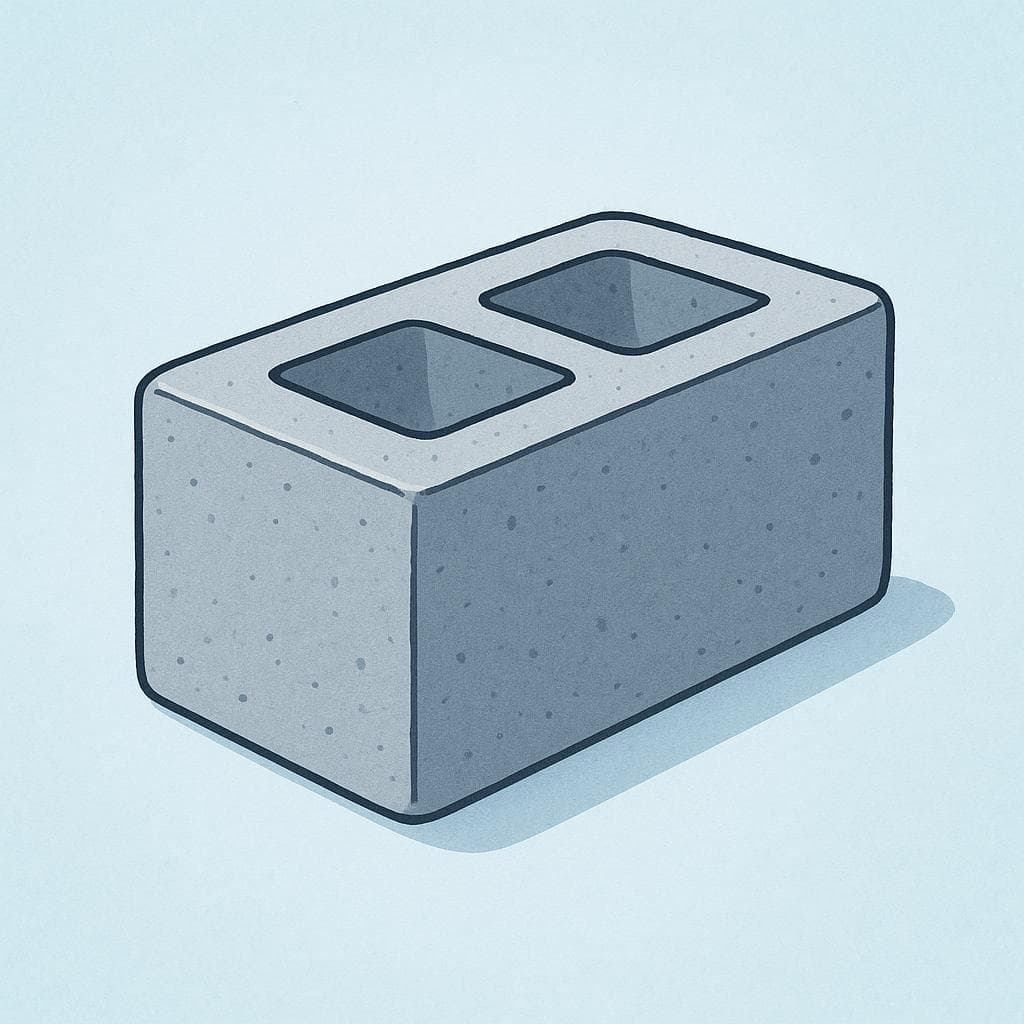
bloque
BLO-kehˈblo.ke
Examples
Necesitamos un bloque de cemento para arreglar la pared.
We need a concrete block to fix the wall.
El escultor está trabajando en un bloque de mármol.
The sculptor is working on a block of marble.
Compré un bloque grande de queso para la fiesta.
I bought a large block of cheese for the party.
Always Masculine
Remember that 'bloque' is always masculine, so you must use 'el' (the) or 'un' (a/an) before it.
lancha
LAHN-chahˈlantʃa
Examples
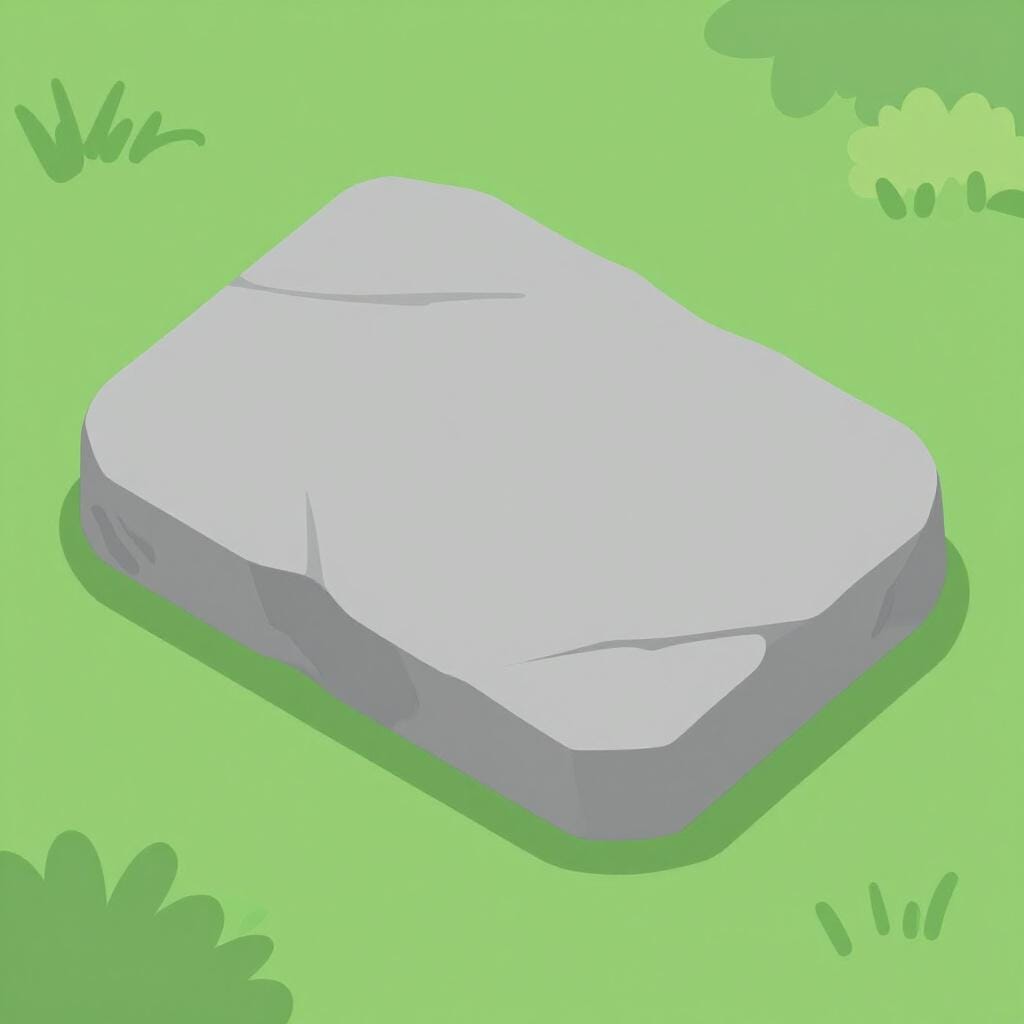
El patio estaba pavimentado con lanchas de granito.
The patio was paved with granite flagstones.
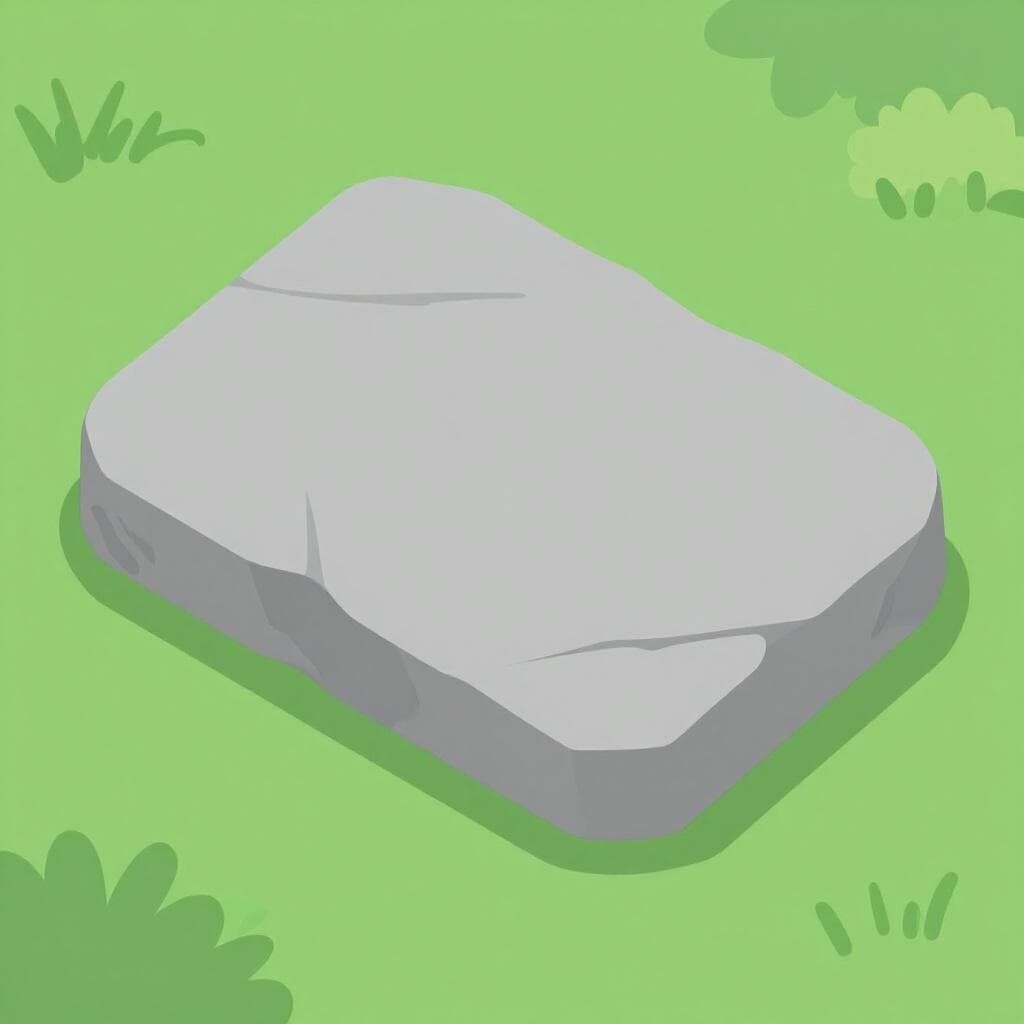
Bajo la tierra encontraron una gran lancha de piedra.
Under the ground they found a large stone slab.
Technical Usage
This meaning is almost never used in daily conversation. You will likely only see it in books about architecture, history, or geology.
Confusing with Boat
Mistake: “Using 'lancha' to mean stone in a travel context.”
Correction: Unless you are talking about paving a floor, assume 'lancha' means a boat.
Bloque vs. Lancha
Related Translations
Learn Spanish with Inklingo
Interactive stories, personalized learning, and more.