How to Say "sole" in Spanish
The most common Spanish word for “sole” is “planta” — use 'planta' when referring to the bottom surface of a person's foot.
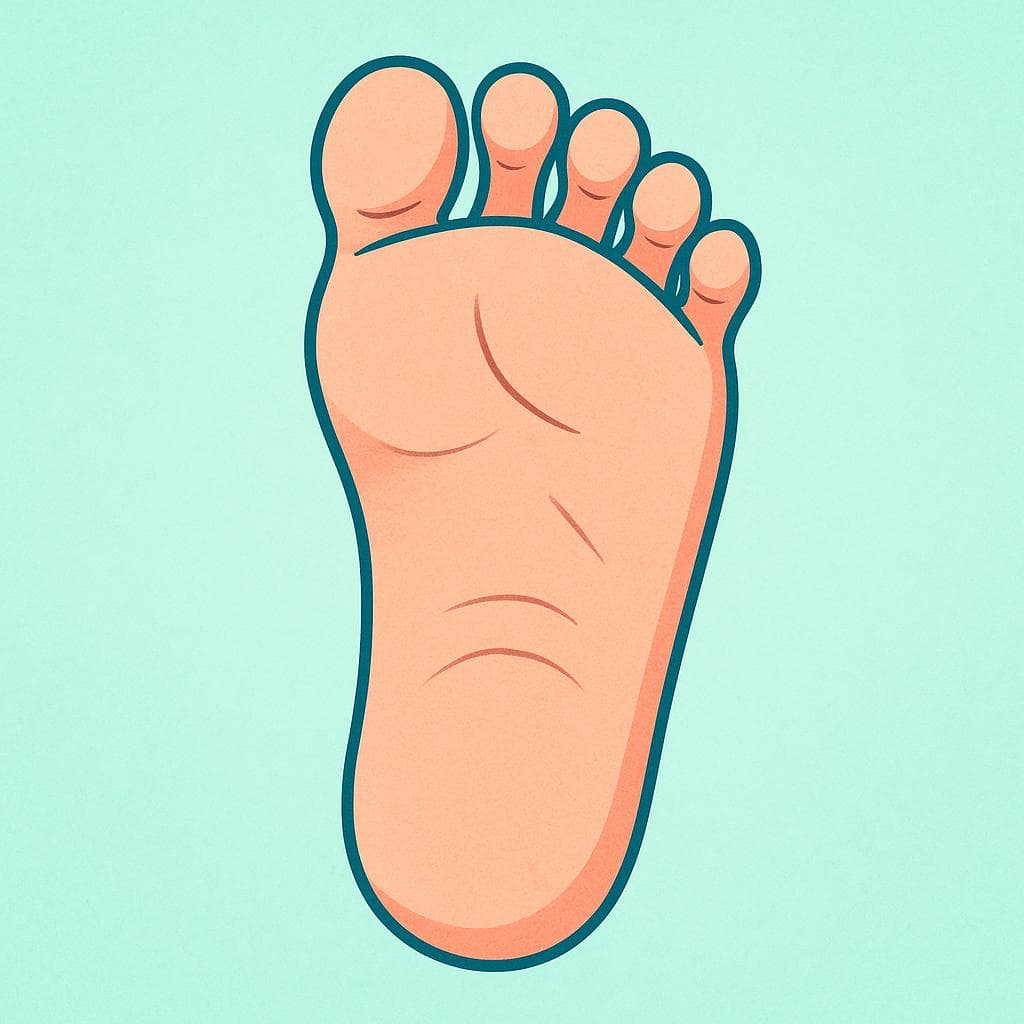


planta
PLAN-tahˈplan.ta
Examples
Sentí una astilla clavada en la planta del pie.
I felt a splinter stuck in the sole of my foot.
El masajista me frotó la planta para aliviar el dolor.
The masseuse rubbed my sole to relieve the pain.
Body Parts
Like many body parts, 'planta' is typically used with the definite article ('la') rather than a possessive word ('mi').
único
oo-nee-koˈuniko

Examples
Es mi único par de zapatos.
It's my only pair of shoes.
La única persona que sabe la verdad es Ana.
The only person who knows the truth is Ana.
No tengo hermanos, soy hijo único.
I don't have siblings, I'm an only child.
Placement is Key: Before the Noun = 'Only'
When you want to say there is just one of something, 'único' always goes right before the thing it's describing. Think: único amigo (only friend).
Matching is a Must
Like most adjectives, 'único' has to match the gender and number of the noun it describes. It can be único (masculine singular), única (feminine singular), únicos (masculine plural), or únicas (feminine plural).
Confusing 'único' and 'solo'
Mistake: “Soy el solo que habla español.”
Correction: Soy el único que habla español. Use 'único' to describe a person or thing ('the only one'). Use 'solo' to mean 'only' or 'just' in a more general way, like 'Solo quiero un café' (I only want a coffee).
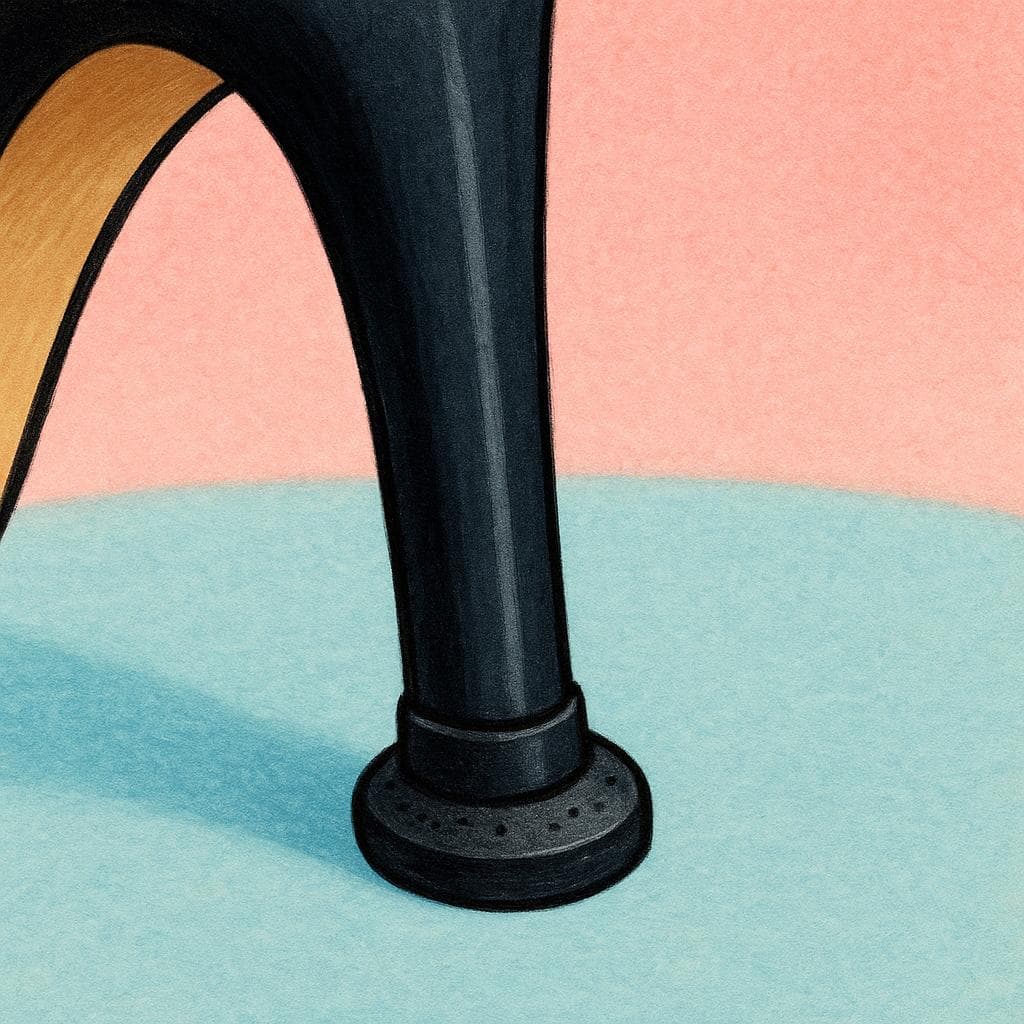
tapa
TAH-pahˈtapa

Examples
Necesito llevar estos zapatos al zapatero para cambiar la tapa.
I need to take these shoes to the cobbler to change the heel tip.
La tapa de mis botas ya está muy gastada.
The sole/heel tip of my boots is already very worn out.
exclusivo
eks-kloo-SEE-boheks.klu.ˈsi.βo

Examples
Este club es exclusivo para los residentes del edificio.
This club is exclusive for the building's residents.
Tengo el uso exclusivo de la oficina durante la mañana.
I have the sole use of the office during the morning.
La periodista consiguió una entrevista exclusiva con el presidente.
The journalist got an exclusive interview with the president.
Matching Gender and Number
Since this word describes something, it must change to match the item it describes: 'un club exclusivo' (male/singular), 'una zona exclusiva' (female/singular), or 'servicios exclusivos' (male/plural).
Position After the Noun
In Spanish, this word usually comes after the person or thing it describes to distinguish it from others, like 'un derecho exclusivo'.
Using it as 'Exclusively'
Mistake: “Hablo exclusivo con él.”
Correction: Hablo exclusivamente con él. (Use the -mente version when describing an action/verb rather than a thing/noun).
Confusing 'planta' and 'tapa' for shoes
Related Translations
Learn Spanish with Inklingo
Interactive stories, personalized learning, and more.