How to Say "stay" in Spanish
The most common Spanish word for “stay” is “quédate” — use this informal command when telling one person (tú) to remain in a specific place.
Use this informal command when telling one person (tú) to remain in a specific place.
Learn more →Use this formal command when telling one person (usted) to remain in a specific place, often in polite or professional situations.
Learn more →Use this command when telling a group of people (ustedes) to remain in a specific place.
Learn more →
Use this informal command when telling one person (tú) to remain in a certain state or to keep away from something.
Learn more →
Use this noun to refer to the duration of time someone spends in a particular place or situation.
Learn more →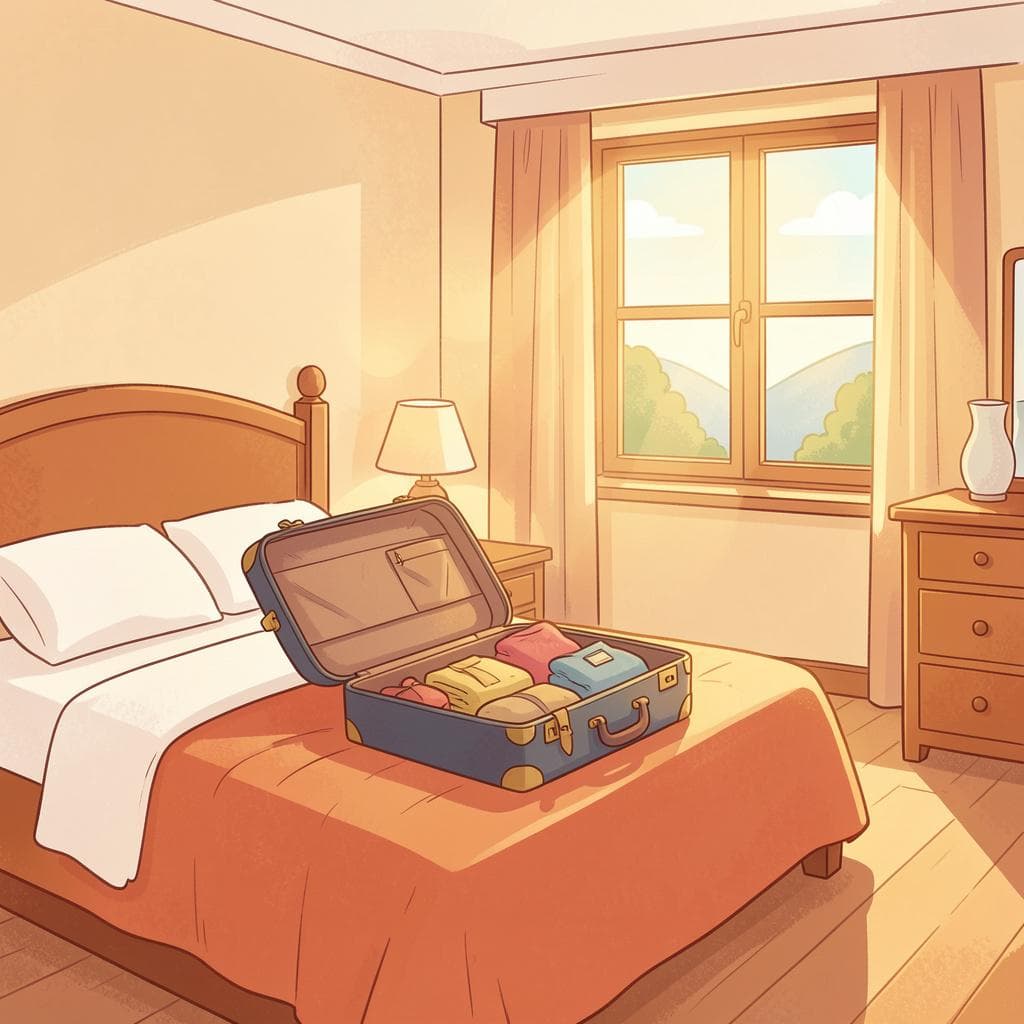
Use this noun to refer to the period of time spent during a visit or while residing in a place, often implying a pleasant experience.
Learn more →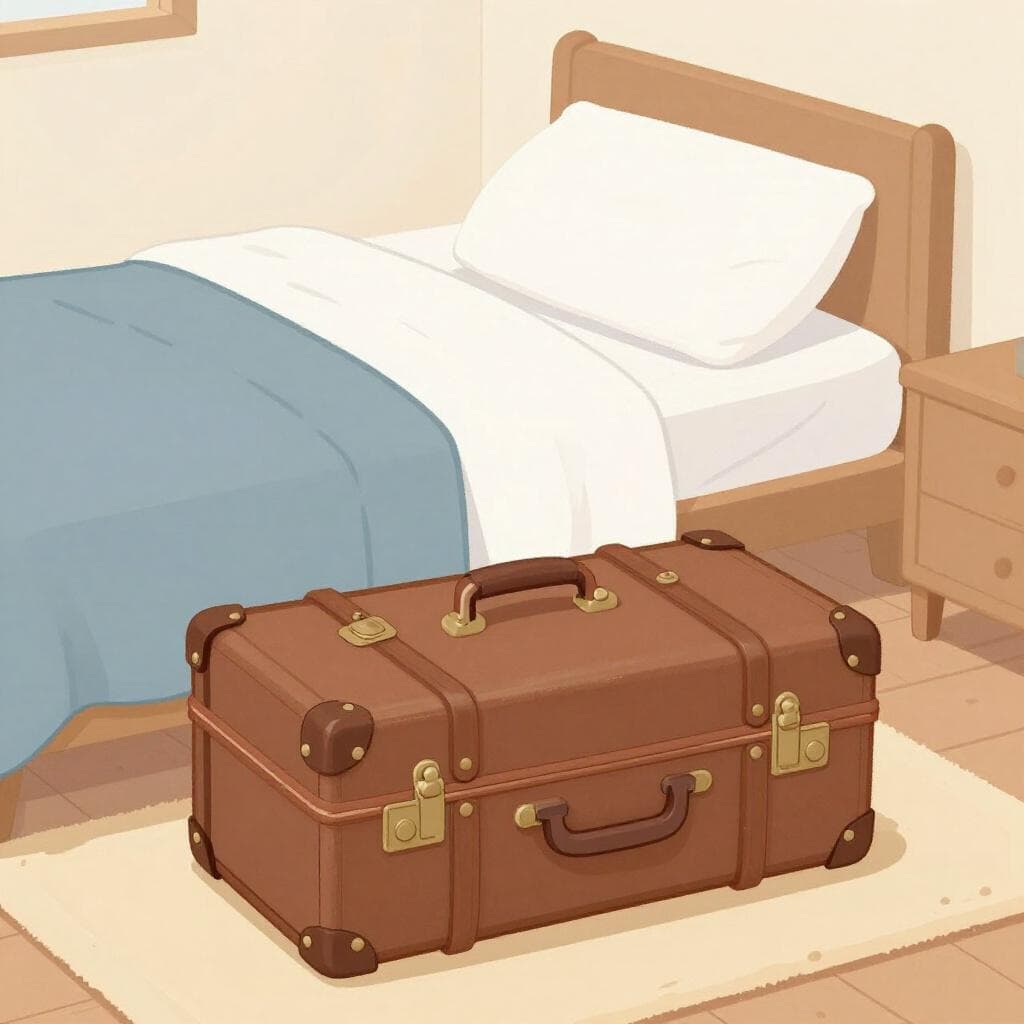
Use this noun to describe a specific period of time spent living or visiting a place, often implying a significant length of time.
Learn more →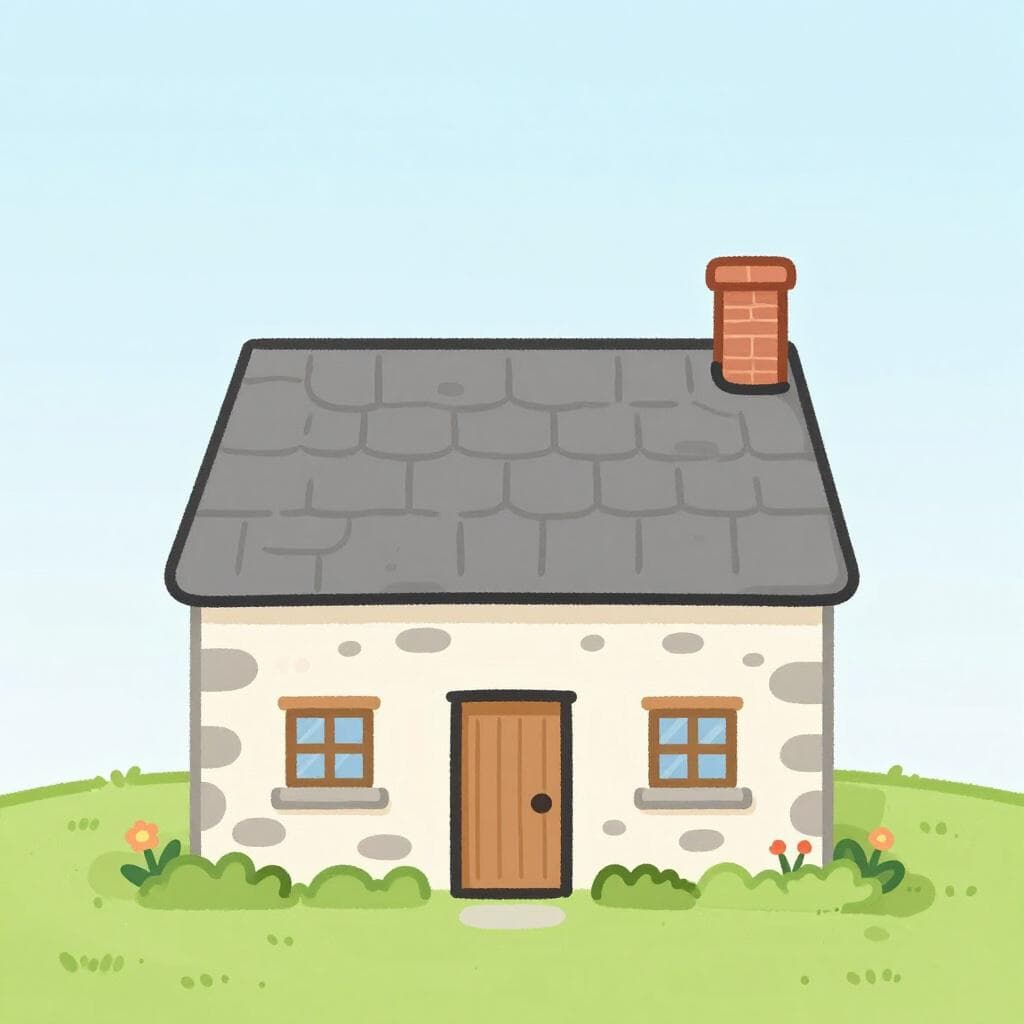
Use this noun to refer to a dwelling or the duration of a visit, though it is less common and can sound archaic or poetic.
Learn more →quédate
Examples
Por favor, quédate aquí conmigo.
Please, stay here with me.
quédese
Examples
Señor López, por favor, quédese aquí hasta que vuelva el doctor.
Mr. Lopez, please, stay here until the doctor returns.
quédense
Examples
Por favor, quédense aquí hasta que yo regrese.
Please, stay here until I return.
mahn-TEHN-tehmanˈtente

Examples
Mantente alejado del fuego, por favor.
Stay away from the fire, please.
Si quieres tener éxito, mantente enfocado en tus metas.
If you want to be successful, keep focused on your goals.
No te rindas, ¡mantente fuerte!
Don't give up, keep strong!
A Command for 'You' (Informal)
This word is the informal command form ('tú' command) of the verb 'mantenerse'. It is used to tell a friend or family member what to do.
Reflexive Pronoun Attachment
When giving an affirmative command (telling someone to do something), the reflexive pronoun 'te' (yourself) is always attached directly to the end of the verb, forming one word.
Stress Shift in Commands
The original verb form is 'mantén,' but when 'te' is added, the stress shifts naturally to the second-to-last syllable (man-TEN-te). This is why no written accent is needed on the final word.
Separating the Pronoun
Mistake: “Te mantén.”
Correction: Mantente. (In affirmative commands, the 'te' must stick to the end of the verb.)
Using the Wrong Command Type
Mistake: “Manténte (when telling an older person).”
Correction: Manténgase. (Use the 'usted' form, 'manténgase,' for formal or polite commands.)
pair-mah-NEN-syahpeɾmaˈnenθja

Examples
Su permanencia en el país fue de tres meses.
His stay in the country lasted three months.
La permanencia de estos cambios es fundamental para el éxito.
The permanence of these changes is essential for success.
El museo registró una permanencia media de dos horas por visitante.
The museum recorded an average stay of two hours per visitor.
Always Feminine
Even though it doesn't end in 'a', words ending in '-encia' are almost always feminine, so always use 'la permanencia'.
Permanencia vs. Permiso
Mistake: “Pedí una permanencia de trabajo.”
Correction: Pedí un permiso de trabajo.
es-TAHN-syahesˈtanθja
Examples
Disfrutamos mucho nuestra estancia en Madrid.
We really enjoyed our stay in Madrid.
La duración de su estancia será de tres días.
The length of your stay will be three days.
A Feminine Word
Always use 'la' or 'una' with this word because it is feminine: 'la estancia'.
tem-po-RAH-dahtem.poˈɾa.ða
Examples
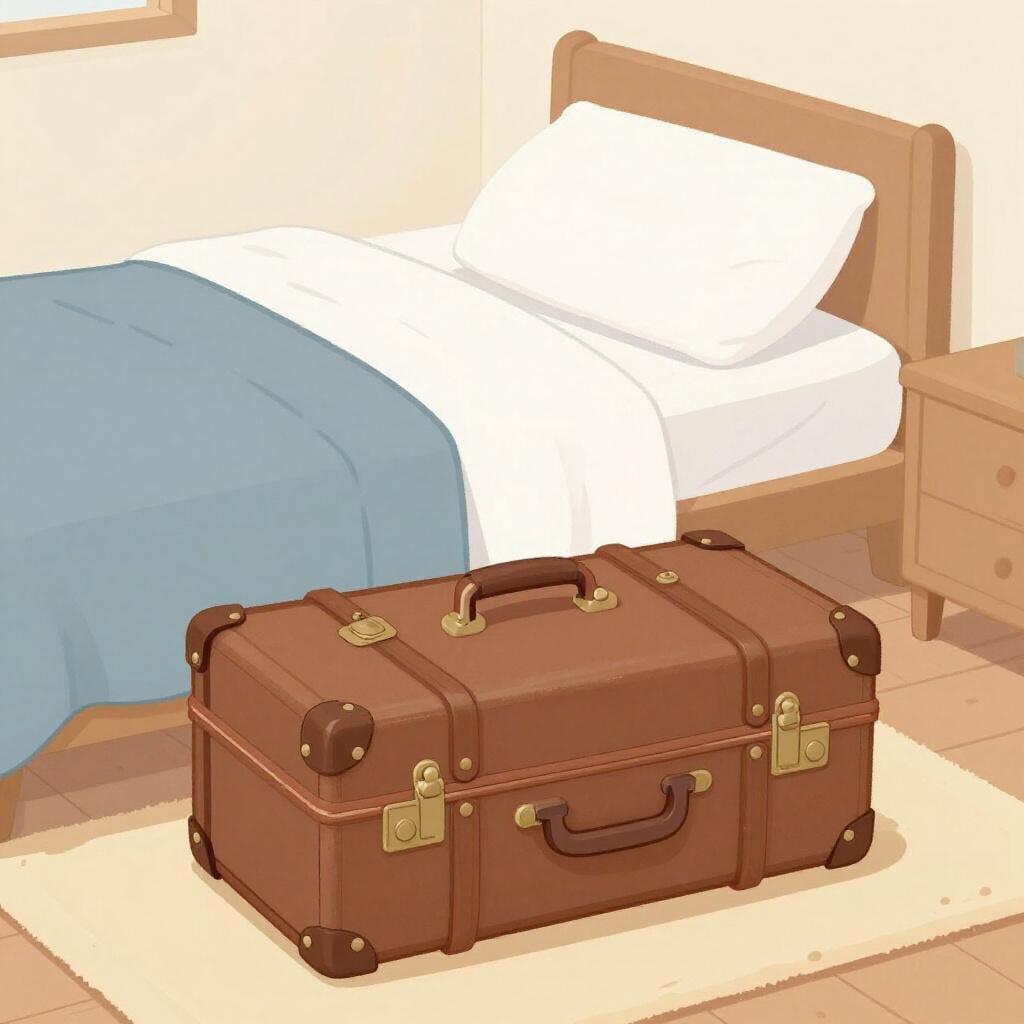
Pasamos una temporada maravillosa viviendo en España.
We spent a wonderful time living in Spain.
Durante su temporada en el hospital, aprendió a tejer.
During her stay at the hospital, she learned to knit.
Me gustaría ir al campo y quedarme allí por una larga temporada.
I would like to go to the countryside and stay there for a long period of time.
Verbs of Duration
This meaning often pairs with verbs like 'pasar' (to spend time) or 'estar' (to be) to describe the action of residing somewhere temporarily.
mo-rah-dahmoˈɾaða
Examples
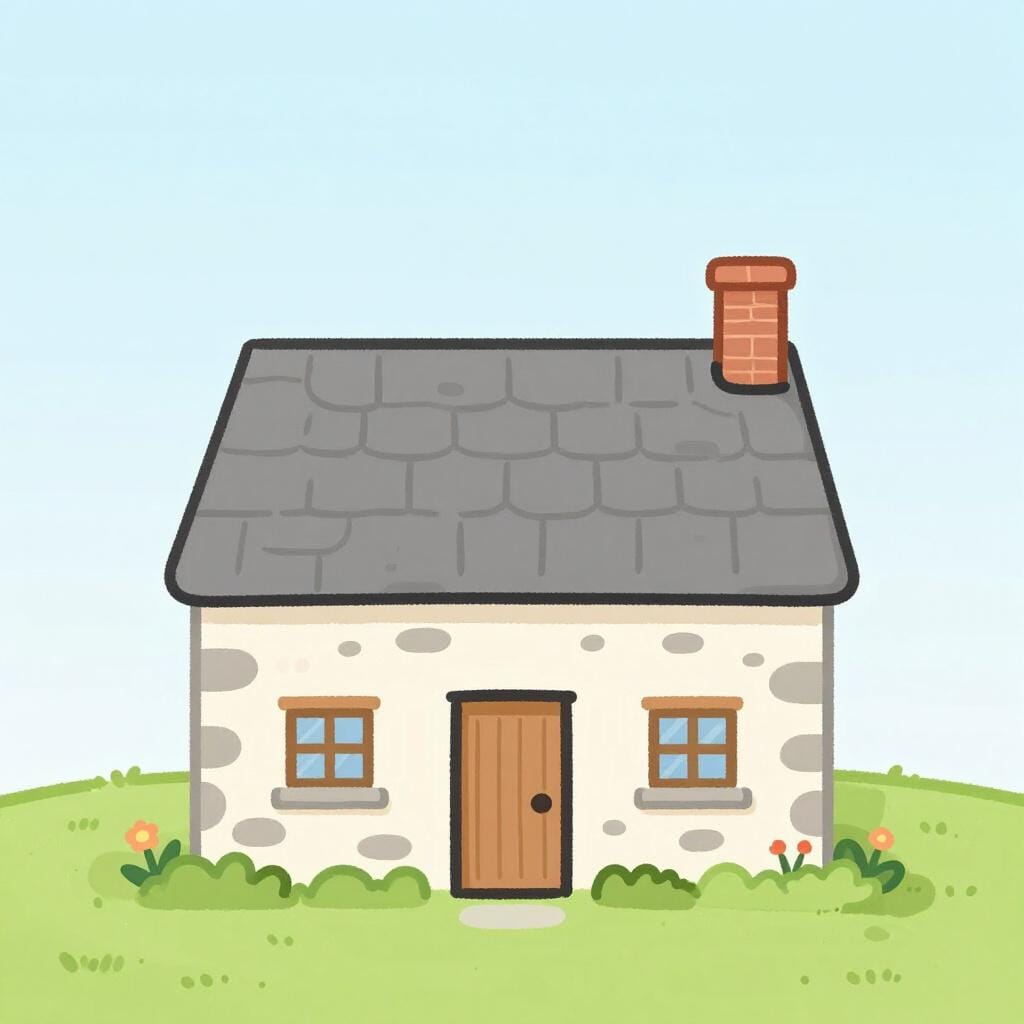
El bosque es la morada de muchas criaturas místicas.
The forest is the dwelling of many mystical creatures.
Establecieron su morada en un valle remoto.
They established their abode in a remote valley.
Visitamos el cementerio donde descansa en su última morada.
We visited the cemetery where he rests in his final resting place.
A Formal Noun
Even though it looks like the color 'purple', as a noun it behaves just like 'casa' or 'mesa'. It is always feminine.
Using it for 'house' in casual talk
Mistake: “Voy a mi morada a dormir.”
Correction: Voy a mi casa a dormir. Using 'morada' in daily conversation sounds like you are a character in a fantasy novel or a medieval knight.
Commands vs. Nouns for 'Stay'
The most common mistake is confusing the verb commands ('quédate', 'quédense', 'quédese') with the nouns referring to the duration of a stay ('estancia', 'permanencia', 'temporada'). Remember that commands tell someone to do something, while nouns describe the length of time spent somewhere.
Related Translations
Learn Spanish with Inklingo
Interactive stories, personalized learning, and more.