How to Say "stern" in Spanish
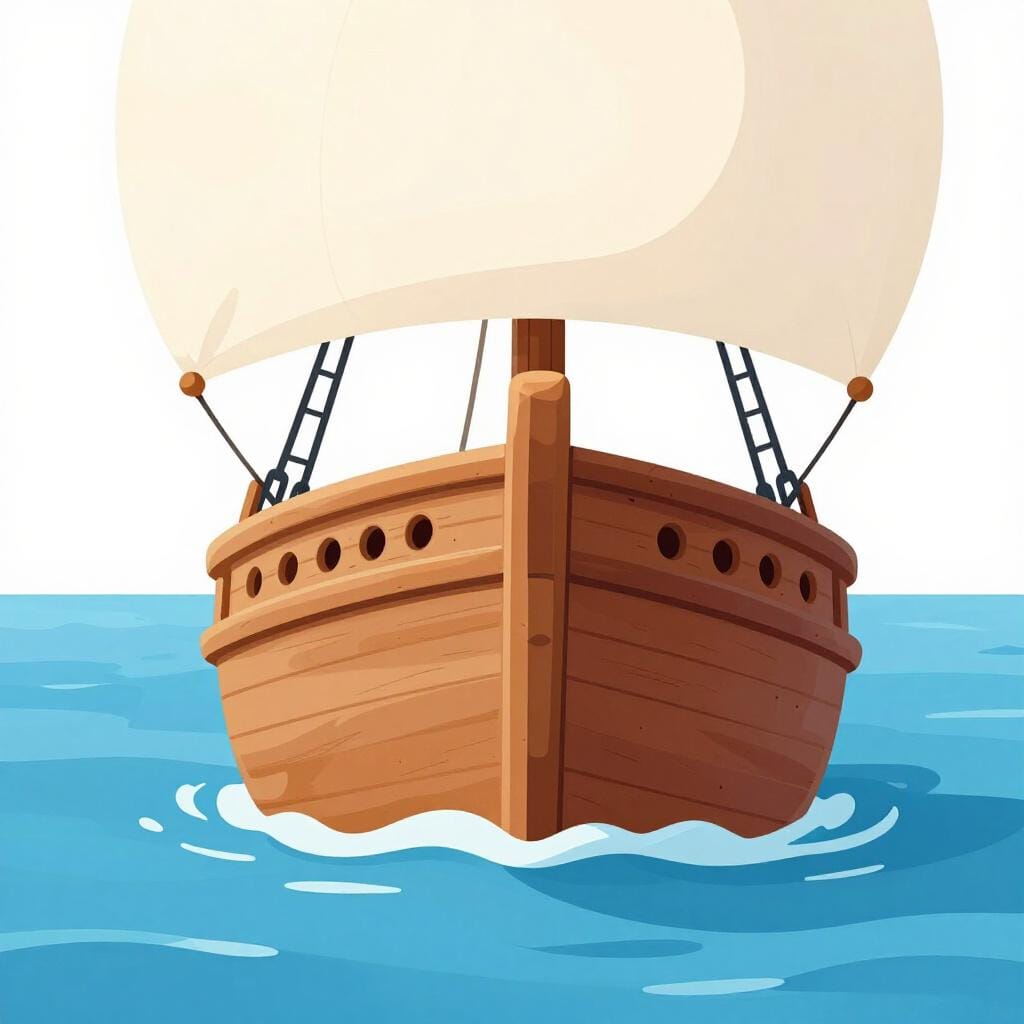
The most common Spanish word for “stern” is “popa” — use 'popa' when referring to the rear or back part of a boat or ship.

popa
PO-pahˈpopa
Examples
El bote se balanceaba suavemente en la popa.
The boat rocked gently at the stern.
El capitán se sentó en la popa para pescar.
The captain sat at the stern to fish.
El nombre del barco está escrito en la popa.
The name of the boat is written on the stern.
Nuestro nuevo negocio va viento en popa.
Our new business is going swimmingly (sailing smoothly).
Always Feminine
Even though it doesn't refer to a person, 'popa' is always feminine. You must always use 'la' or 'una' with it.
Location Phrases
To say something is 'at the back' of the boat, use the phrase 'en la popa'.
Avoid 'el popa'
Mistake: “Me gusta sentarme en el popa.”
Correction: Me gusta sentarme en la popa. (Nouns ending in 'a' are almost always feminine in Spanish).
severo
seh-BEH-rohseˈbeɾo
Examples
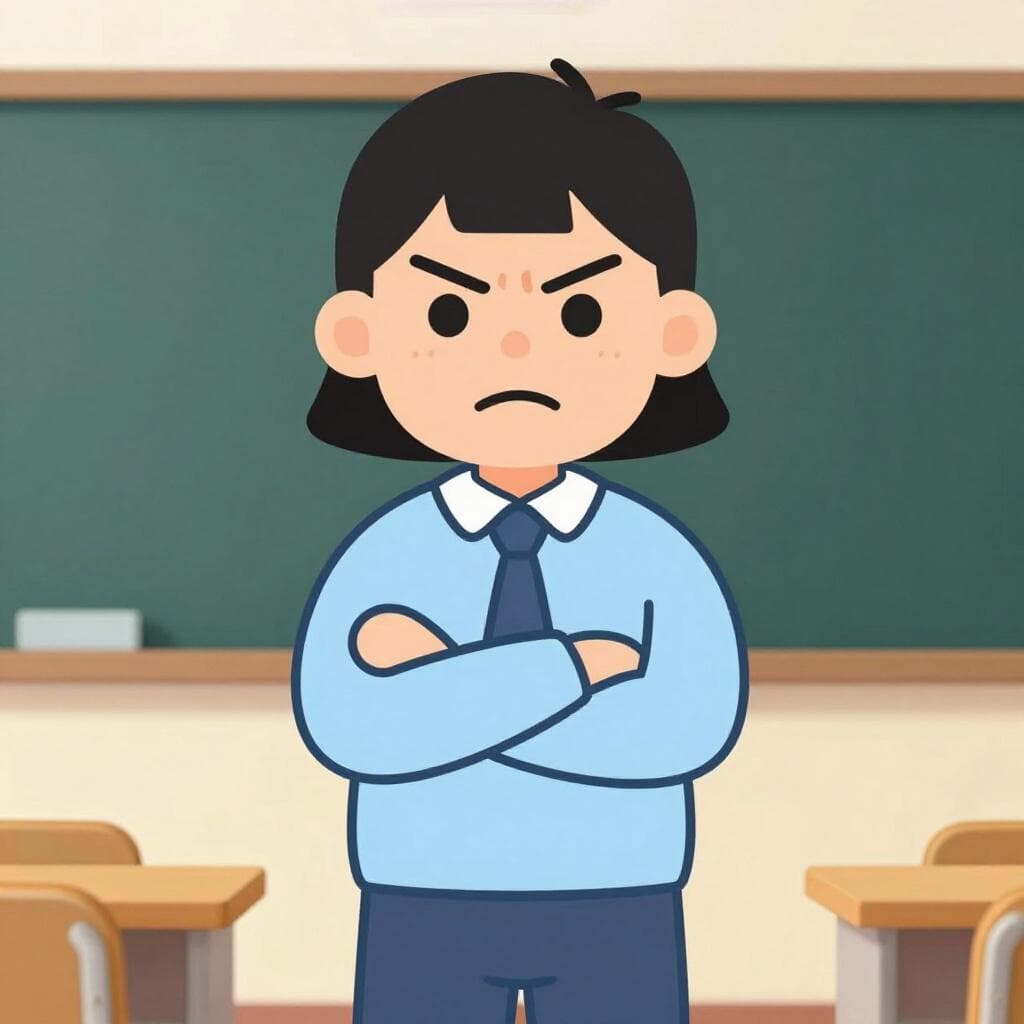
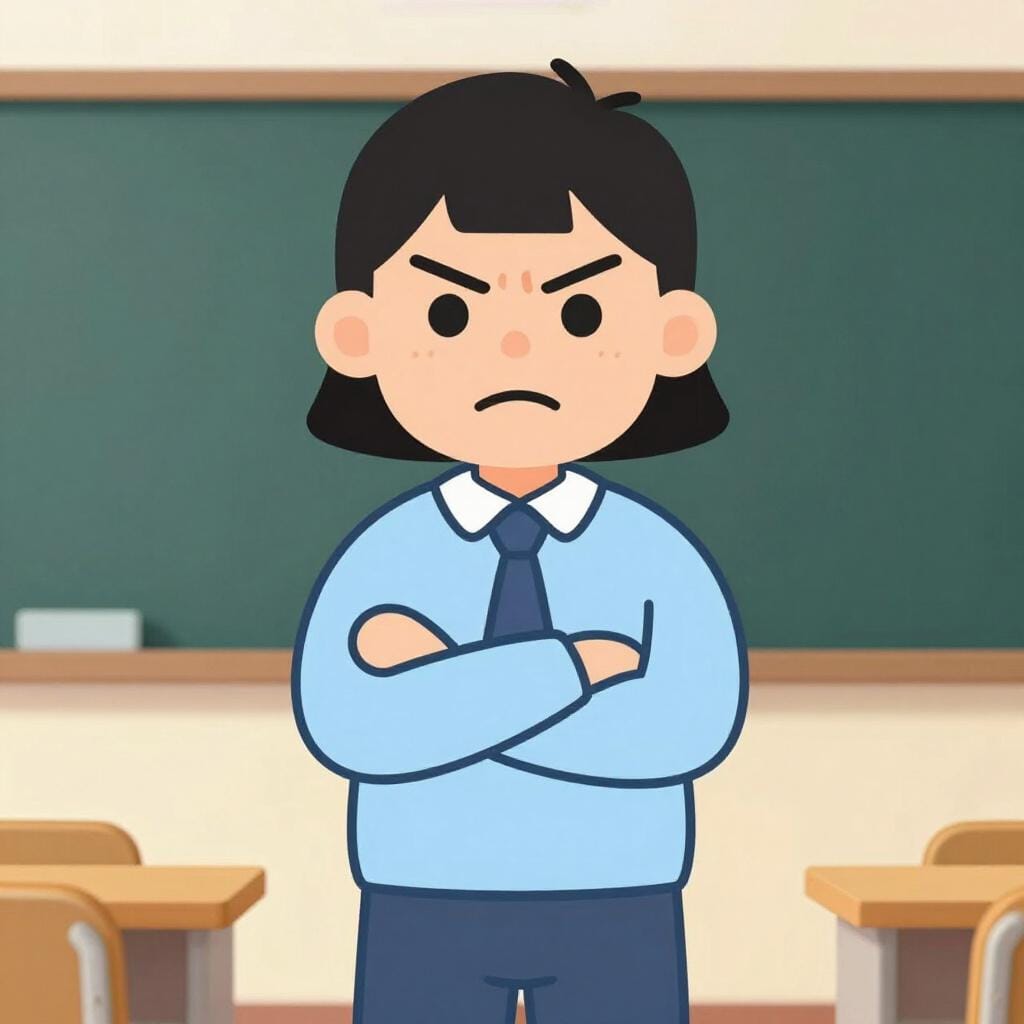
Tenía una mirada severa que no dejaba lugar a dudas.
He had a stern look that left no room for doubt.
Mi abuelo era un hombre muy severo pero nos quería mucho.
My grandfather was a very strict man but he loved us a lot.
El juez dictó una sentencia severa contra el criminal.
The judge handed down a harsh sentence against the criminal.
Las reglas del internado son muy severas.
The rules of the boarding school are very strict.
Adjective Agreement
Like most adjectives ending in 'o', it must change to 'severa' when describing feminine things (una regla severa) and add an 's' for plurals (castigos severos).
Position Matters
Placing 'severo' after the person or thing you are describing is the standard way to emphasize the quality of being strict.
False Friend Alert
Mistake: “Using 'severo' for every situation where English uses 'severe'.”
Correction: While 'severo' can mean severe, for medical issues like 'a severe headache', Spanish speakers often prefer 'fuerte' (strong) or 'agudo' (sharp).
Ship Part vs. Personality
Learn Spanish with Inklingo
Interactive stories, personalized learning, and more.