How to Say "stirring" in Spanish
The most common Spanish word for “stirring” is “moviendo” — use this gerund form of 'mover' when describing the ongoing action of mixing ingredients or a physical object being moved, like a tail wagging.


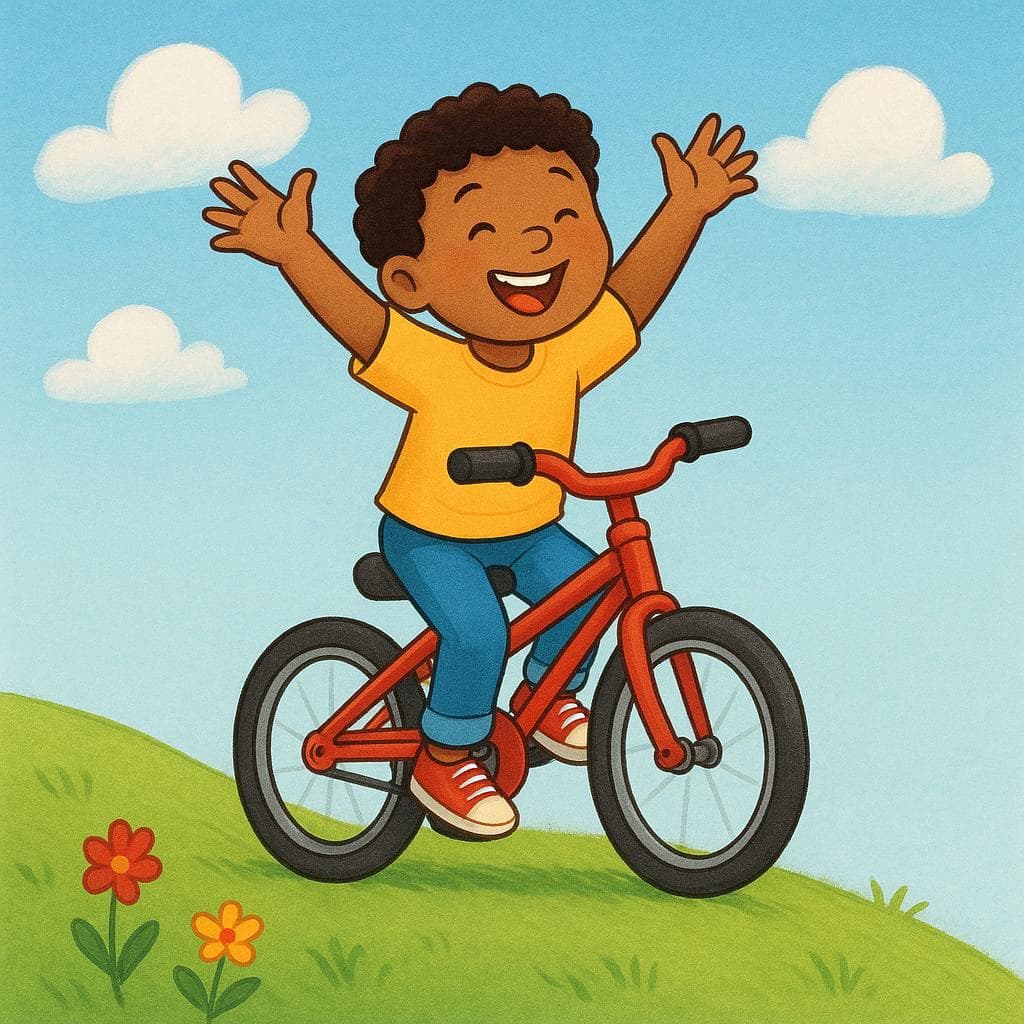
moviendo
moh-vee-EN-dohmoˈβjen.do

Examples
El chef está moviendo la sopa para que no se pegue.
The chef is stirring the soup so it doesn't stick.
El perro está moviendo la cola muy rápido.
The dog is moving its tail very fast.
Estamos moviendo las cajas pesadas al camión.
We are moving the heavy boxes to the truck.
Forming the Continuous Tense
'Moviendo' is the '-ing' form (the gerund). It combines with 'estar' to show an action happening right now: 'Estoy moviendo' (I am moving).
Using the Gerund Alone
Mistake: “Yo moviendo los muebles.”
Correction: Yo estoy moviendo los muebles. Remember, 'moviendo' needs a helper verb like 'estar' to make a complete sentence.
agitación
Examples
La agitación constante de la mezcla es crucial para la reacción.
The constant stirring of the mixture is crucial for the reaction.
movimiento
moh-vee-mee-EHN-tohmo.βiˈmjen.to

Examples
Sentí un ligero movimiento en la habitación y me desperté.
I felt a slight stirring in the room and woke up.
Hizo un movimiento brusco y se cayó.
He made a sudden movement and fell down.
Necesitas más movimiento para ejercitar los músculos.
You need more motion to exercise your muscles.
Los movimientos de la gimnasta fueron perfectos.
The gymnast's movements were perfect.
Use with 'Hacer'
To talk about performing a single action or gesture, Spanish often uses the verb 'hacer' (to make/do) with 'movimiento': 'Hacer un movimiento' (To make a movement).
emocionante
eh-moh-syoh-NAHN-tehemoˈθjonante
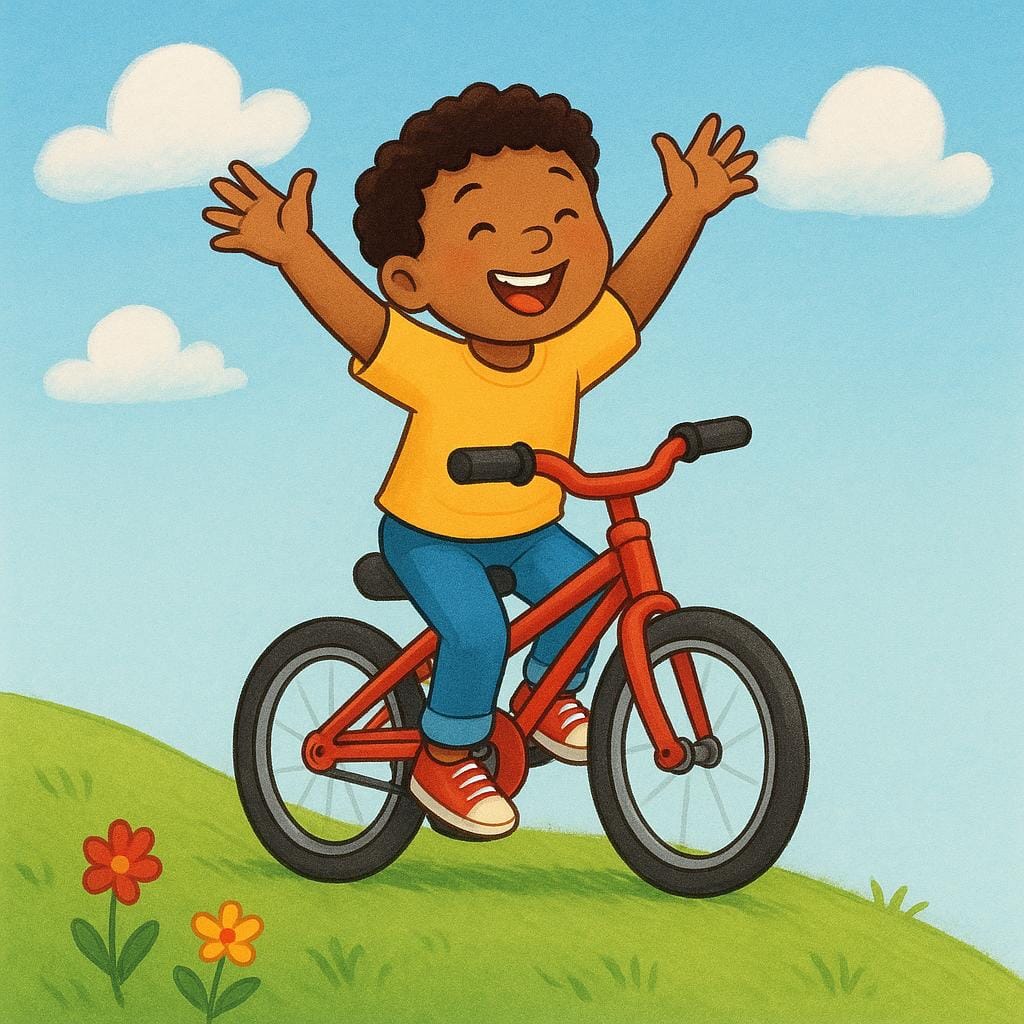
Examples
La película tuvo un final muy emocionante que nos dejó sin aliento.
The movie had a very stirring ending that left us breathless.
El final del partido de fútbol fue realmente emocionante.
The end of the soccer game was truly exciting (or thrilling).
Viajar sola por Asia ha sido la experiencia más emocionante de mi vida.
Traveling alone through Asia has been the most thrilling experience of my life.
Su discurso sobre la unidad nacional fue muy emocionante para todos los presentes.
His speech about national unity was very moving for everyone present.
Gender Agreement
Since 'emocionante' ends in '-e', it describes both masculine and feminine things without changing form (e.g., 'el libro emocionante', 'la película emocionante'). You only need to change the ending to '-es' for plural (e.g., 'los momentos emocionantes').
Action vs. State
Adjectives ending in '-ante' describe the cause of the action. 'Emocionante' means the thing ITSELF is exciting or moving. Contrast this with 'emocionado', which describes the person feeling the excitement.
Confusing Emocionante and Emocionado
Mistake: “Using 'Estoy emocionante' to say 'I am excited'.”
Correction: The correct phrase is 'Estoy emocionado/a' (I am excited). Use 'emocionante' only to describe the thing that caused your feeling: 'La noticia es emocionante' (The news is exciting).
Stirring vs. Exciting
Related Translations
Learn Spanish with Inklingo
Interactive stories, personalized learning, and more.