How to Say "moving" in Spanish
The most common Spanish word for “moving” is “moviendo” — use this when describing something that is physically in the process of changing its position or location.



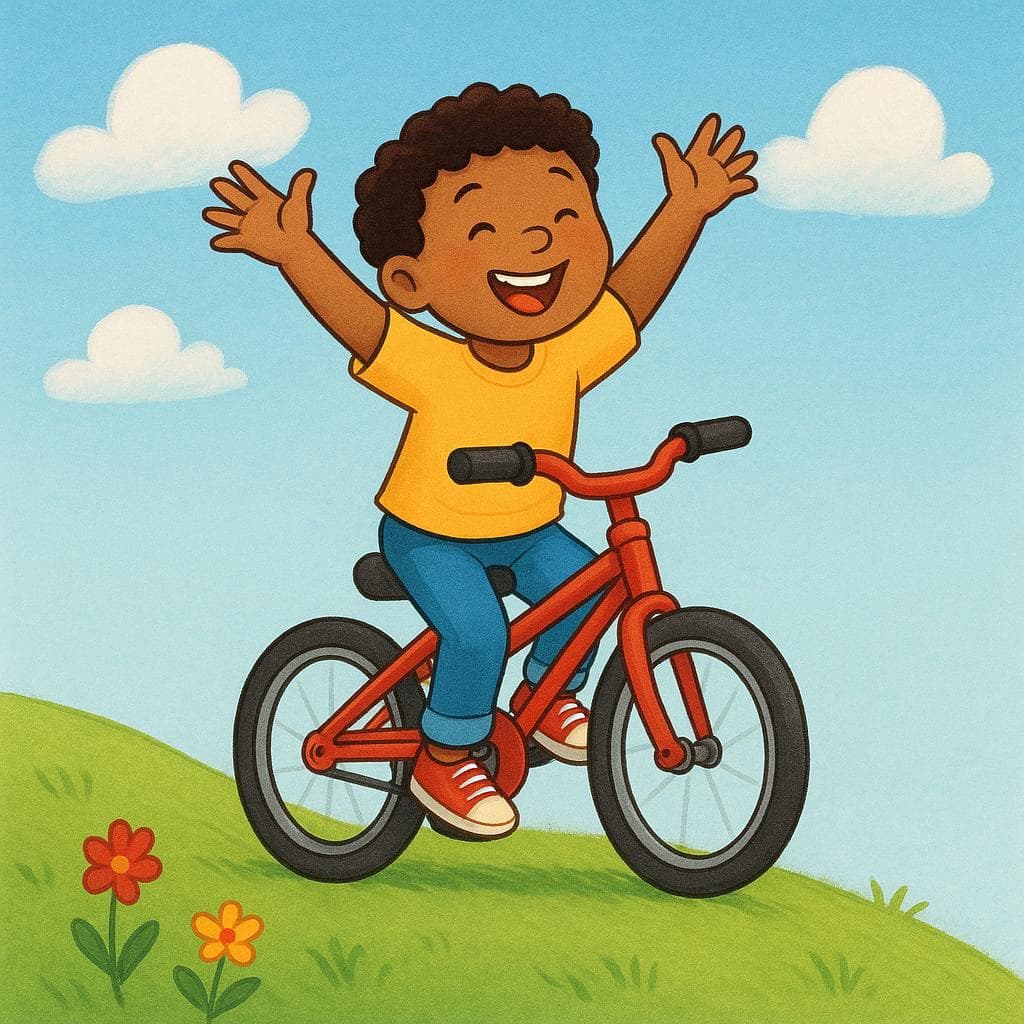



moviendo
moh-vee-EN-dohmoˈβjen.do

Examples
El coche está moviendo muy rápido.
The car is moving very fast.
El perro está moviendo la cola muy rápido.
The dog is moving its tail very fast.
Estamos moviendo las cajas pesadas al camión.
We are moving the heavy boxes to the truck.
El chef está moviendo la sopa para que no se pegue.
The chef is stirring the soup so it doesn't stick.
Forming the Continuous Tense
'Moviendo' is the '-ing' form (the gerund). It combines with 'estar' to show an action happening right now: 'Estoy moviendo' (I am moving).
Using the Gerund Alone
Mistake: “Yo moviendo los muebles.”
Correction: Yo estoy moviendo los muebles. Remember, 'moviendo' needs a helper verb like 'estar' to make a complete sentence.
moviéndose
mo-VYEN-doh-saymoˈβjendose

Examples
El gato se está moviéndose por toda la casa.
The cat is moving all over the house.
El perro está moviéndose mucho mientras duerme.
The dog is moving a lot while it sleeps.
Sigue moviéndose para no tener frío.
Keep moving so you don't get cold.
Moviéndose así, vas a terminar cansado.
Moving like that, you are going to end up tired.
The Tag-Along Pronoun
The 'se' at the end refers back to the person or thing doing the action. It's like saying 'moving itself' or 'moving themselves'.
Why the Accent?
When we add 'se' to the end of 'moviendo', the word gets longer. We add an accent mark on the 'e' to make sure you still put the emphasis on the right part of the word.
Forgetting the Accent
Mistake: “moviendose”
Correction: moviéndose - In Spanish, when you add pronouns to a gerund (the -iendo form), you must add an accent mark to maintain the original sound.
andando
an-DAHN-dohanˈdando

Examples
Mi abuela está andando más despacio últimamente.
My grandmother is walking slower lately.
¿Qué estás haciendo? Estoy andando por el parque.
What are you doing? I am walking through the park.
Este reloj ha estado andando perfectamente por años.
This watch has been running perfectly for years.
Forming Continuous Tenses
Use 'andando' after a form of the verb 'estar' (to be) to show an action happening right now: 'Estamos andando' means 'We are walking.'
Verbs of Continuation
You can also use 'andando' after verbs like 'seguir' (to continue) or 'ir' (to go) to mean 'to keep walking' or 'to go on doing something.'
Mixing up 'Andar' and 'Caminar'
Mistake: “Using 'andar' when you specifically mean walking for exercise or leisure (e.g., 'Voy a andar por la playa').”
Correction: While understandable, 'caminar' is usually preferred for intentional, recreational walking. 'Andar' often means just 'to be moving' or 'to function.'
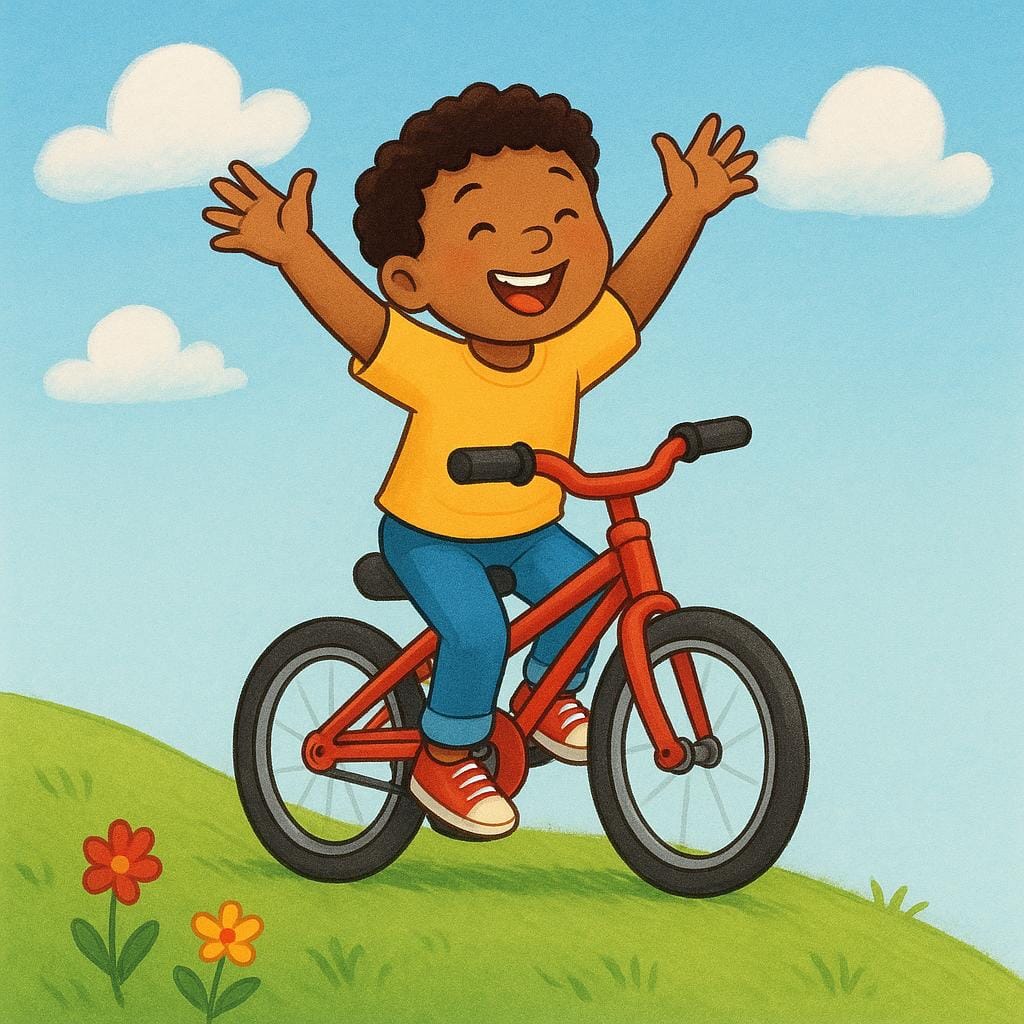
emocionante
eh-moh-syoh-NAHN-tehemoˈθjonante
Examples
El final del partido de fútbol fue realmente emocionante.
The end of the soccer game was truly exciting.
Viajar sola por Asia ha sido la experiencia más emocionante de mi vida.
Traveling alone through Asia has been the most thrilling experience of my life.
Su discurso sobre la unidad nacional fue muy emocionante para todos los presentes.
His speech about national unity was very moving for everyone present.
Gender Agreement
Since 'emocionante' ends in '-e', it describes both masculine and feminine things without changing form (e.g., 'el libro emocionante', 'la película emocionante'). You only need to change the ending to '-es' for plural (e.g., 'los momentos emocionantes').
Action vs. State
Adjectives ending in '-ante' describe the cause of the action. 'Emocionante' means the thing ITSELF is exciting or moving. Contrast this with 'emocionado', which describes the person feeling the excitement.
Confusing Emocionante and Emocionado
Mistake: “Using 'Estoy emocionante' to say 'I am excited'.”
Correction: The correct phrase is 'Estoy emocionado/a' (I am excited). Use 'emocionante' only to describe the thing that caused your feeling: 'La noticia es emocionante' (The news is exciting).
conmovedor
kon-mo-beh-DORkommoðeˈðoɾ

Examples
La película tuvo un final muy conmovedor.
The movie had a very touching ending.
Escuchamos un relato conmovedor sobre la vida de los refugiados.
We heard a moving story about the lives of the refugees.
Fue conmovedor ver a los dos hermanos reunirse después de tantos años.
It was heart-stirring to see the two brothers reunite after so many years.
Adding 'a' for Feminine
Unlike adjectives ending in 'e' (like 'triste'), words ending in 'dor' need an 'a' at the end when describing feminine things. Use 'conmovedor' for masculine and 'conmovedora' for feminine.
Placement for Emphasis
Usually, this word goes after the thing it describes (un libro conmovedor). If you put it before (un conmovedor libro), it sounds more poetic and emphasizes the emotion.
Using 'emocionante' for 'moving'
Mistake: “La película fue muy emocionante (when you mean it made you cry).”
Correction: La película fue muy conmovedora.
emotivo
eh-mo-TEE-boe.mo.ˈti.βo

Examples
Fue un reencuentro muy emotivo después de diez años.
It was a very moving reunion after ten years.
El director dio un discurso emotivo sobre el futuro.
The director gave a touching speech about the future.
Ella es una persona muy emotiva y llora con las películas.
She is a very emotional person and cries at movies.
Gender Agreement
This word must match the gender of the thing you are describing. Use 'emotivo' for masculine words (un libro emotivo) and 'emotiva' for feminine words (una carta emotiva).
Position of the Word
When you want to emphasize how moving something is, you usually place 'emotivo' after the noun, like 'un final emotivo'.
Emotivo vs. Emocionante
Mistake: “Using 'emotivo' to mean 'exciting'.”
Correction: Use 'emocionante' for excitement (like a soccer game) and 'emotivo' for things that touch your heart (like a wedding).
patético
pah-TEH-tee-kohpaˈtetiko

Examples
El discurso del anciano sobre la guerra fue profundamente patético.
The old man's speech about the war was profoundly moving (pitiable).
La escena final, con la música lenta, era patética y nos hizo llorar.
The final scene, with the slow music, was moving and made us cry.
Physical Motion vs. Emotional Impact
Related Translations
Learn Spanish with Inklingo
Interactive stories, personalized learning, and more.