How to Say "stroke" in Spanish
The most common Spanish word for “stroke” is “golpe” — use this word when referring to a sudden, often negative, event or impact, like a 'hard blow' or 'setback'.




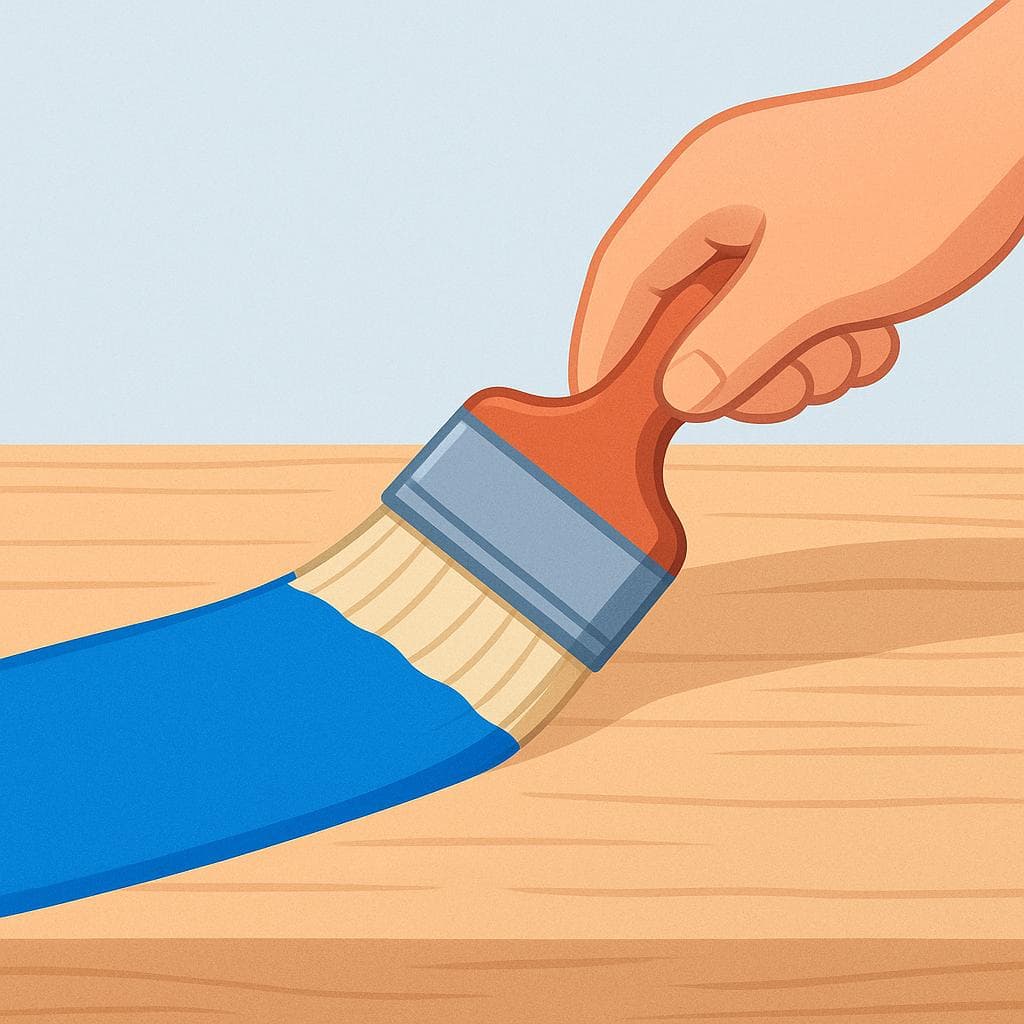

golpe
GOHL-pehˈɡolpe

Examples
La pérdida de su trabajo fue un golpe terrible.
Losing his job was a terrible blow.
La crisis económica fue un golpe duro para muchas empresas.
The economic crisis was a hard blow/shock for many companies.
¡Qué golpe de suerte! Encontré el anillo perdido.
What a stroke of luck! I found the lost ring.
Ella se fue de golpe, sin despedirse.
She left suddenly, without saying goodbye.
Adverbial Use
The phrase 'de golpe' acts like an adverb, describing how something happens, usually meaning 'very quickly' or 'unexpectedly'.
caricia
kah-REE-syahkaˈɾisja

Examples
Le dio una suave caricia en la mejilla.
He gave her a gentle stroke on the cheek.
El bebé sonrió con la caricia de su madre.
The baby smiled with his mother's caress.
Sentí la suave caricia del viento en mi cara.
I felt the gentle caress of the wind on my face.
Tus palabras fueron una caricia para mi alma en ese momento difícil.
Your words were a caress for my soul during that difficult moment.
Always Feminine
This word is always feminine. Even when talking about a man giving the caress, you always say 'la caricia'.
Using it with Verbs
To say 'to caress,' you don't just say 'cariciar' (which isn't a word). You use the phrase 'hacer una caricia' or the separate verb 'acariciar'.
The 'El' Trap
Mistake: “Me gusta el caricia.”
Correction: Me gusta la caricia. Words ending in -ia are almost always feminine.
Inventing Verbs
Mistake: “Yo caricio al perro.”
Correction: Yo acaricio al perro. The verb form is 'acariciar,' not 'cariciar'.
derrame
deh-rrah-mehdeˈrame

Examples
El paciente sufrió un derrame mientras dormía.
The patient suffered a stroke while sleeping.
Mi tío se está recuperando de un derrame cerebral.
My uncle is recovering from a stroke.
El médico dijo que tenía un derrame en la rodilla.
The doctor said he had fluid on the knee.
Un fuerte golpe puede causar un derrame interno.
A heavy blow can cause internal bleeding.
Using Adjectives
To specify which medical issue it is, always add an adjective like 'cerebral' (brain) or 'articular' (joint).
Confusing with 'Ataque'
Mistake: “Tuvo un ataque cerebral.”
Correction: While understood, 'derrame cerebral' is the more common way to describe a stroke caused by bleeding.
estilo
es-TEE-lohesˈtilo

Examples
Ella nada el estilo libre muy rápido.
She swims the freestyle stroke very fast.
El nadador ganó la carrera en el estilo mariposa.
The swimmer won the race using the butterfly stroke (style).
El músico tocaba el piano con gran estilo y pasión.
The musician played the piano with great flair and passion.
Describing Action
When 'estilo' refers to flair or elegance, you often use the word 'con' (with) before it to describe how an action is performed, like 'cantar con estilo' (to sing with style).
pasada
pah-SAH-dahpaˈsaða
Examples
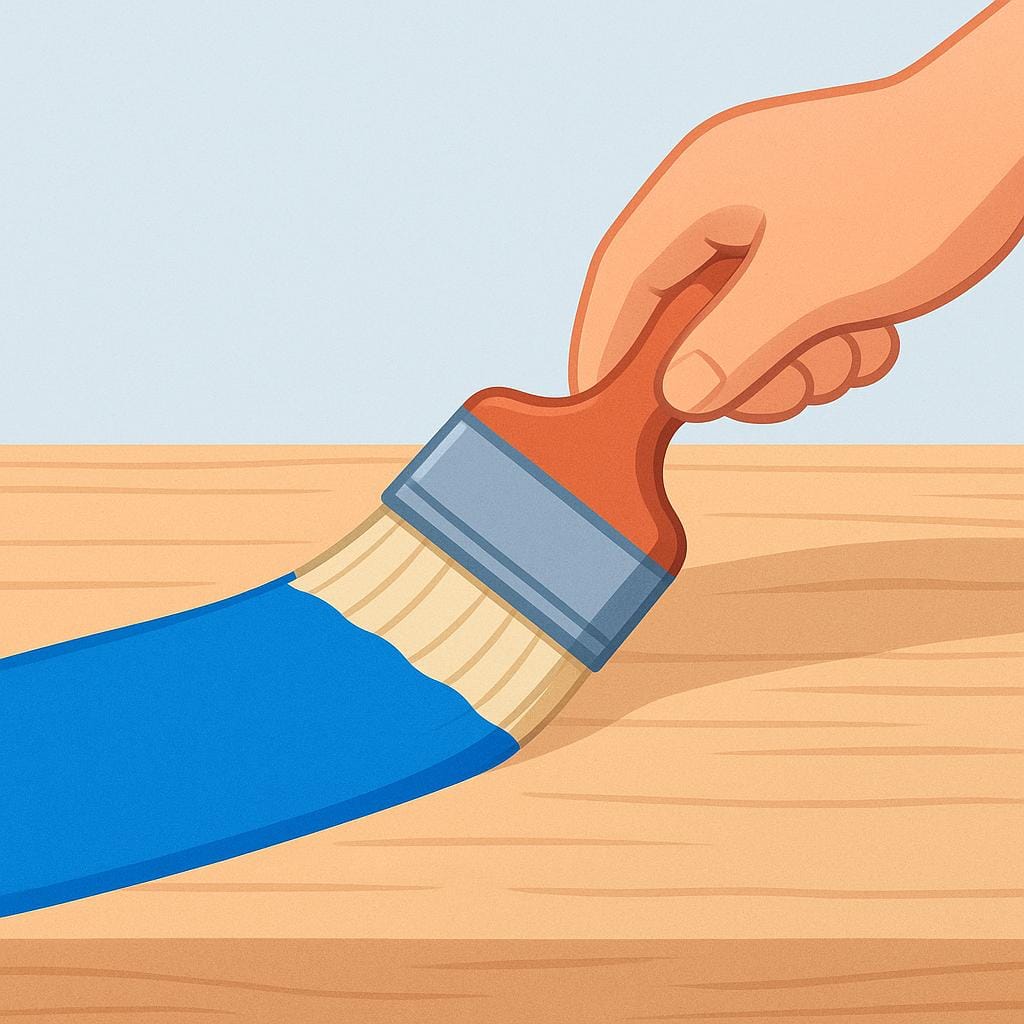
Solo falta una pasada de barniz.
Only one more coat/stroke of varnish is needed.
Esta pared necesita una segunda pasada de pintura blanca.
This wall needs a second coat of white paint.
Con una pasada de la plancha, la camisa quedó perfecta.
With one stroke of the iron, the shirt was perfect.
Counting Layers
When talking about layers, use ordinal numbers (primera, segunda) or cardinal numbers (una, dos, tres) before 'pasada': 'la tercera pasada de barniz' (the third coat of varnish).
rasgo
RAHS-goˈrasɡo

Examples
El pintor usó un pincel fino para cada rasgo.
The painter used a fine brush for each stroke.
La firma tiene rasgos muy elegantes.
The signature has very elegant strokes.
Con unos pocos rasgos, el artista dibujó su cara.
With just a few strokes, the artist drew his face.
Abstract vs. Concrete
While the first meaning is about abstract qualities, this meaning is about physical lines on a page.
Confusing 'Golpe' and 'Derrame'
Related Translations
Learn Spanish with Inklingo
Interactive stories, personalized learning, and more.