How to Say "stubborn" in Spanish
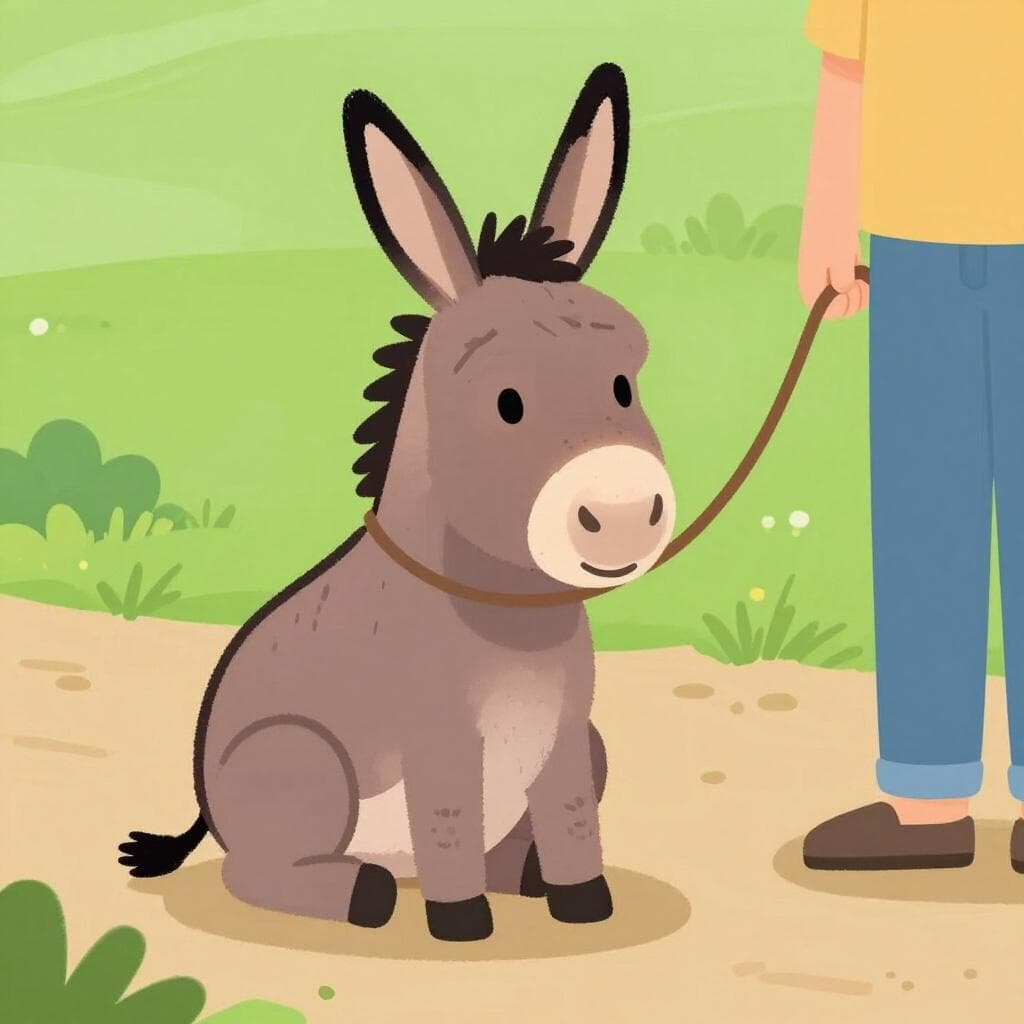
The most common Spanish word for “stubborn” is “terco” — use 'terco' for someone who generally refuses to change their mind or accept different viewpoints, often in a persistent way.



terco
TAIR-kohˈteɾ.ko

Examples
Mi abuelo es muy terco y no quiere ir al médico.
My grandfather is very stubborn and doesn't want to go to the doctor.
No seas tan terco, escucha los consejos de tus amigos.
Don't be so stubborn; listen to your friends' advice.
A pesar de las pruebas, él se mantiene terco en su posición.
Despite the evidence, he remains stubborn in his position.
Matching the Gender
The word ends in 'o' for men (terco) and changes to 'a' for women (terca).
Being vs. Acting
Use 'ser' to describe a personality trait (He is a stubborn person), but use 'ponerse' to describe someone just being difficult in a specific moment.
Don't use it for objects
Mistake: “La puerta está terca.”
Correction: La puerta está trabada o dura.
obstinado
ob-stee-NAH-dohobs.ti.ˈna.ðo
Examples
Mi abuelo es un hombre muy obstinado.
My grandfather is a very stubborn man.
Se mostró obstinado en su decisión de no vender la casa.
He remained stubborn in his decision not to sell the house.
No seas tan obstinado y escucha los consejos de tus amigos.
Don't be so stubborn and listen to your friends' advice.
Word Endings for Gender
Since this is an adjective, you must change the ending to match the person: 'obstinado' for a man and 'obstinada' for a woman.
Using with 'Ser' vs 'Estar'
Use 'ser' when describing a person's personality trait (who they are). Use 'estar' if they are just acting stubborn in a specific moment.
Thinking it's always negative
Mistake: “Using 'obstinado' only as an insult.”
Correction: In some contexts, especially in literature, it can imply a respectable level of persistence or determination.
Gender mismatch
Mistake: “Ella es muy obstinado.”
Correction: Say 'Ella es muy obstinada' because you are describing a female.
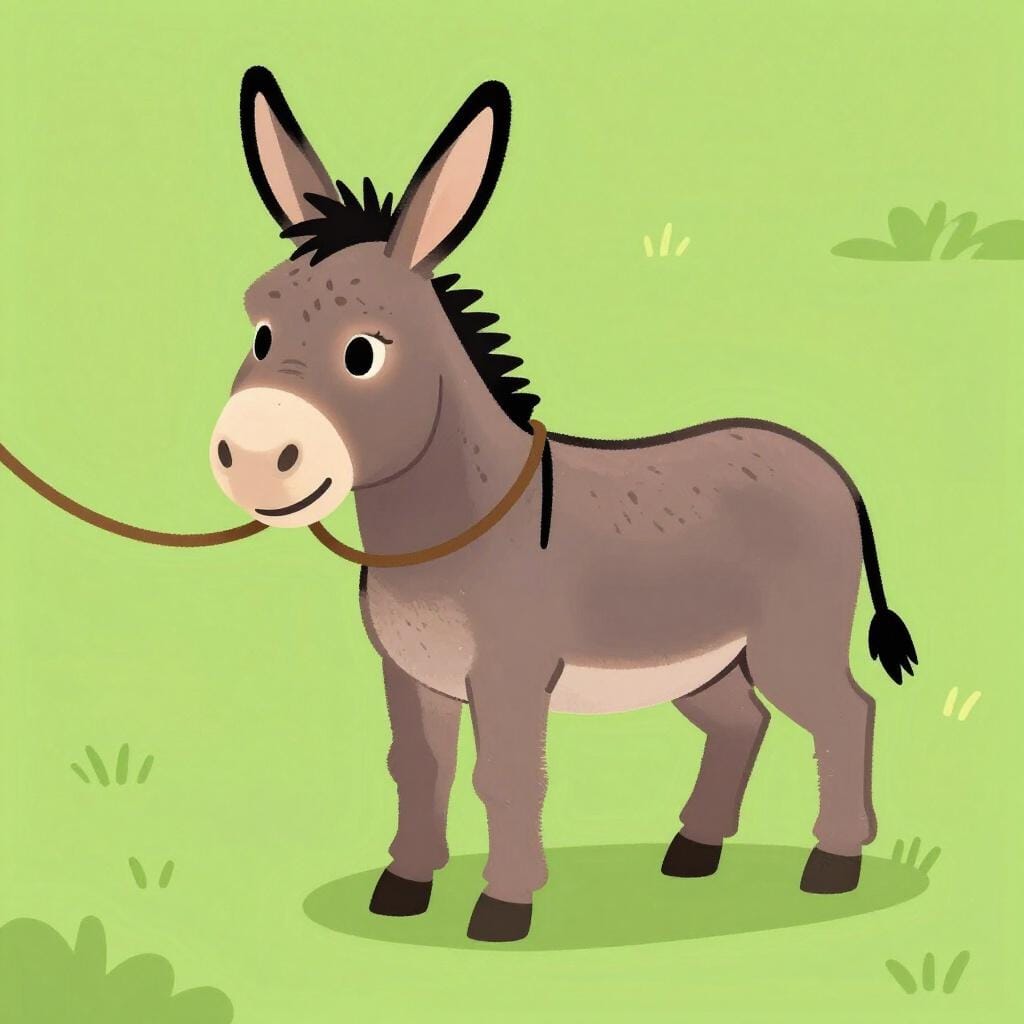
testarudo
tes-tah-ROO-dohtestaˈɾuðo
Examples
Mi abuelo es un hombre muy testarudo.
My grandfather is a very stubborn man.
No seas testarudo y acepta mi ayuda.
Don't be stubborn and accept my help.
Fue tan testaruda que no quiso leer las instrucciones.
She was so headstrong that she didn't want to read the instructions.
Matching for Men and Women
Since this is a word that describes people, you must change the ending to 'a' if you are talking about a woman (testaruda).
The 'To Be' Choice
Use 'ser' if being stubborn is part of someone's permanent personality, but use 'estar' if they are just acting stubborn in a specific moment.
Forgetting Gender Agreement
Mistake: “Mi hermana es testarudo.”
Correction: Mi hermana es testaruda. Always match the 'o' or 'a' to the person's gender.
dificil
dee-FEE-seel (Remember the stress is on the second 'i'!)diˈfi.sil
Examples
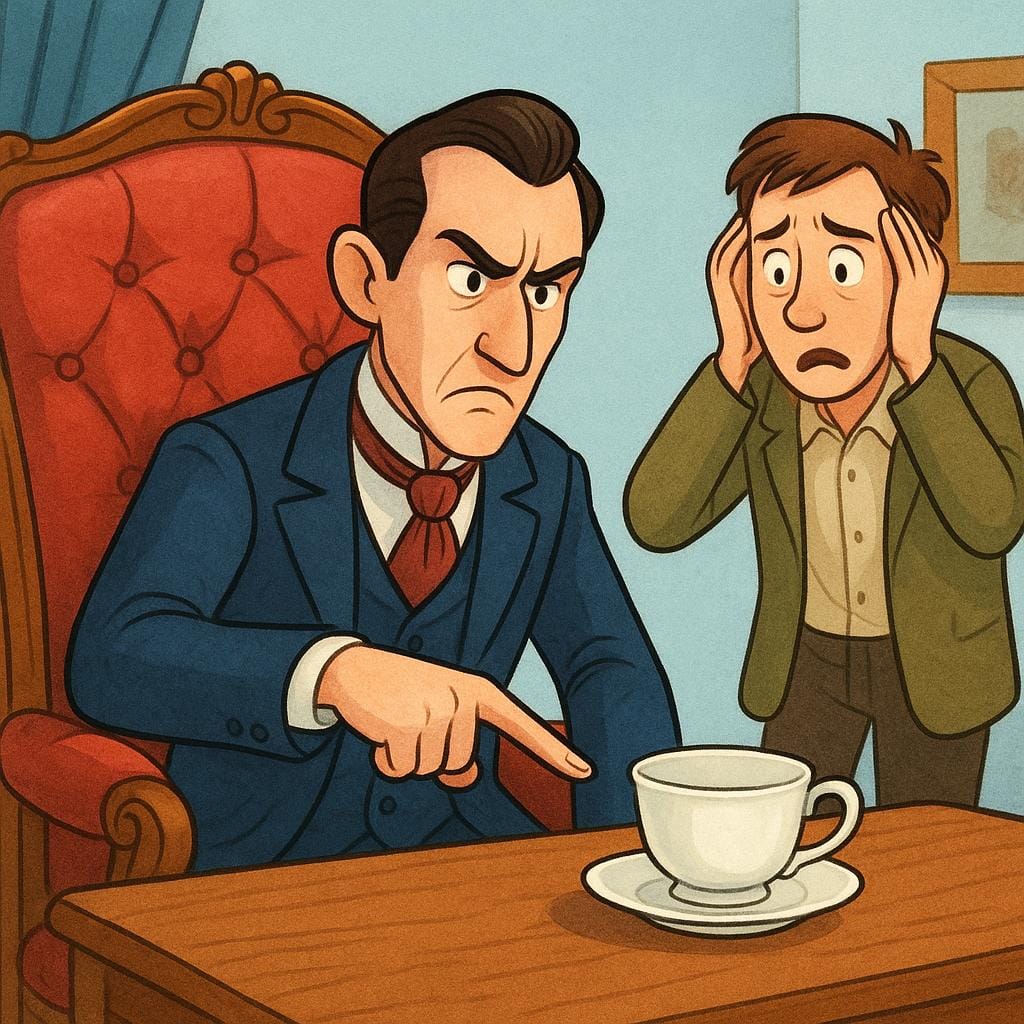
Es un niño muy difícil en la escuela; siempre quiere salirse con la suya.
He is a very difficult child at school; he always wants to get his own way.
La negociación fue difícil porque ninguna parte quería ceder.
The negotiation was tricky because neither side wanted to give in.
Describing People
When describing a permanent personality trait, you use the verb ser: 'Ella es difícil' (She is a difficult person).
necio
NEH-syohˈnesjo

Examples
Mi hijo se puso necio y no quiso comer sus verduras.
My son got stubborn and didn't want to eat his vegetables.
No te pongas necia, acepta que cometiste un error.
Don't get stubborn, admit that you made a mistake.
Es tan necio que prefiere perder el trabajo antes que pedir disculpas.
He is so stubborn that he prefers to lose his job rather than apologize.
Using 'Ponerse'
When someone starts acting stubborn, we usually use the verb 'ponerse' (to become/to get). For example: 'Se puso necio' means 'He got stubborn'.
Stubborn vs. Determined
Mistake: “Using 'necio' as a compliment for someone who works hard.”
Correction: Use 'perseverante' or 'determinado' for positive persistence. 'Necio' almost always implies the person is being annoying or wrong.
cerrado
se-RRAH-dohθeˈraðo/ or /seˈraðo

Examples
Es inútil discutir con él; es muy cerrado en sus creencias.
It's useless to argue with him; he is very narrow-minded in his beliefs.
Cuando le explico matemáticas, se pone muy cerrado y no lo capta.
When I explain math to him, he gets very dense/oblivious and doesn't get it.
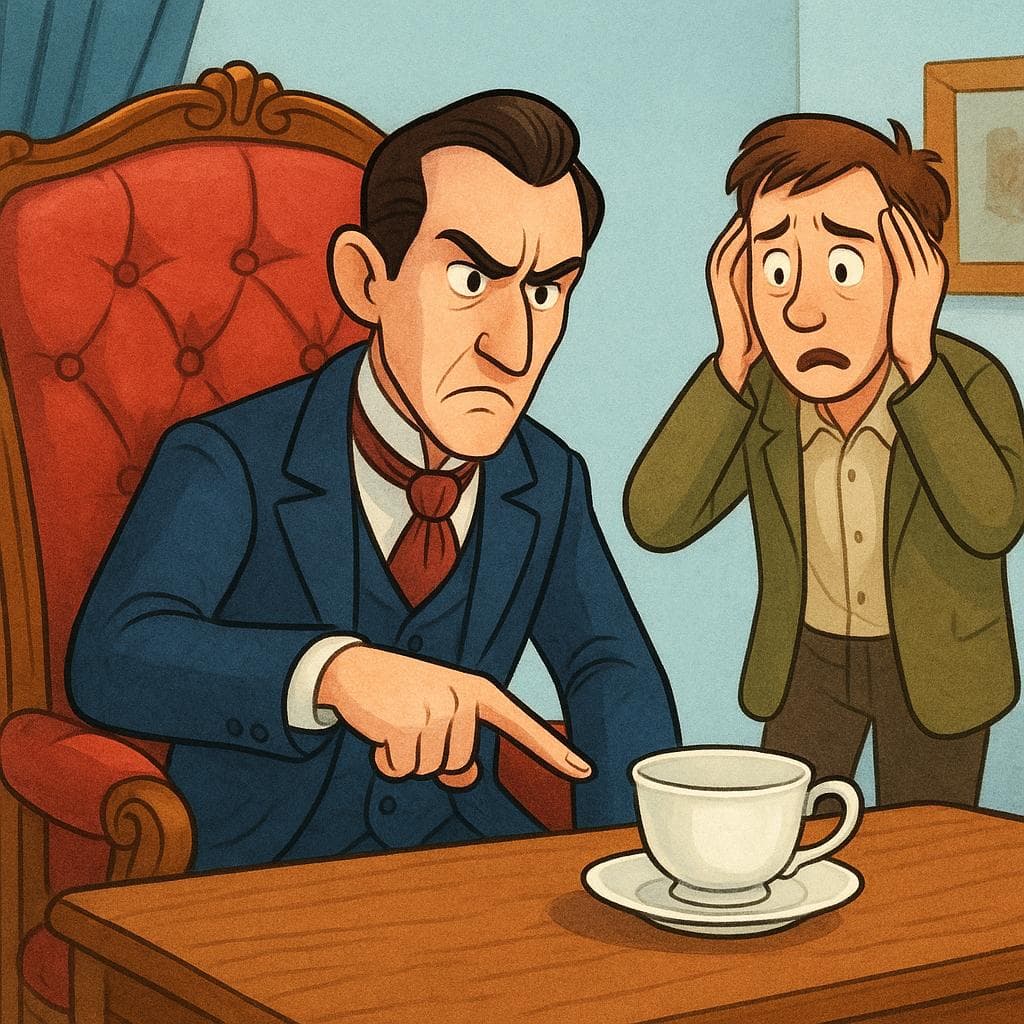
Terco, Obstinado, Testarudo Confusion
Related Translations
Learn Spanish with Inklingo
Interactive stories, personalized learning, and more.