How to Say "there are" in Spanish
The most common Spanish word for “there are” is “existen” — use 'existen' when you want to state the presence or existence of multiple things, often in a more formal or definitive way than 'hay'.

existen
eks-EES-tenekˈsisten

Examples
Existen muchas teorías sobre el origen de la vida.
Many theories exist about the origin of life.
Dicen que las sirenas no existen, pero yo no estoy seguro.
They say that mermaids do not exist, but I'm not sure.
En esta ciudad, existen muchos problemas de tráfico.
In this city, there are many traffic problems.
Ellos solo existen para hacer daño a los demás.
They only exist to harm others.
Subject Agreement
Since 'existen' is the 'they' form, you must use it when the thing that exists is plural: 'Existen tres libros' (Three books exist).
Existir vs. Hay
'Existen' is used when the subject is specified and agrees with the verb. 'Hay' is a special, fixed form that always means 'there is/are,' regardless of whether the thing is singular or plural: 'Hay tres libros' (There are three books).
Mixing Singular and Plural
Mistake: “Existe muchos problemas.”
Correction: Existen muchos problemas. ('Problemas' is plural, so the verb must be 'existen'.)
quedan
KAY-dahnˈkeðan
Examples
En la nevera solo quedan dos huevos.
There are only two eggs left in the fridge.
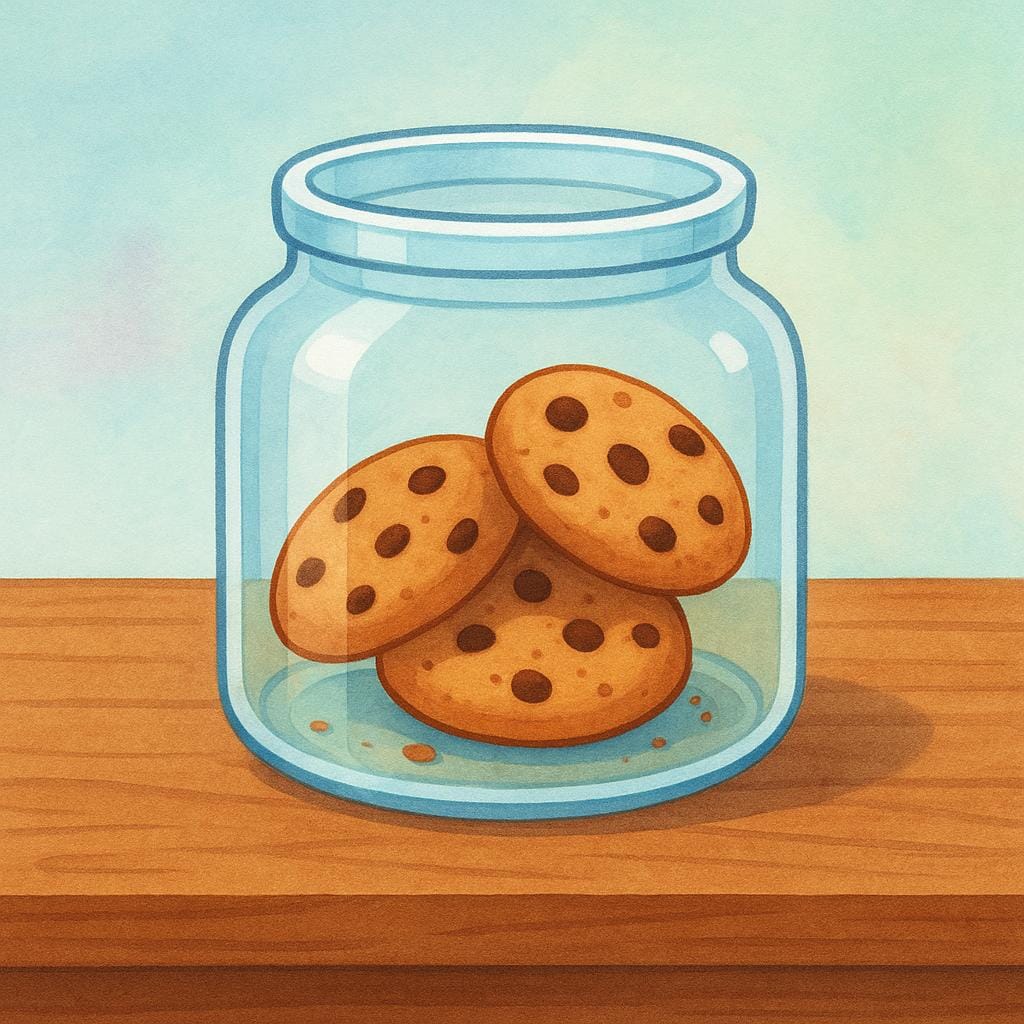
Solo quedan tres galletas en el plato.
Only three cookies are left on the plate.
Después de la liquidación, quedan pocos productos.
After the sale, few products remain.
Nos quedan dos horas para terminar el trabajo.
We have two hours left to finish the job. (Literally: Two hours remain to us...)
Structure like 'Gustar'
When talking about time or items 'remaining for us,' Spanish uses an indirect pronoun (like 'nos') before 'quedan.' The item remaining is the actual subject.
Mixing up 'quedan' and 'hay'
Mistake: “Using 'quedan' when you simply mean 'there are' for the first time.”
Correction: Use 'hay' (there are) to introduce something new, and 'quedan' (there are still/left) to emphasize what remains after something else has been taken away.
Existen vs. Quedan
Related Translations
Learn Spanish with Inklingo
Interactive stories, personalized learning, and more.