How to Say "tight" in Spanish
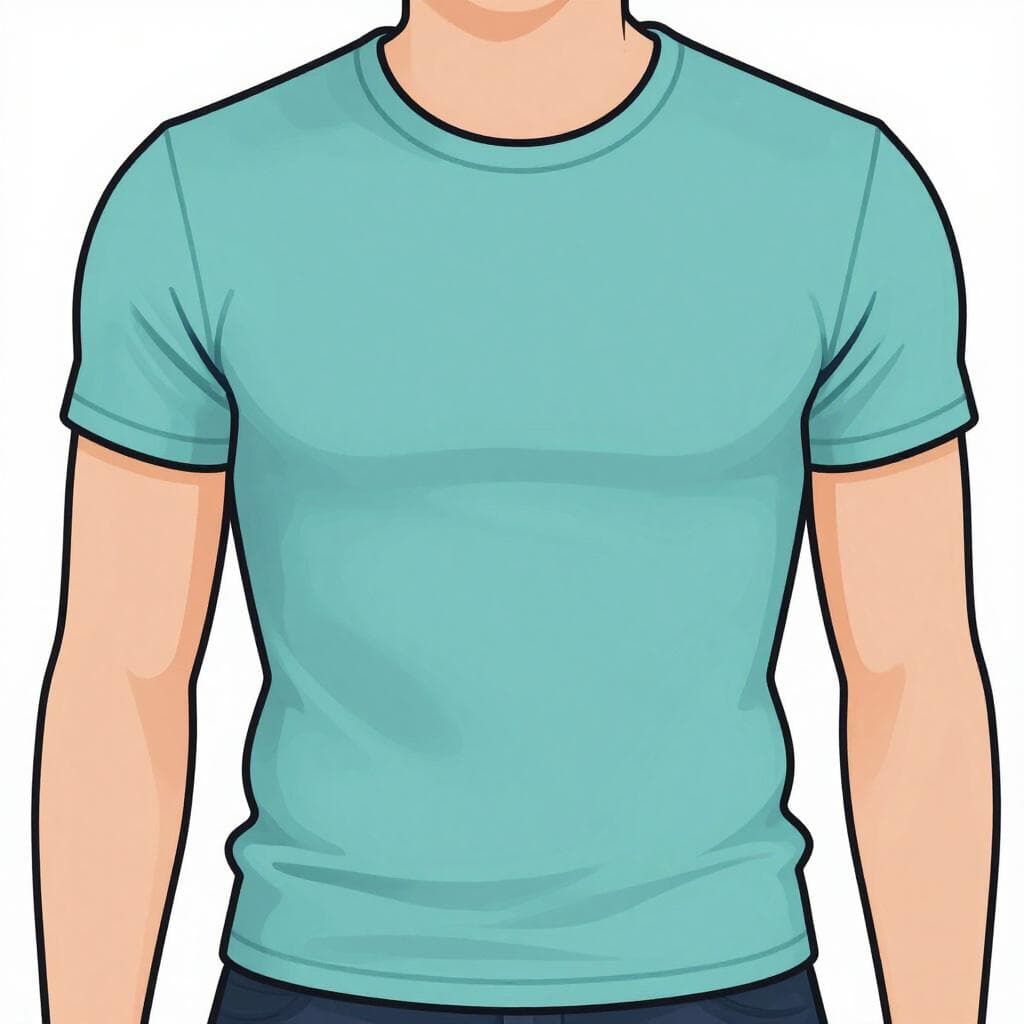
The most common Spanish word for “tight” is “ajustado” — use 'ajustado' when referring to clothing or objects that fit very closely to the body or a specific shape, implying a snug but often comfortable fit.



ajustado
ah-hoo-STAH-dohaxusˈtado

Examples
Llevo unos pantalones muy ajustados hoy.
I'm wearing very tight pants today.
Este vestido es demasiado ajustado para mí.
This dress is too tight for me.
La tapa de la caja está muy ajustada y no abre.
The lid of the box is very snug and won't open.
Tenemos un presupuesto muy ajustado para este viaje.
We have a very tight budget for this trip.
Matching the Noun
The ending of the word changes depending on what you are describing. Use 'ajustado' for masculine items (like pantalones) and 'ajustada' for feminine items (like una falda).
Describing vs. Result
Use 'ser' if the clothing is designed to be tight (a style), and 'estar' if it feels tight on you right now because of your size.
Using 'a'
When you want to say something is 'adjusted to' or 'conforms to' something else, use the preposition 'a'. For example: 'ajustado a la realidad' (adjusted to reality).
Don't forget the 'a'
Mistake: “La camisa es ajustado.”
Correction: La camisa es ajustada. Since 'camisa' is feminine, the adjective must end in 'a'.
Ajustado vs. Corto
Mistake: “Tengo un tiempo corto.”
Correction: Tengo el tiempo ajustado. In Spanish, we use 'ajustado' to describe a schedule with no room for error.
apretado
ah-preh-TAH-doha.pɾe.ˈta.ðo

Examples
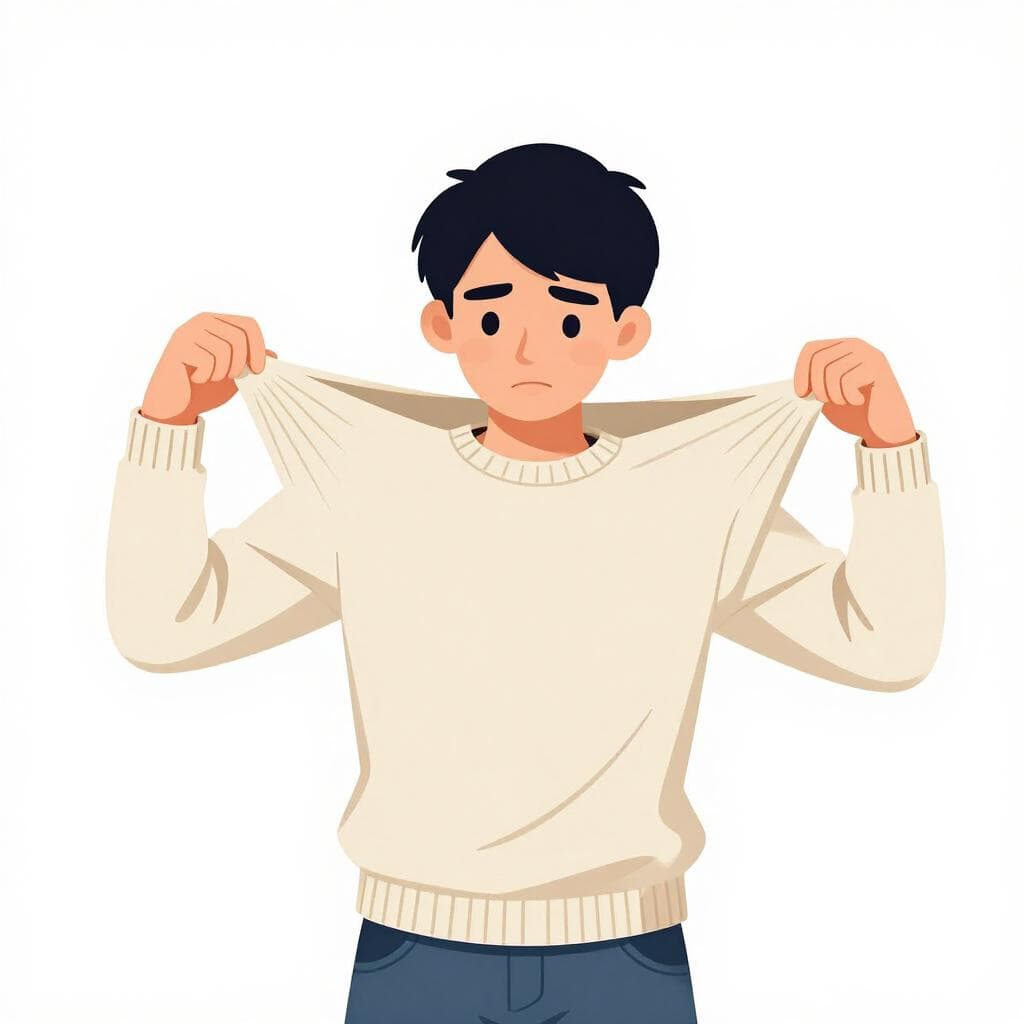
Estos zapatos me quedan muy apretados.
These shoes are very tight on me.
El metro iba tan apretado que no podía moverme.
The subway was so cramped that I couldn't move.
Matching the Noun
This word must match what you are describing. Use 'apretado' for masculine items (el zapato) and 'apretada' for feminine items (la camisa).
Tight vs. Narrow
Mistake: “Using 'estrecho' to describe small shoes.”
Correction: Use 'apretado' for things that feel tight on your body; 'estrecho' means a space is physically narrow (like a hallway).
estrecho
es-TRE-choesˈtɾet͡ʃo

Examples
Estos zapatos me quedan un poco estrechos.
These shoes feel a bit tight on me.
No me gusta llevar pantalones tan estrechos.
I don't like wearing such tight pants.
La camisa es bonita pero me queda estrecha de hombros.
The shirt is nice but it's tight in the shoulders.
Using 'quedar'
In Spanish, we use the verb 'quedar' with 'estrecho' to say how clothes fit. Example: 'Me queda estrecho' (It fits me tightly).
The 'Fitted' vs. 'Tight' Trap
Mistake: “Mis pantalones son estrechos (meaning they are purposely skinny jeans).”
Correction: While okay, 'pantalones de pitillo' or 'ajustados' is more common for the style. 'Estrechos' often implies they are uncomfortably tight.
justo
HOOS-tohˈxusto
Examples
Me gusta cómo me queda este vestido, es justo pero cómodo.
I like how this dress fits me, it's tight but comfortable.
El profesor es muy justo con todos los estudiantes.
The teacher is very fair with all the students.
Necesito la cantidad justa de azúcar para la receta.
I need the exact amount of sugar for the recipe.
Estos pantalones me quedan un poco justos.
These pants are a bit tight on me.
Making it Match: Gender and Number
When 'justo' is used to describe something (as an adjective), it needs to match the thing it's describing. It changes its ending: justo (for masculine things), justa (for feminine things), justos (for masculine plural), and justas (for feminine plural).
Using 'justo' for 'only'
Mistake: “Quiero justo un café.”
Correction: Quiero solo un café. (I only want one coffee.) Use 'solo' or 'solamente' when you mean 'only' or 'just' in the sense of quantity.
reducido
ray-doo-SEE-dohreðuˈsiðo

Examples
Tenemos un presupuesto muy reducido para este viaje.
We have a very tight budget for this trip.
Vivimos en un apartamento muy reducido.
We live in a very small apartment.
Solo un grupo reducido de personas puede entrar.
Only a limited group of people can enter.
Contamos con un presupuesto reducido para este viaje.
We have a tight budget for this trip.
Matching the Noun
This word must change to match the gender and number of the thing it describes. Use 'reducido' for masculine items, 'reducida' for feminine, and add an 's' for plural (reducidos/reducidas).
Placement
Like most Spanish adjectives, 'reducido' usually comes after the noun it describes, such as 'un espacio reducido' (a small space).
Confusing with 'Pequeño'
Mistake: “Using 'reducido' to describe a small child.”
Correction: Use 'pequeño' for physical stature of people. 'Reducido' is better for spaces, groups, or quantities that have been limited or are naturally small.
tenso
TEN-soˈtenso

Examples
La cuerda tiene que estar muy tensa para que funcione.
The rope has to be very tight for it to work.
Hoy me siento un poco tenso por la reunión de mañana.
I feel a bit tense today because of tomorrow's meeting.
Había un ambiente tenso en la oficina después de la noticia.
There was a strained atmosphere in the office after the news.
Matching the word it describes
This word must change to match the gender of the person or object: use 'tenso' for men/masculine things and 'tensa' for women/feminine things.
Tenso vs. Tensión
Mistake: “Using 'tengo tenso' to say you have tension.”
Correction: Say 'estoy tenso' (I am tense) or 'tengo tensión' (I have tension).
Clothing Fit: Ajustado vs. Apretado vs. Estrecho
Related Translations
Learn Spanish with Inklingo
Interactive stories, personalized learning, and more.