How to Say "to strangle" in Spanish
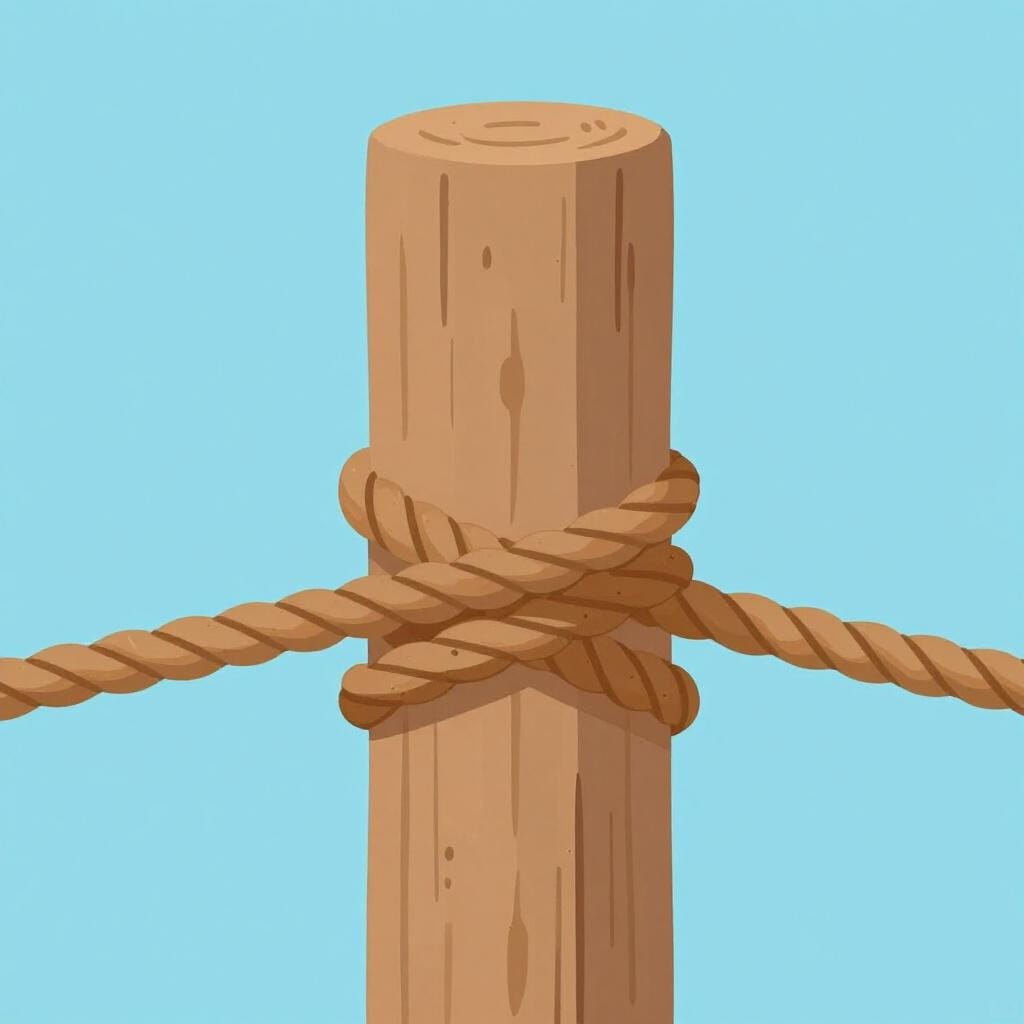
The most common Spanish word for “to strangle” is “estrangular” — use 'estrangular' when you mean to squeeze someone's neck, typically with the intention of causing harm or death, but not necessarily by hanging.
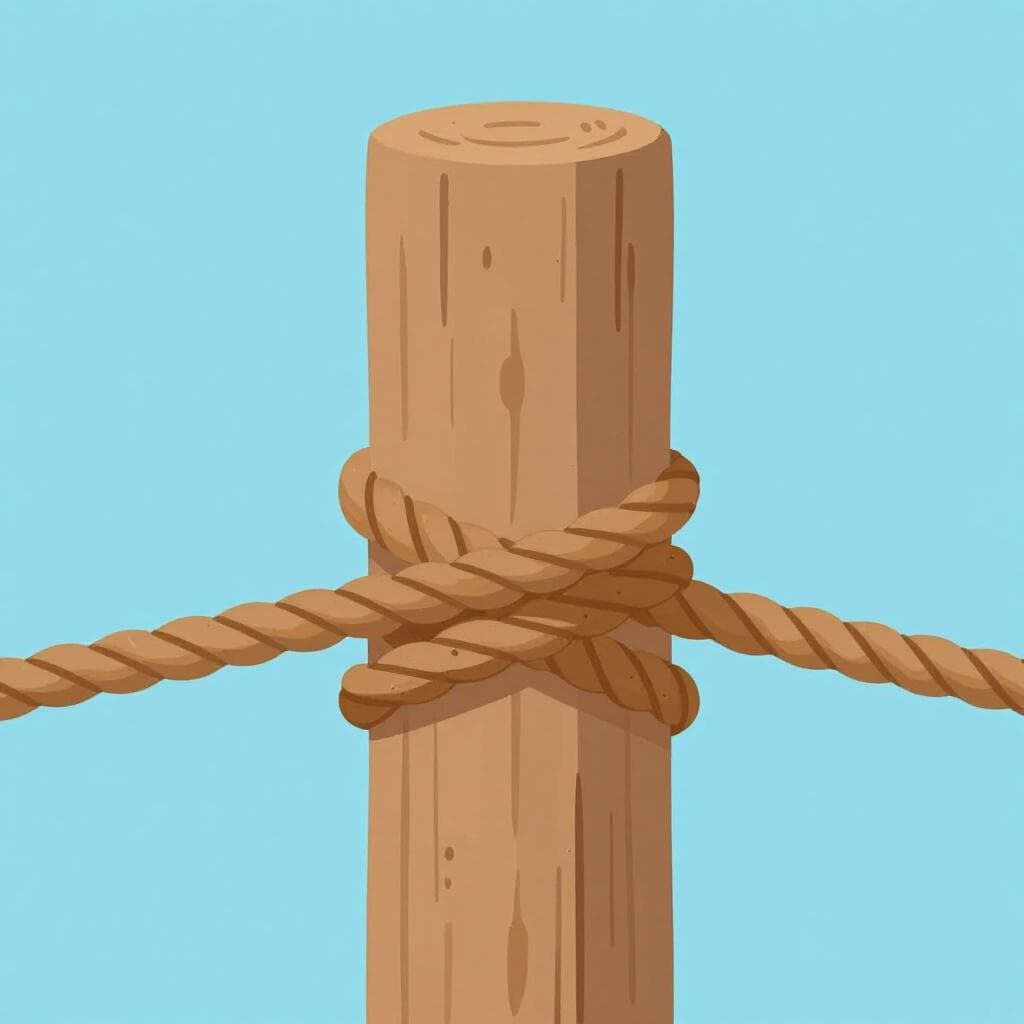
Use 'estrangular' when you mean to squeeze someone's neck, typically with the intention of causing harm or death, but not necessarily by hanging.
Learn more →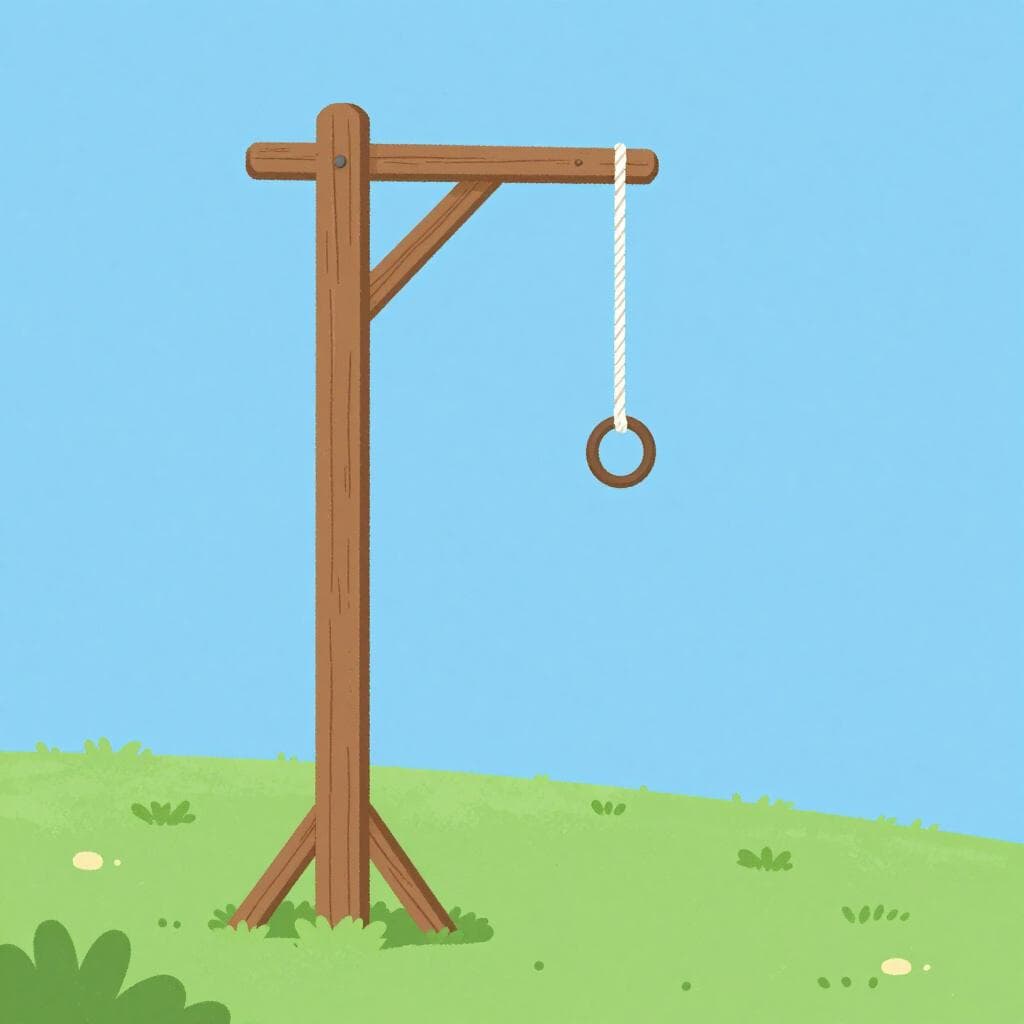
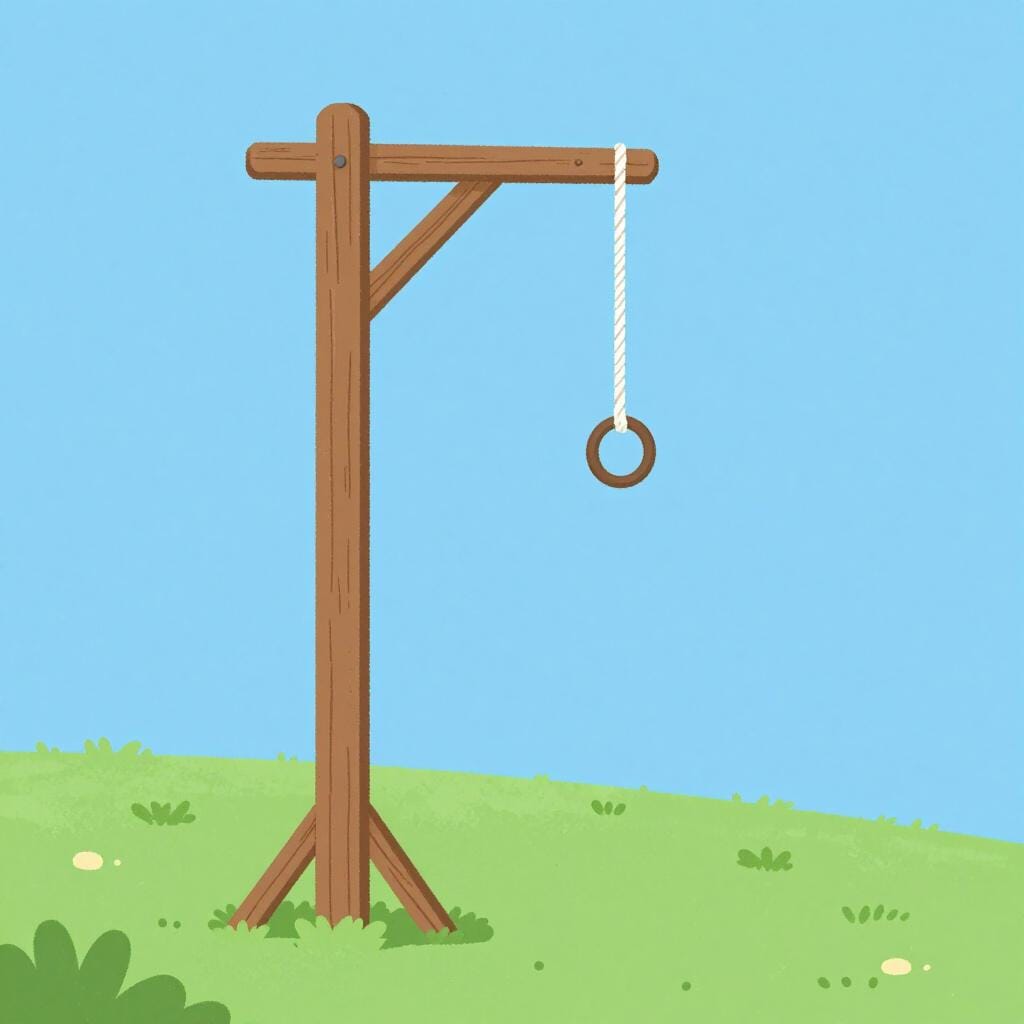
Use 'ahorcar' specifically when the act of strangulation results in death by hanging, often in a judicial or historical context.
Learn more →es-trahn-goo-LAHRestɾaŋɡuˈlaɾ
Examples
El ladrón intentó estrangular al guardia de seguridad.
The thief tried to strangle the security guard.
El asesino intentó estrangular a su víctima.
The killer tried to strangle his victim.
Ten cuidado con esa cuerda, no te vayas a estrangular.
Be careful with that rope, don't accidentally strangle yourself.
Las manos del atacante lo estrangularon con fuerza.
The attacker's hands throttled him with force.
The Personal 'A'
When you use this verb with a person (e.g., strangling someone), you must put 'a' before the person: 'Estrangular a alguien'.
Regular Pattern
This verb follows the standard -ar pattern. If you know how to conjugate 'hablar', you can conjugate this word perfectly.
Ahogar vs. Estrangular
Mistake: “El humo me está estrangulando.”
Correction: El humo me está ahogando.
ah-or-KARaoɾˈkaɾ
Examples
En algunas culturas, se solía ahorcar a los criminales como castigo.
In some cultures, criminals used to be hanged as punishment.
En la antigüedad, solían ahorcar a los piratas en el puerto.
In ancient times, they used to hang pirates in the harbor.
El hombre intentó ahorcarse, pero la cuerda se rompió.
The man tried to hang himself, but the rope broke.
Fue condenado a morir ahorcado por sus crímenes.
He was sentenced to die by hanging for his crimes.
The 'C' to 'QU' Switch
When you use the 'yo' form in the past (preterite) or the special 'wishes' forms (subjunctive), the 'c' changes to 'qu' so it keeps the hard 'K' sound: 'ahorqué' (I hanged) instead of 'ahorcé'.
Doing it to yourself
To say someone hung themselves, you must add 'se' (ahorcarse). Without 'se', the word needs someone else to receive the action.
Spelling 'ahorqué' incorrectly
Mistake: “Yo ahorcé al criminal.”
Correction: Yo ahorqué al criminal. (You need the 'qu' to keep the 'K' sound; 'ce' sounds like 'S' in Spanish).
Estrangular vs. Ahorcar
Learners often confuse 'estrangular' and 'ahorcar'. Remember that 'estrangular' is the broader term for choking or strangling, while 'ahorcar' specifically means to hang someone to death.
Related Translations
Learn Spanish with Inklingo
Interactive stories, personalized learning, and more.