How to Say "to treat" in Spanish
The most common Spanish word for “to treat” is “tratar” — use this when referring to how someone behaves towards another person or when describing medical attention given to a patient or a chemical process.

Use this when referring to how someone behaves towards another person or when describing medical attention given to a patient or a chemical process.
Learn more →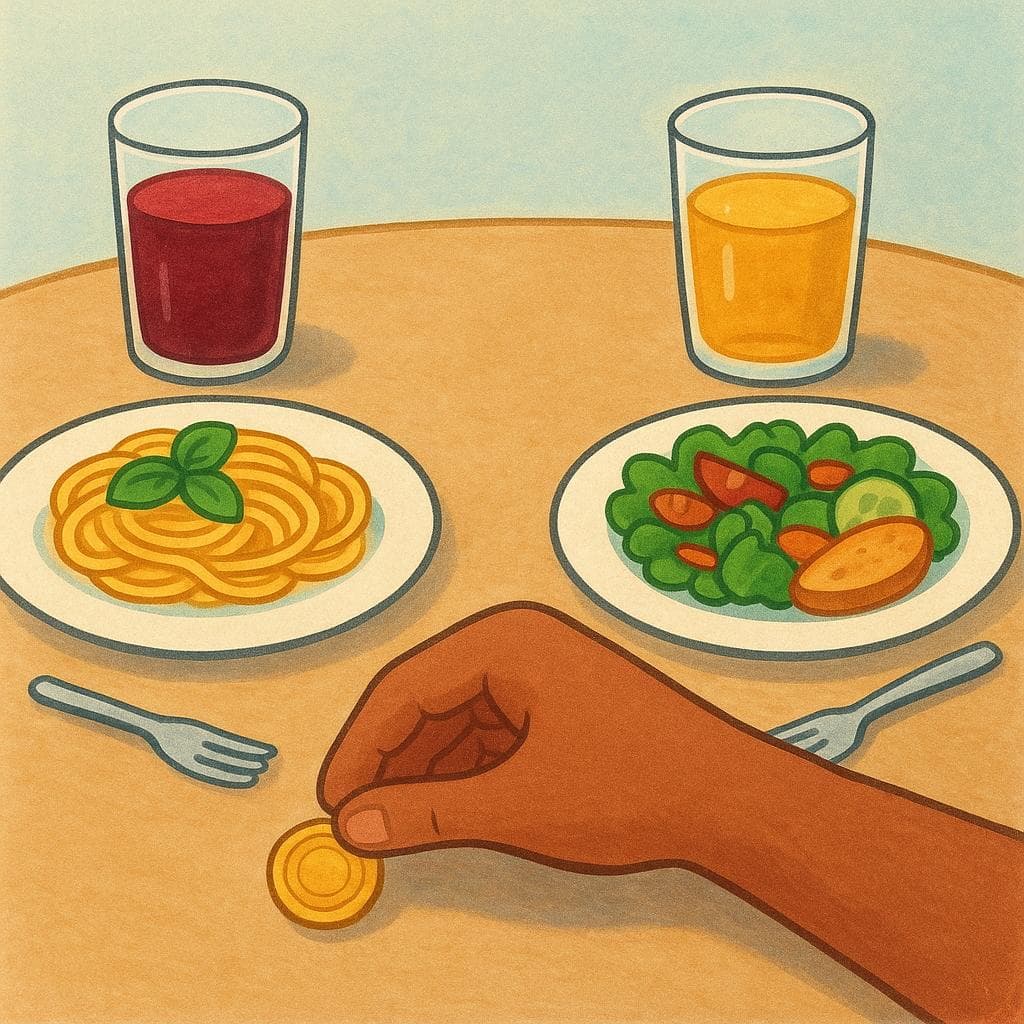
Use this when you are paying for food or drinks for someone else, essentially 'treating' them to a meal or beverage.
Learn more →
Use this exclusively when referring to the act of healing a patient or an injury, implying a complete recovery from illness or damage.
Learn more →trah-TARtɾaˈtaɾ

Examples
Mis jefes me tratan muy bien.
My bosses treat me very well.
Hay que tratar este material con cuidado.
You have to handle this material with care.
¿Cómo te trataron en el hotel?
How did they treat you at the hotel?
El médico está tratando la infección.
The doctor is treating the infection.
Direct Action
Unlike the meaning 'to try' (tratar de), when you mean 'to treat someone,' you don't need the word 'de'. You just go straight to the person or thing. 'Trato a mis amigos' (I treat my friends).
een-vee-TAHRimbiˈtaɾ

Examples
No te preocupes por la cuenta, ¡yo invito!
Don't worry about the bill, I'm treating! (I'm paying!)
Permítame invitarle un café.
Allow me to buy you a coffee (formal).
Mi jefe invitó a todo el equipo a comer tacos.
My boss treated the whole team to tacos.
Direct Object (What is paid for)
When using 'invitar' in this sense, the thing you are paying for (the drink, the meal) is often the direct object. Example: 'Invité la cena' (I treated the dinner).
Confusing 'Invitar' and 'Pagar'
Mistake: “Yo pago la cena. (Technically correct, but less generous sounding)”
Correction: Yo invito la cena. (Better, it implies a generous offer, not just the mechanical action of paying.)
koo-RAHRkuˈɾaɾ

Examples
El médico curó la infección con antibióticos.
The doctor cured the infection with antibiotics.
Necesitas curar esa herida para que no se infecte.
You need to heal that wound so it doesn't get infected.
El niño se curó de la gripe muy rápido.
The child recovered (healed himself) from the flu very quickly.
Active vs. Reflexive
When you actively heal someone or something, use 'curar' (El doctor cura). When a person or thing heals itself or recovers, use the reflexive form 'curarse' (La herida se curó).
Using 'curar' for objects
Mistake: “Curé mi coche roto.”
Correction: Reparé mi coche roto. ('Curar' is usually reserved for living things or wounds, use 'reparar' for machines.)
Tratar vs. Curar
Learners often confuse 'tratar' (to treat medically) with 'curar' (to cure). Remember that 'tratar' implies the process of medical attention, while 'curar' signifies the successful outcome of healing. 'El médico trata la enfermedad' (The doctor treats the illness) is different from 'El médico cura la enfermedad' (The doctor cures the illness).
Related Translations
Learn Spanish with Inklingo
Interactive stories, personalized learning, and more.