How to Say "tossing" in Spanish
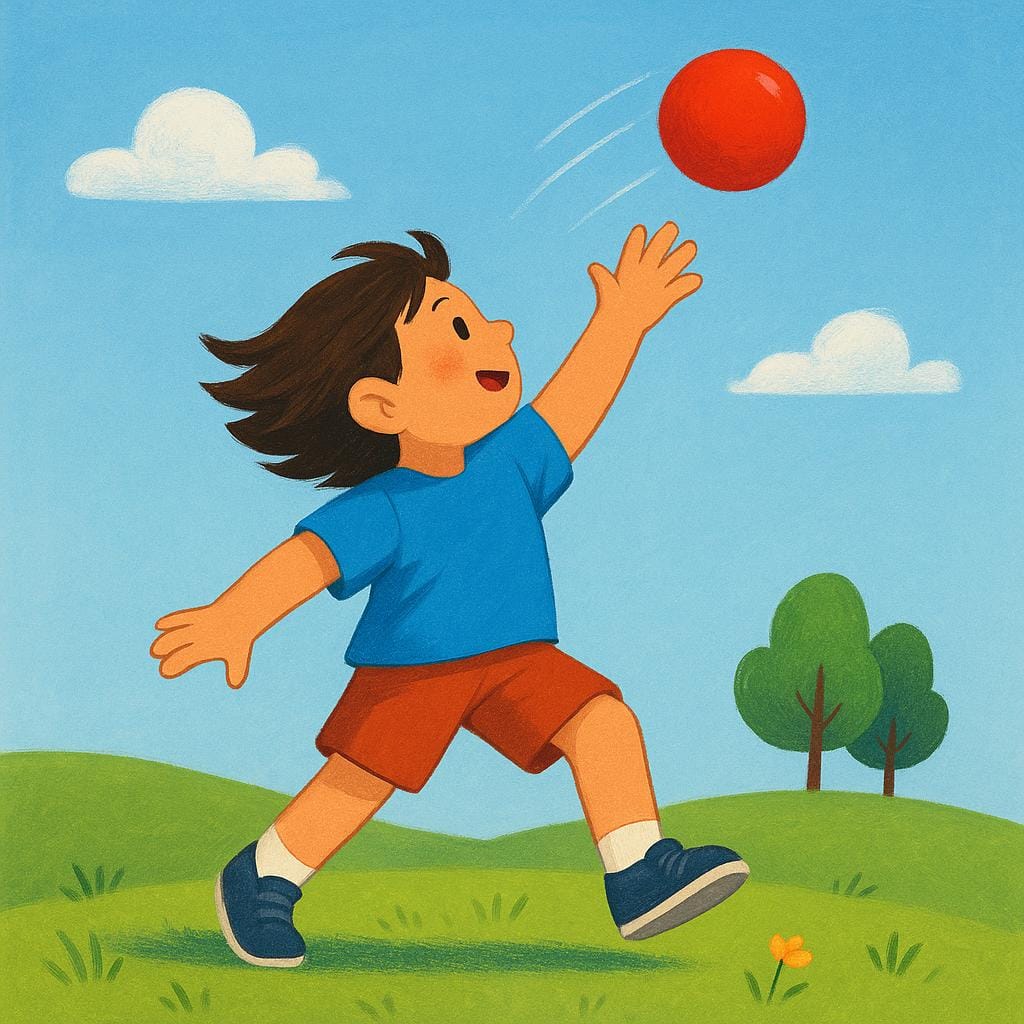
The most common Spanish word for “tossing” is “tirando” — use 'tirando' when referring to the continuous action of lightly throwing something, like spreading seeds or discarding small items.
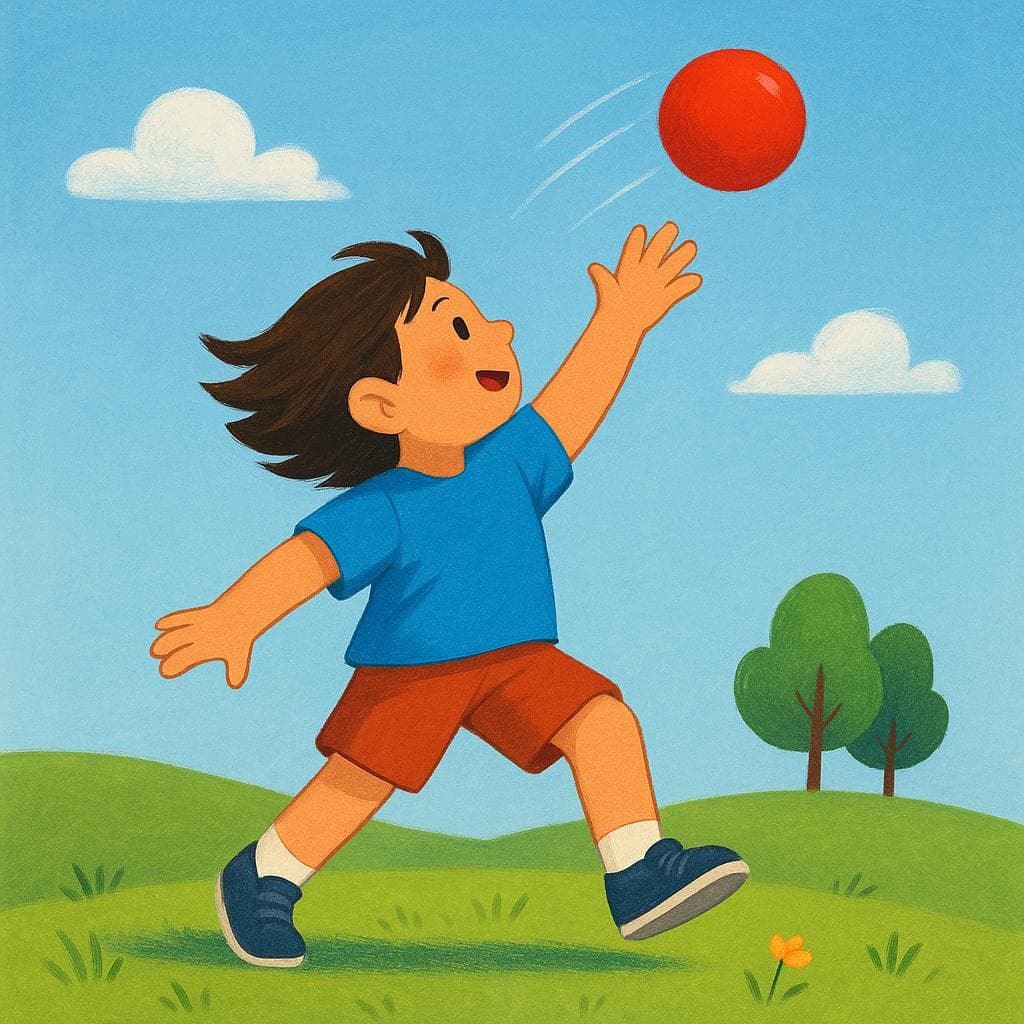
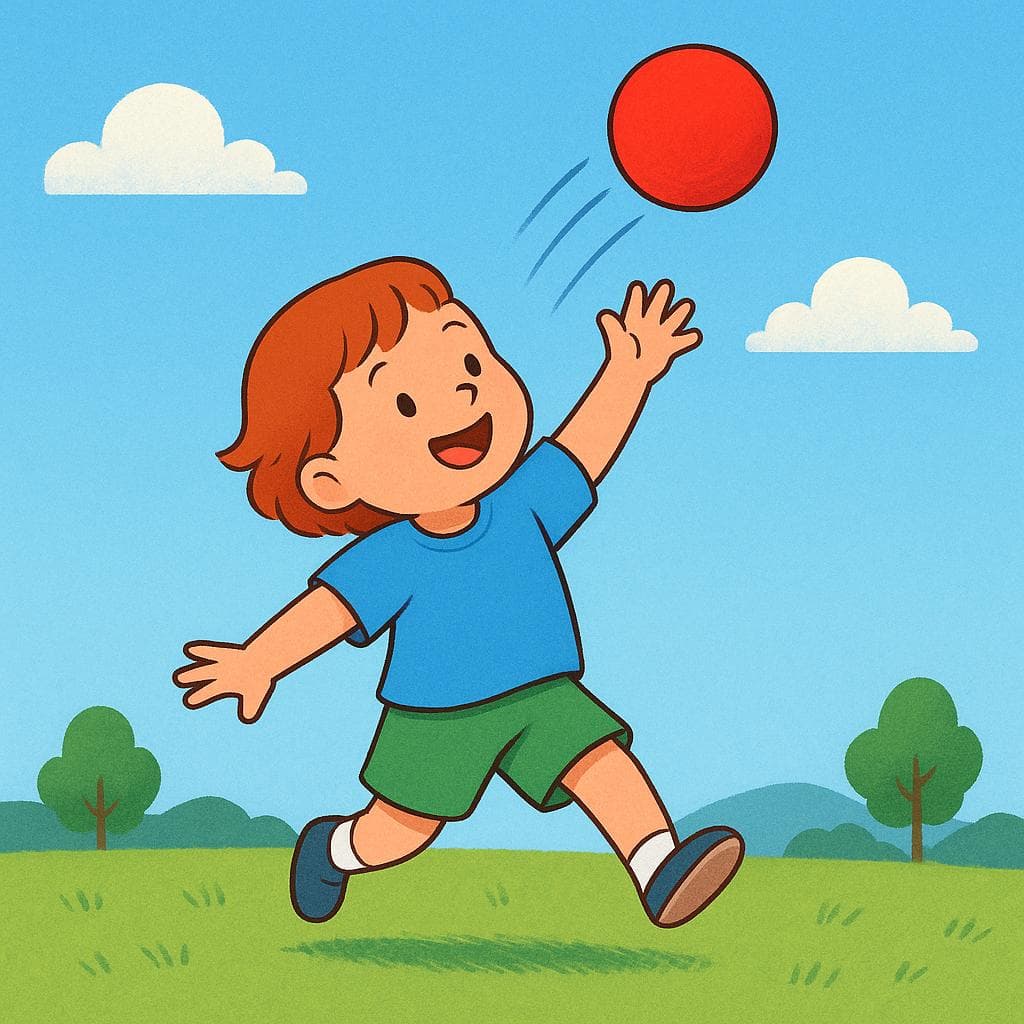
tirando
tee-RAHN-dohtiˈɾando
Examples
El jardinero está tirando las semillas en la tierra.
The gardener is tossing the seeds onto the soil.
Están tirando abajo el viejo edificio para construir uno nuevo.
They are pulling down (demolishing) the old building to build a new one.
¿Por qué estás tirando basura al suelo?
Why are you throwing garbage on the floor?
Forming the Progressive Tense
To show an action is happening right now, you use a form of 'estar' (to be) plus 'tirando': 'Estoy tirando' (I am throwing).
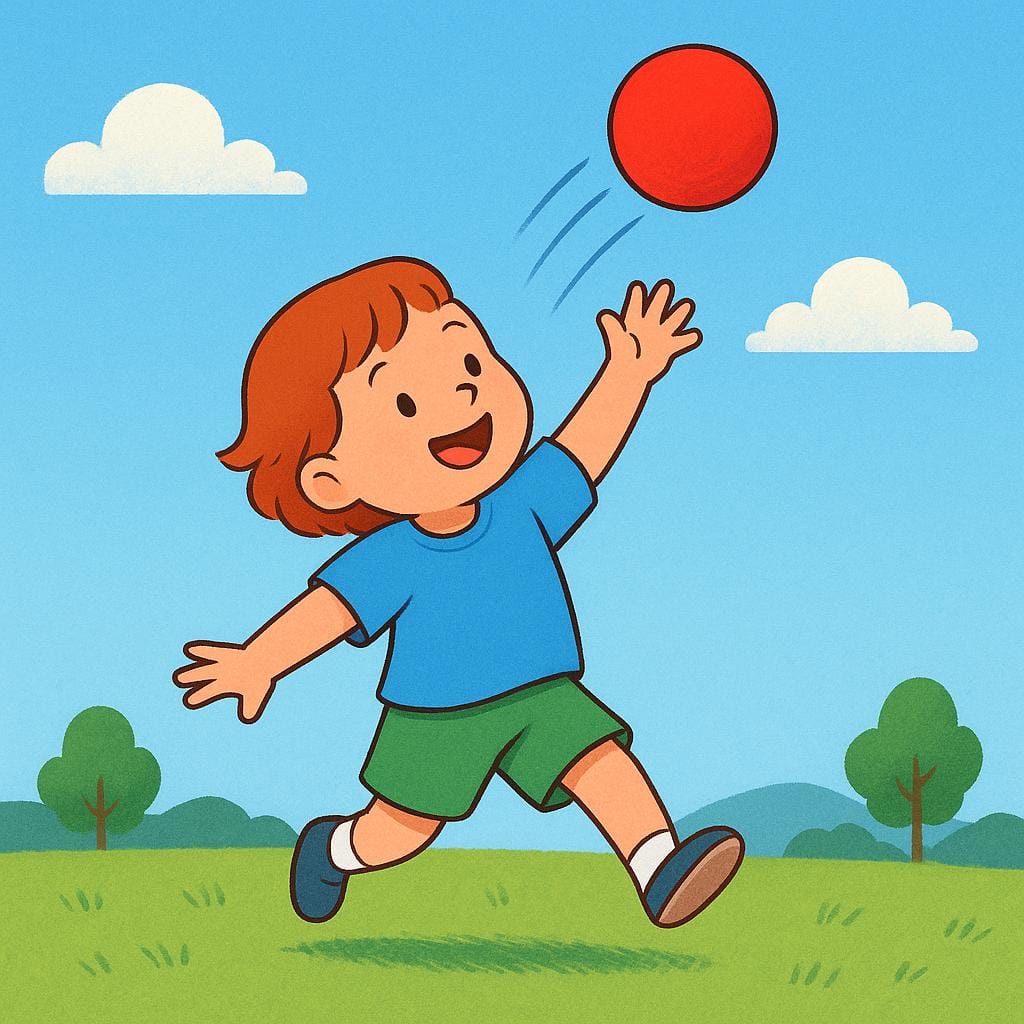
echando
eh-CHAHN-doheˈtʃan.do
Examples
El niño está echando piedras al río.
The boy is tossing stones into the river.
Están echando la red para pescar en el mar.
They are casting the net to fish in the sea.
Continuous Action
The '-ando' ending means the action is ongoing. When you say 'estoy echando,' it means the throwing or tossing is happening right now.
Confusing 'echar' and 'tirar'
Mistake: “Using 'echar' when you mean 'to throw away' trash, which usually requires 'tirar'.”
Correction: Use 'tirar' for garbage ('tirar la basura'), and 'echar' for throwing something toward a target.
Tirando vs. Echando
Related Translations
Learn Spanish with Inklingo
Interactive stories, personalized learning, and more.