Inklingo

How to Say "trip" in Spanish

The most common Spanish word fortripis viajeuse 'viaje' for general travel, especially longer journeys or when talking about the act of traveling from one place to another..

viaje🔊A1

Use 'viaje' for general travel, especially longer journeys or when talking about the act of traveling from one place to another.
{ui.learnMore}
visita🔊A1

Use 'visita' when the trip involves going to see someone or somewhere specific, like visiting friends or a particular location.

{ui.learnMore}
vuelta🔊A2

Use 'vuelta' for a short, casual outing or a brief journey around a local area, like a walk or a quick trip to a nearby spot.

{ui.learnMore}
excursiónA2

Choose 'excursión' for a short organized trip, usually for pleasure or education, often to a specific destination like a museum or natural site.

{ui.learnMore}
gira🔊A2

Use 'gira' for a short journey that involves visiting several places, often for a specific purpose like a tour or a school outing.

{ui.learnMore}
salida🔊B1

Use 'salida' to refer to a short trip or outing, often a planned event like a family trip or a school field trip.

{ui.learnMore}
expediciónB1

Opt for 'expedición' when the trip is more adventurous, organized, and often involves exploration or a challenging journey.

{ui.learnMore}
English → Spanish

viaje

/bya-heh//ˈbjaxe/

nounA1general
Use 'viaje' for general travel, especially longer journeys or when talking about the act of traveling from one place to another.
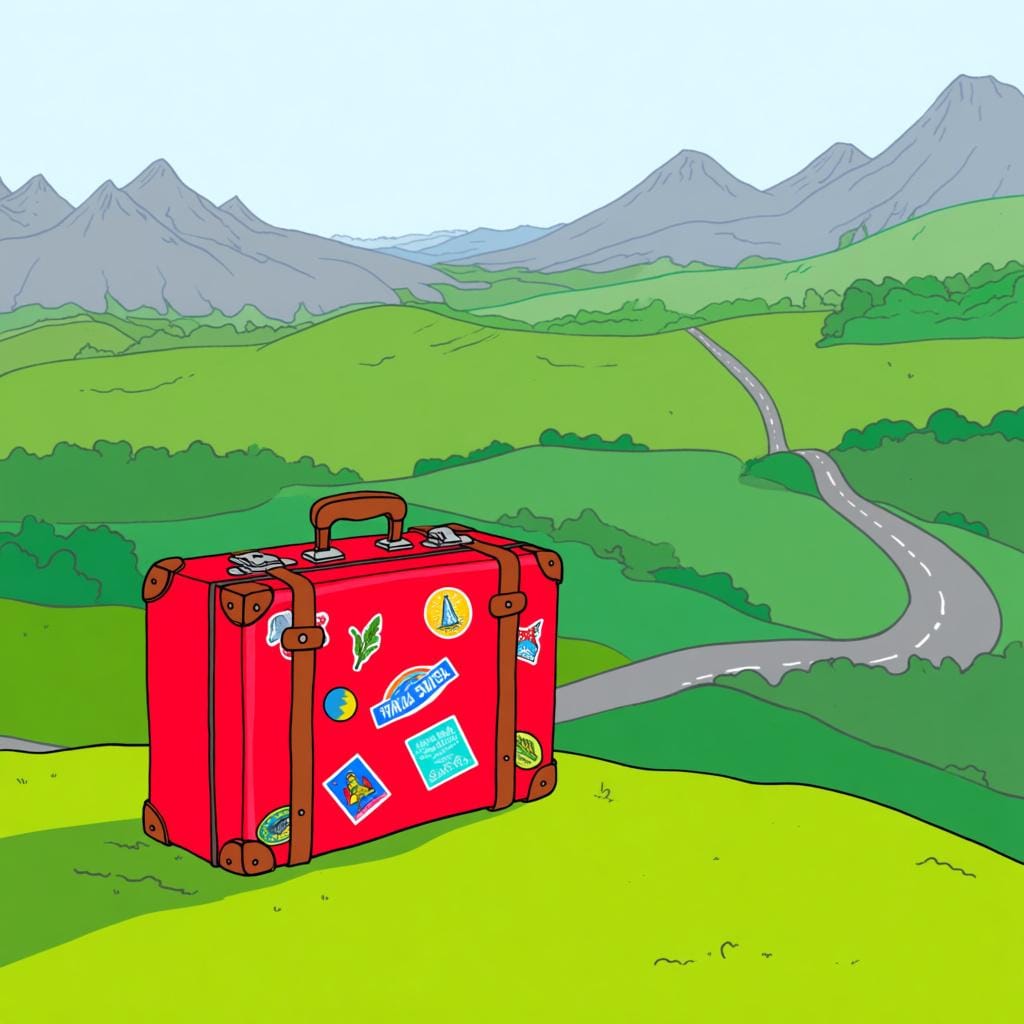
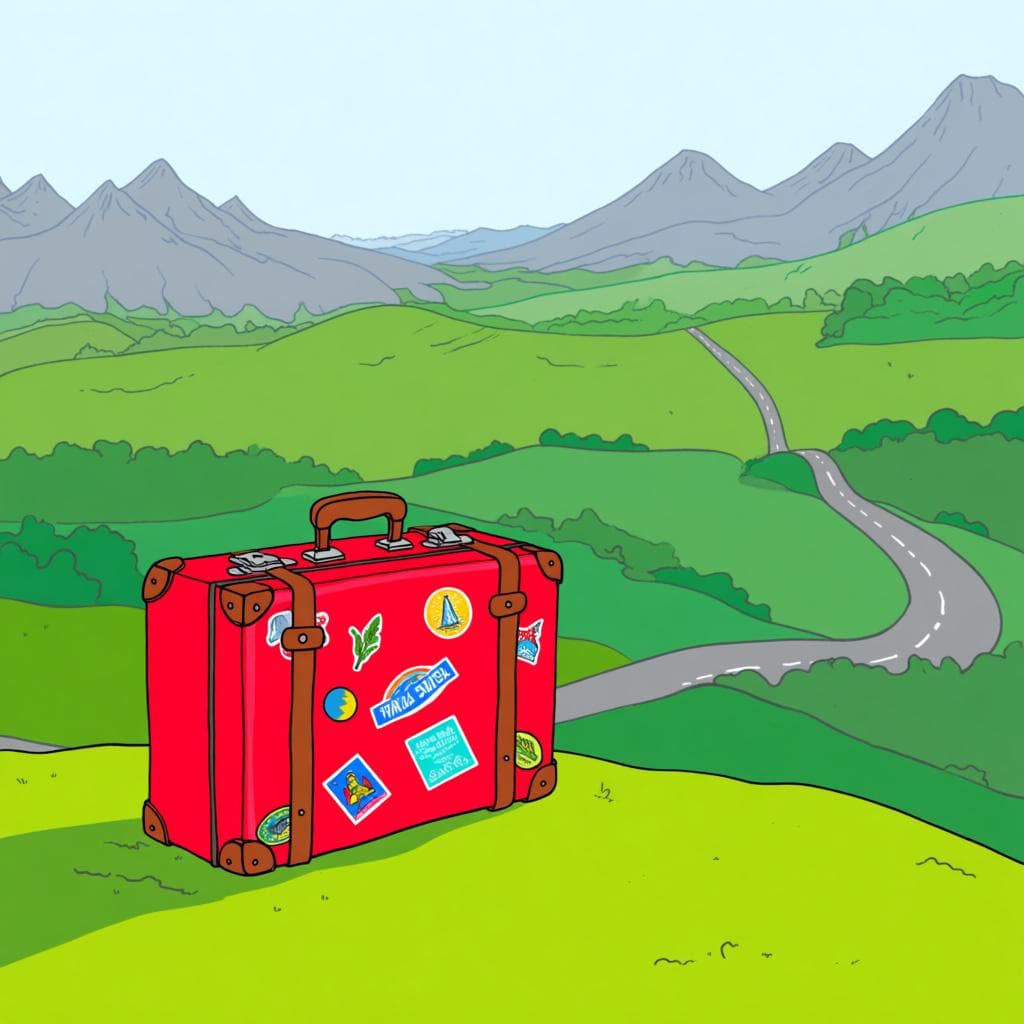
A bright red vintage suitcase standing on a grassy hill overlooking mountains and a winding road, symbolizing a journey or trip.

Examples

El viaje a la playa fue muy divertido.

The trip to the beach was very fun.

Mi primer viaje a Europa fue inolvidable.

My first trip to Europe was unforgettable.

¡Te deseo un buen viaje!

I wish you a good trip!

It's a Masculine Noun

Even though it ends in '-e', 'viaje' is a masculine word. Always say 'el viaje' (the trip) or 'un viaje' (a trip).

Using 'la' instead of 'el'

Mistake:La viaje a Madrid fue increíble.

Correction: El viaje a Madrid fue increíble. Remember that 'viaje' is masculine.

visita

/bee-SEE-tah//biˈsi.ta/

nounA1general
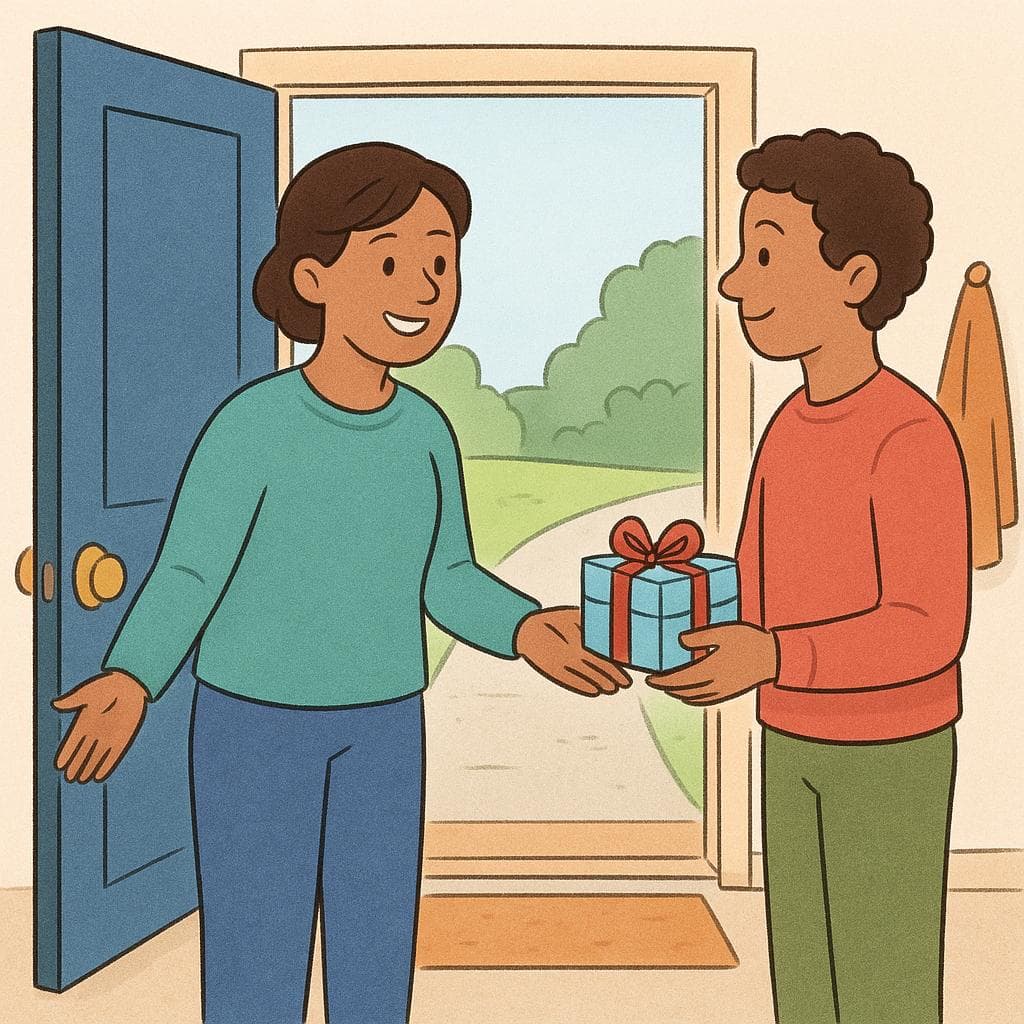
Use 'visita' when the trip involves going to see someone or somewhere specific, like visiting friends or a particular location.
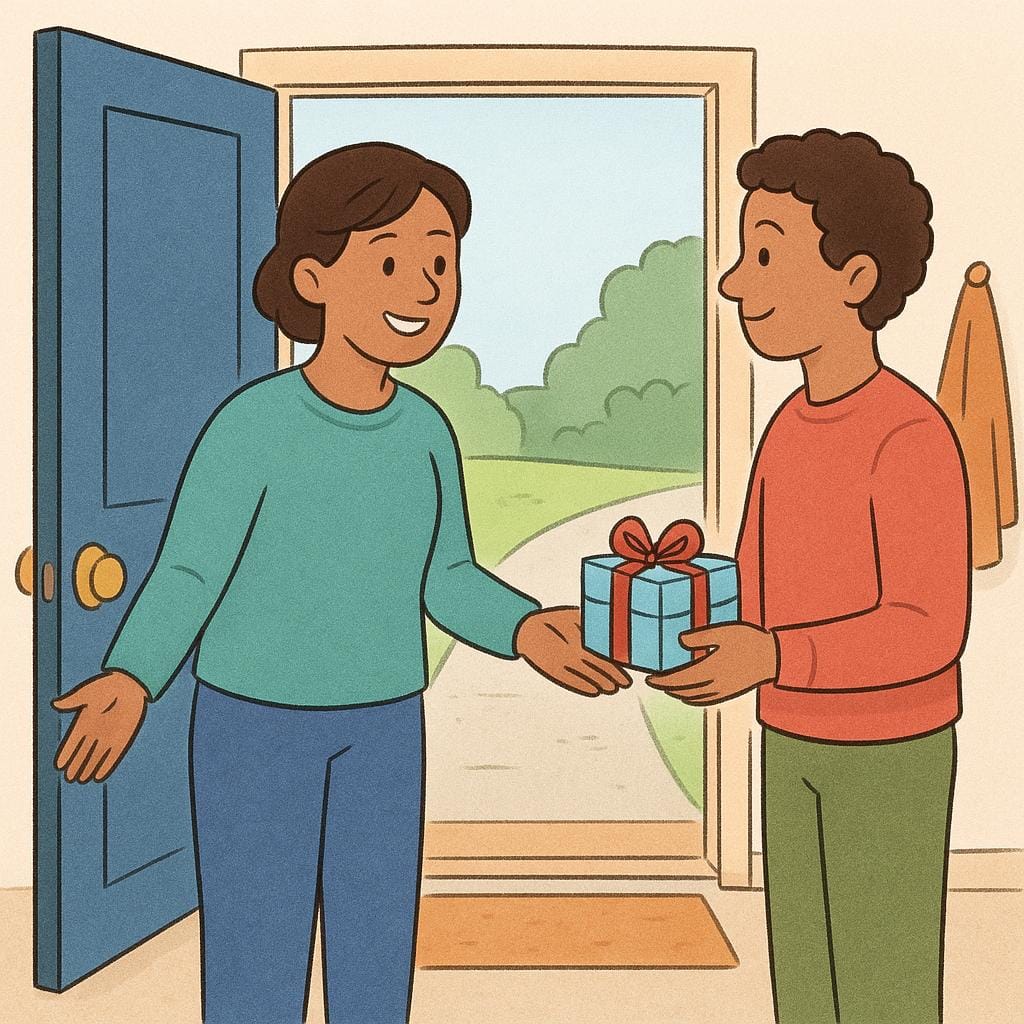
A storybook illustration showing a person standing happily at the open front door of a house, greeting another person who has just arrived holding a small wrapped box.

Examples

Tuvimos una visita muy agradable a la casa de la abuela.

We had a very pleasant visit to Grandma's house.

La visita al médico es mañana por la mañana.

The doctor's visit is tomorrow morning.

Use of 'Hacer'

To talk about performing a visit, Spanish often uses 'hacer una visita' (to make a visit) instead of just 'tener una visita' (to have a visit).

vuelta

/bwel-ta//ˈbwelta/

nounA2informal
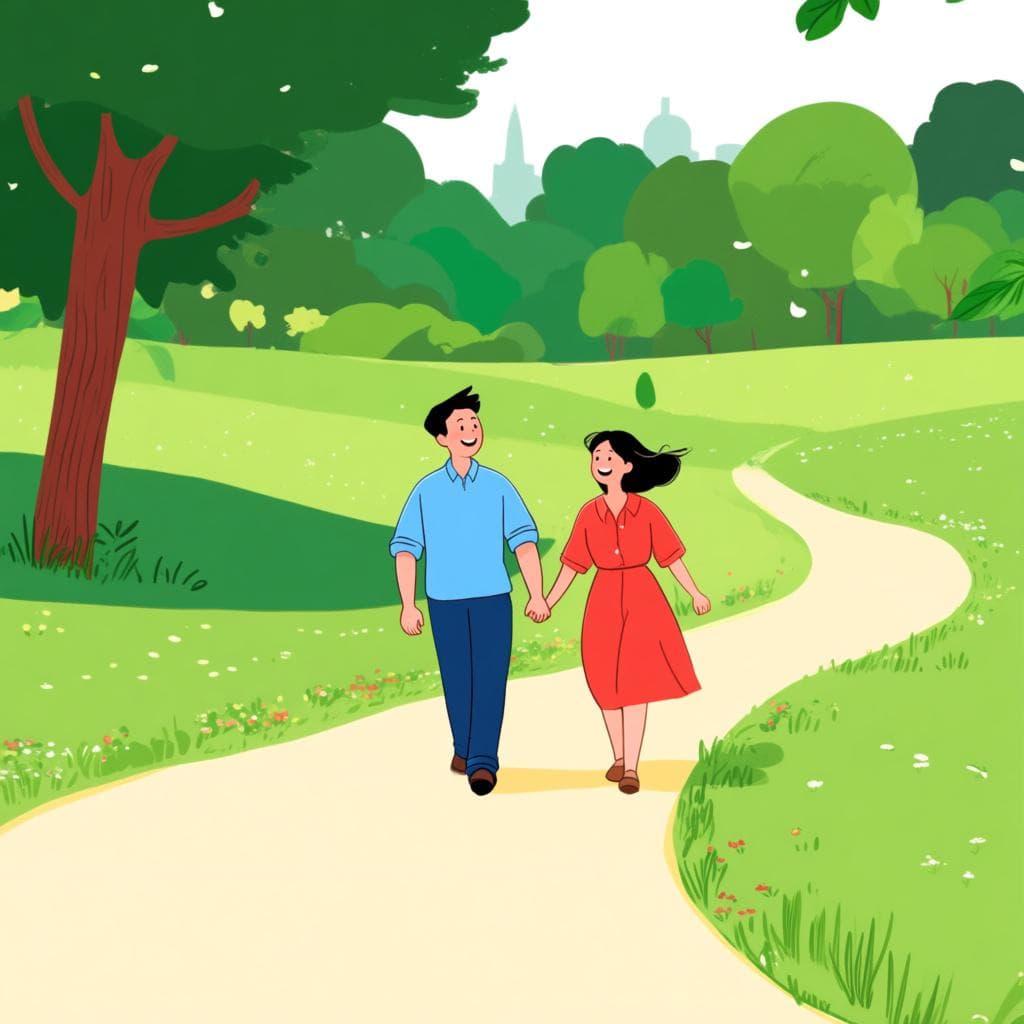
Use 'vuelta' for a short, casual outing or a brief journey around a local area, like a walk or a quick trip to a nearby spot.
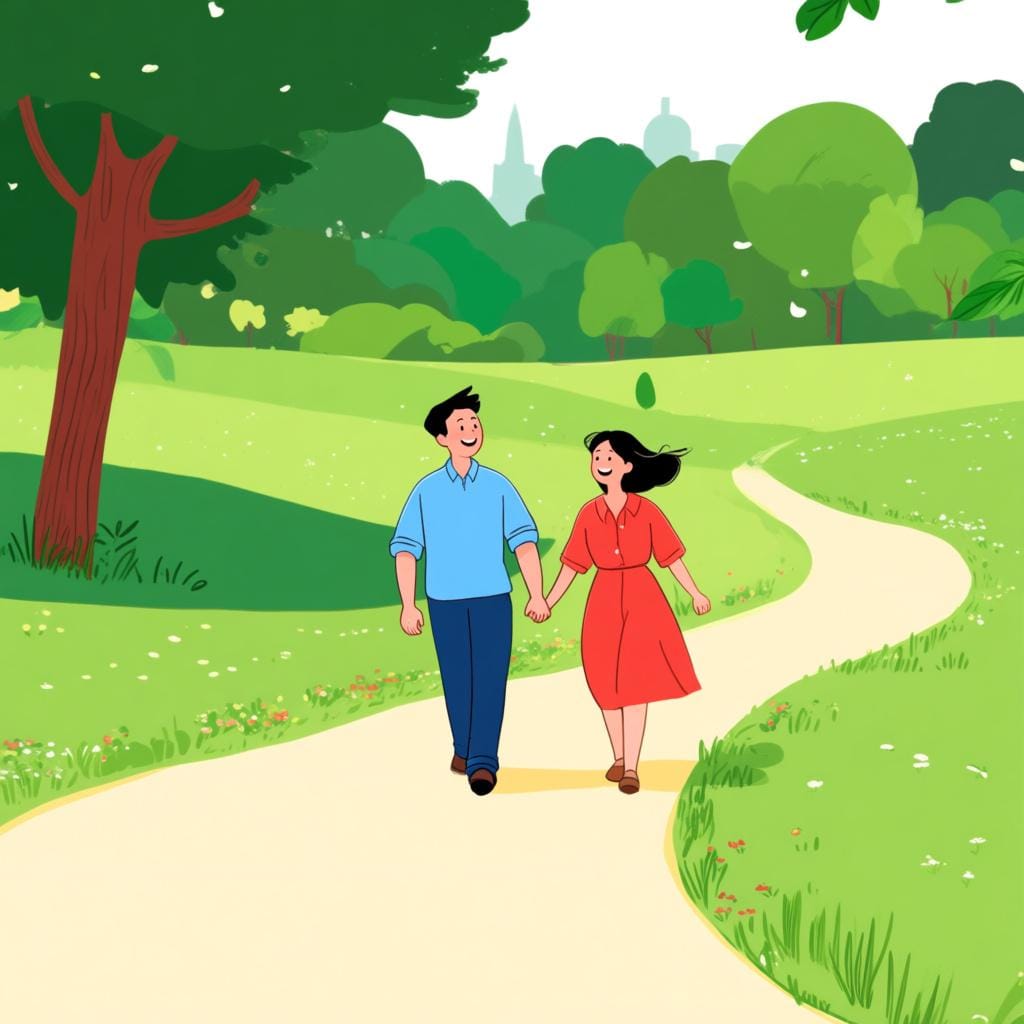
Two people taking a leisurely stroll down a sunny, winding path in a lush green park.

Examples

Vamos a dar una vuelta por el parque.

Let's go for a walk in the park.

Dimos una vuelta en coche por la costa.

We went for a drive along the coast.

¿Quieres dar una vuelta en mi bici nueva?

Do you want to go for a ride on my new bike?

The Super-Phrase: 'dar una vuelta'

The phrase 'dar una vuelta' is your best friend for suggesting a casual outing. It's less formal than 'ir a caminar' (to go walking) and works for walking, driving, biking, and more.

excursión

nounA2general
Choose 'excursión' for a short organized trip, usually for pleasure or education, often to a specific destination like a museum or natural site.

Examples

Mañana vamos de excursión a las montañas.

Tomorrow we are going on a trip to the mountains.

gira

/HEE-rah//ˈxi.ɾa/

nounA2general
Use 'gira' for a short journey that involves visiting several places, often for a specific purpose like a tour or a school outing.
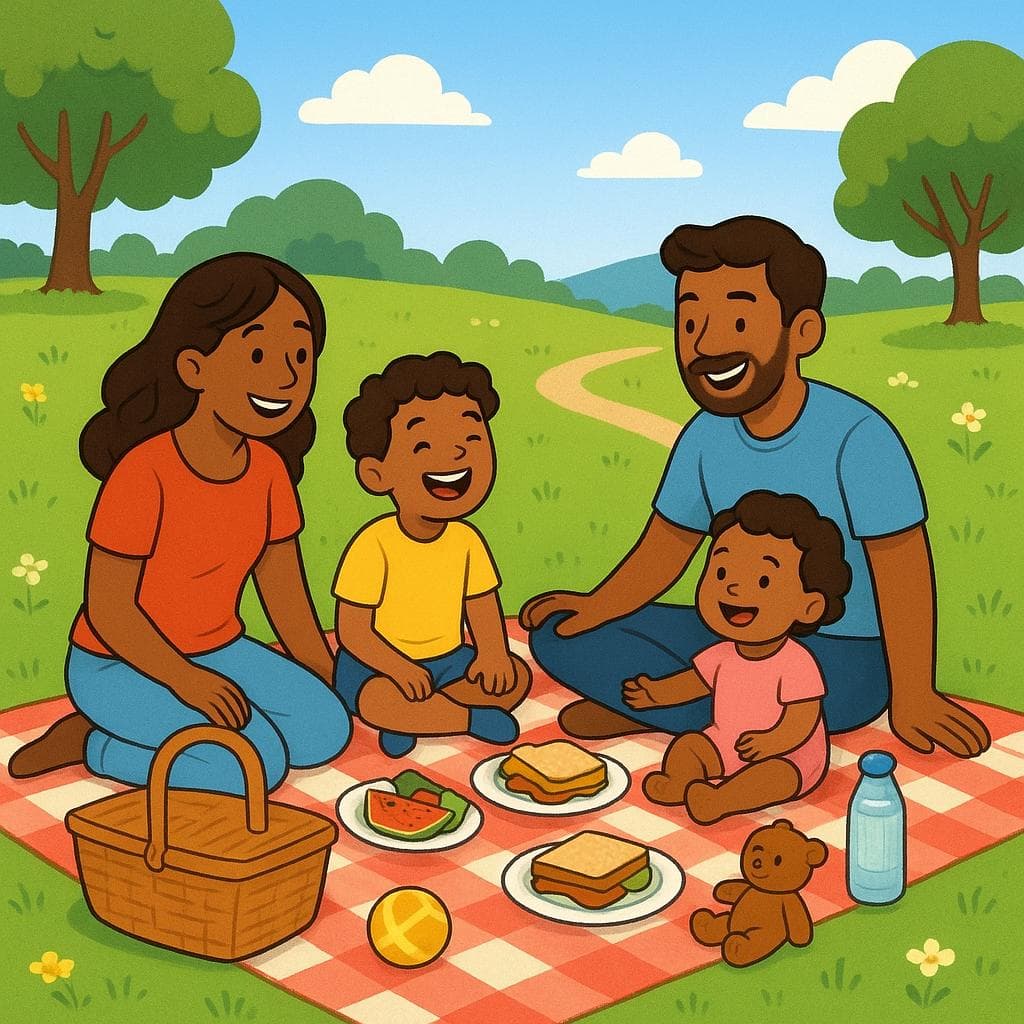
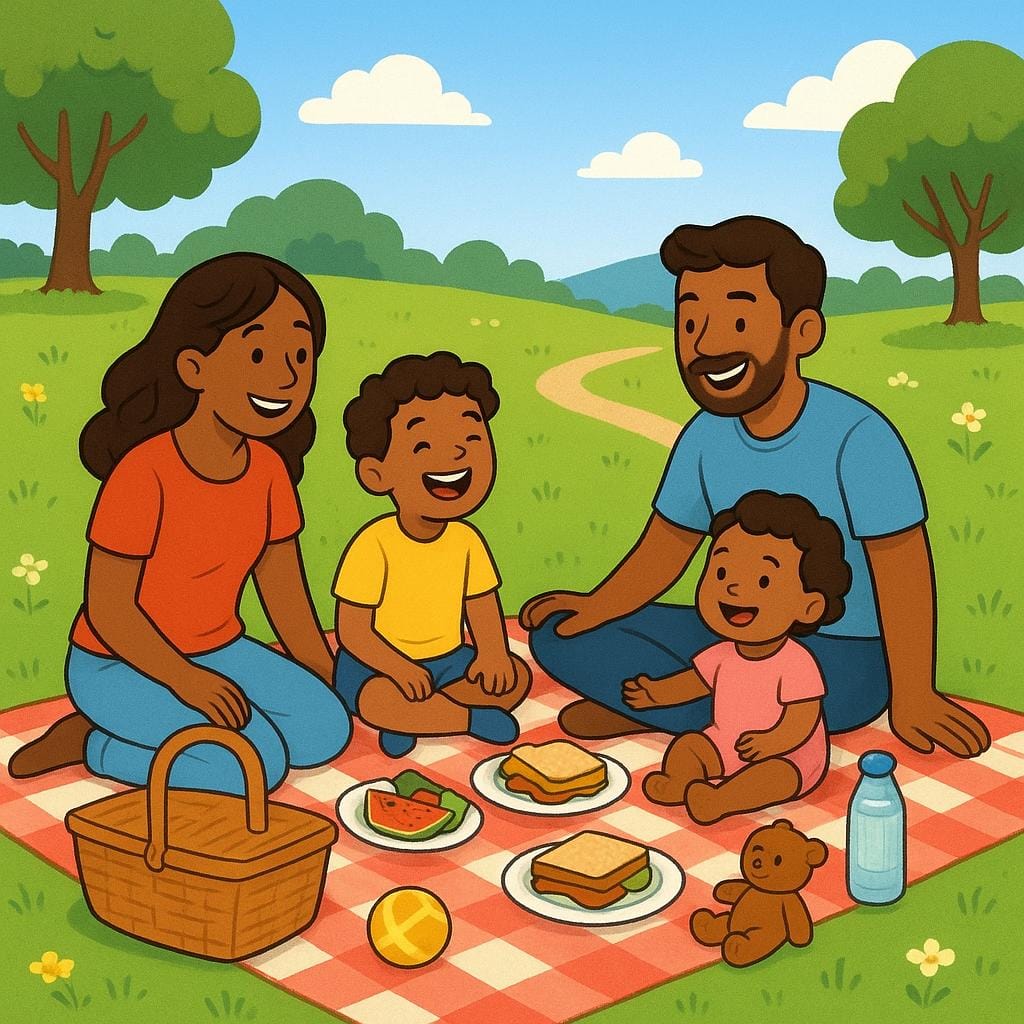
A cheerful family enjoying a picnic in a sunny park, symbolizing a short pleasure excursion.

Examples

Los estudiantes hicieron una gira por la fábrica de chocolates.

The students took an excursion to the chocolate factory.

La oficina organiza una gira anual a la playa.

The office organizes an annual trip to the beach.

salida

/sa-LEE-dah//saˈliða/

nounB1general
Use 'salida' to refer to a short trip or outing, often a planned event like a family trip or a school field trip.
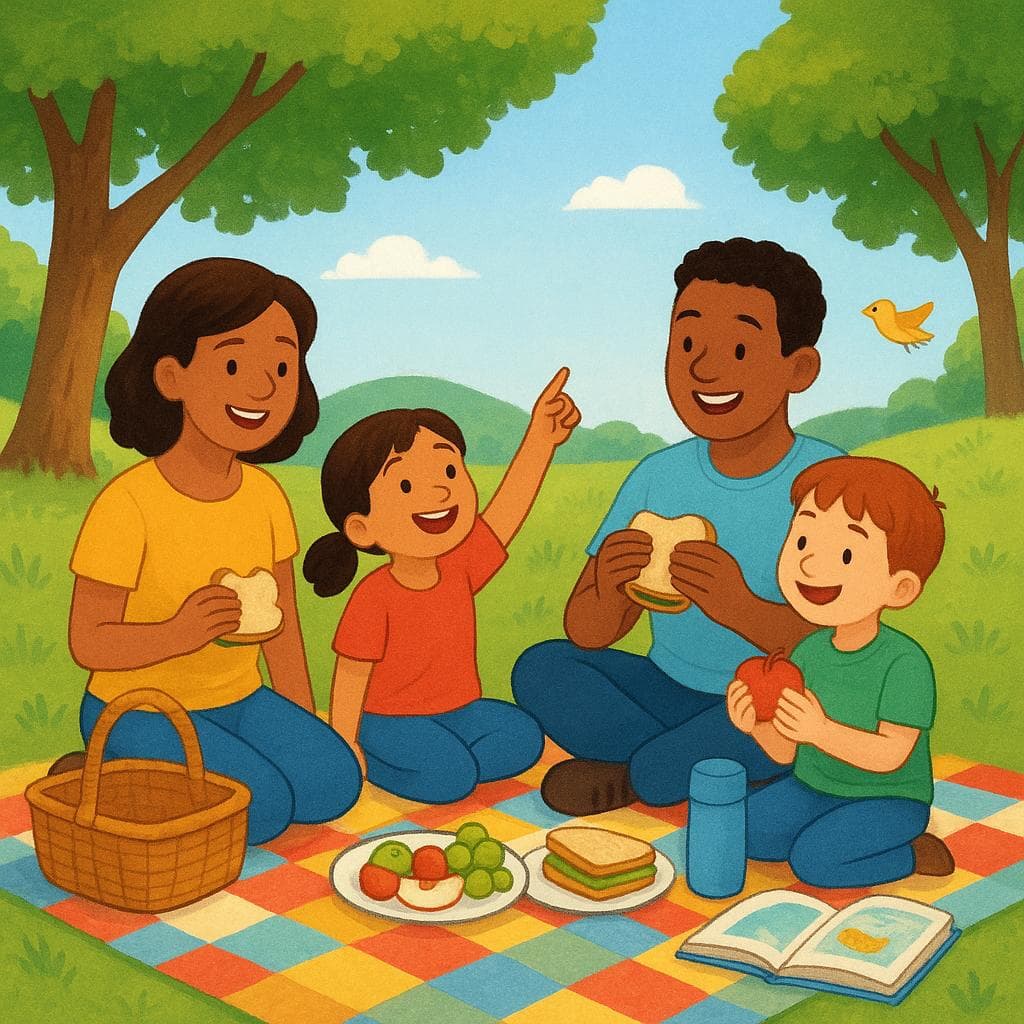
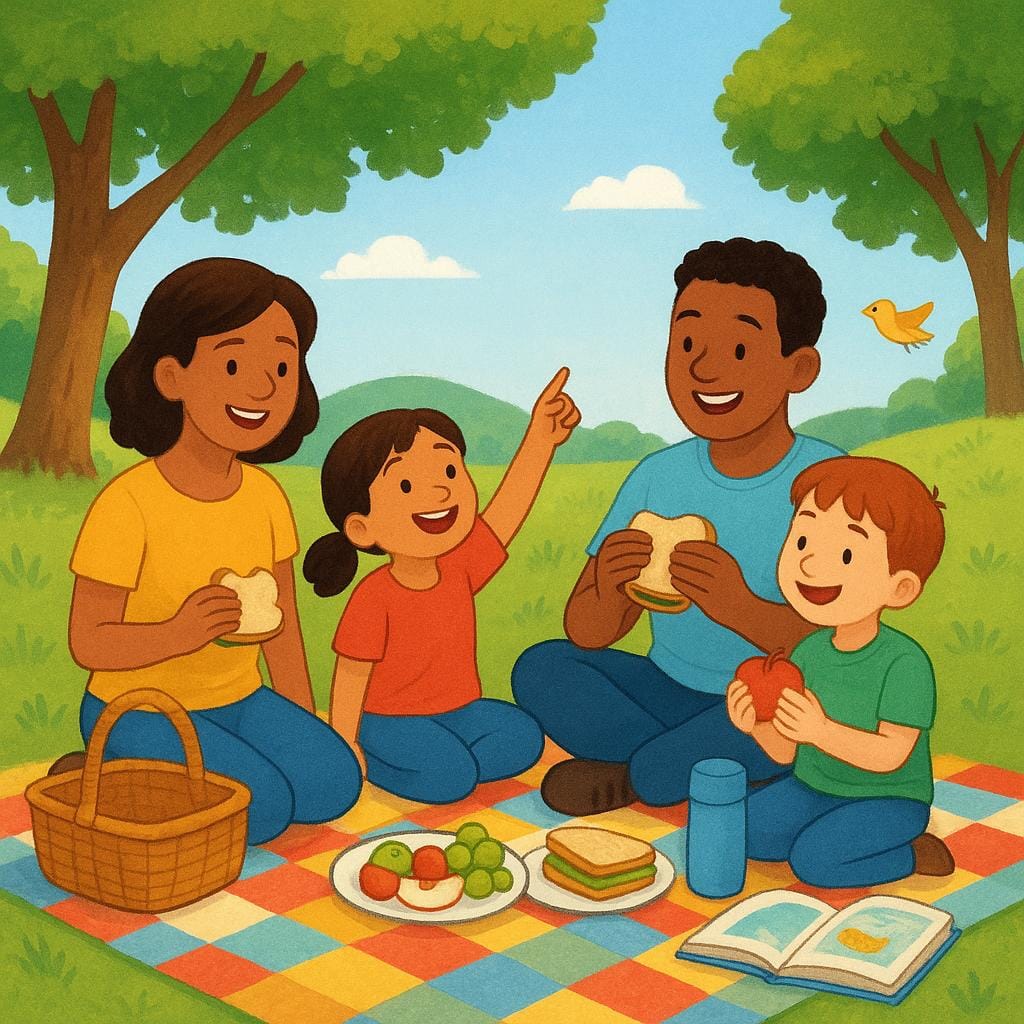
A storybook illustration of a cheerful family enjoying a picnic lunch on a checkered blanket in a sunny park.

Examples

Este fin de semana tenemos una salida familiar al campo.

This weekend we have a family outing to the countryside.

La escuela organizó una salida al museo de ciencias.

The school organized a trip to the science museum.

Fue una salida de amigos, nada romántico.

It was an outing with friends, nothing romantic.

Is it a date?

Mistake:Using 'salida' when you specifically mean a romantic date.

Correction: For a planned romantic meeting, 'cita' is the better word. 'Salida' is more general and often means going out with a group of friends, though it *can* be used for a couple going out.

expedición

nounB1general
Opt for 'expedición' when the trip is more adventurous, organized, and often involves exploration or a challenging journey.

Examples

La expedición llegó a la cima de la montaña por la mañana.

The expedition reached the top of the mountain in the morning.

General Travel vs. Specific Outings

The most common confusion is between 'viaje' and words like 'excursión' or 'gira'. Remember that 'viaje' is for general travel, often longer distances, while 'excursión' and 'gira' imply shorter, more specific, often organized trips or tours.

Learn Spanish with Inklingo

Interactive stories, personalized learning, and more.