How to Say "troubled" in Spanish
The most common Spanish word for “troubled” is “agitado” — use 'agitado' when referring to a person experiencing a state of unease, nervousness, or physical agitation, often due to exertion or emotional distress.
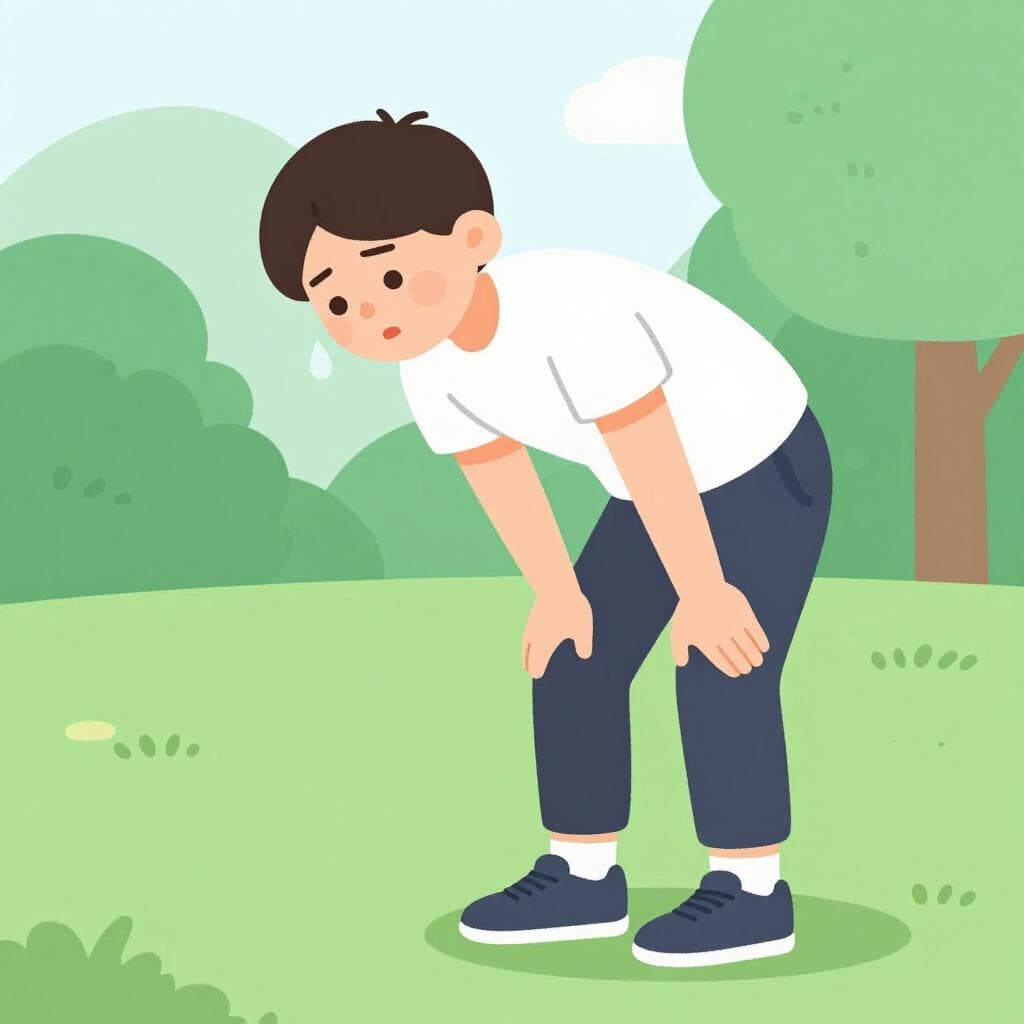
Use 'agitado' when referring to a person experiencing a state of unease, nervousness, or physical agitation, often due to exertion or emotional distress.
Learn more →
Use 'complicado' to describe a situation, relationship, or person that is complex, difficult, or has many problems and ups and downs.
Learn more →ah-hee-TAH-dohaxiˈtaðo
Examples
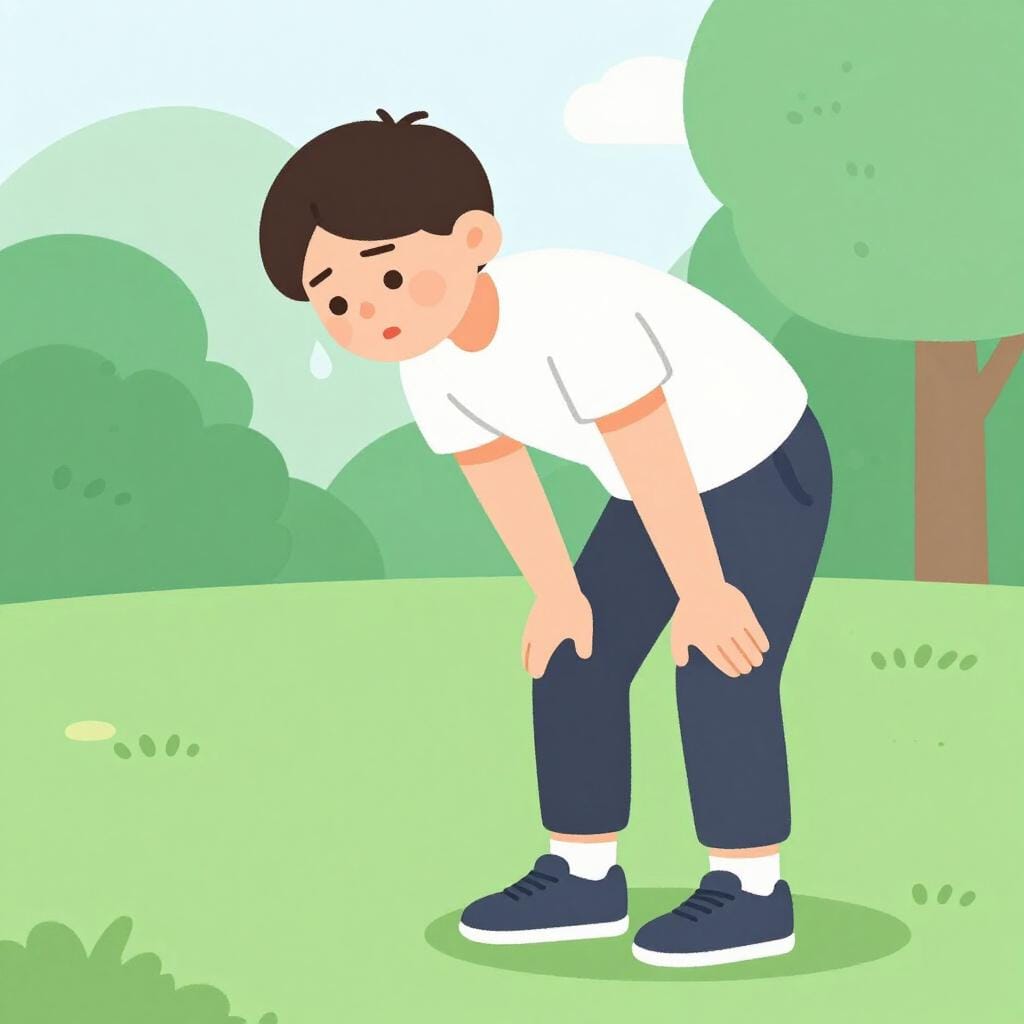
Llegó agitado después de subir las escaleras.
He arrived out of breath (or agitated) after climbing the stairs.
Su respiración era agitada y superficial.
Her breathing was heavy and shallow.
El paciente se mostraba agitado y confuso.
The patient appeared agitated and confused.
Describing People
When 'agitado' describes a person, it usually refers to their physical breathing or a state of nervousness.
Don't use for 'Angry'
Mistake: “Él está agitado conmigo.”
Correction: Él está enfadado conmigo. 'Agitado' is more about restlessness than anger.
kom-pli-KAH-dohkompliˈkaðo

Examples
Su relación es un poco complicada; tienen muchos altibajos.
Their relationship is a bit troubled (or complicated); they have many ups and downs.
Es una persona complicada, nunca sabes lo que quiere.
He is a difficult person; you never know what he wants.
Ser vs. Estar for Temporary States
While 'ser' (Eres complicado) describes someone's inherent difficult personality, 'estar' (Estás complicado) can describe a temporary state of being overwhelmed or in a tricky situation right now.
Agitado vs. Complicado
Learners often confuse 'agitado' and 'complicado' when translating 'troubled'. Remember that 'agitado' relates to a person's internal state of unease or physical disturbance, while 'complicado' refers to the complexity or difficulty of a situation or relationship.
Related Translations
Learn Spanish with Inklingo
Interactive stories, personalized learning, and more.