How to Say "unsuccessful" in Spanish
The most common Spanish word for “unsuccessful” is “fracasado” — use this for a general, often significant, lack of success, implying a complete failure or collapse.

Use this for a general, often significant, lack of success, implying a complete failure or collapse.
Learn more →
This describes a plan, attempt, or outcome that did not achieve its intended goal or desired result.
Learn more →
Use this specifically when something is defective, not working correctly, or faulty, often referring to objects or systems.
Learn more →
This describes someone or something that consistently loses or is associated with losing, often in a competitive context.
Learn more →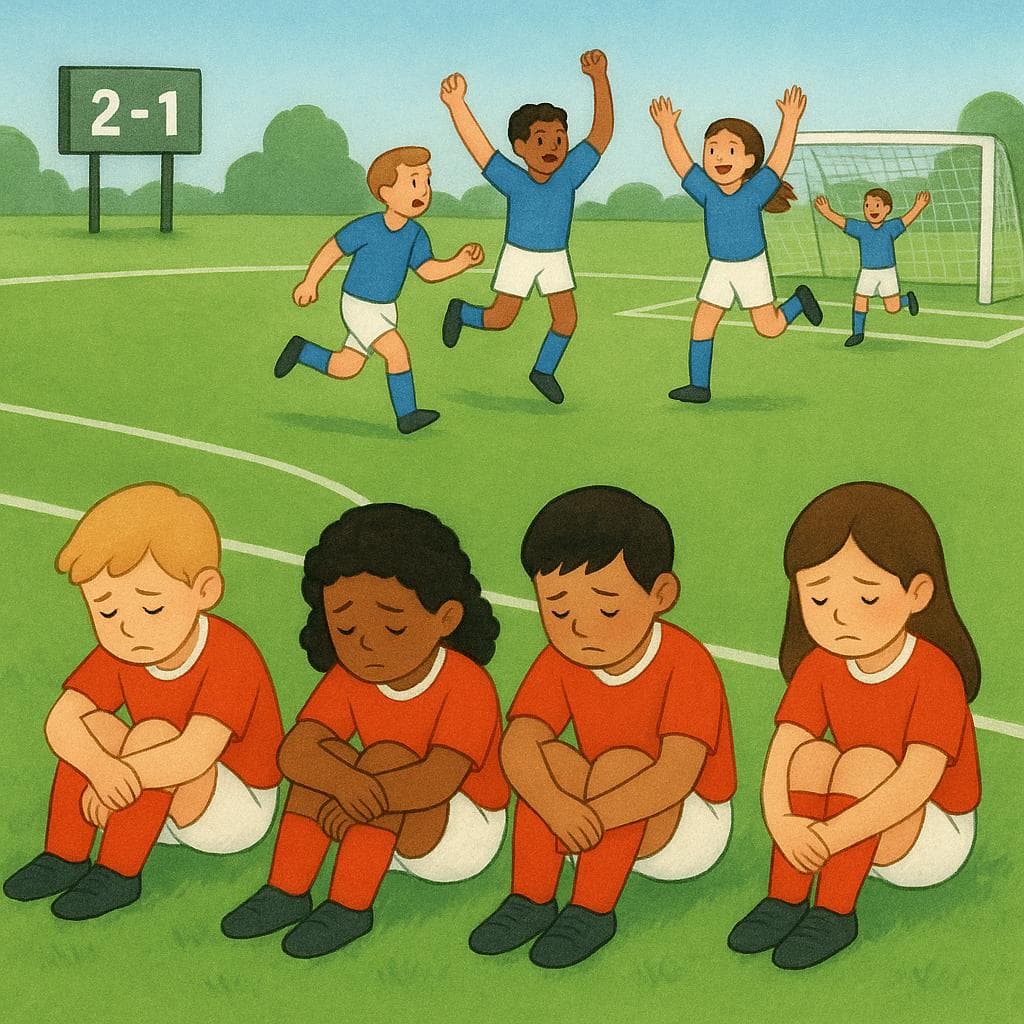
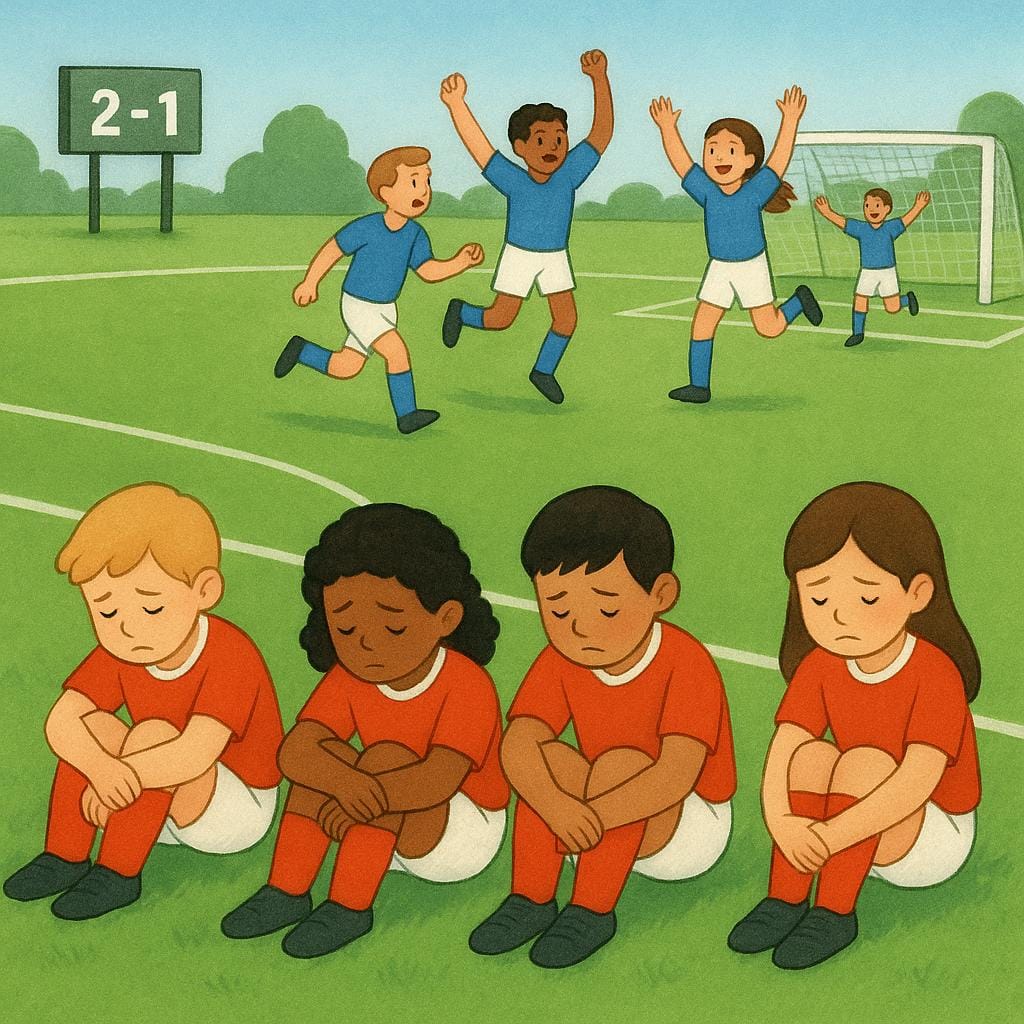
This plural form describes a group of people or things that are associated with losing or showing signs of defeat.
Learn more →fra-ca-sá-dofɾakaˈsaðo

Examples
El lanzamiento del producto fue fracasado, perdimos mucho dinero.
The product launch was unsuccessful (failed); we lost a lot of money.
Su intento de convencer al jefe resultó fracasado.
His attempt to convince the boss turned out to be a failure.
La misión se consideró fracasada antes de que terminara.
The mission was considered failed before it even finished.
Agreement is Key
Like many Spanish adjectives, 'fracasado' must match the gender and number of the thing it describes. Use 'fracasada' for feminine things (like 'la misión') or 'fracasados' for plural masculine things.
fa-YEE-dohfaˈʝiðo

Examples
El plan resultó fallido.
The plan turned out to be a failure.
Hicieron un intento fallido de cruzar el río.
They made an unsuccessful attempt to cross the river.
La empresa cerró tras varios proyectos fallidos.
The company closed after several failed projects.
Matching the Noun
Because this word is an adjective, it must match the gender of the thing you are describing. Use 'fallido' for masculine things (un intento fallido) and 'fallida' for feminine things (una misión fallida).
Placement After the Noun
In Spanish, this word almost always comes after the thing it is describing, rather than before it like in English. Say 'un plan fallido' not 'un fallido plan'.
Describing People vs. Things
Mistake: “Ese hombre es fallido.”
Correction: Ese hombre es un fracasado.
fah-YAH-dohfaˈʎaðo

Examples
Devolvimos el producto fallado a la tienda.
We returned the faulty product to the store.
Fue un intento fallado de reconciliación.
It was a failed attempt at reconciliation.
Ella no quiere usar la impresora fallada.
She doesn't want to use the defective printer.
Agreement is Key
When 'fallado' is used as an adjective (describing a noun), it must change its ending to match the noun it describes: 'fallado' (masc. sing.), 'fallada' (fem. sing.), 'fallados' (masc. plural), 'falladas' (fem. plural).
pehr-deh-DORpeɾðeˈðoɾ

Examples
El equipo tuvo una racha perdedora de cinco partidos.
The team had a losing streak of five games.
No puedes tener esa actitud perdedora si quieres triunfar.
You can't have that defeatist attitude if you want to succeed.
Adjective Agreement
As an adjective, 'perdedor' must match the noun it describes. For example, 'actitud' (attitude) is feminine, so you must use 'actitud perdedora'.
pehr-deh-DOH-rehspeɾðeˈðoɾes
Examples
Mostraron unos rostros perdedores después de la votación.
They showed losing faces after the vote.
Esos planes perdedores nos costaron mucho tiempo y dinero.
Those losing/unsuccessful plans cost us a lot of time and money.
Adjective Agreement
Remember that 'perdedores' must agree with the noun it modifies. Since it is masculine plural, it describes masculine plural nouns (e.g., 'equipos perdedores', not 'estrategias perdedores').
Mixing up gender
Mistake: “Las estrategias perdedores.”
Correction: Las estrategias perdedoras. (Strategy is feminine, so the adjective must also be feminine.)
Fracasado vs. Fallido
Learners often confuse 'fracasado' and 'fallido'. Remember that 'fracasado' implies a larger, more complete failure or collapse, while 'fallido' refers more specifically to an attempt or plan that simply didn't work out as intended.
Related Translations
Learn Spanish with Inklingo
Interactive stories, personalized learning, and more.