How to Say "losing" in Spanish
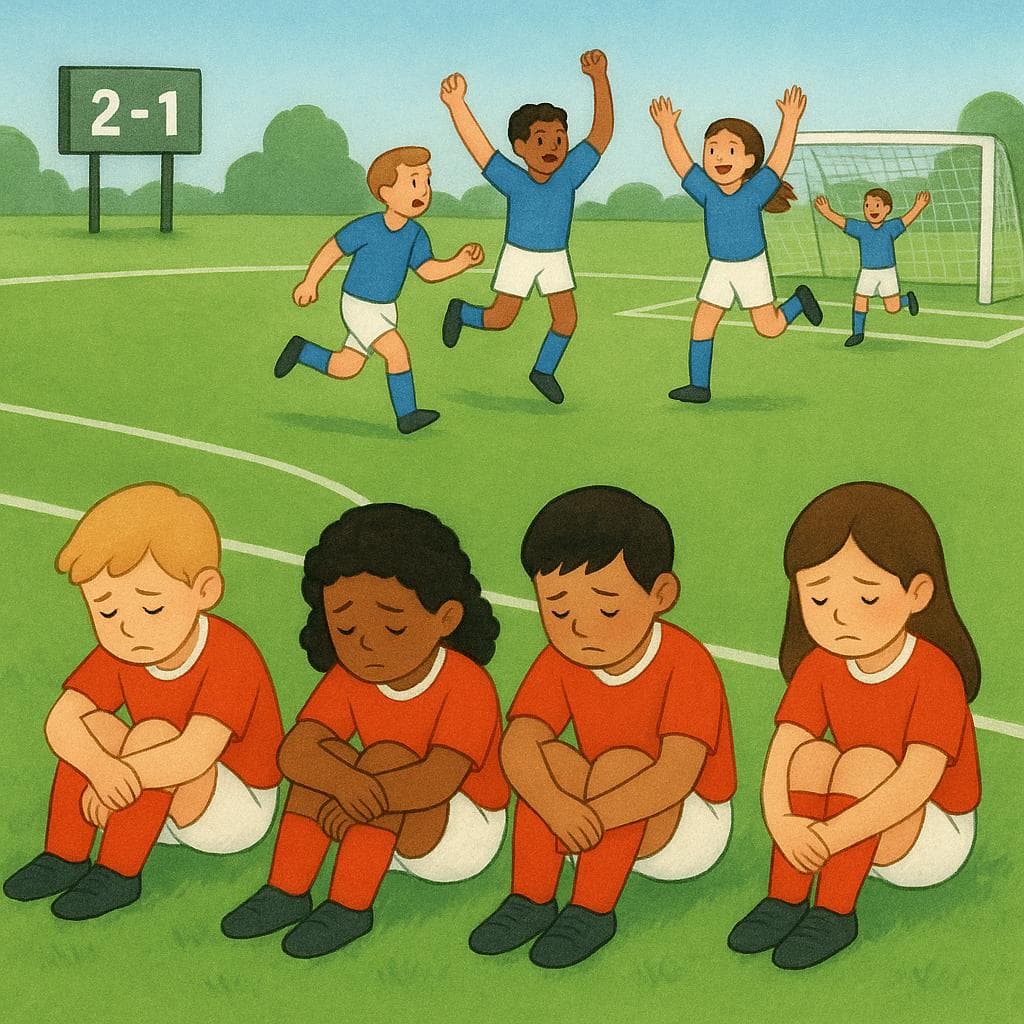
The most common Spanish word for “losing” is “perdiendo” — use this word when describing the ongoing action of a team or individual currently in the process of losing a game, match, or competition.


perdiendo
per-dyén-dopeɾˈdjen.do

Examples
El equipo local está perdiendo 3 a 1.
The home team is losing 3 to 1.
¿Estás perdiendo peso con la nueva dieta?
Are you losing weight with the new diet?
Siento que estoy perdiendo mi tiempo en esta reunión.
I feel like I am wasting my time in this meeting.
The Progressive Action
In Spanish, we use 'estar' (to be) + 'perdiendo' to show that the action of losing is happening right now: 'Estoy perdiendo' (I am losing).
Gerunds Stay the Same
Unlike adjectives, the gerund 'perdiendo' always stays the same regardless of who is doing the losing (male, female, plural, singular). 'Ella está perdiendo,' 'Ellos están perdiendo.'
Forgetting the Helper Verb
Mistake: “Using 'Yo perdiendo' to mean 'I am losing'.”
Correction: The gerund needs a 'helper' verb, usually 'estar'. The correct phrase is 'Yo estoy perdiendo'.
Examples
La pérdida de mi billetera me causó muchos problemas.
The loss of my wallet caused me many problems.
perdedor
pehr-deh-DORpeɾðeˈðoɾ

Examples
El equipo tuvo una racha perdedora de cinco partidos.
The team had a losing streak of five games.
No puedes tener esa actitud perdedora si quieres triunfar.
You can't have that defeatist attitude if you want to succeed.
Adjective Agreement
As an adjective, 'perdedor' must match the noun it describes. For example, 'actitud' (attitude) is feminine, so you must use 'actitud perdedora'.
perdedores
pehr-deh-DOH-rehspeɾðeˈðoɾes
Examples
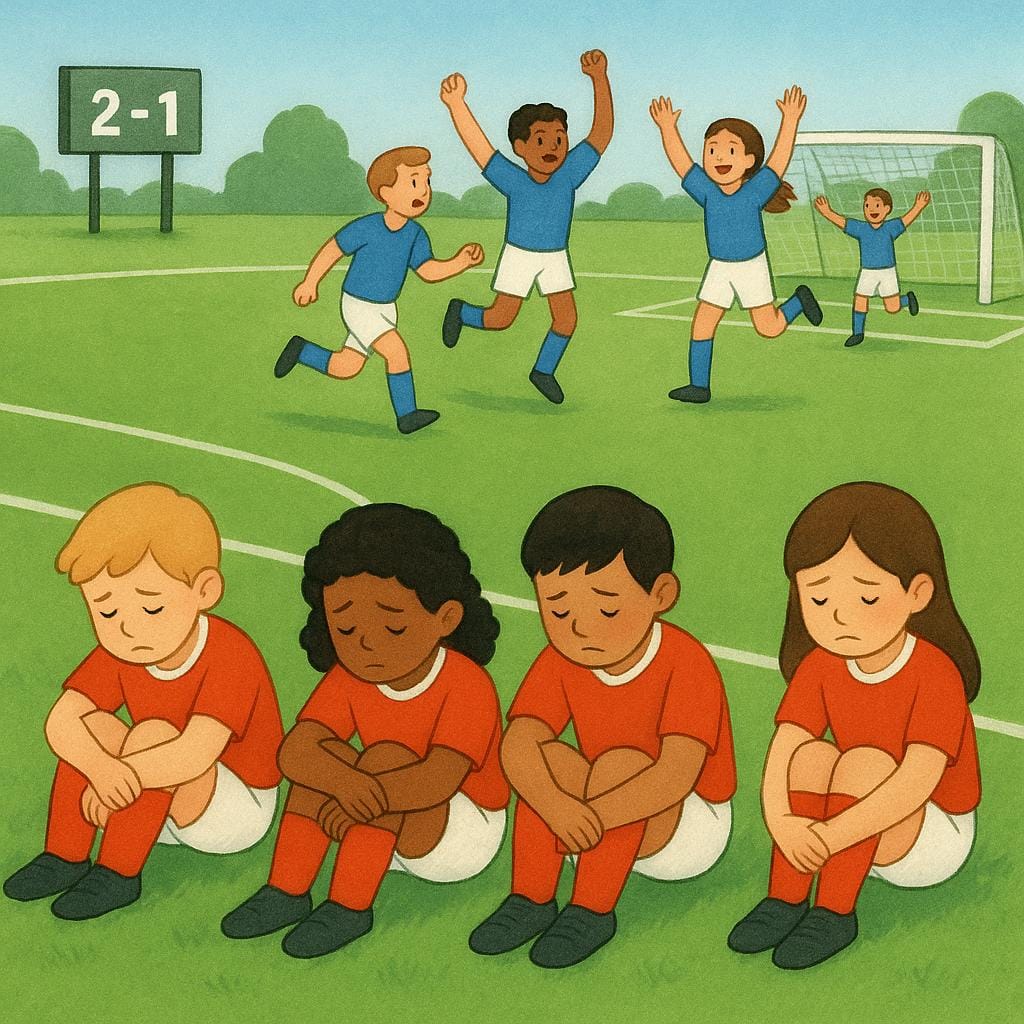
Mostraron unos rostros perdedores después de la votación.
They showed losing faces after the vote.
Esos planes perdedores nos costaron mucho tiempo y dinero.
Those losing/unsuccessful plans cost us a lot of time and money.
Adjective Agreement
Remember that 'perdedores' must agree with the noun it modifies. Since it is masculine plural, it describes masculine plural nouns (e.g., 'equipos perdedores', not 'estrategias perdedores').
Mixing up gender
Mistake: “Las estrategias perdedores.”
Correction: Las estrategias perdedoras. (Strategy is feminine, so the adjective must also be feminine.)
Verb vs. Noun vs. Adjective
Related Translations
Learn Spanish with Inklingo
Interactive stories, personalized learning, and more.