How to Say "voyage" in Spanish
The most common Spanish word for “voyage” is “viaje” — use 'viaje' for general trips and journeys, including those by sea or in space, but also for everyday travel like going to the beach. It's the most common and versatile term.
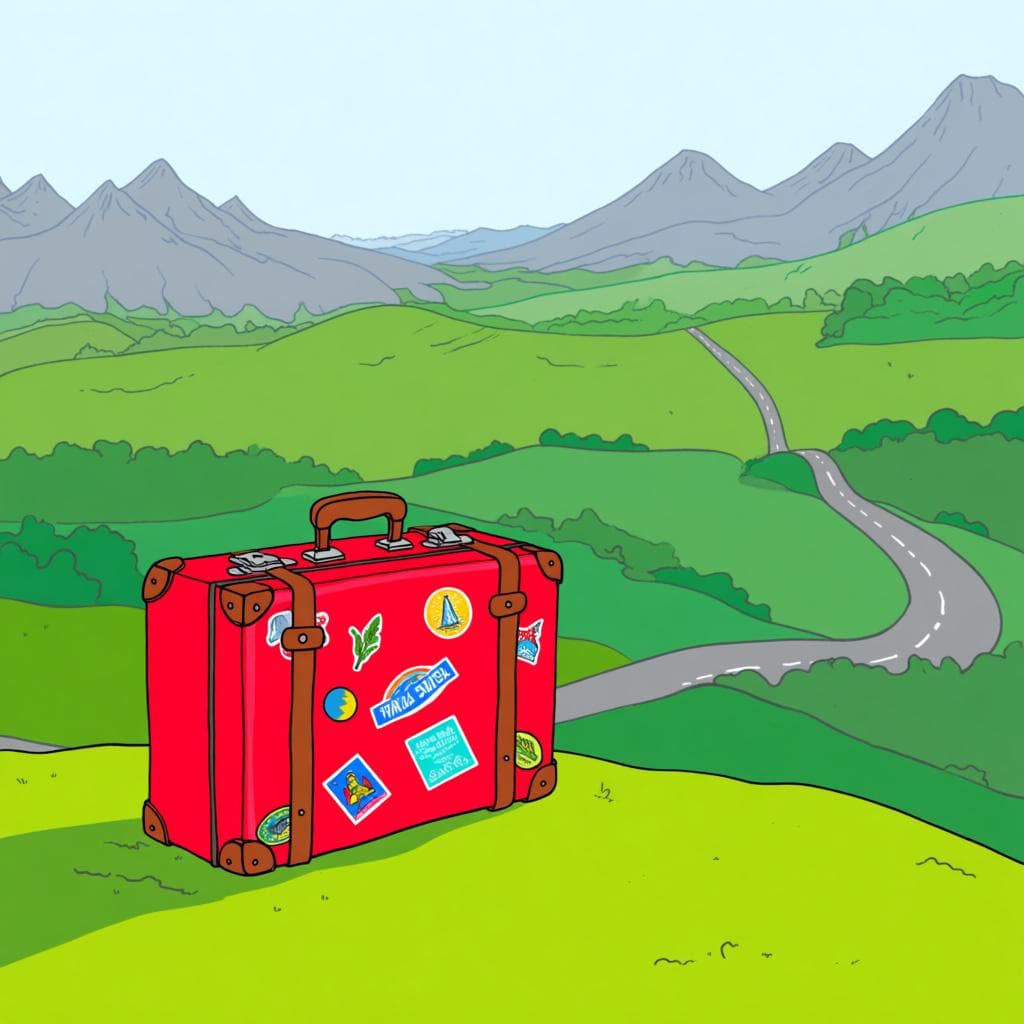
Use 'viaje' for general trips and journeys, including those by sea or in space, but also for everyday travel like going to the beach. It's the most common and versatile term.
Learn more →Opt for 'travesía' when describing a long and often arduous journey, especially one across a large body of water like the ocean or through a vast, challenging area.
Learn more →bya-hehˈbjaxe
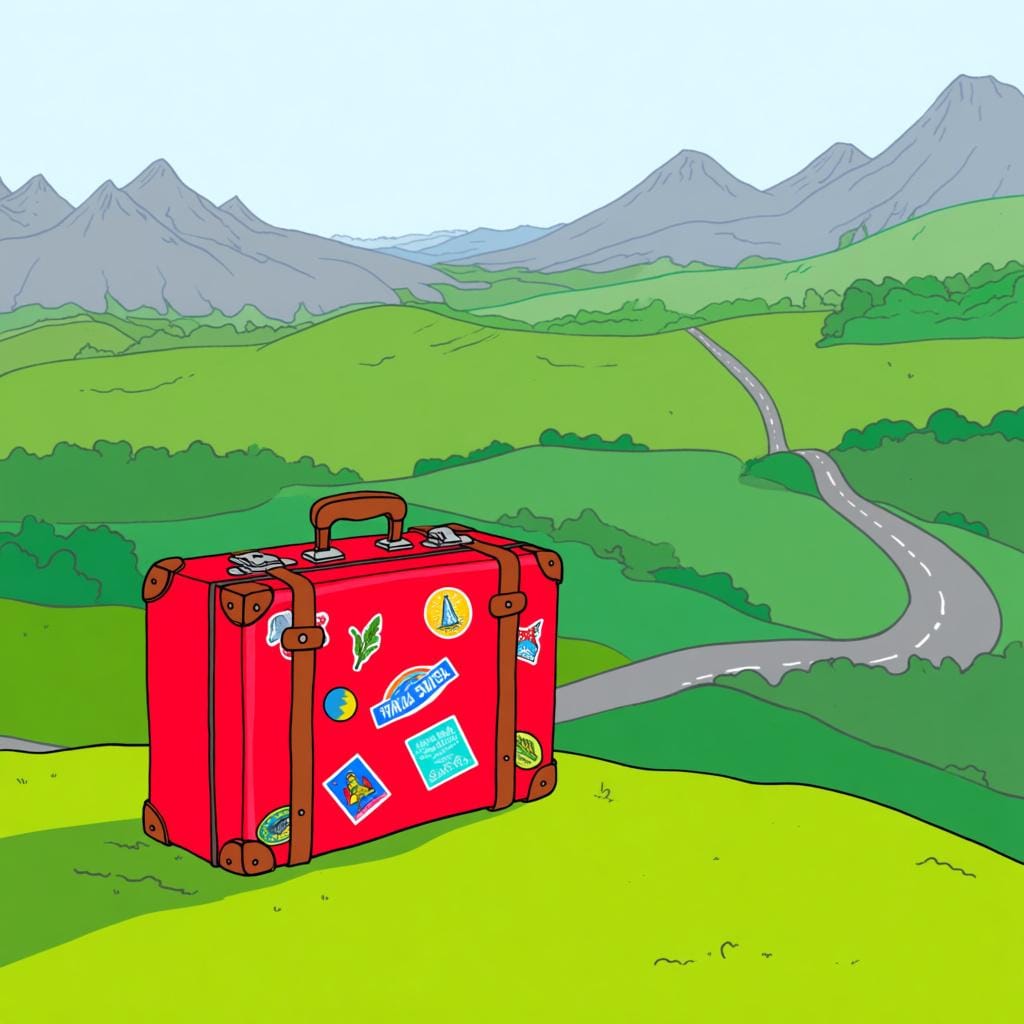
Examples
El viaje a la playa fue muy divertido.
The trip to the beach was very fun.
Mi primer viaje a Europa fue inolvidable.
My first trip to Europe was unforgettable.
¡Te deseo un buen viaje!
I wish you a good trip!
It's a Masculine Noun
Even though it ends in '-e', 'viaje' is a masculine word. Always say 'el viaje' (the trip) or 'un viaje' (a trip).
Using 'la' instead of 'el'
Mistake: “La viaje a Madrid fue increíble.”
Correction: El viaje a Madrid fue increíble. Remember that 'viaje' is masculine.
travesía
Examples
La travesía del Atlántico duró dos semanas.
The Atlantic crossing lasted two weeks.
General vs. Specific Journeys
Learners often overuse 'travesía' for any long trip. Remember that 'viaje' is the standard word for most journeys, including sea travel. Reserve 'travesía' for journeys that emphasize difficulty, length, or crossing a significant expanse, like an ocean crossing.
Related Translations
Learn Spanish with Inklingo
Interactive stories, personalized learning, and more.