How to Say "world" in Spanish
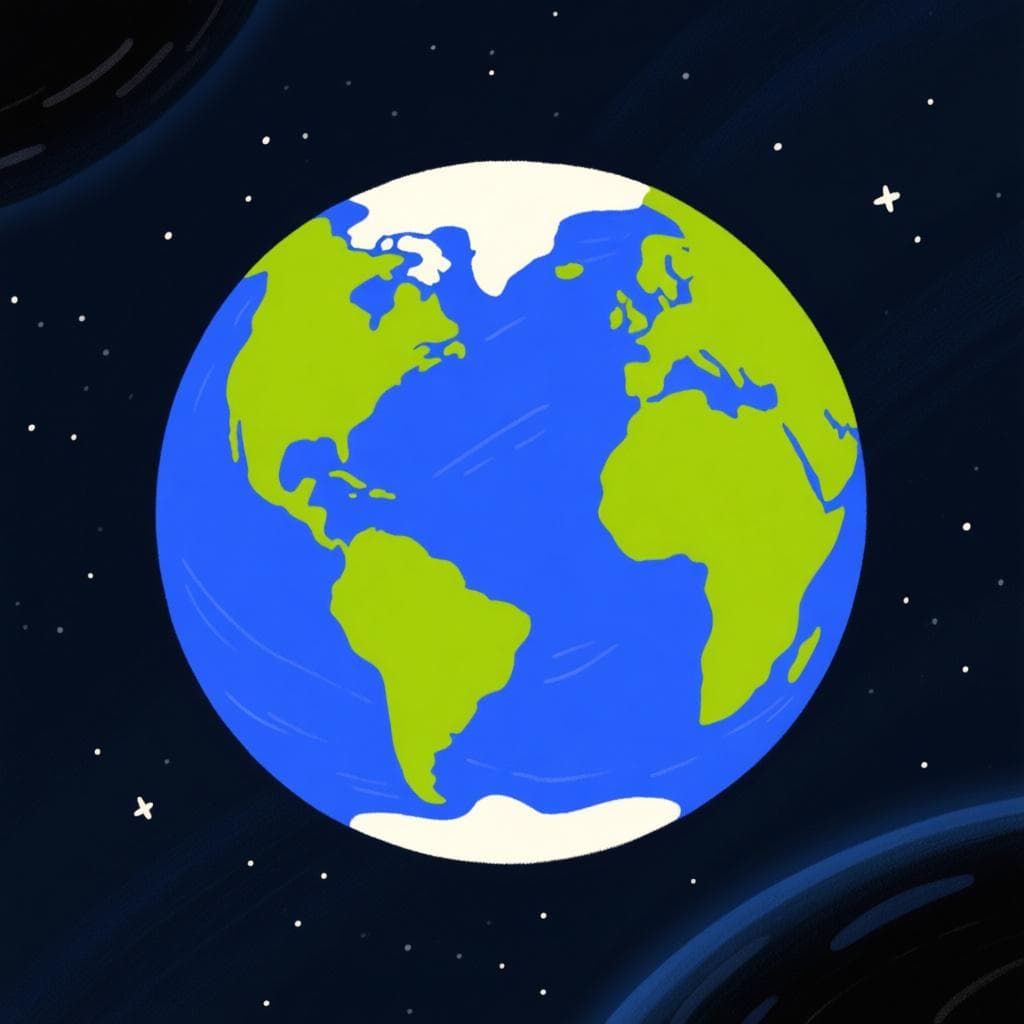
The most common Spanish word for “world” is “mundo” — use 'mundo' when referring to the planet Earth, human society and humanity in general, or a specific domain or field of interest.

mundo
moon-dohˈmundo
Examples
El mundo está lleno de maravillas.
The world is full of wonders.
El mundo es un lugar hermoso.
The world is a beautiful place.
Quiero viajar por todo el mundo.
I want to travel all over the world.
La Copa del Mundo es un evento muy popular.
The World Cup is a very popular event.
Always Masculine
'Mundo' is a masculine word, so you'll always use 'el mundo' or 'un mundo', never 'la' or 'una'.
Translating 'Everyone'
Mistake: “Using 'todos' when 'todo el mundo' is more natural for 'everybody'.”
Correction: For 'everybody' in a general, casual sense, 'todo el mundo' is often the best choice. For example, 'Todo el mundo vino a la fiesta' (Everybody came to the party).
mundial
moon-dee-AHLmunˈdjal

Examples
La Copa Mundial de fútbol es un evento deportivo importante.
The Football World Cup is an important sporting event.
La pandemia tuvo un impacto mundial en la economía.
The pandemic had a worldwide impact on the economy.
El calentamiento es un problema mundial que debemos enfrentar.
Warming is a global problem that we must face.
Esa empresa tiene presencia mundial.
That company has a global presence.
Adjective Agreement
Since 'mundial' ends in -l, it is one of those helpful adjectives that stays the same whether the noun is masculine or feminine (e.g., 'el problema mundial' and 'la crisis mundial').
Making it Plural
To make it plural, simply add -es: 'mundiales' (e.g., 'eventos mundiales').
Using the wrong ending
Mistake: “La crisis mundiala.”
Correction: La crisis mundial. Since 'mundial' already ends in -l, you do not need to add an extra -a for feminine nouns.
tierra
TYEH-rrahˈtjera
Examples
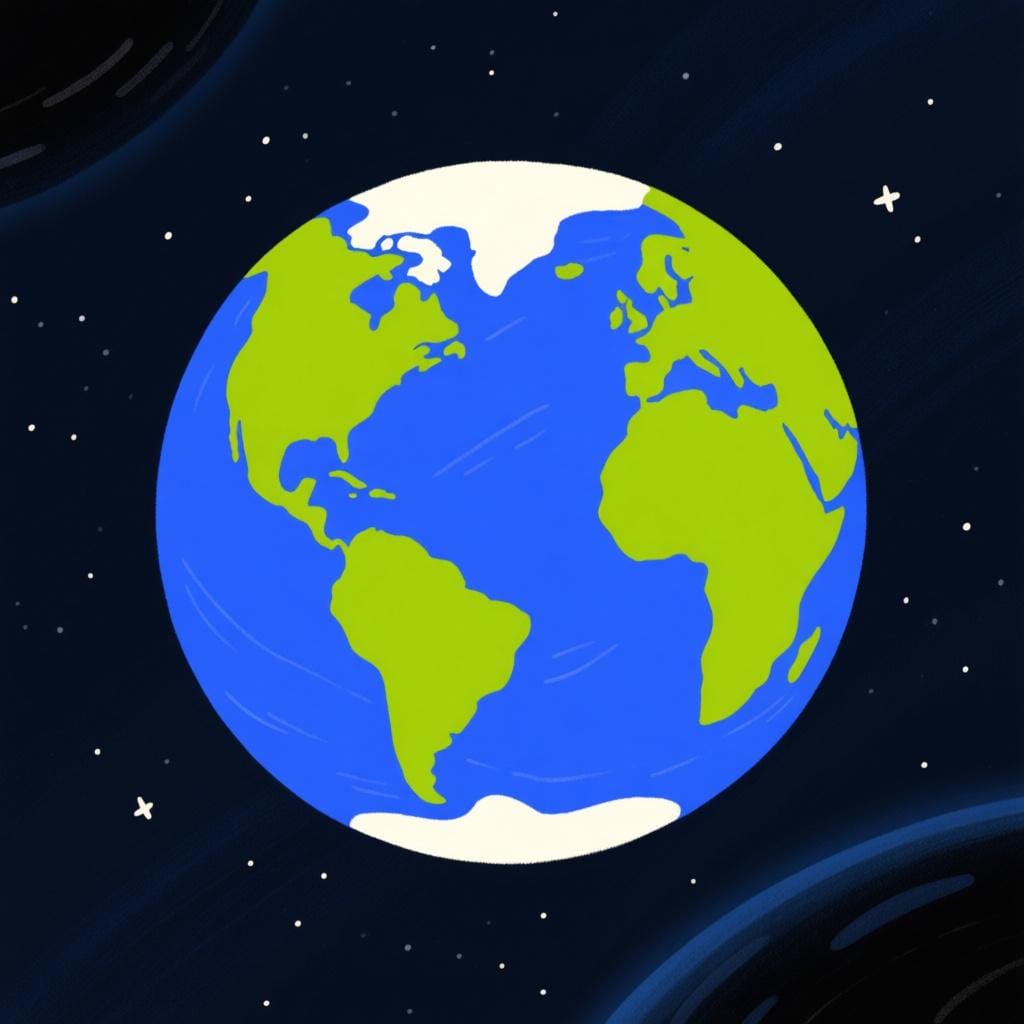
Debemos cuidar nuestro planeta, la Tierra.
We must take care of our planet, Earth.
La Tierra es el tercer planeta del sistema solar.
Earth is the third planet in the solar system.
El astronauta vio la Tierra desde el espacio.
The astronaut saw the Earth from space.
Capital 'T' for Planet Earth
When you're talking about our planet, 'Earth', you must use a capital letter: 'la Tierra'. For all other meanings like 'soil' or 'ground', use a lowercase 't': 'la tierra'.
Forgetting the Capital Letter
Mistake: “El astronauta vio la tierra.”
Correction: El astronauta vio la Tierra. When it's our planet, it gets a capital letter, just like a person's name.
escena
es-SEH-nahesˈsena
Examples
Ella es una figura importante en la escena literaria.
She is an important figure in the literary scene.
La escena musical de Madrid en los años 80 fue increíble.
The Madrid music scene in the 80s was incredible.
Es una figura importante en la escena política internacional.
He is an important figure on the international political scene.
universo
oo-nee-VER-sou.niˈβeɾ.so
Examples
Su familia es su universo entero.
His family is his whole world (universe).
Para él, el fútbol es todo su universo.
For him, football is his whole world (or universe).
Introducirse en el universo de la programación fue fascinante.
Getting introduced to the world (or domain) of programming was fascinating.
Su universo musical es muy diferente al mío.
Her musical universe (style/scope) is very different from mine.
Using Possessives
In this figurative sense, 'universo' is often paired with possessive words (mi, tu, su) or the preposition 'de' (of) to define whose world or sphere you are talking about.
Mundo vs. Escena for Specific Domains
Learn Spanish with Inklingo
Interactive stories, personalized learning, and more.