How to Say "wow!" in Spanish
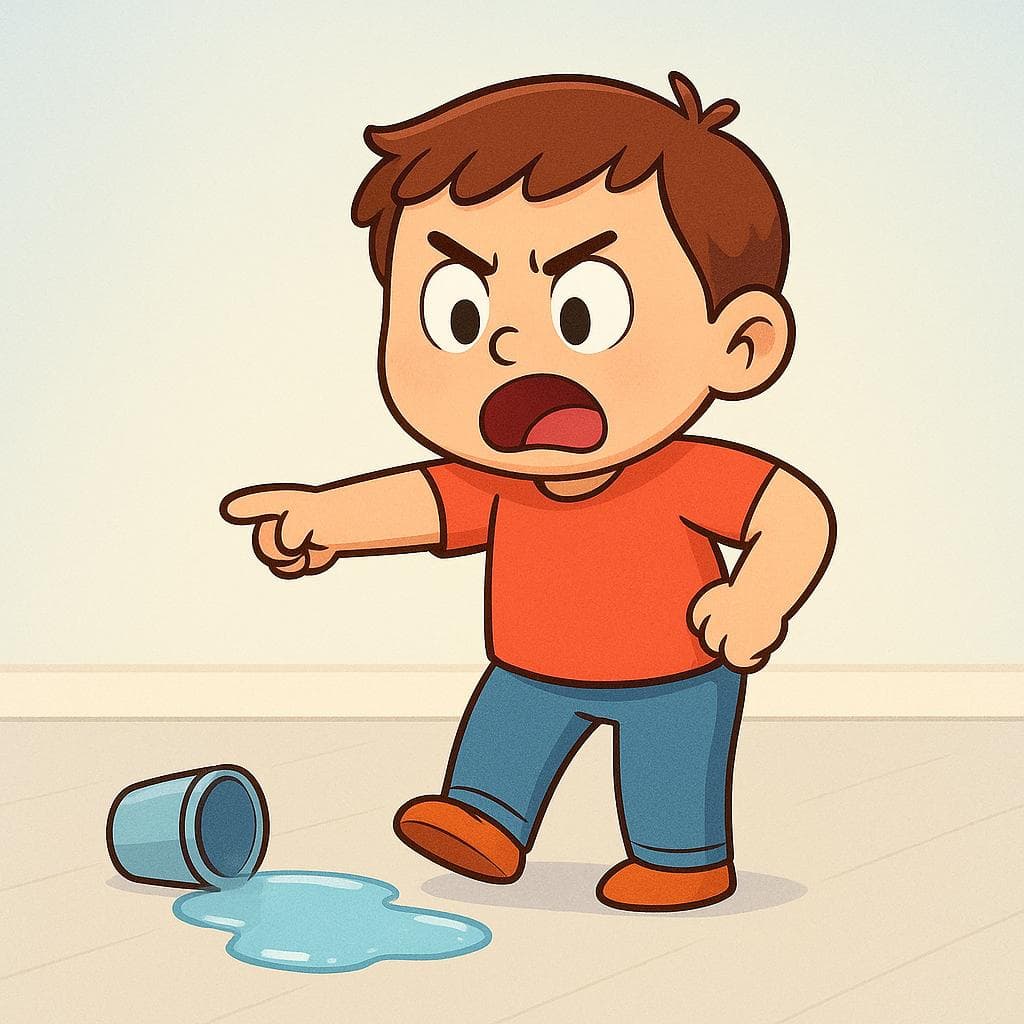
The most common Spanish word for “wow!” is “vaya” — use 'vaya' when expressing general surprise or admiration, often with a hint of pleasant astonishment, like discovering unexpected good news.







vaya
BA-yahˈba.ʝa

Examples
¡Vaya! No sabía que venías. ¡Qué sorpresa!
Wow! I didn't know you were coming. What a surprise!
Me dijo que perdió las llaves otra vez. Vaya...
He told me he lost the keys again. Geez...
Vaya, vaya... con que esas tenemos.
Well, well... so that's how it is.
Confusing Homophones
Mistake: “Writing 'vaya' when you mean 'valla' (fence) or 'baya' (berry).”
Correction: These words sound identical but have different meanings. 'Vaya' is for expressing emotion or is a form of 'ir'. 'Valla' is a fence. 'Baya' is a berry.
anda
an-daˈan.da

Examples
¡Anda, qué sorpresa verte aquí!
Wow, what a surprise to see you here!
¡Anda, no te creo! ¿De verdad ganaste la lotería?
No way, I don't believe you! Did you really win the lottery?
Anda, vamos, que se nos hace tarde.
Come on, let's go, we're running late.
toma
TOH-mahˈto.ma

Examples
¡Toma! Se me olvidó darte las llaves.
Here! I forgot to give you the keys.
¡Gané la apuesta! ¡Toma!
I won the bet! Take that!
¡Toma, qué golazo!
Wow, what a great goal!
caramba
kah-RAHM-bahkaˈɾamba

Examples
¡Caramba! ¡Qué casa tan grande tienen!
Wow! What a big house they have!
¡Caramba! Olvidé la cartera en la oficina otra vez.
Darn it! I forgot my wallet at the office again.
¡Caramba, ese es un buen precio!
My goodness, that's a good price!
Always an Interjection
Since 'caramba' is an interjection, it always stands alone or starts a sentence and needs exclamation marks (¡!) in writing.
Using it as an Adjective
Mistake: “No es una 'caramba' situación.”
Correction: It is only an exclamation and cannot be used to describe people or things.
mírate
Examples
¡Mírate! Has terminado la carrera en primer lugar.
Wow! You finished the race in first place.
sopla
SOH-plahˈsopla

Examples
¡Sopla! No esperaba verte aquí.
Wow! I didn't expect to see you here.
hijo
ee-hoh'ixo

Examples
¡Hijo! Qué susto me diste.
Man! You scared me.
Se me olvidaron las llaves otra vez. ¡Hijo!
I forgot the keys again. Jeez!
hostia
OSS-tyahˈostja

Examples
¡Hostia! Se me han olvidado las llaves en casa.
Damn! I forgot my keys at home.
¡Hostia, qué coche más bonito!
Wow, what a beautiful car!
¡Hostias! ¿Has visto eso?
Holy cow! Did you see that?
Singular vs. Plural
You can say '¡Hostia!' or '¡Hostias!'. Both mean the same thing when used as an exclamation of surprise.
Using it as a mild 'oops'
Mistake: “Saying '¡Hostia!' for a tiny mistake in front of a teacher.”
Correction: It's a bit too strong. Use '¡Ostras!' (a softer version) or '¡Vaya!' for small accidents.
cojón
Examples
¡Cojones! Me has asustado.
Dammit! You scared me.
madres
MA-dresˈma.ðɾes
Examples
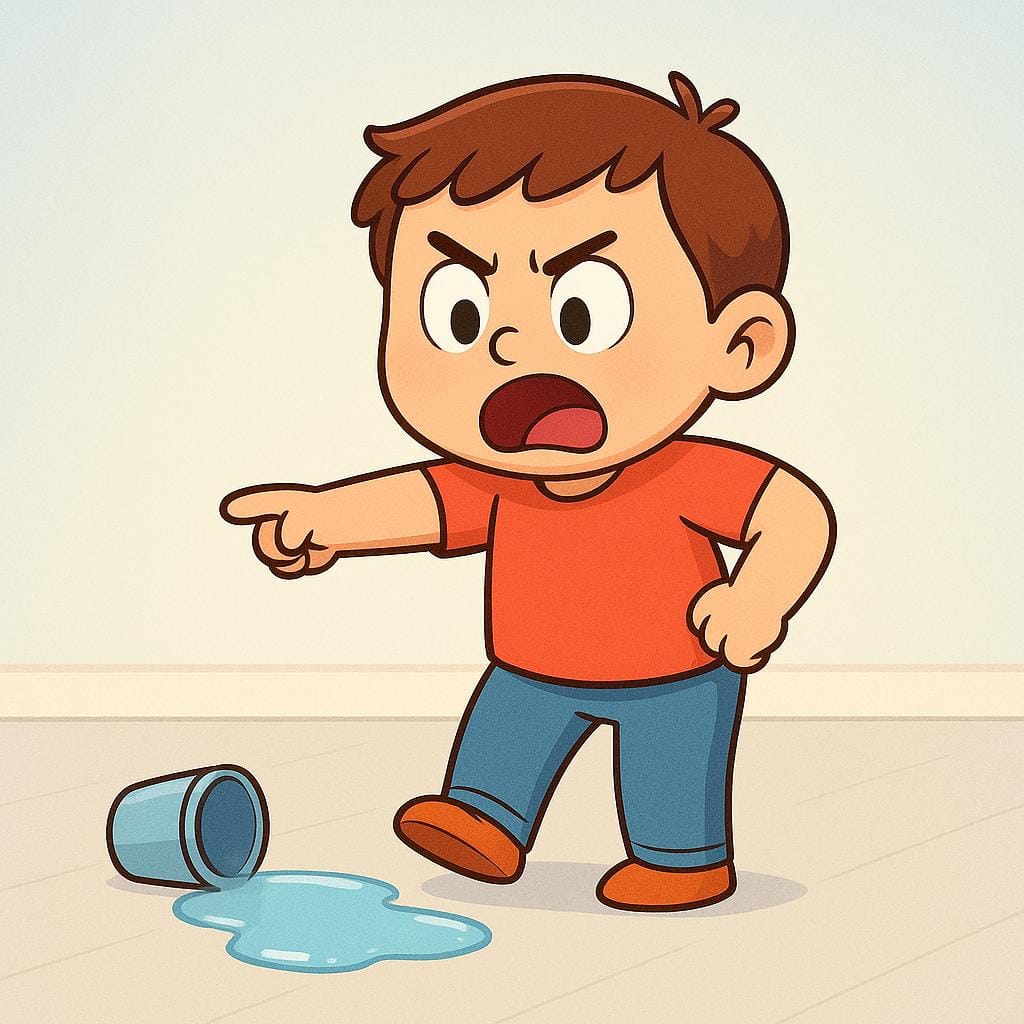
¡Qué poca madre!
That's terrible! / That's messed up!
No me dijo ni madres sobre la reunión.
He didn't tell me a damn thing about the meeting.
¡A qué horas, madres!
What the heck time is it?
The Power of Negation
When used with a negative word (like 'no' or 'ni'), 'madres' strongly emphasizes that absolutely nothing happened or exists: 'No hay ni madres' (There is absolutely nothing).
Using Slang Formally
Mistake: “Using 'madres' in a professional or respectful setting.”
Correction: This usage is highly vulgar and offensive in many contexts. Stick to 'cosas' or 'nada' for neutral settings.
Choosing between mild and strong exclamations
Learn Spanish with Inklingo
Interactive stories, personalized learning, and more.