How to Say "zit" in Spanish
The most common Spanish word for “zit” is “grano” — use 'grano' for a general, common skin blemish or pimple in everyday conversation.
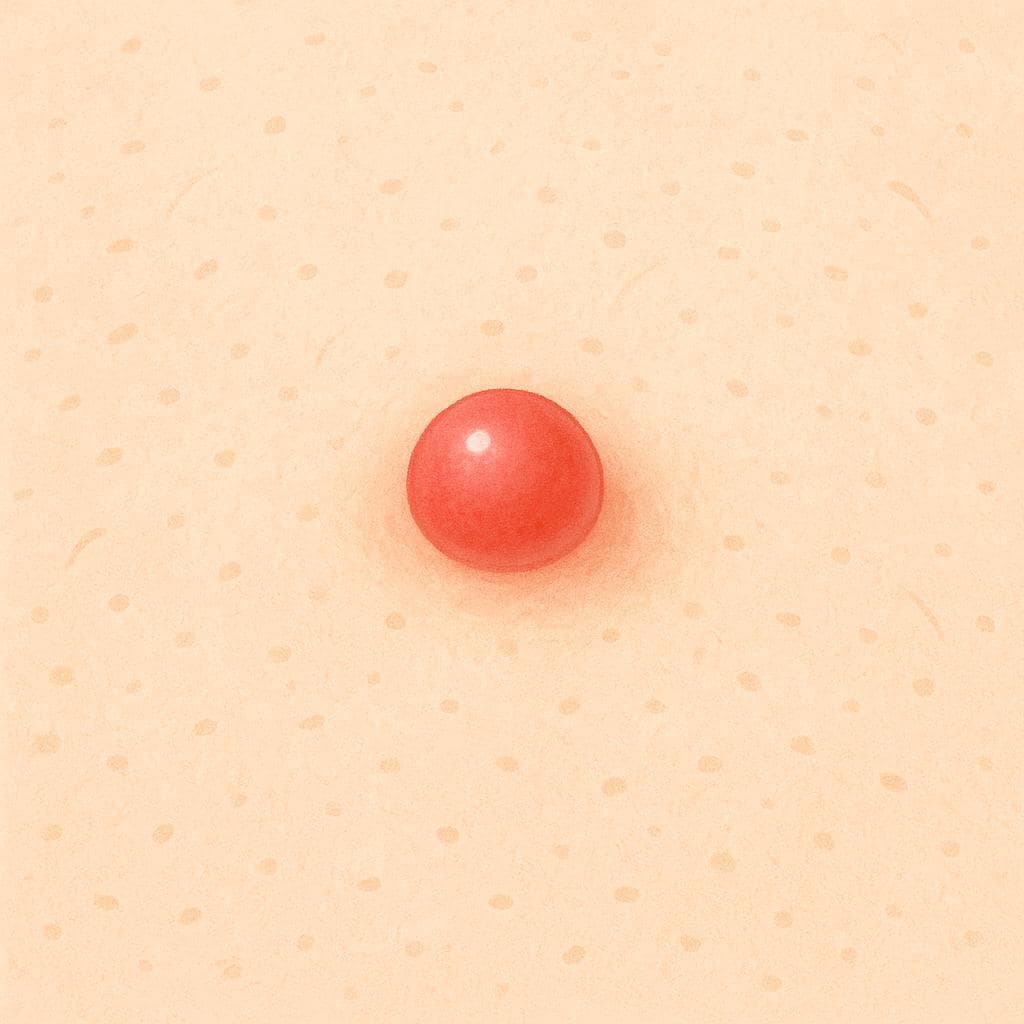
grano
GRAH-nohˈɡɾano
Examples
No te toques el grano, empeorará.
Don't touch the pimple, it will get worse.
A mi hermano le salieron muchos granos en la frente.
My brother got a lot of spots/pimples on his forehead.
Don't confuse with 'mancha'
Mistake: “Using 'mancha' to mean pimple.”
Correction: 'Mancha' means stain or discoloration (like a coffee stain). Use 'grano' or 'espinilla' for a raised blemish.
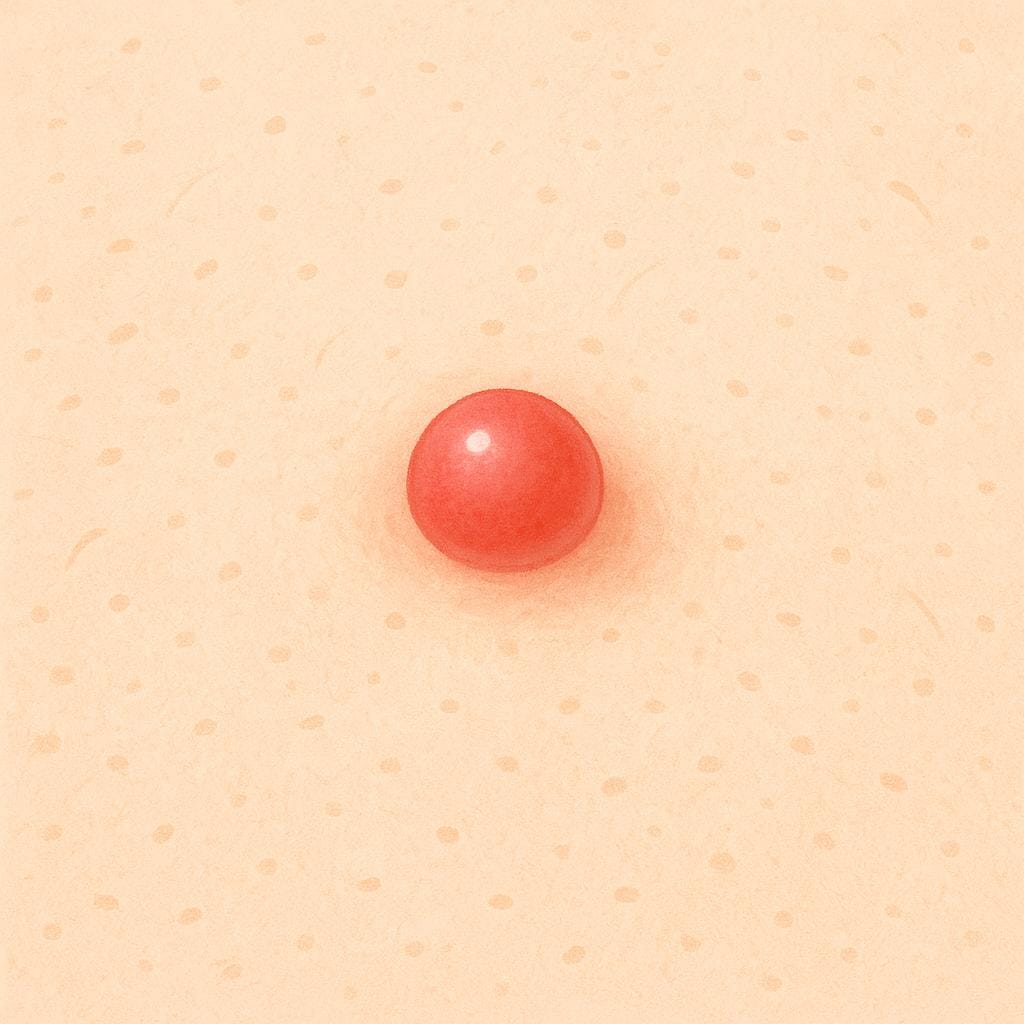
barro
BAH-rrohˈbaro
Examples
Me salió un barro enorme en la barbilla justo antes de la fiesta.
I got a huge pimple on my chin right before the party.
Ella usa una crema especial para combatir los barros y el acné.
She uses a special cream to fight pimples and acne.
Possession for Body Parts
When talking about body parts or blemishes, Spanish often uses 'me salió' (it appeared on me) instead of 'mi' (my) to show a pimple appeared on your body.
Overusing 'barro'
Learn Spanish with Inklingo
Interactive stories, personalized learning, and more.