Computers & Devices in Spanish
Navigating the digital world requires specific vocabulary! This section covers essential Spanish words for computers and devices, from your trusty laptop to the latest gadgets. Knowing these terms will make it much easier to ask for help, understand instructions, or just chat about technology with Spanish speakers. It's fascinating how Spanish often uses direct translations or cognates, but sometimes adopts English terms directly!
Quick Reference
| Spanish | English | Example | Level |
|---|---|---|---|
aplicación | app | Tengo una aplicación para aprender idiomas. | A1 |
cámara | camera | Por favor, sonríe para la cámara. | A1 |
cartucho | ink cartridge | La impresora se quedó sin cartucho de tinta negra. | A2 |
celular | cell phone | Perdí mi celular en el autobús, ¡espero encontrarlo! | A1 |
computador | computer | Tengo que comprar un computador nuevo para la universidad. | A1 |
computadora | computer | Mi computadora es muy rápida para navegar en internet. | A1 |
configurar | to set up | Necesito configurar mi nuevo teléfono. | A2 |
dispositivo | device | Este nuevo dispositivo móvil tiene una cámara increíble. | B1 |
impresora | printer | La impresora no tiene tinta negra. | A1 |
informática | computer science | Mi hermano estudia informática en la universidad. | A2 |
móvil | mobile phone | ¿Dónde dejaste tu móvil? Necesito llamarte. | A1 |
ordenador | computer | Necesito comprar un ordenador portátil nuevo para la universidad. | A1 |
A1 — Beginner (18 words)
app
“Tengo una aplicación para aprender idiomas.”

camera
“Por favor, sonríe para la cámara.”
cell phone
“Perdí mi celular en el autobús, ¡espero encontrarlo!”
computer
“Tengo que comprar un computador nuevo para la universidad.”

computer
“Mi computadora es muy rápida para navegar en internet.”
printer
“La impresora no tiene tinta negra.”
mobile phone
“¿Dónde dejaste tu móvil? Necesito llamarte.”
computer
“Necesito comprar un ordenador portátil nuevo para la universidad.”

screen
“La pantalla de mi móvil se rompió cuando se me cayó.”

portable
“Necesito un cargador portátil para mi teléfono.”

program / show
“¿Cuál es tu programa de televisión favorito?”

key
“Presiona la tecla Enter para continuar.”

keyboard
“Mi teclado no tiene la letra Ñ.”

TV
“¿Qué hay en la tele esta noche?”
telephone
“¿Me prestas tu teléfono para hacer una llamada?”

television set
“Compramos una televisión nueva para la sala.”
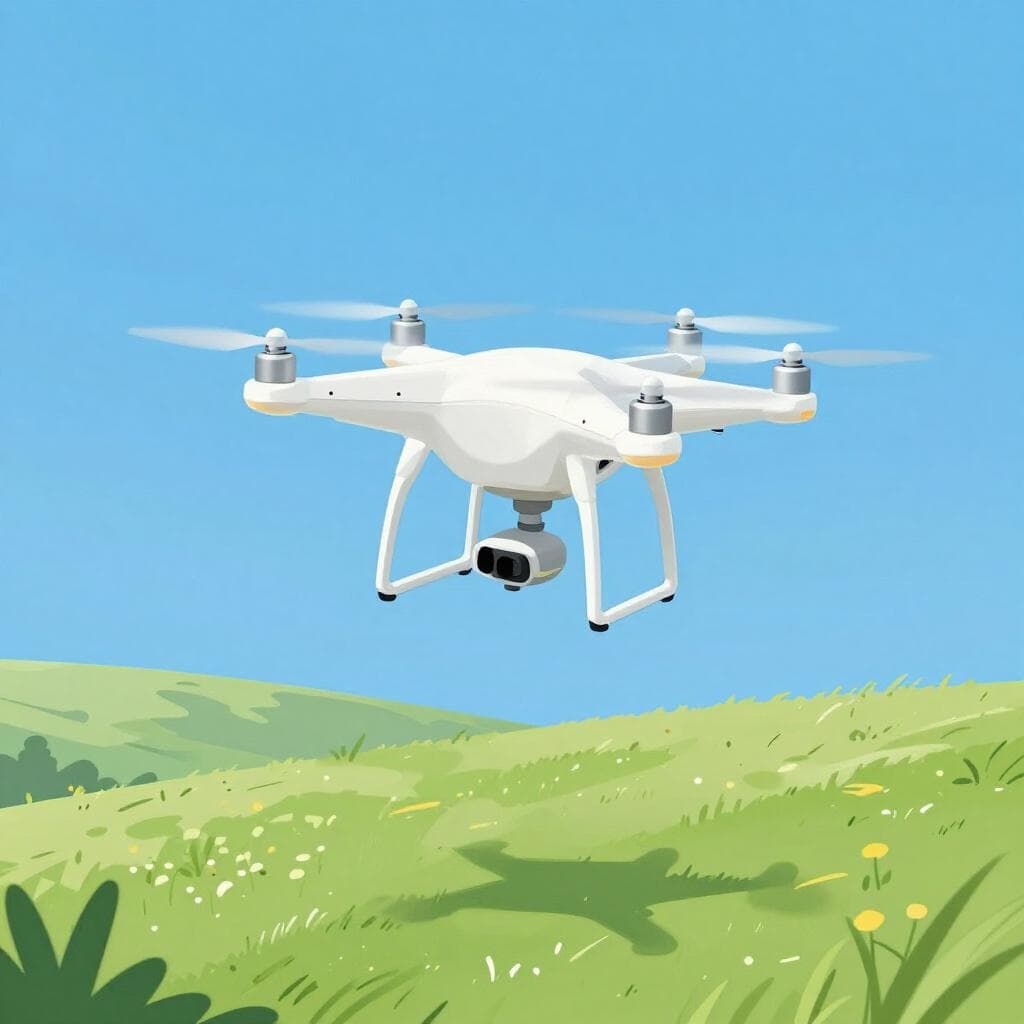
drone
“Mi hermano tiene un dron con cámara.”

television set
“El televisor de la sala es muy grande.”
A2 — Elementary (8 words)

ink cartridge
“La impresora se quedó sin cartucho de tinta negra.”
to set up
“Necesito configurar mi nuevo teléfono.”

computer science
“Mi hermano estudia informática en la universidad.”

to program
“Ella aprendió a programar en Python el año pasado.”

software
“Necesito actualizar el software de mi teléfono.”
website
“Tienes que buscar la información en la web de la universidad.”
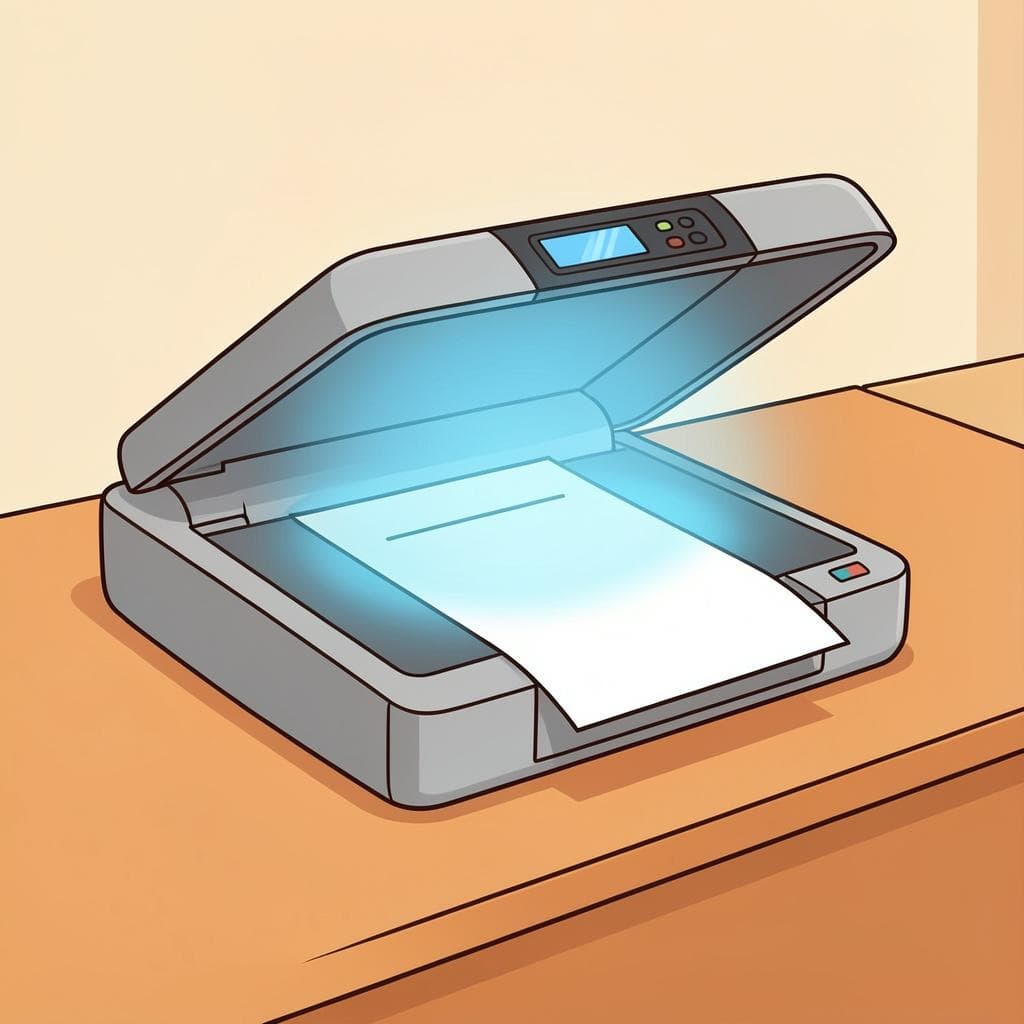
scanner
“Puse el documento en el escáner para enviarlo por correo.”

server
“El servidor de la cafetería es muy amable.”
B1 — Intermediate (3 words)

device
“Este nuevo dispositivo móvil tiene una cámara increíble.”

programming
“Estoy tomando un curso de programación en Python.”

to hack
“Alguien intentó hackear mi cuenta de Instagram ayer.”
Grammar Tips
Gender Agreement
Like most Spanish nouns, computer-related words have gender. 'El computador' and 'el dispositivo' are masculine, while 'la computadora' and 'la impresora' are feminine. Remember to match articles and adjectives accordingly, e.g., 'el computador nuevo' (the new computer) and 'la impresora rápida' (the fast printer).
Plurals: Simple 's' or 'es'
Most Spanish plurals are formed by adding 's' to words ending in a vowel (computador**es**, dispositiv**os**) or 'es' to words ending in a consonant (hackear -> hacke**ar**es - though this is rare for verbs). Pay attention to accents when pluralizing, though many common tech terms don't require them.
Verb Endings
Many tech actions are verbs, often ending in -ar, -er, or -ir. For example, 'configurar' (to set up), 'hackear' (to hack), 'descargar' (to download). You'll conjugate these like any other Spanish verb based on who is performing the action.
Common Mistakes
Adjective Placement
Mistake: “Yo quiero la nueva computadora.”
Correction: Yo quiero la computadora nueva. — In Spanish, descriptive adjectives (like 'new') typically come *after* the noun they modify.
Gender Error
Mistake: “La celular está roto.”
Correction: El celular está roto. — 'Celular' (cell phone) is a masculine noun in Spanish, so it requires the masculine article 'el'.
Verb Conjugation
Mistake: “Yo hackear el sistema.”
Correction: Yo hackeo el sistema. — You must conjugate verbs! 'Hackear' is the infinitive. For 'I hack', you use the first-person singular present tense: 'hackeo'.
Cultural Notes
Computer vs. Laptop
While 'computadora' is common in many Latin American countries, Spain often prefers 'ordenador'. Both mean computer, but 'ordenador' is more specific to a desktop or laptop computer, whereas 'computadora' can sometimes feel more general. You'll also hear 'portátil' for laptop.
App Adoption
The word 'app' is widely understood and used in Spanish-speaking countries, often pronounced with a Spanish accent. While 'aplicación' is the formal translation, many people will simply say 'la app' (feminine, borrowed from English).