Emergency & Safety in Spanish
When unexpected situations arise, knowing how to communicate is crucial. This vocabulary set covers essential terms for emergencies and safety, from calling for help to understanding warnings. Being prepared with these words can make a big difference in critical moments, helping you stay safe and assist others effectively. Unlike English, Spanish often uses the plural form of nouns like 'emergencias' or 'riesgos' when referring to these concepts generally.
Quick Reference
| Spanish | English | Example | Level |
|---|---|---|---|
advertencia | warning | El cartel de la piscina tenía una advertencia clara sobre la profundidad. | A2 |
alerta | alert | Han declarado una alerta roja por la tormenta. | A2 |
ambulancia | ambulance | Llamamos a la ambulancia inmediatamente después del accidente. | A1 |
bomba | bomb | La policía encontró una bomba escondida debajo del coche. | A2 |
bombero | firefighter | Llamaron a los bomberos para apagar el incendio. | A1 |
emergencia | emergency | Llama al número de emergencia inmediatamente. | A2 |
precaución | caution | Por favor, maneja con mucha precaución porque está lloviendo. | A2 |
riesgo | risk | Correr un riesgo alto es parte de la inversión en la bolsa. | B1 |
seguridad | safety | Por favor, pónganse el cinturón de seguridad. | A2 |
socorro | Help! | ¡Socorro! Me estoy ahogando, necesito un salvavidas. | A1 |
urgencia | urgency | No hay ninguna urgencia, tómate tu tiempo. | A2 |
alertar | to alert | La aplicación me alertó de un posible retraso. | B1 |
A1 — Beginner (3 words)

ambulance
“Llamamos a la ambulancia inmediatamente después del accidente.”
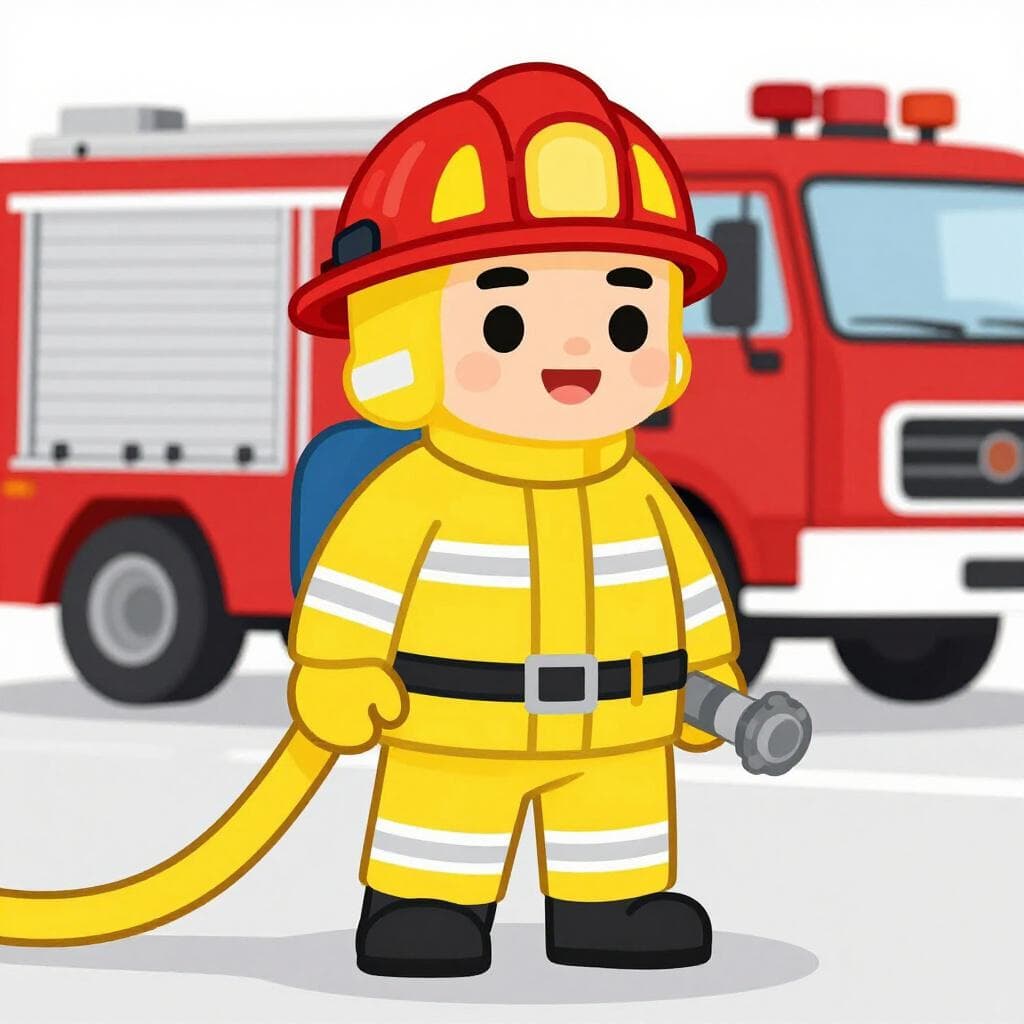
firefighter
“Llamaron a los bomberos para apagar el incendio.”

Help!
“¡Socorro! Me estoy ahogando, necesito un salvavidas.”
A2 — Elementary (9 words)
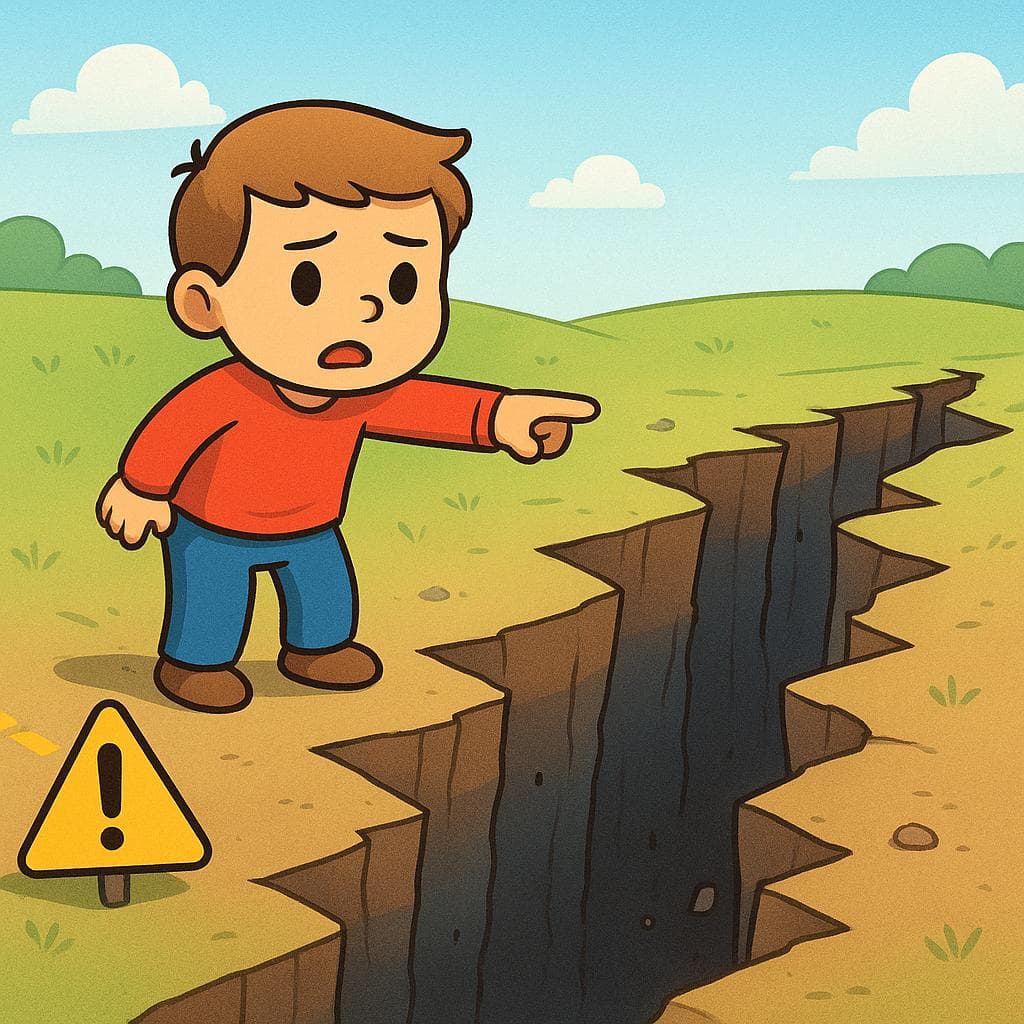
warning
“El cartel de la piscina tenía una advertencia clara sobre la profundidad.”

alert
“Han declarado una alerta roja por la tormenta.”
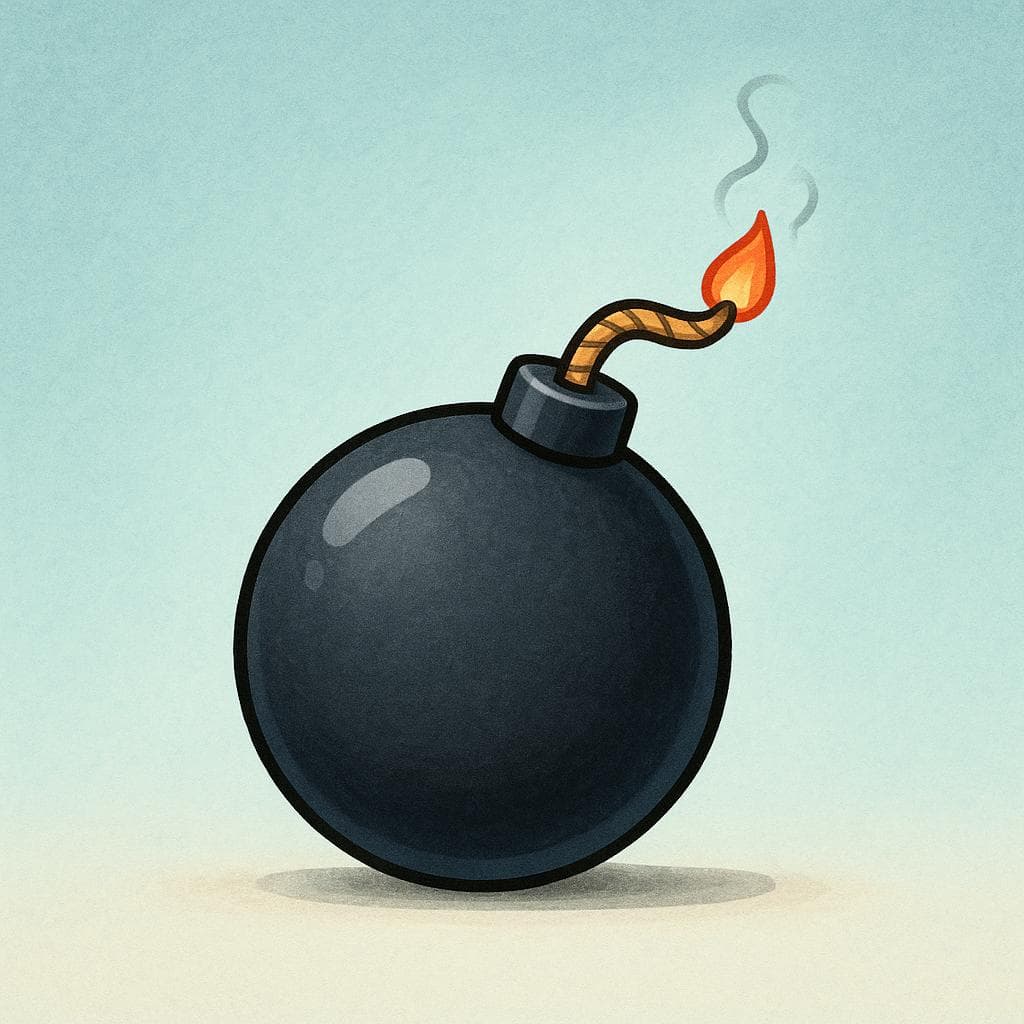
bomb
“La policía encontró una bomba escondida debajo del coche.”

emergency
“Llama al número de emergencia inmediatamente.”

caution
“Por favor, maneja con mucha precaución porque está lloviendo.”

safety
“Por favor, pónganse el cinturón de seguridad.”

urgency
“No hay ninguna urgencia, tómate tu tiempo.”

aid
“Necesitamos auxilio médico urgente para el paciente.”

life jacket
“Es obligatorio llevar el salvavidas puesto en el barco.”
B1 — Intermediate (4 words)

risk
“Correr un riesgo alto es parte de la inversión en la bolsa.”

to alert
“La aplicación me alertó de un posible retraso.”

to evacuate
“Tuvieron que evacuar el edificio por la alarma de incendio.”
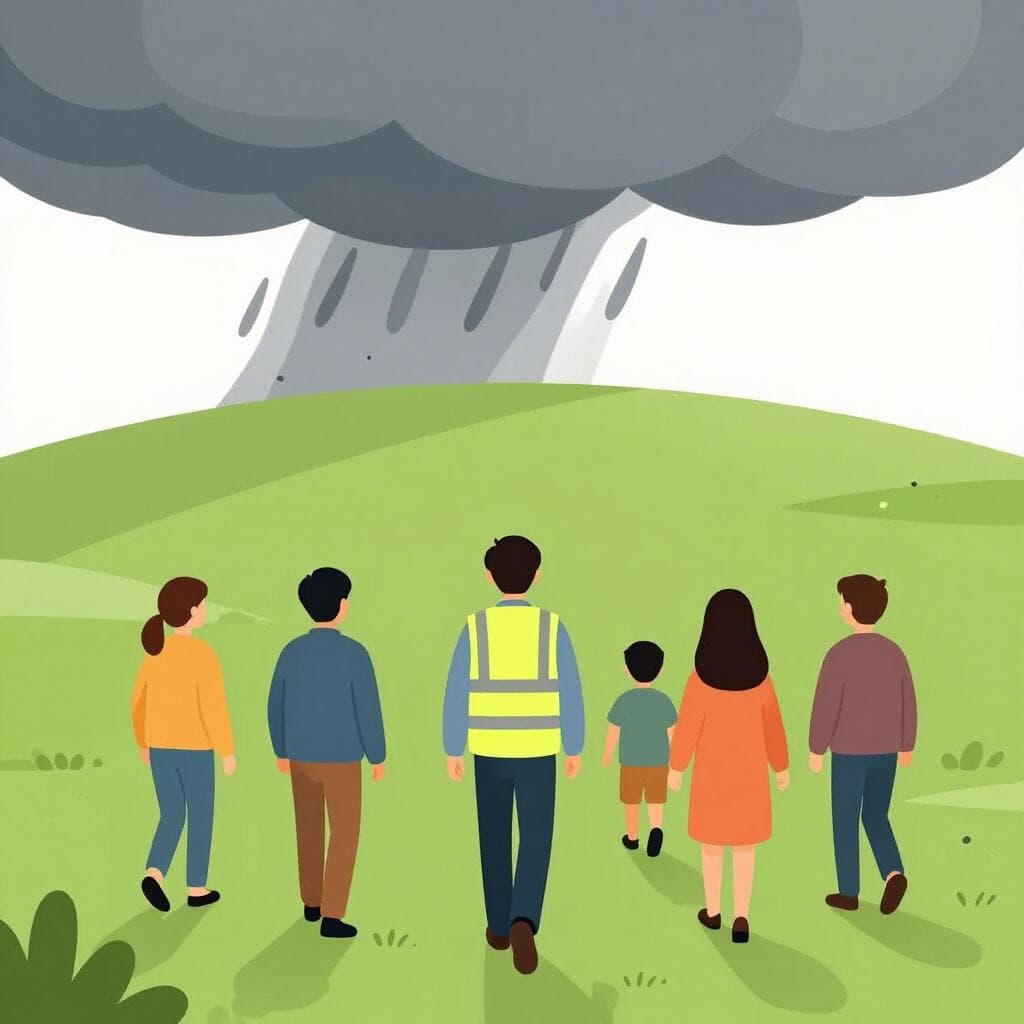
evacuation
“La evacuación del edificio fue muy ordenada durante el simulacro de incendio.”
Grammar Tips
Plural Forms for General Concepts
Many safety and emergency terms, like 'emergencia' (emergency) and 'riesgo' (risk), are commonly used in their plural forms ('emergencias', 'riesgos') when discussing the topic broadly. For example, 'Hay muchas emergencias en esta ciudad' (There are many emergencies in this city).
Verb Conjugation for Actions
Words like 'alertar' (to alert) and 'evacuar' (to evacuate) are verbs that change their endings based on who is performing the action and when. Remember to conjugate them correctly, for example, 'Te alerto' (I alert you) vs. 'Él evacuó' (He evacuated).
Adjectives and Agreement
When describing a situation or object related to safety, adjectives must agree in gender and number with the noun they modify. For instance, 'una advertencia importante' (an important warning) or 'los riesgos son altos' (the risks are high).
Common Mistakes
Incorrect Adjective Placement
Mistake: “La peligrosa situación ocurrió.”
Correction: La situación peligrosa ocurrió. — In Spanish, descriptive adjectives like 'peligrosa' (dangerous) usually come *after* the noun they modify.
Confusing 'Riesgo' and 'Riesgos'
Mistake: “Hay un riesgo de incendio.”
Correction: Hay riesgos de incendio. — While singular is possible, it's more common and natural in Spanish to use the plural 'riesgos' when talking about potential dangers or risks in a general sense.
Misusing 'Auxilio'
Mistake: “Necesito auxilio rápido.”
Correction: Necesito ayuda rápido. / ¡Socorro! — 'Auxilio' is often used as an interjection like 'Help!' or in more formal contexts. 'Ayuda' is the more common word for 'help' in everyday requests.
Cultural Notes
Community Alert Systems
In many Spanish-speaking countries, community watch programs and neighborhood alert systems are common. While official warnings exist, informal networks and word-of-mouth play a significant role in disseminating safety information quickly.
Emphasis on Family and Neighbors
When emergencies strike, there's often a strong cultural emphasis on relying on immediate family and trusted neighbors for initial support before official services arrive. This mutual aid is deeply ingrained in many communities.