Police & Justice in Spanish
Navigating the world of law and order in Spanish can be tricky, but it's super useful for understanding news or even just watching crime dramas! This category covers everything from police actions and legal terms to court proceedings and punishments. You'll find it's quite direct, with many cognates from English, but pay attention to verb conjugations, as they're key to expressing actions and states within the justice system.
Quick Reference
| Spanish | English | Example | Level |
|---|---|---|---|
autoridad | authority | El director tiene la autoridad de aprobar el presupuesto. | A2 |
banquillo | the bench | El jugador estrella empezó el partido en el banquillo. | A2 |
comisario | police commissioner | El comisario de policía dio una rueda de prensa sobre el robo. | B1 |
detención | arrest | La detención del sospechoso ocurrió sin incidentes. | B2 |
detener | to stop | El guardia detuvo el tráfico para que cruzáramos. | A2 |
jueces | judges | Los jueces emitirán su fallo sobre el caso mañana. | B1 |
juez | judge | El juez dictó sentencia después de escuchar todas las pruebas. | B1 |
justicia | justice | Todos merecen recibir un trato con justicia, sin importar quiénes sean. | A2 |
juzgado | court | Tuvimos que ir al juzgado para presentar la demanda. | B1 |
poli | cop | ¡Cuidado! Hay un poli en la esquina vigilando la velocidad. | A2 |
policía | the police | Si tienes una emergencia, llama a la policía. | A1 |
policial | police | La investigación policial duró seis meses. | A2 |
A1 — Beginner (1 words)

the police
“Si tienes una emergencia, llama a la policía.”
A2 — Elementary (8 words)

authority
“El director tiene la autoridad de aprobar el presupuesto.”

the bench
“El jugador estrella empezó el partido en el banquillo.”

to stop
“El guardia detuvo el tráfico para que cruzáramos.”

justice
“Todos merecen recibir un trato con justicia, sin importar quiénes sean.”

cop
“¡Cuidado! Hay un poli en la esquina vigilando la velocidad.”

police
“La investigación policial duró seis meses.”

prison
“El ladrón fue enviado a la cárcel por diez años.”
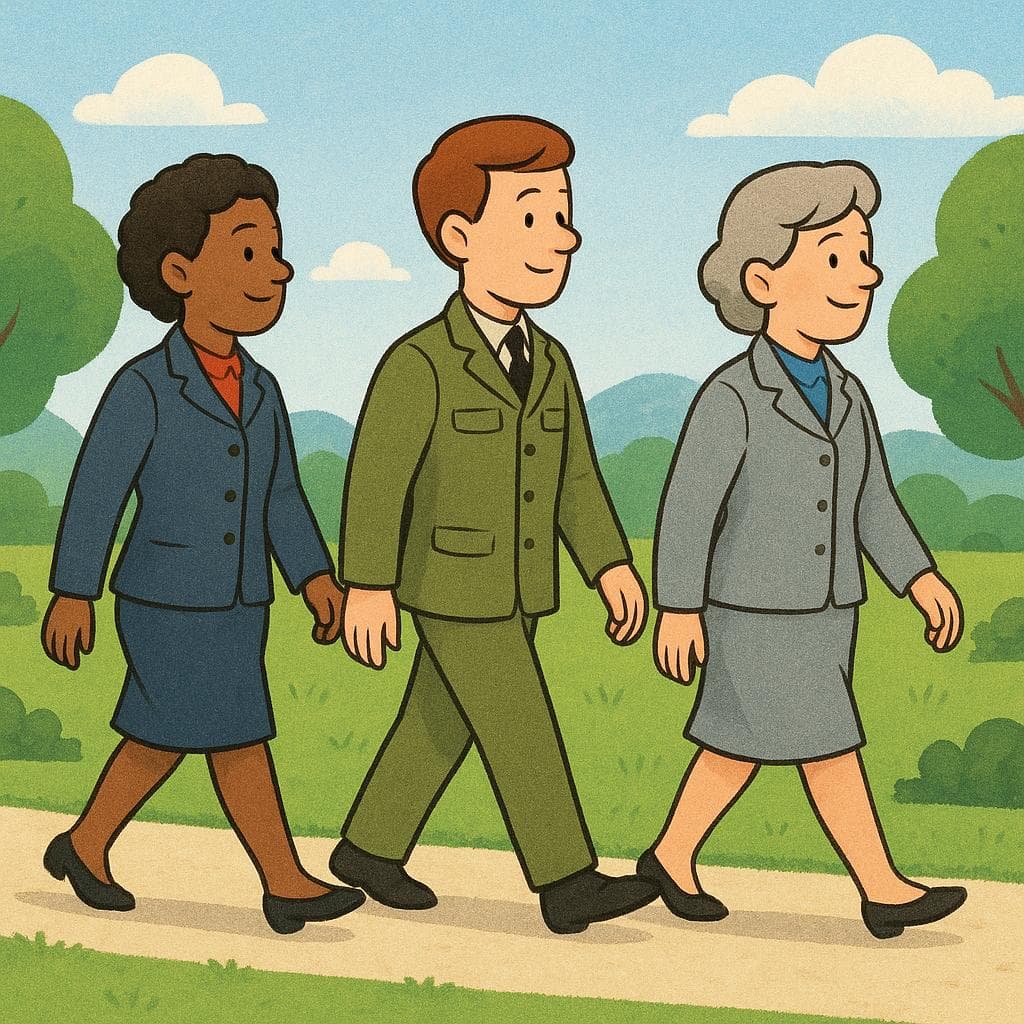
patrol
“Una patrulla de policía llegó rápidamente al lugar del accidente.”
B1 — Intermediate (32 words)

police commissioner
“El comisario de policía dio una rueda de prensa sobre el robo.”
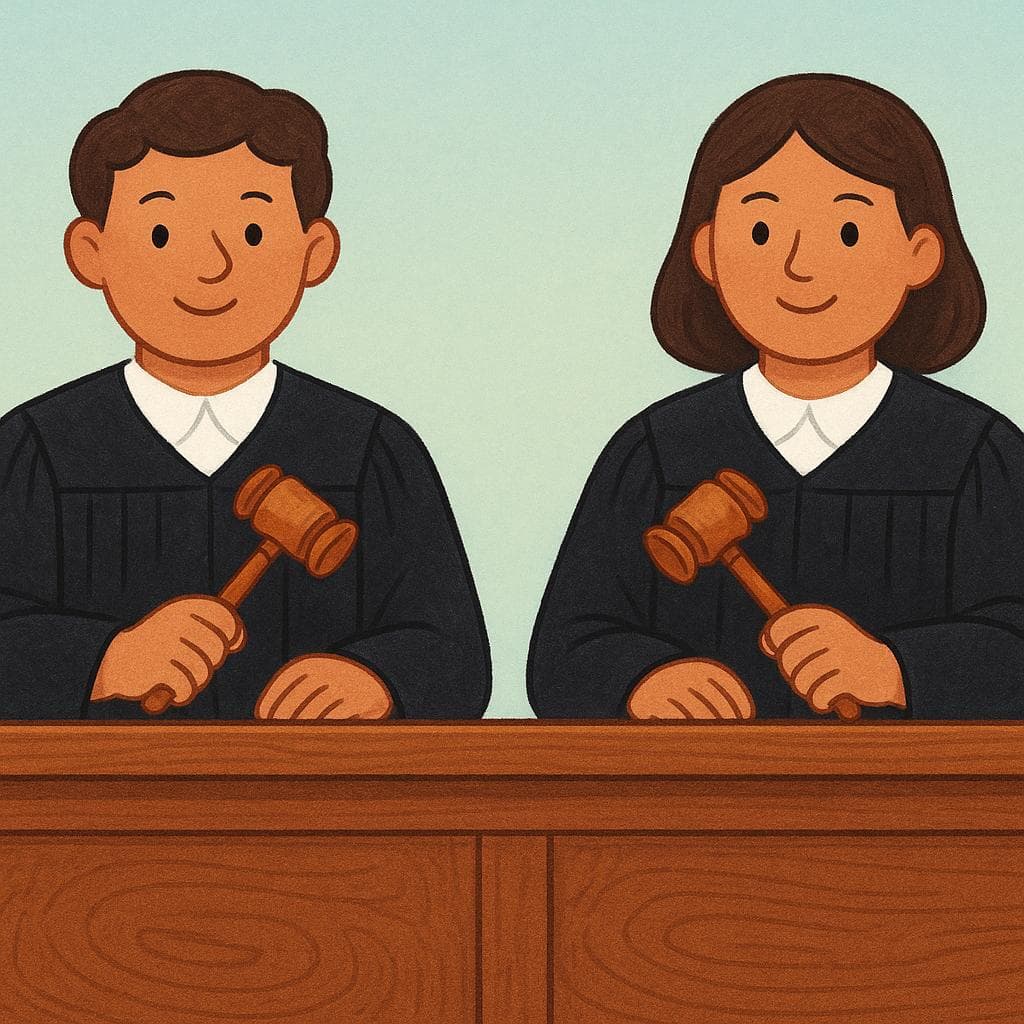
judges
“Los jueces emitirán su fallo sobre el caso mañana.”

judge
“El juez dictó sentencia después de escuchar todas las pruebas.”
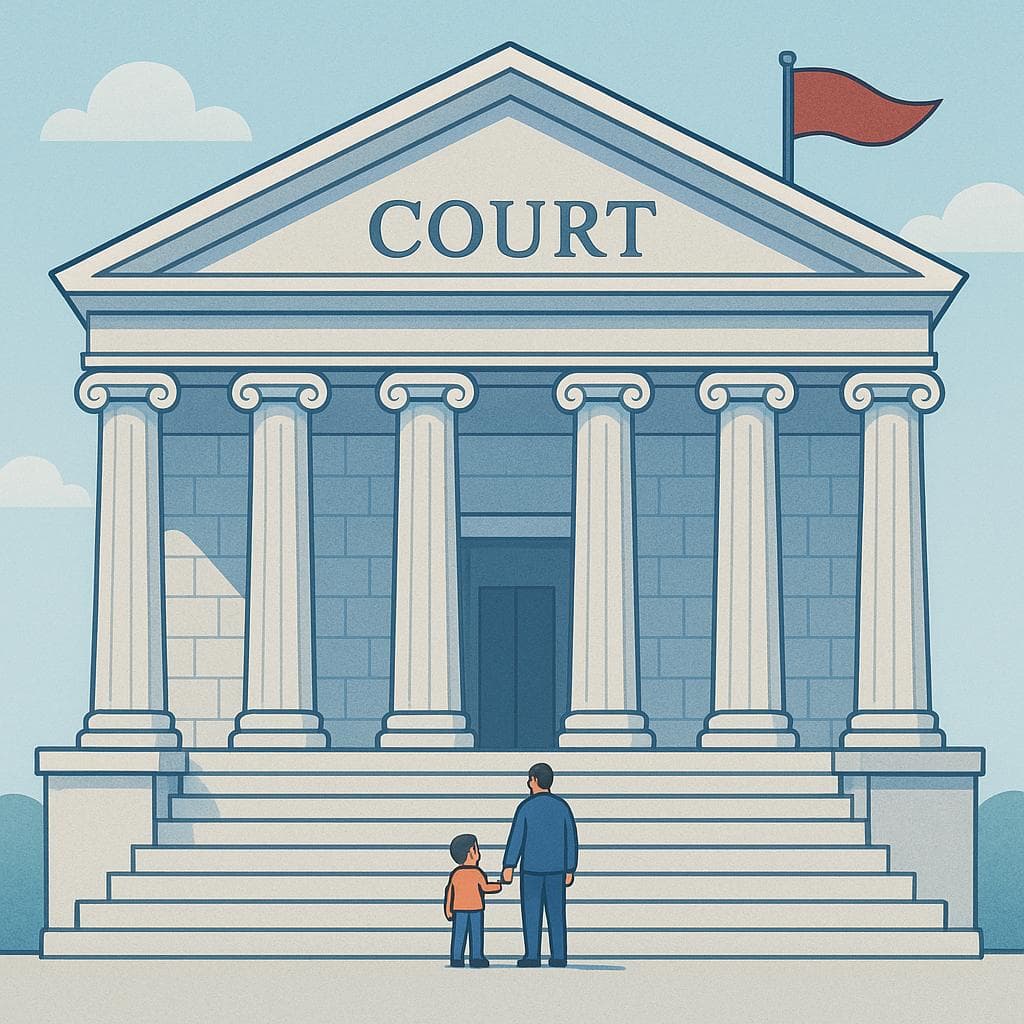
court
“Tuvimos que ir al juzgado para presentar la demanda.”

arrested
“El hombre arrestado fue trasladado a la comisaría.”

to arrest
“La policía logró arrestar al sospechoso después de la persecución.”

arrest
“La policía ejecutó el arresto sin resistencia.”
sentence
“La corte dictó una condena de diez años de prisión.”
sentenced
“El hombre condenado apeló la sentencia.”

criminal
“La policía está investigando las actividades criminales del grupo.”

criminal
“La policía capturó al delincuente después del robo.”

detainee
“El detenido pidió hablar con su abogado antes de declarar.”

federal police
“Los federales llegaron a la escena del crimen muy rápido.”
trial
“El juicio comenzará el próximo lunes.”
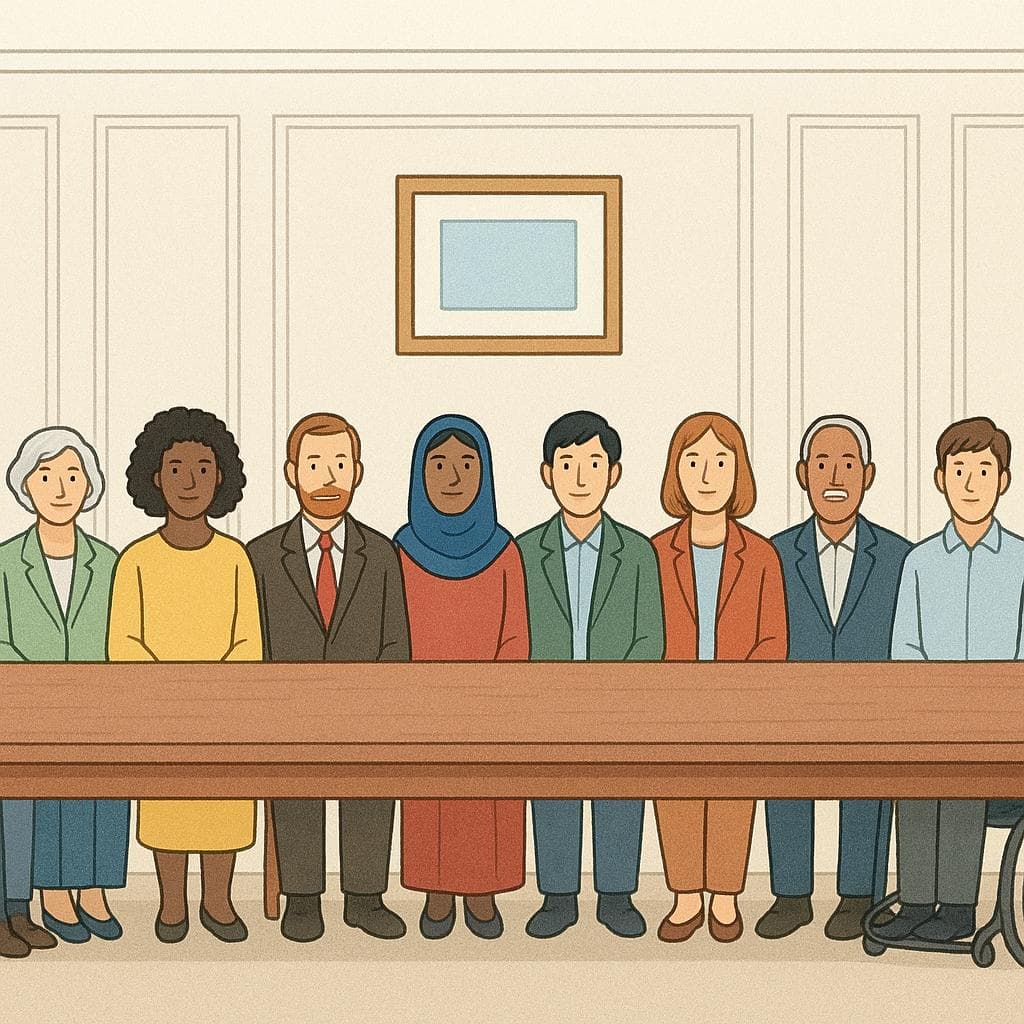
jury
“El jurado tardó diez horas en llegar a un veredicto.”

oath
“El testigo tuvo que hacer un juramento antes de declarar.”
legal
“Necesitamos analizar el marco jurídico antes de firmar el contrato.”

lawsuit
“El abogado logró ganar el pleito después de dos años.”

prisoner
“El preso pidió ver a su abogado inmediatamente.”

prison
“El ladrón fue enviado a la prisión por diez años.”
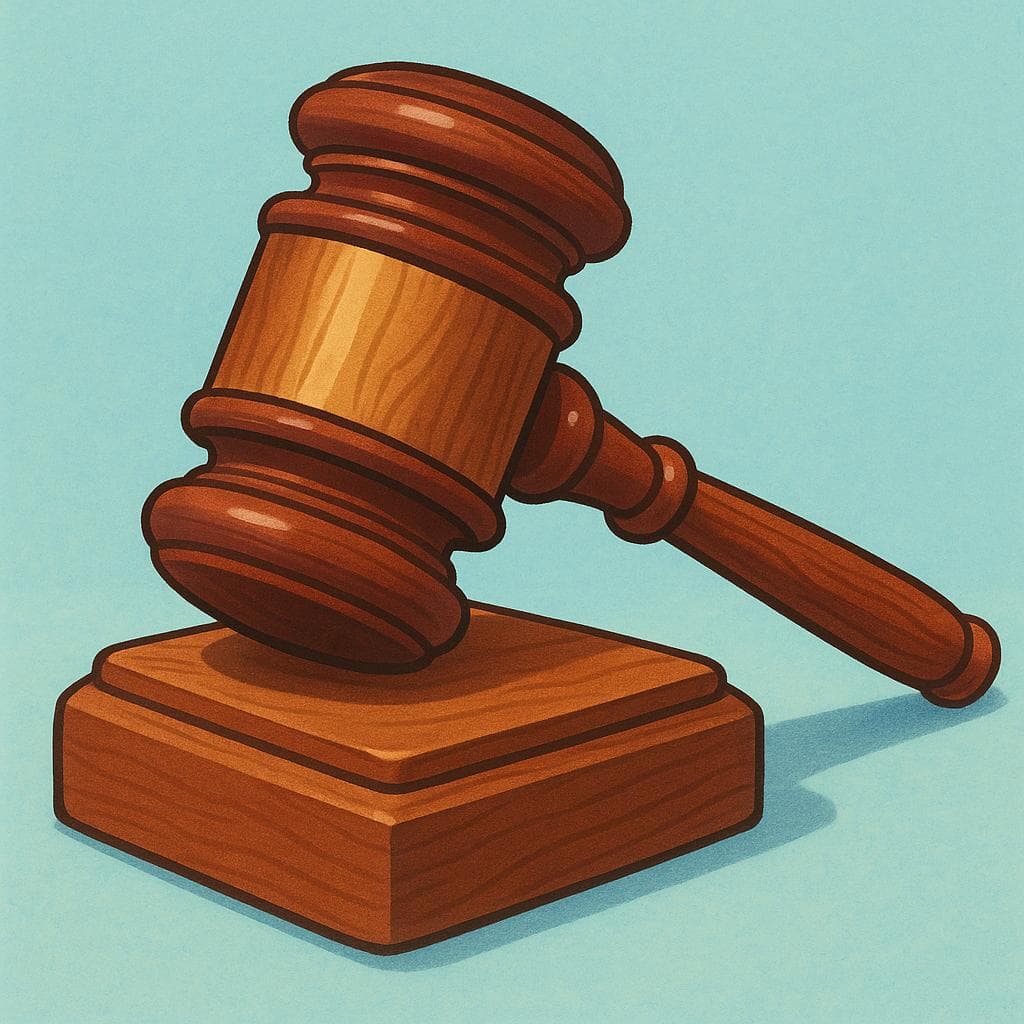
sentence
“La sentencia por el robo fue de cinco años de prisión.”

lieutenant
“El teniente dio la orden de avanzar.”

court
“El tribunal falló a favor del demandante.”
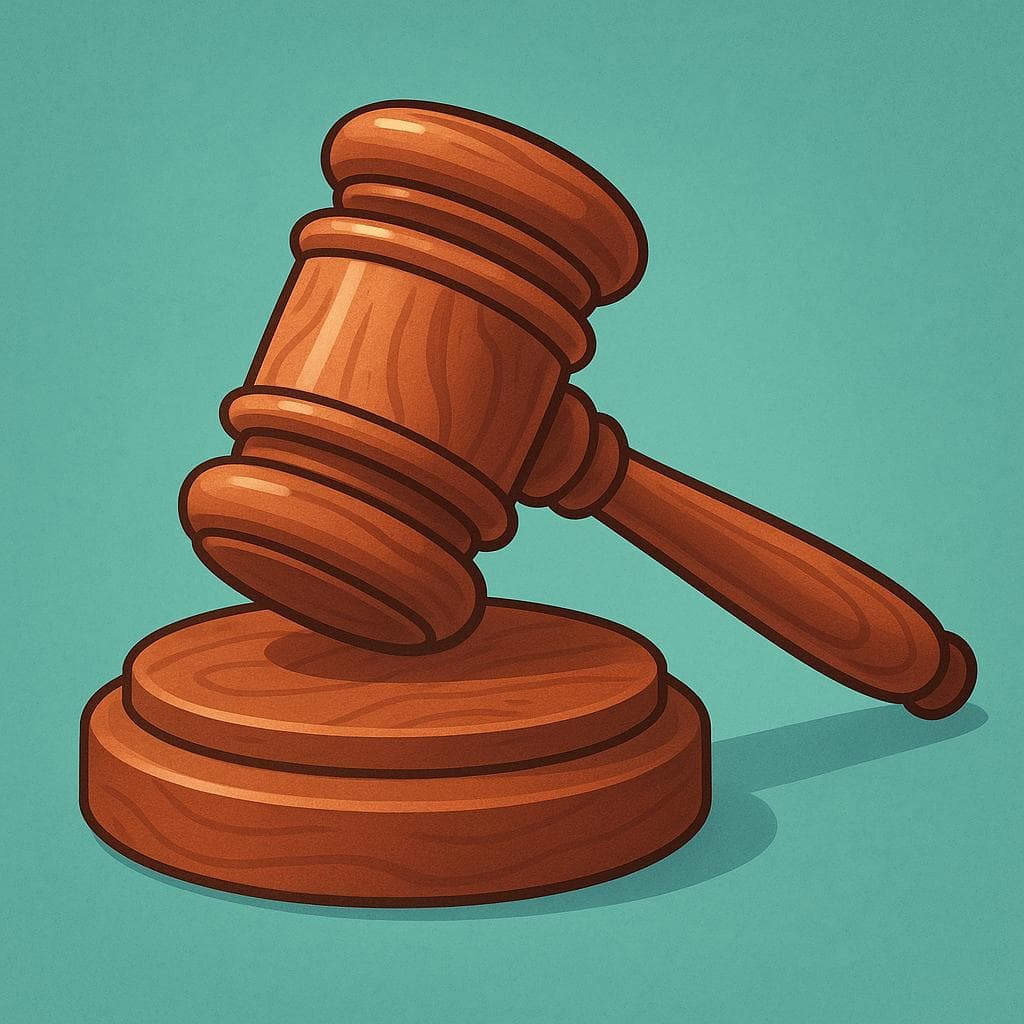
verdict
“El jurado emitió su veredicto después de tres días de deliberación.”

to capture
“La policía logró apresar al fugitivo después de una larga persecución.”
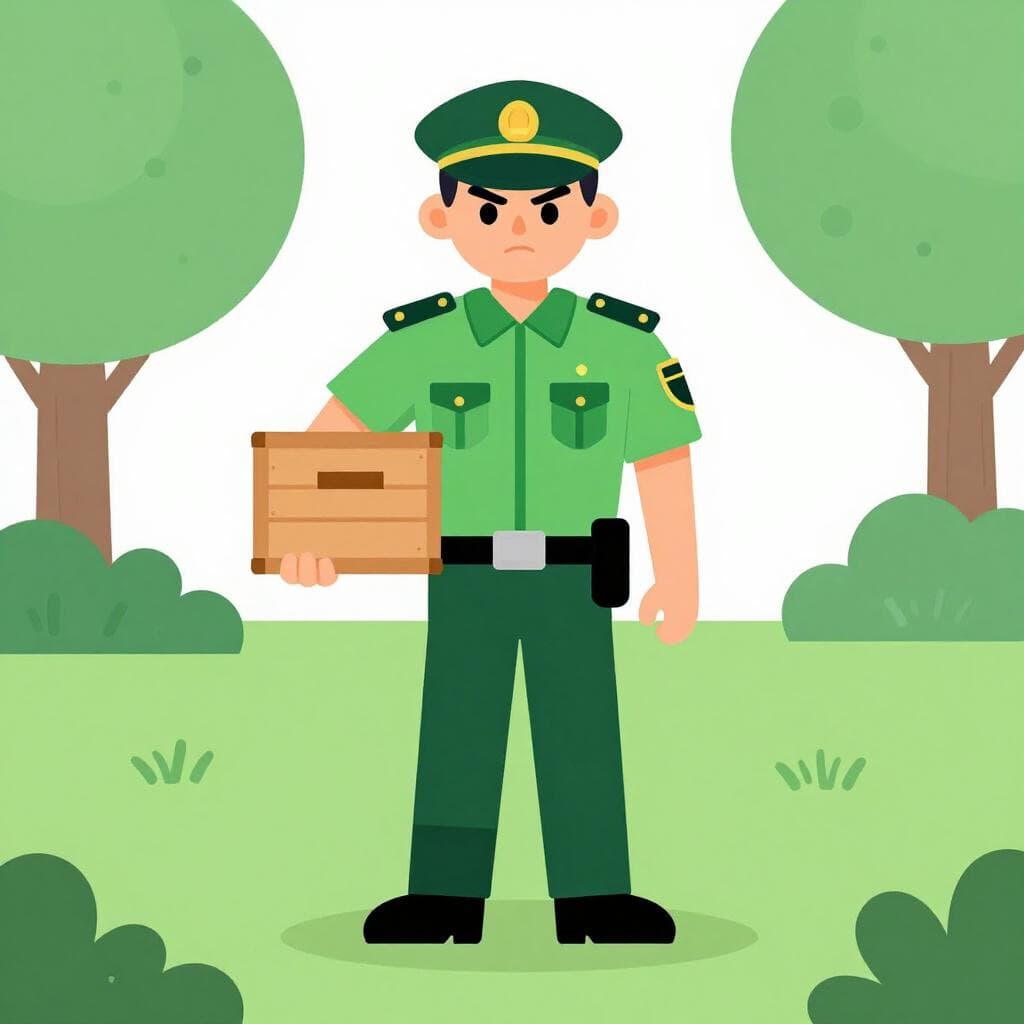
to confiscate
“El profesor tuvo que confiscar el teléfono del alumno.”
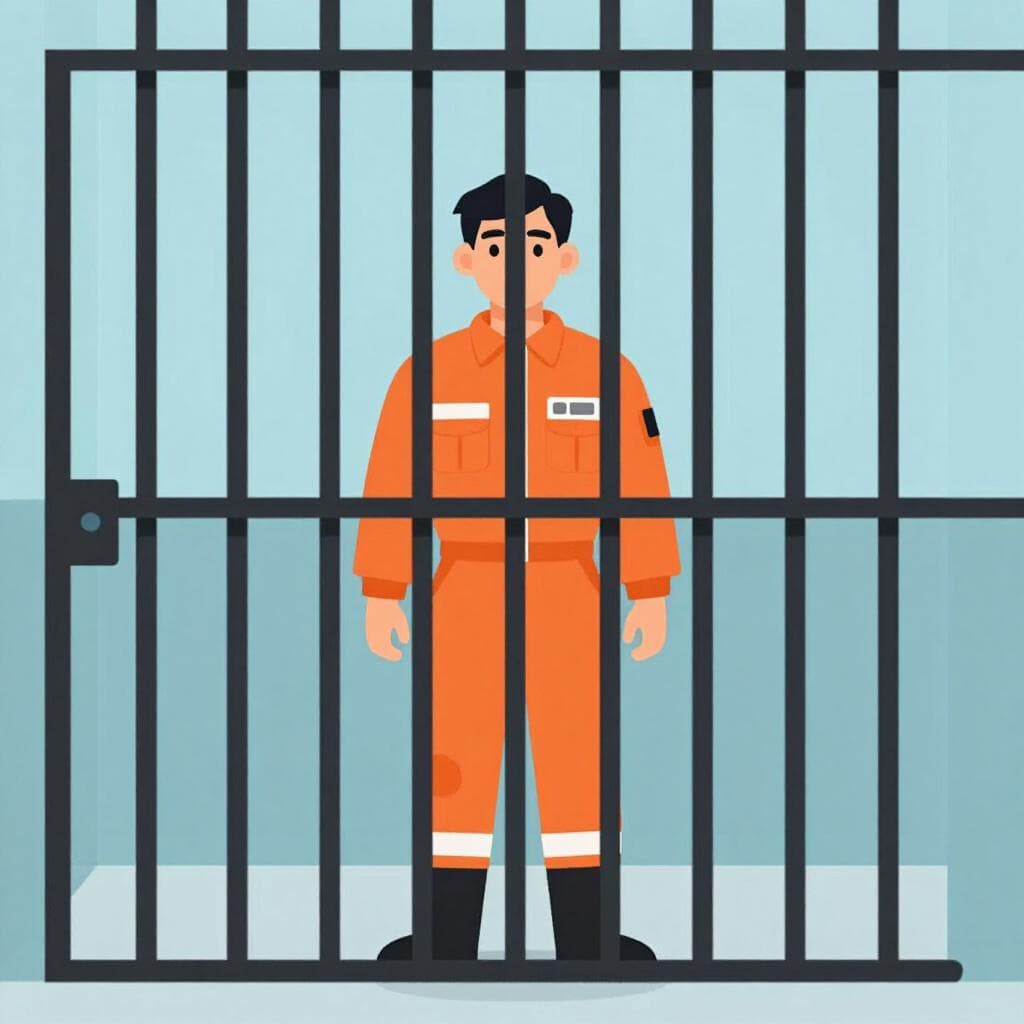
to imprison
“La policía va a encarcelar al sospechoso esta tarde.”

to patrol
“La policía patrulla el centro de la ciudad todas las noches.”

police
“Me encanta leer novelas policíacas antes de dormir.”

inmate
“El recluso cumplió su condena de cinco años.”
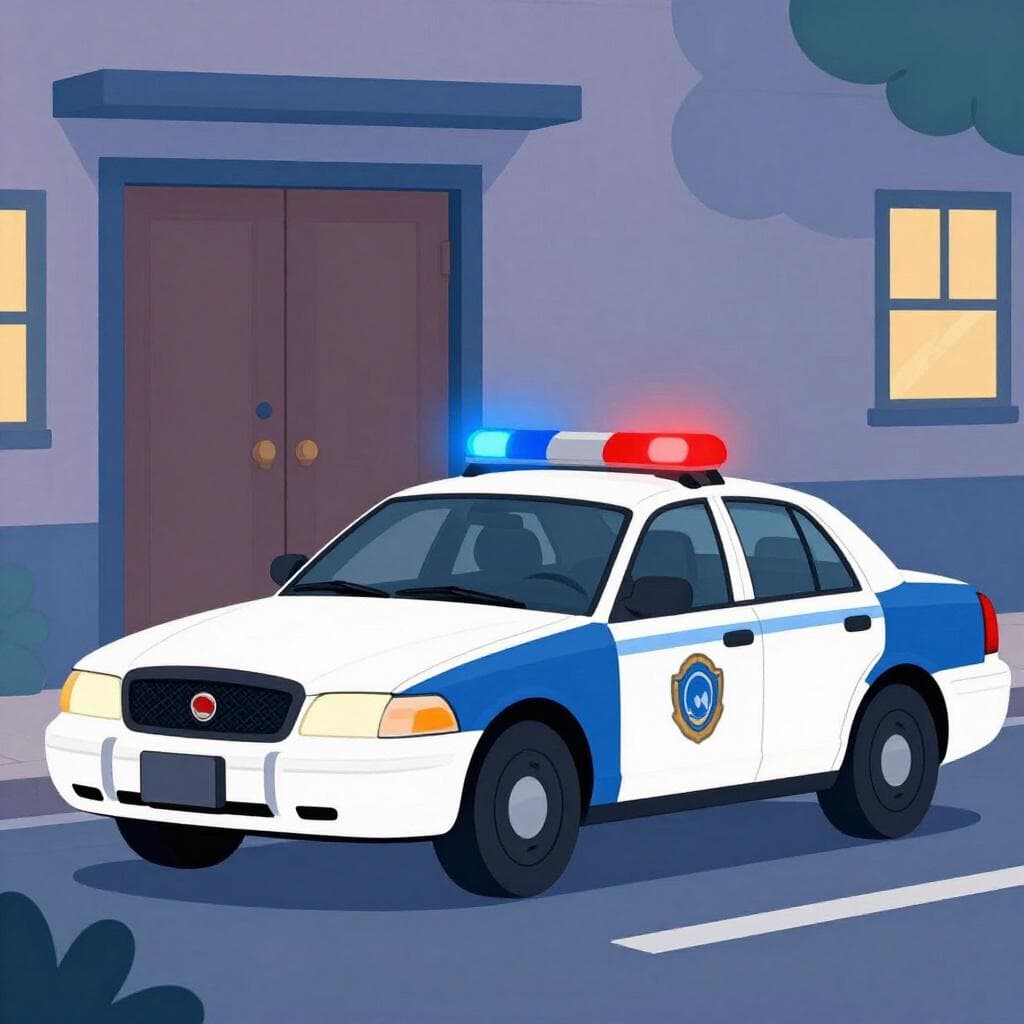
raid
“La policía hizo una redada en el almacén anoche.”
to sentence
“El juez sentenció al acusado a diez años de prisión.”
B2 — Upper Intermediate (13 words)

arrest
“La detención del sospechoso ocurrió sin incidentes.”

custody
“Después del divorcio, la custodia de los niños fue para el padre.”

criminals
“La policía capturó a los tres delincuentes después de la persecución.”

criminal
“El abogado se especializa en derecho penal.”

summons
“He recibido una citación judicial para testificar el lunes.”

convict
“El convicto fue trasladado a una prisión de alta seguridad.”

jurisdiction
“Ese asunto no cae bajo mi jurisdicción.”
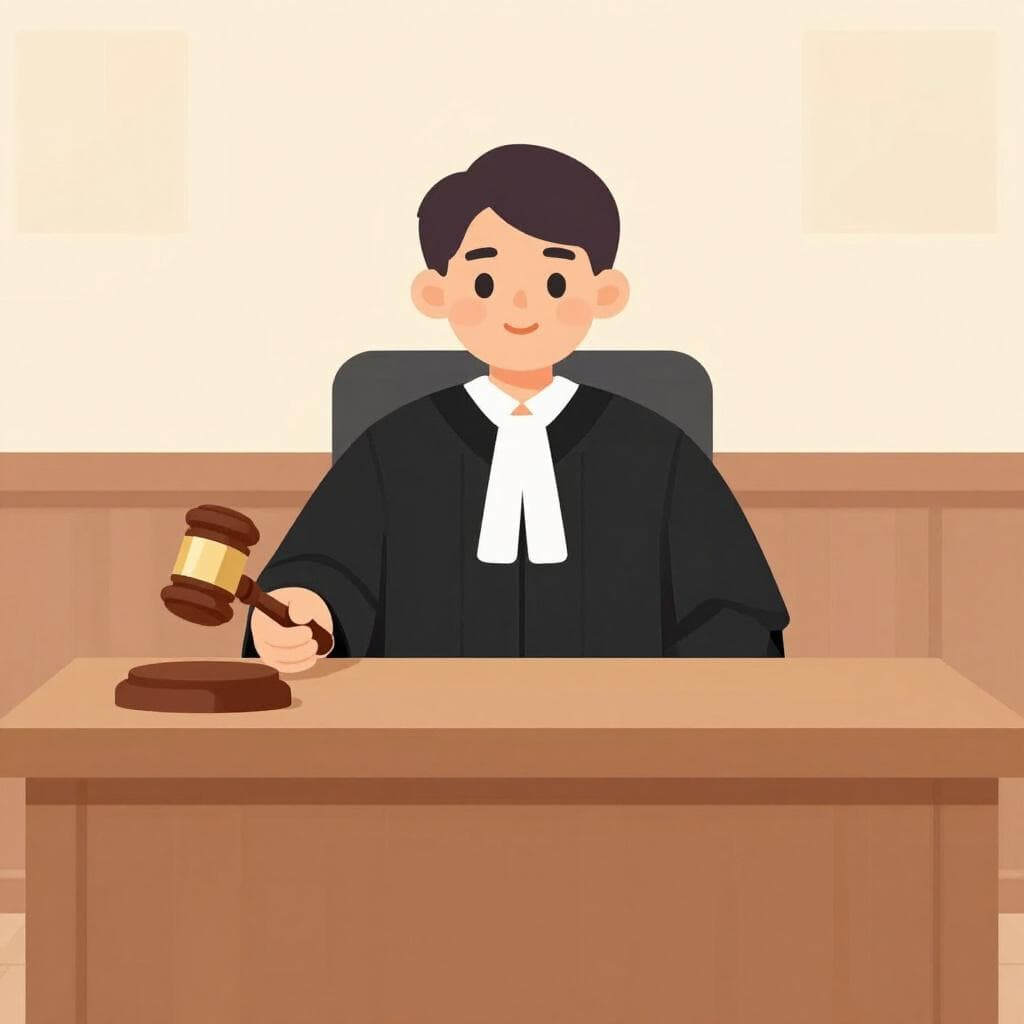
magistrate
“El magistrado dictó una sentencia histórica sobre los derechos civiles.”

prison-related
“El sistema penitenciario busca la reinserción de los presos.”

formal complaint
“El abogado presentó una querella criminal contra la empresa.”

prisoner
“El reo fue escoltado por dos policías.”

extradition
“Muchos países tienen tratados de extradición para combatir el crimen.”

oath-taking
“Hoy es la jura de la Constitución del nuevo presidente.”
C1 — Advanced (1 words)

judicial
“El proceso judicial puede durar años.”
Grammar Tips
Gender and Number Agreement
Remember that adjectives and nouns related to people and objects in the justice system must agree in gender and number. For example, 'el acusado' (the male accused) becomes 'la acusada' (the female accused) or 'los acusados' (the accused, plural).
Verbs of Action
Many words in this category are verbs. Pay close attention to their conjugations, especially in the past tenses (preterite and imperfect), as they describe specific events like arrests or trials. For instance, 'arrestar' (to arrest) changes form depending on who did the arresting and when.
Nouns for People and Places
Nouns like 'comisaría' (police station) and 'juez' (judge) follow standard Spanish gender rules. 'Comisaría' is feminine, and 'juez' is masculine, though the feminine 'jueza' is increasingly common.
Common Mistakes
Incorrect Adjective Placement
Mistake: “El arrestado policía llegó.”
Correction: El policía arrestado llegó. — In Spanish, adjectives often follow the noun they describe, especially when they denote a state or characteristic relevant to the context, like 'arrestado' (arrested).
Confusing 'Sentir' and 'Condenar'
Mistake: “Yo siento el hombre por robo.”
Correction: Yo condeno al hombre por robo. — 'Sentir' means 'to feel,' while 'condenar' means 'to condemn' or 'to sentence.' You condemn or sentence a person, you don't 'feel' them in this legal context.
Missing Prepositions
Mistake: “El juez dio la sentencia el acusado.”
Correction: El juez dio la sentencia al acusado. — When a verb like 'dar' (to give) is followed by a direct object that is a person (like 'el acusado'), you often need the personal 'a' preposition.
Cultural Notes
Varying Legal Systems
While many core concepts are similar, specific legal procedures and terminology can vary significantly between Spain and different Latin American countries. It's good to be aware that a term might have a slightly different nuance or application depending on the region.
Emphasis on Authority
In many Spanish-speaking cultures, there's a strong cultural emphasis on respecting authority figures, including police officers. This can sometimes be reflected in the directness of language used when discussing law enforcement and legal matters.