Spanish Insults & Vulgar Words
Learning Spanish insults and vulgarities can be surprisingly useful, whether you want to understand movies, defend yourself, or just grasp the full range of human expression. While some words translate directly, Spanish often uses exclamations and interjections to convey frustration or anger in ways that might differ from English. Be careful though, these words can be offensive!
Quick Reference
| Spanish | English | Example | Level |
|---|---|---|---|
coño | damn | ¡Coño! Me olvidé las llaves otra vez. | C1 |
joder | to screw up | He jodido el ordenador con el café. | B1 |
mierda | shit | Ten cuidado, hay una mierda de perro en el suelo. | B1 |
cabrón | jerk | Ese cabrón me robó la idea. | C1 |
carajo | damn! | ¡Carajo, se me olvidaron las llaves otra vez! | C1 |
cojón | ball | Le dio una patada en el cojón. | C1 |
cretino | idiot | Ese cretino olvidó apagar las luces otra vez. | B1 |
estúpido | stupid | Esa fue una idea estúpida. | B1 |
follar | to fuck | Llevan saliendo un mes pero todavía no han follado. | B2 |
gilipollas | jerk | No seas gilipollas y ven a la fiesta. | B2 |
imbéciles | idiots | ¡Esos imbéciles no leyeron las instrucciones! | B2 |
insultar | to insult | No es necesario insultar para tener razón. | A2 |
A2 — Elementary (2 words)

to insult
“No es necesario insultar para tener razón.”

insult
“Él me lanzó un insulto muy feo.”
B1 — Intermediate (5 words)

to screw up
“He jodido el ordenador con el café.”
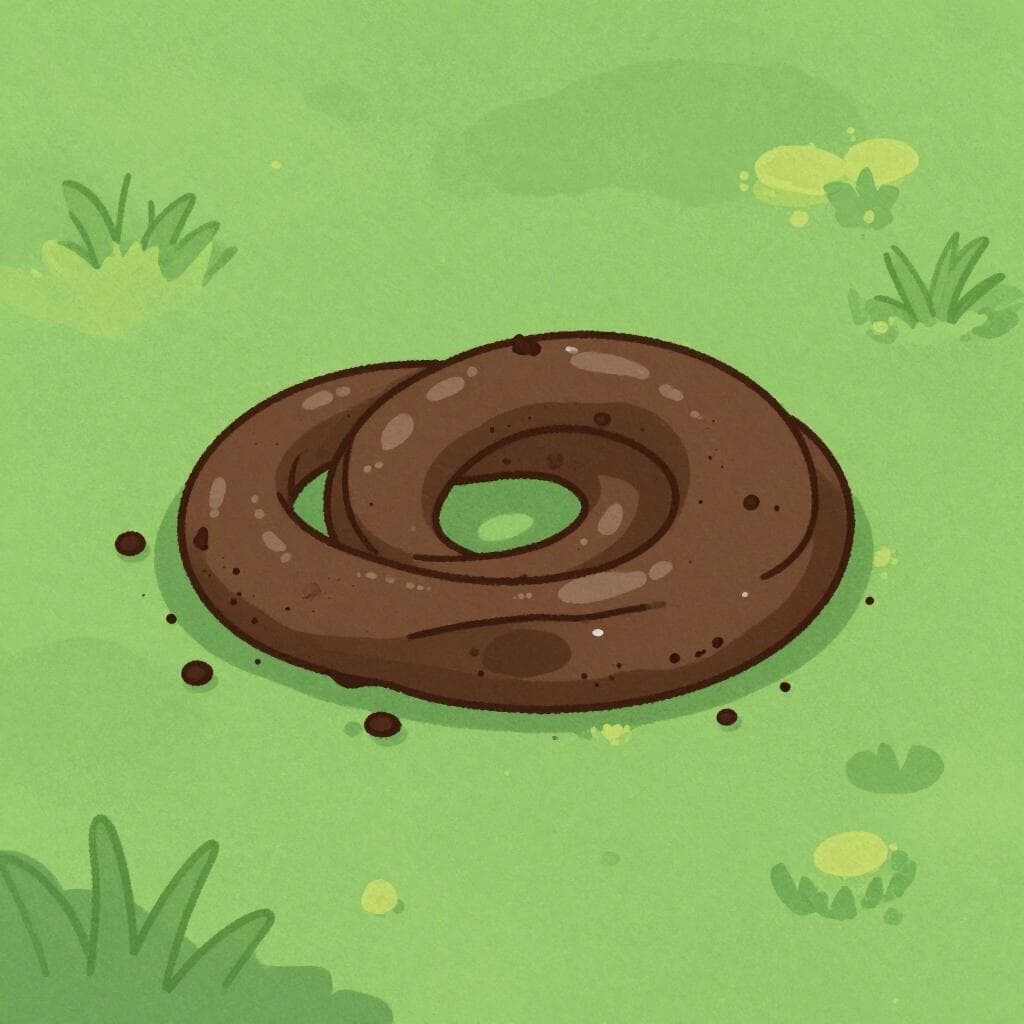
shit
“Ten cuidado, hay una mierda de perro en el suelo.”
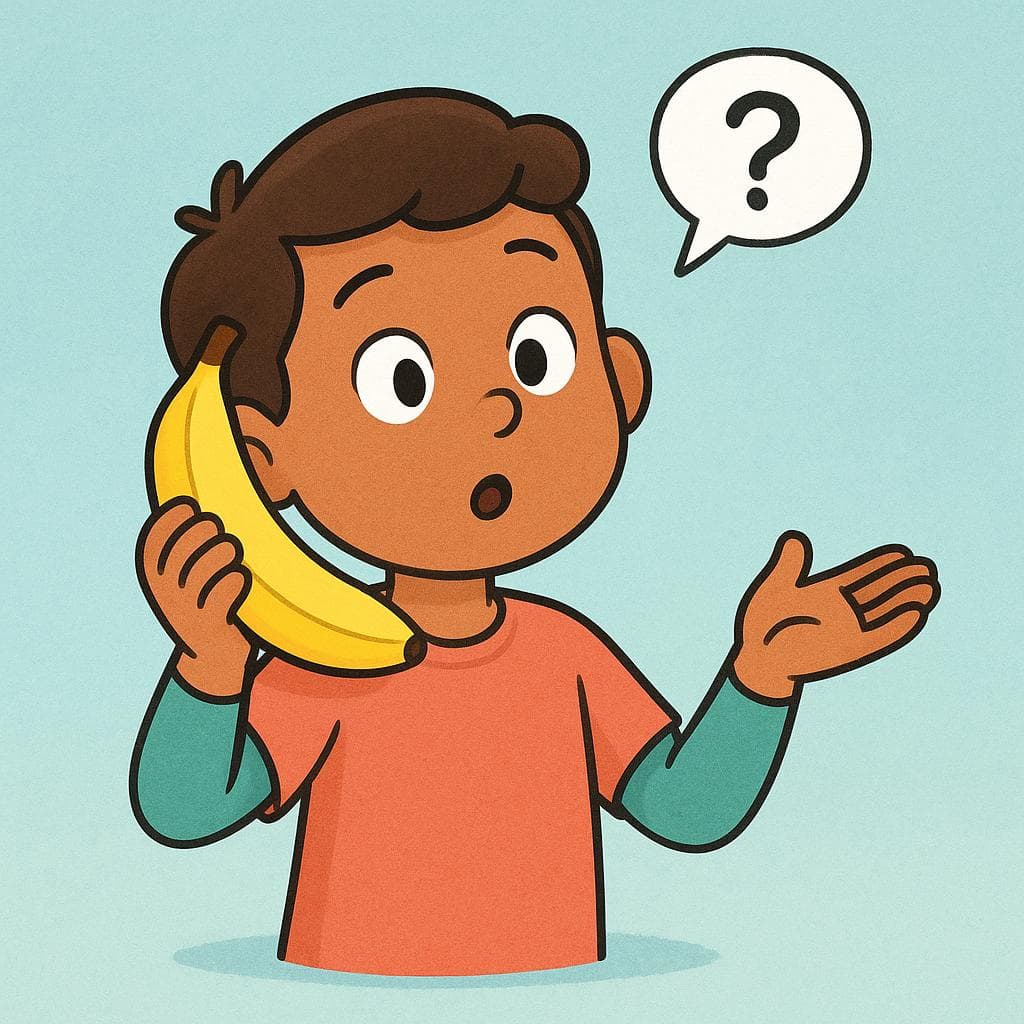
idiot
“Ese cretino olvidó apagar las luces otra vez.”
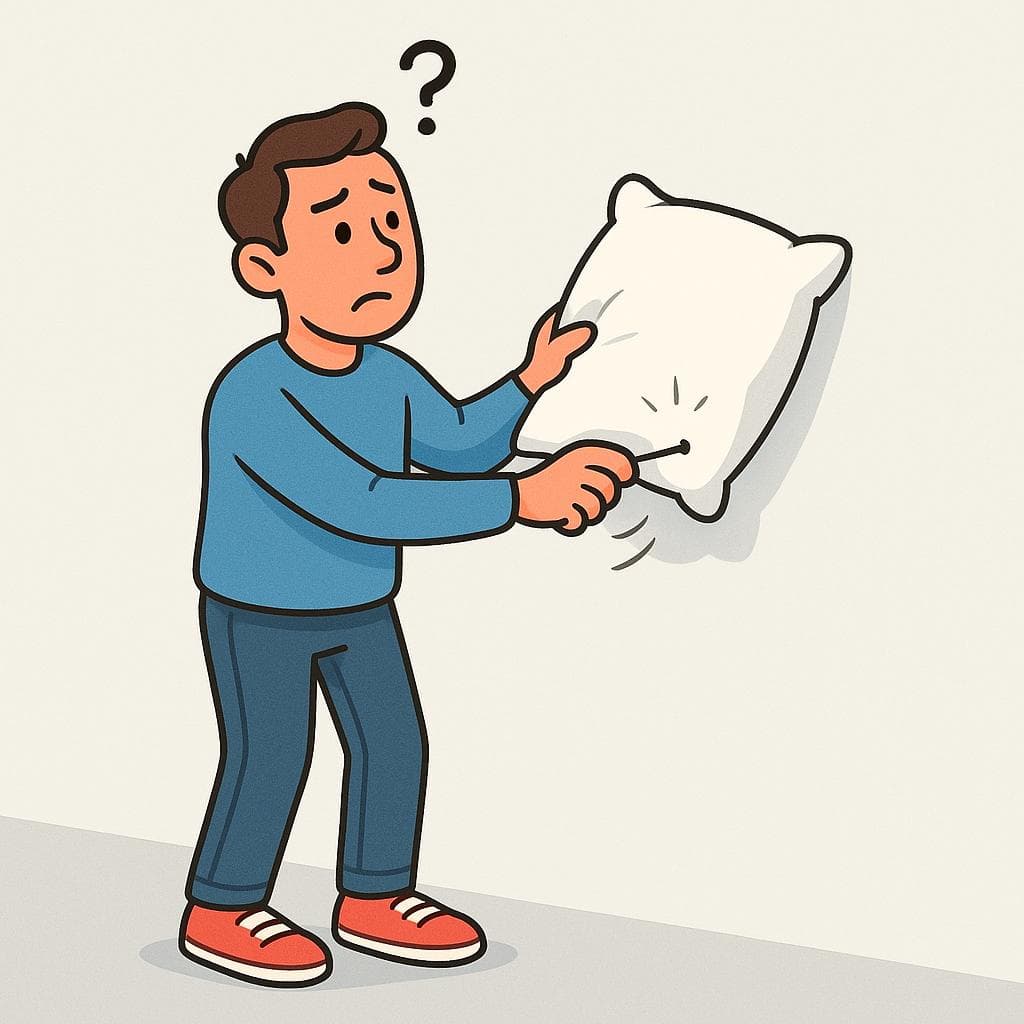
stupid
“Esa fue una idea estúpida.”

jerk
“Ese patán no me pidió perdón después de empujarme.”
B2 — Upper Intermediate (4 words)

to fuck
“Llevan saliendo un mes pero todavía no han follado.”
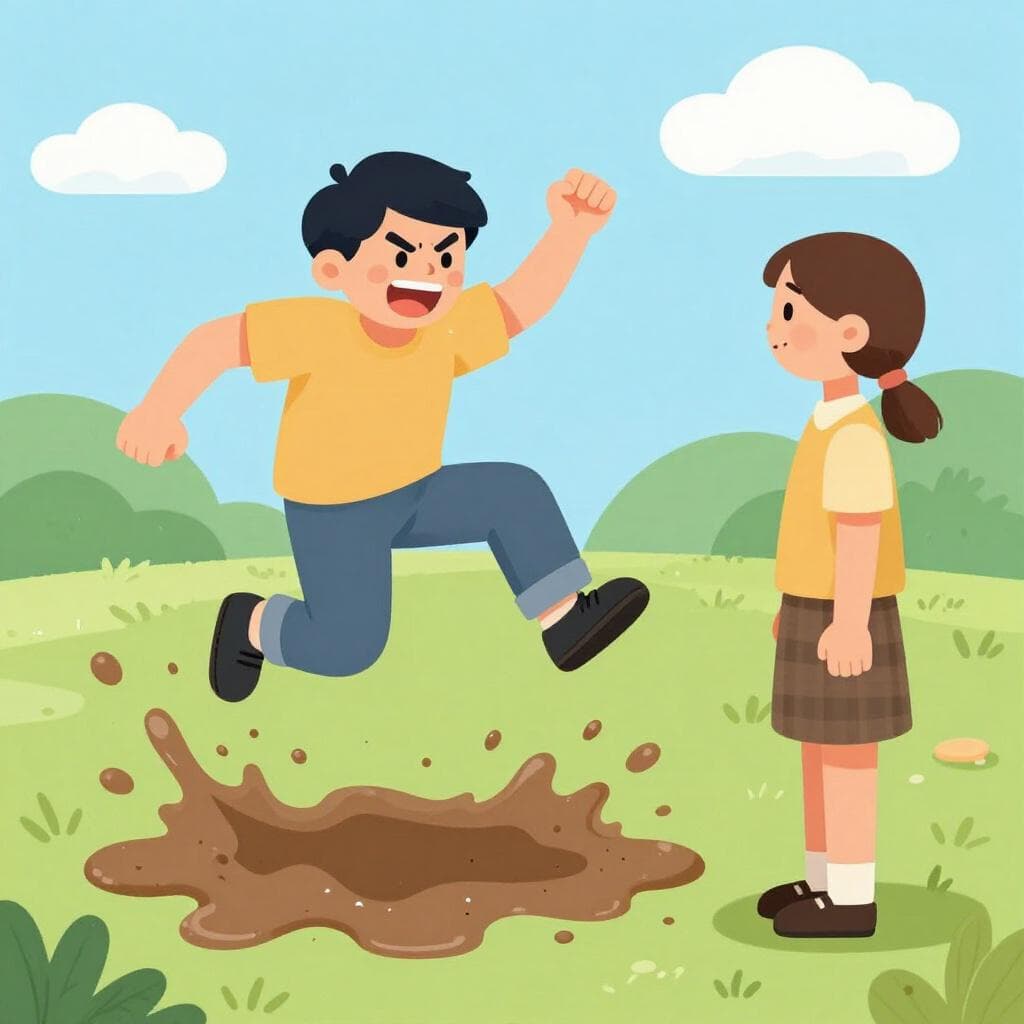
jerk
“No seas gilipollas y ven a la fiesta.”
idiots
“¡Esos imbéciles no leyeron las instrucciones!”

vulgar
“El presentador hizo un comentario muy vulgar y tuvo que disculparse.”
C1 — Advanced (8 words)

damn
“¡Coño! Me olvidé las llaves otra vez.”

jerk
“Ese cabrón me robó la idea.”

damn!
“¡Carajo, se me olvidaron las llaves otra vez!”

ball
“Le dio una patada en el cojón.”

dude / mate / man
“¡Oye marica, ¿qué más?!”

idiot
“¡No seas pendejo! Esa oferta es una estafa.”

fucking
“La pta lluvia no deja de caer.”

fucking
“¡Eres el puto amo!”
C2 — Mastery (1 words)

faggot
“Le gritaron insultos como «maricón» en la calle.”
Grammar Tips
Gender and Number Agreement
Many Spanish insults and vulgarities, especially those describing people, change based on gender and number. For example, 'cretino' (idiot) becomes 'cretina' for a female, and 'cretinos' or 'cretinas' for multiple people. Always pay attention to the ending -o/-a for singular and -os/-as for plural.
Verb Conjugation Matters
When using verbs like 'insultar' (to insult) or 'joder' (to screw up/fuck), remember to conjugate them correctly. The meaning can change drastically depending on who is doing the action and when. For instance, 'Yo te jodo' (I screw you up) is very different from 'Tú me jodes' (You screw me up).
Interjections and Exclamations
Spanish has a rich tradition of interjections like '¡Carajo!' or '¡Coño!' used to express surprise, anger, or frustration. These often stand alone and don't require complex grammar, functioning much like 'Damn!' or 'Shit!' in English, but they carry significant force.
Common Mistakes
Incorrect Adjective Agreement
Mistake: “Ella es muy estúpido.”
Correction: Ella es muy estúpida. — The adjective 'estúpido' must agree in gender with the noun it describes ('ella', feminine). So it becomes 'estúpida'.
Misplaced Verb
Mistake: “Yo insultar a él.”
Correction: Yo insulto a él. — 'Insultar' is a verb and needs to be conjugated for the subject 'yo' (I). The correct present tense form is 'insulto'.
Overuse of 'Joder'
Mistake: “Me joder mucho.”
Correction: Me jode mucho. — When 'joder' means 'to bother' or 'to annoy', it's often used impersonally or reflexively. 'Me jode' means 'It bothers me'. Using 'joder' as a direct translation of 'to fuck' requires different conjugation and context.
Cultural Notes
Spain vs. Latin America
Some terms are more common in Spain, like 'gilipollas,' while others might be more prevalent in Latin America. The intensity and context of usage can also vary; what's a mild insult in one region might be highly offensive in another.
The Power of 'Coño'
In Spain, 'coño' (literally 'cunt') is an incredibly versatile word. It can express shock, anger, surprise, or even be used for emphasis, sometimes losing its literal vulgar meaning. However, in many parts of Latin America, it retains its strong offensive connotation and is best avoided unless you're very familiar with the local slang.