Spanish Exclamations & Interjections
Exclamations and interjections are the spice of any language! These short, punchy words and phrases express sudden feelings like surprise, pain, or excitement. They're super useful for sounding more natural and understanding native speakers, as they pop up everywhere from casual chats to dramatic moments. Spanish often uses them with more intensity and variety than English, so mastering them will really boost your fluency!
Quick Reference
| Spanish | English | Example | Level |
|---|---|---|---|
ah | oh | ¡Ah, ya entiendo! Gracias por la explicación. | A1 |
ajá | uh-huh | —¿Quieres el café con azúcar? —Ajá. | A1 |
aleluya | hallelujah | ¡Aleluya! Por fin terminamos el proyecto. | A1 |
ánimo | Cheer up! | Perdí el partido. — ¡Ánimo! La próxima vez ganas. | A1 |
ay | ouch | ¡Ay! Me quemé con la sopa. | A1 |
caray | Wow | ¡Caray, qué coche tan rápido tienes! | A2 |
cielos | skies | Los cielos de la ciudad estaban llenos de nubes rojas. | A1 |
coño | damn | ¡Coño! Me olvidé las llaves otra vez. | C1 |
dale | Go for it! | ¿Debería llamarla? —¡Sí, dale! | A2 |
eh | right? | Hace un día bonito, ¿eh? | A1 |
enhorabuena | congratulations | ¡Ganaste el premio mayor! ¡Enhorabuena! | A1 |
ja | ha | —¿Te gustó el chiste? —¡Ja, ja, ja! Sí, mucho. | A1 |
A1 — Beginner (25 words)
oh
“¡Ah, ya entiendo! Gracias por la explicación.”

uh-huh
“—¿Quieres el café con azúcar? —Ajá.”

hallelujah
“¡Aleluya! Por fin terminamos el proyecto.”

Cheer up!
“Perdí el partido. — ¡Ánimo! La próxima vez ganas.”

ouch
“¡Ay! Me quemé con la sopa.”

skies
“Los cielos de la ciudad estaban llenos de nubes rojas.”

right?
“Hace un día bonito, ¿eh?”

congratulations
“¡Ganaste el premio mayor! ¡Enhorabuena!”
ha
“—¿Te gustó el chiste? —¡Ja, ja, ja! Sí, mucho.”

Jesus Christ
“Jesucristo es la figura central del cristianismo.”

Jesus
“Mi mejor amigo se llama Jesús.”
oh
“¡Oh, qué sorpresa verte aquí!”
Excuse me
“¡Oiga! ¿Me puede decir dónde está la estación de metro?”
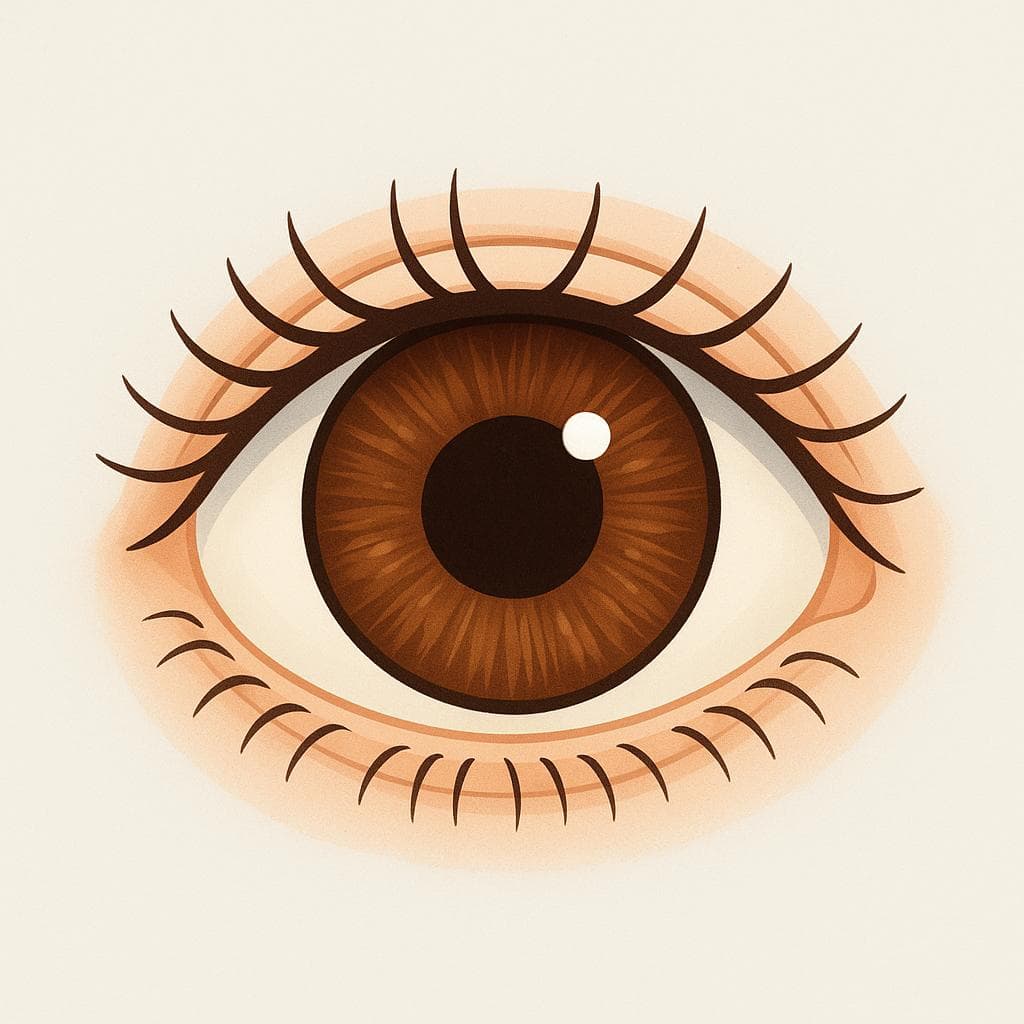
eye
“Tienes un ojo verde y el otro azul. ¡Qué peculiar!”

he/she hears
“Ella oye un pájaro cantar fuera de su ventana.”
health
“La salud es lo más importante.”
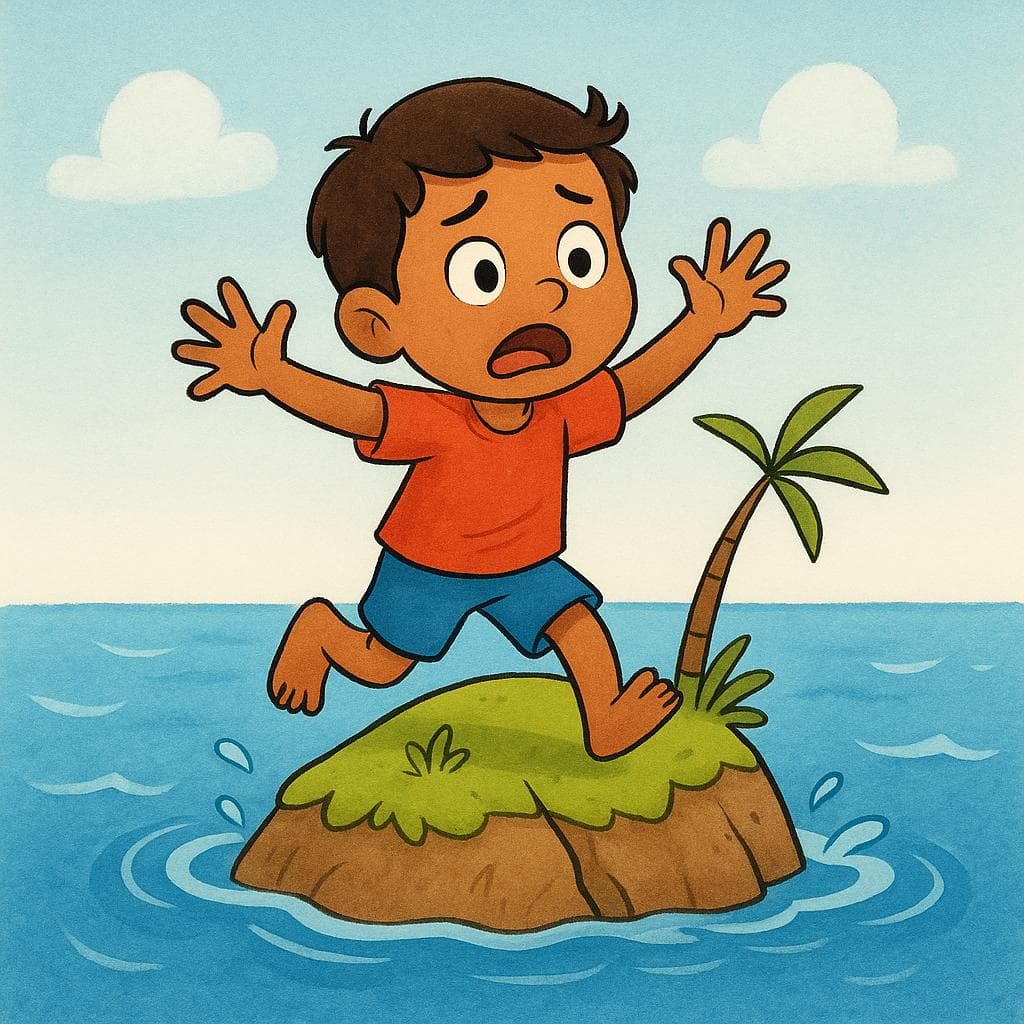
Help!
“¡Socorro! Me estoy ahogando, necesito un salvavidas.”
uh
“Uh... no estoy seguro de la respuesta.”
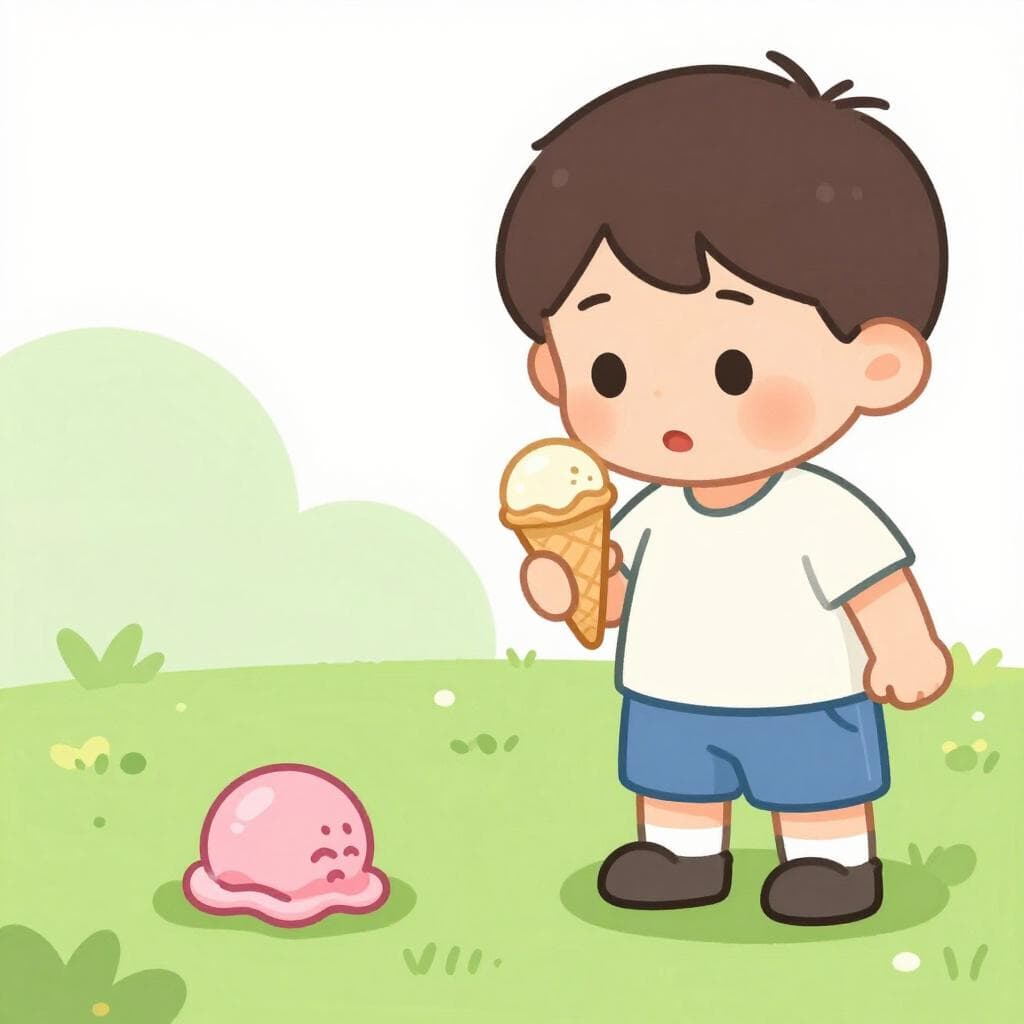
oops
“¡Uy! Perdón, se me cayó el vaso.”

Okay
“¿Vamos al cine esta noche? — ¡Vale!”
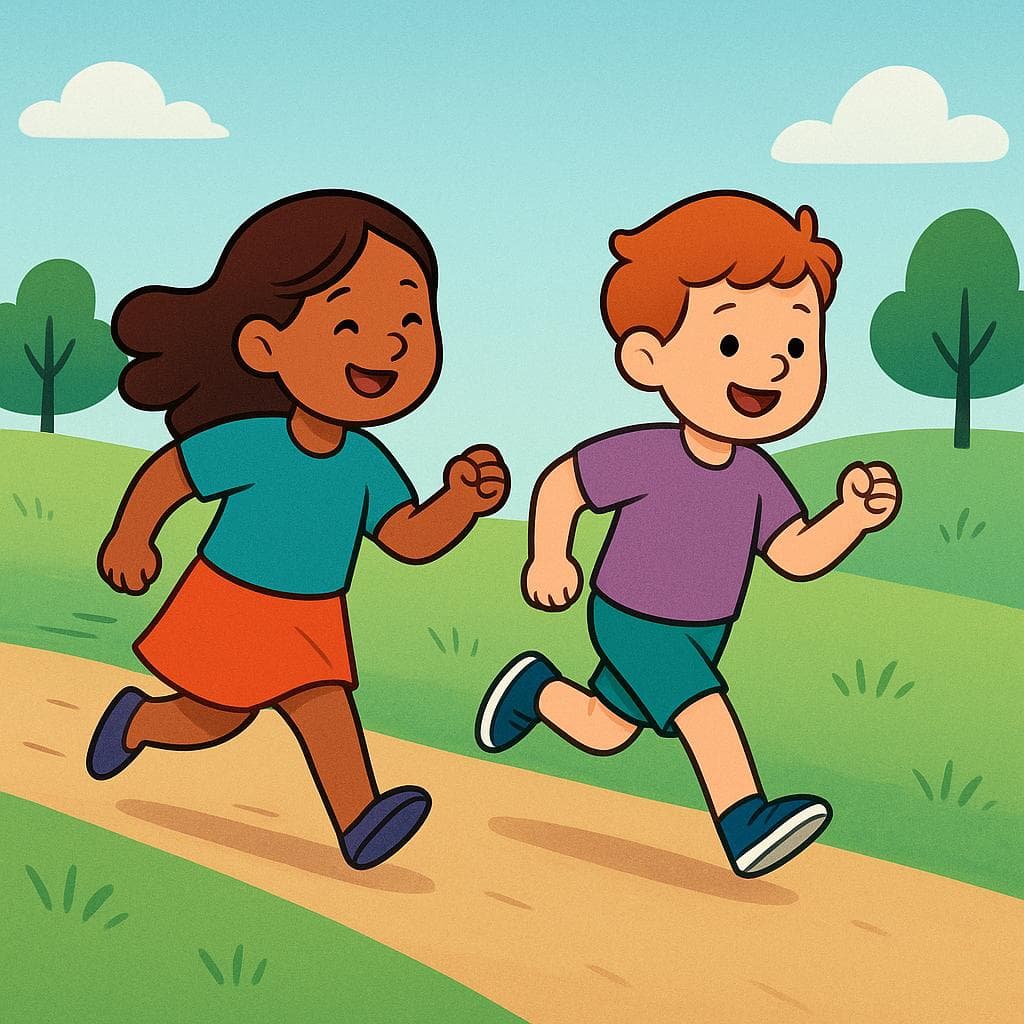
Let's go
“¡Vámonos! La película empieza en cinco minutos.”
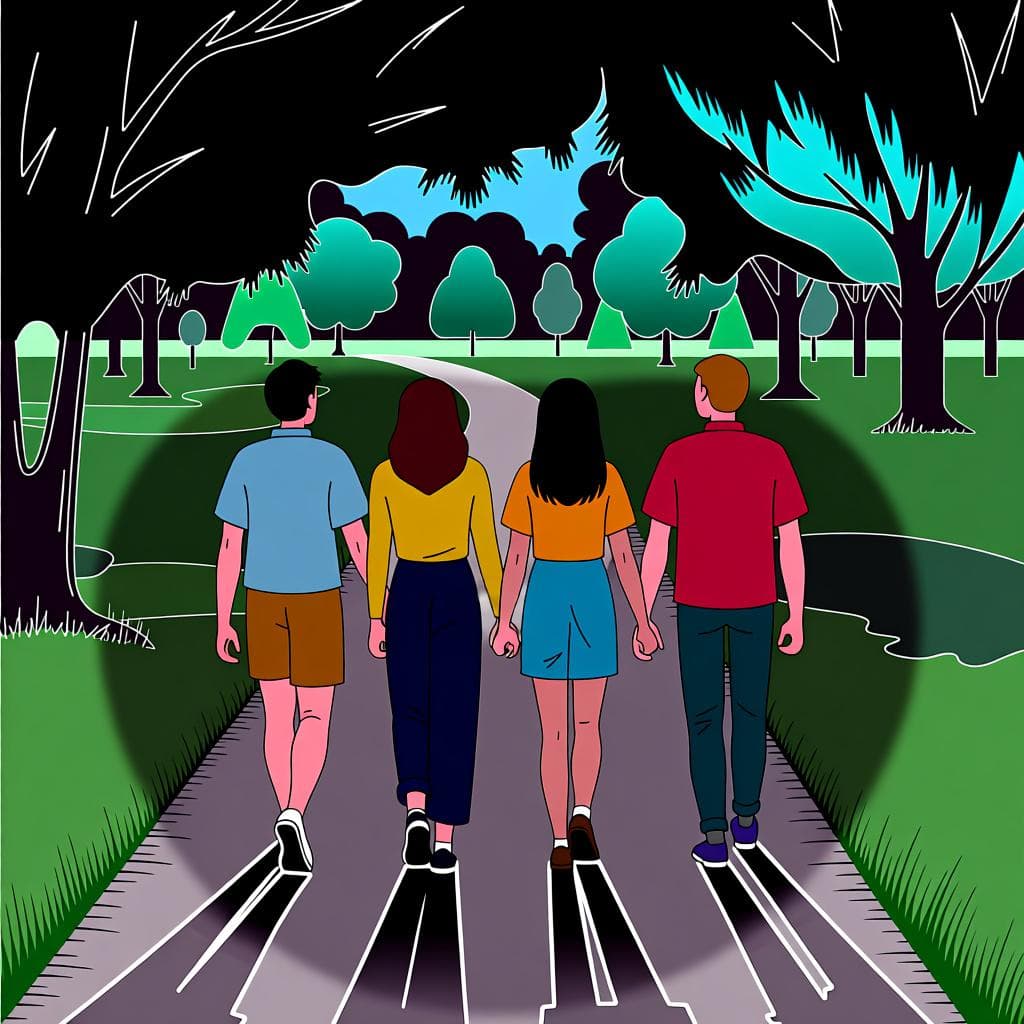
we go
“Todos los domingos vamos al mercado.”
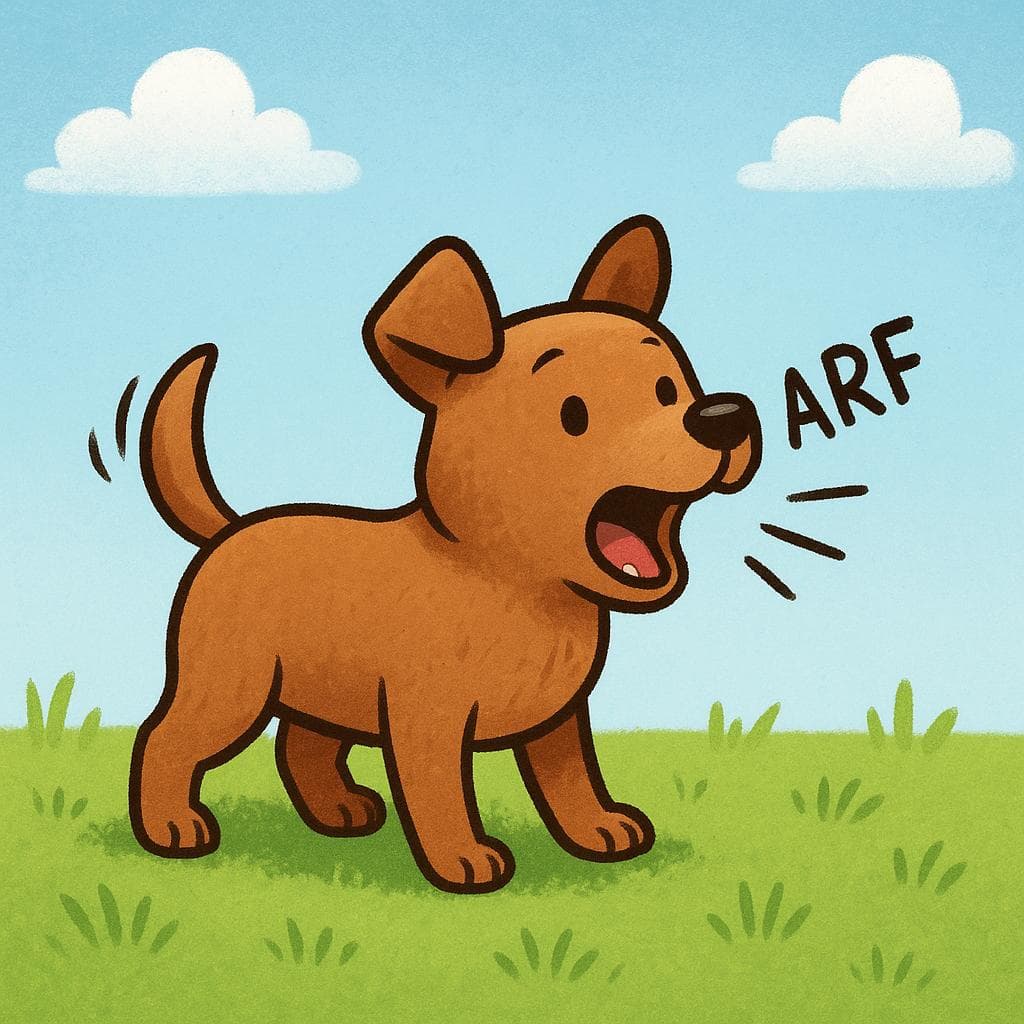
woof
“Mi perro siempre ladra: «¡Guau, guau!» cuando ve al cartero.”
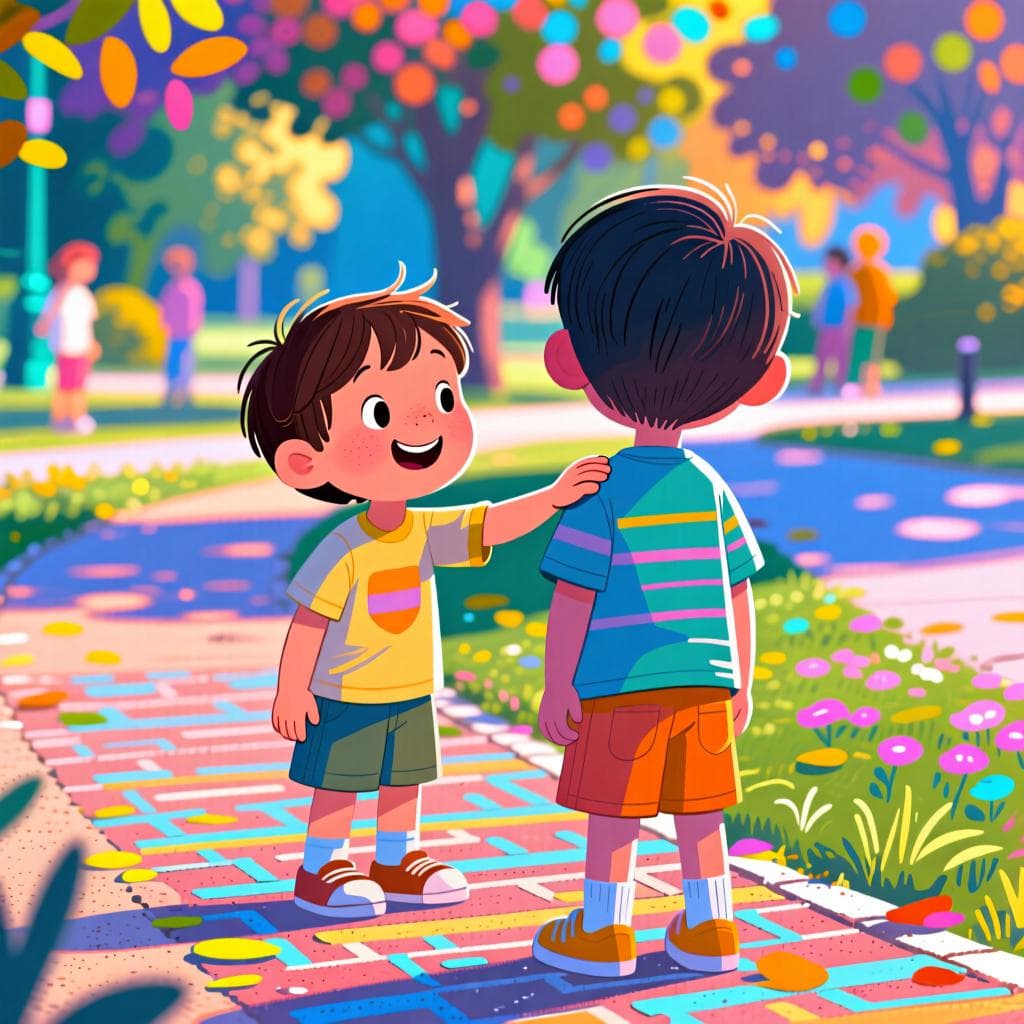
hey
“¡Hey, mira eso!”
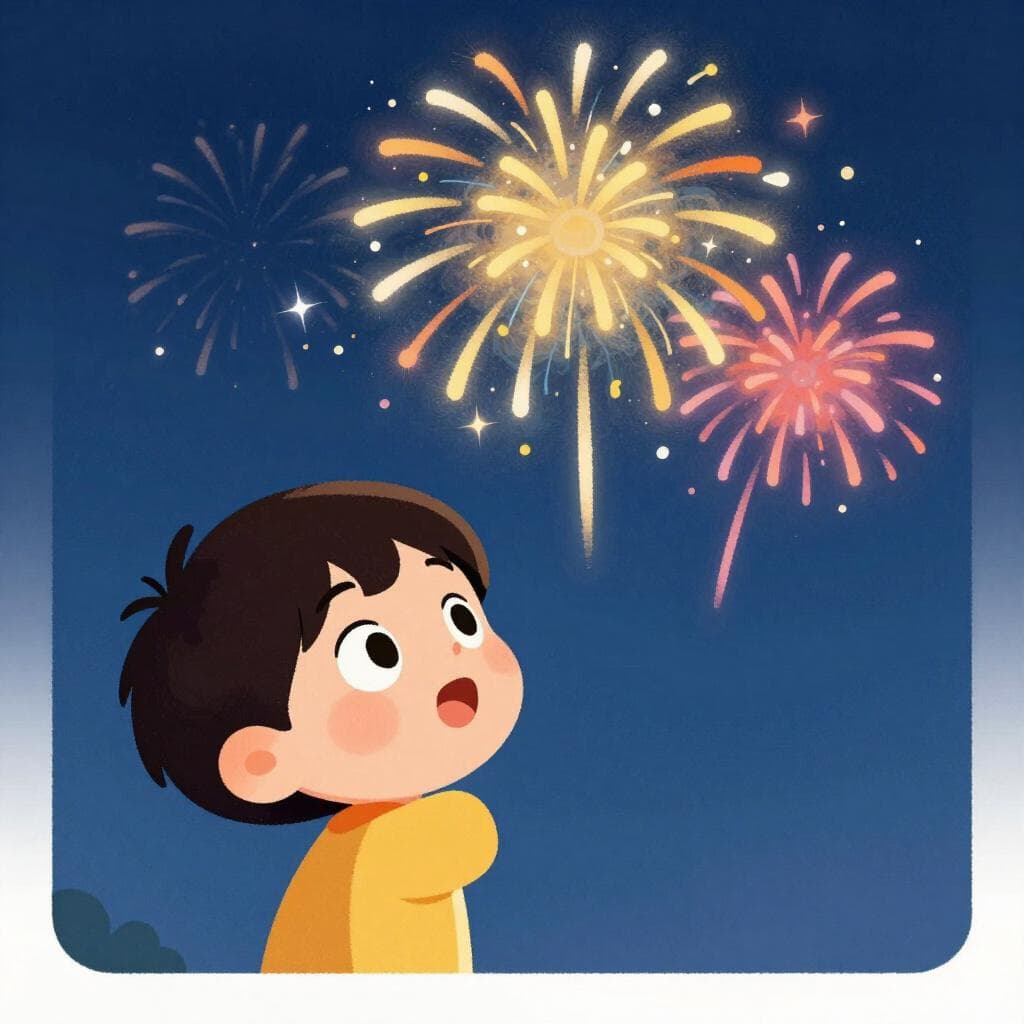
wow
“¡Wow! ¡Qué casa tan increíble!”
A2 — Elementary (8 words)
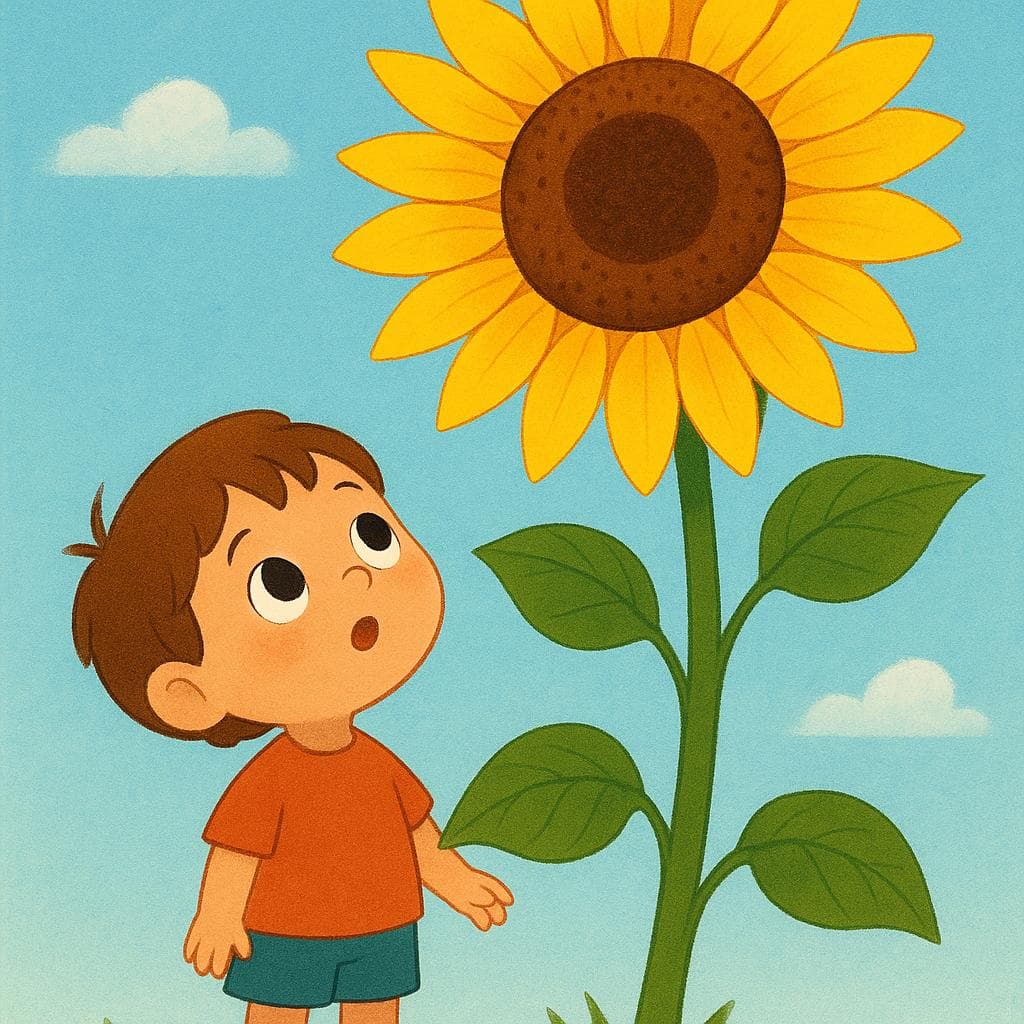
Wow
“¡Caray, qué coche tan rápido tienes!”

Go for it!
“¿Debería llamarla? —¡Sí, dale!”
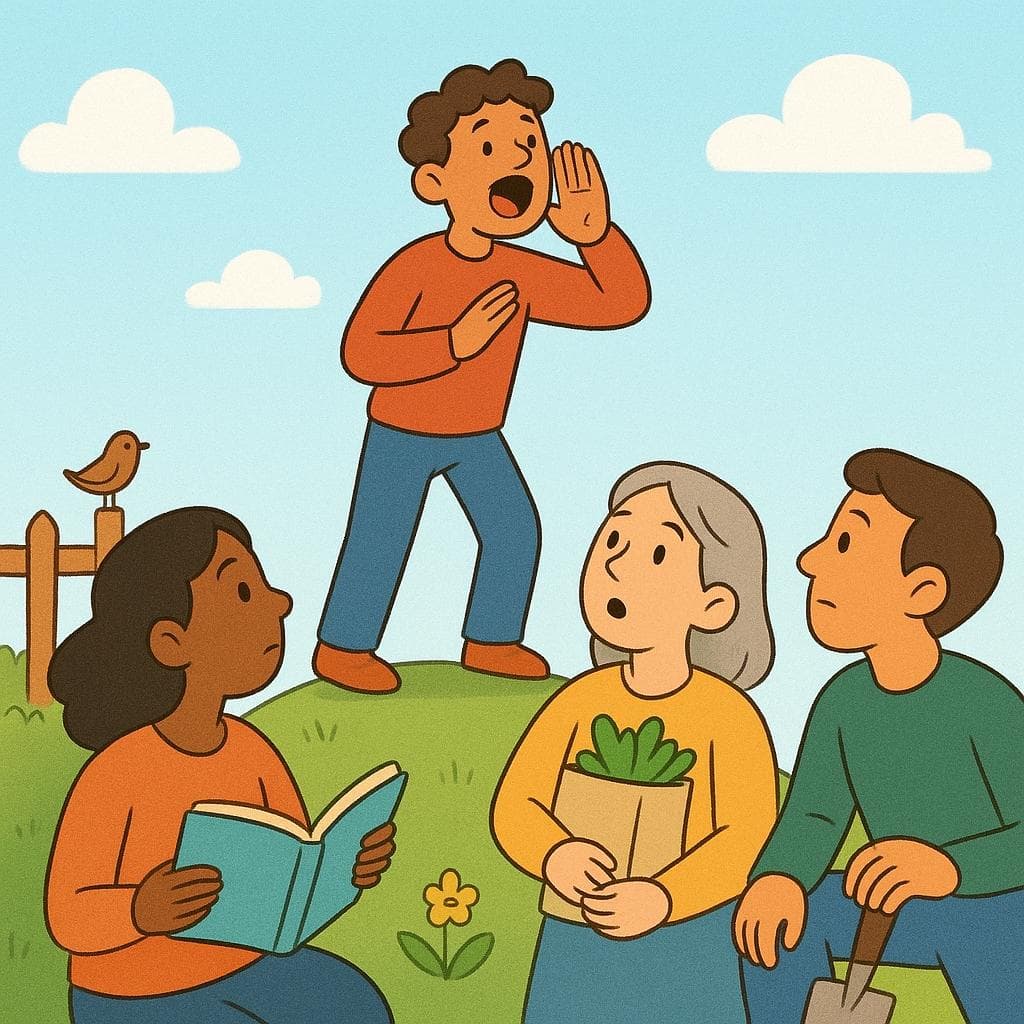
Listen!
“¡Oigan! Necesito su ayuda con este proyecto.”

Hopefully
“¡Ojalá ganemos el partido hoy!”
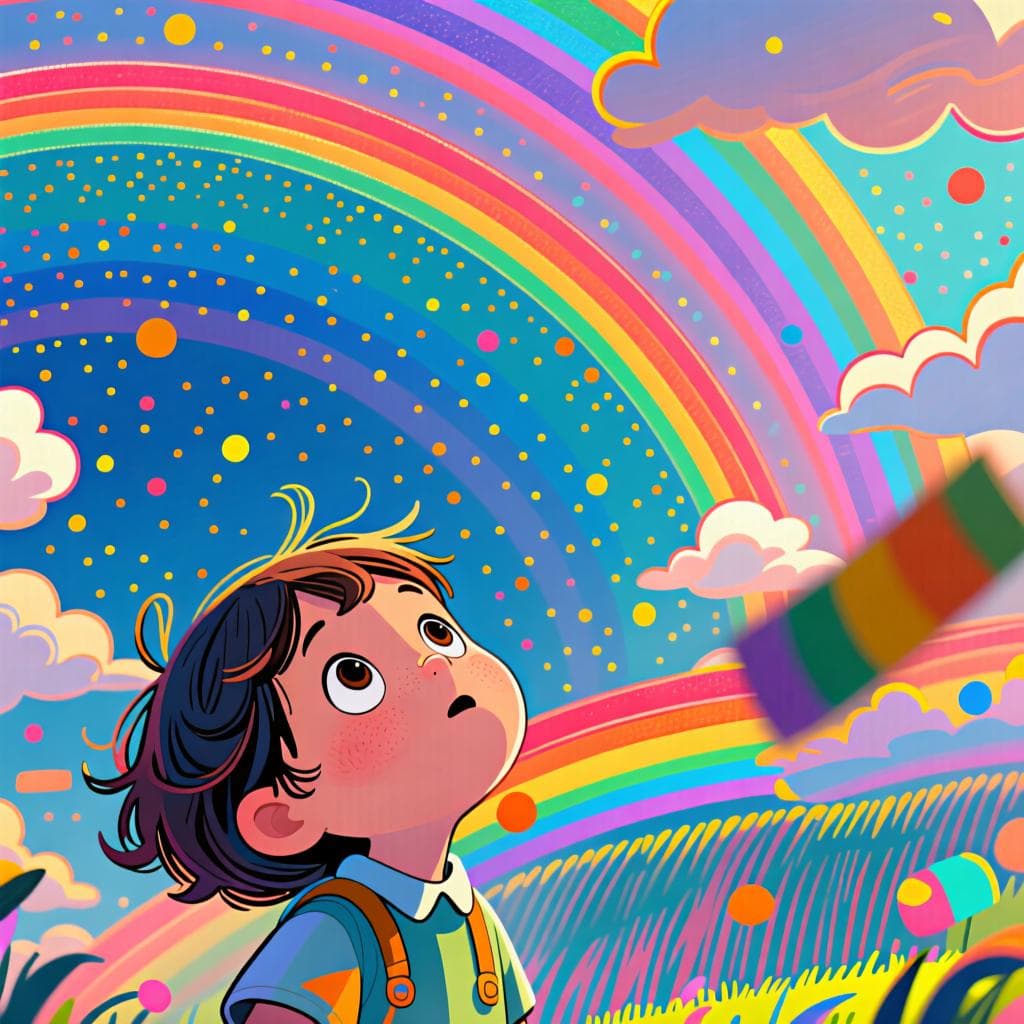
Wow!
“¡Vaya! No sabía que venías. ¡Qué sorpresa!”

let's see
“Veamos qué pasa mañana.”
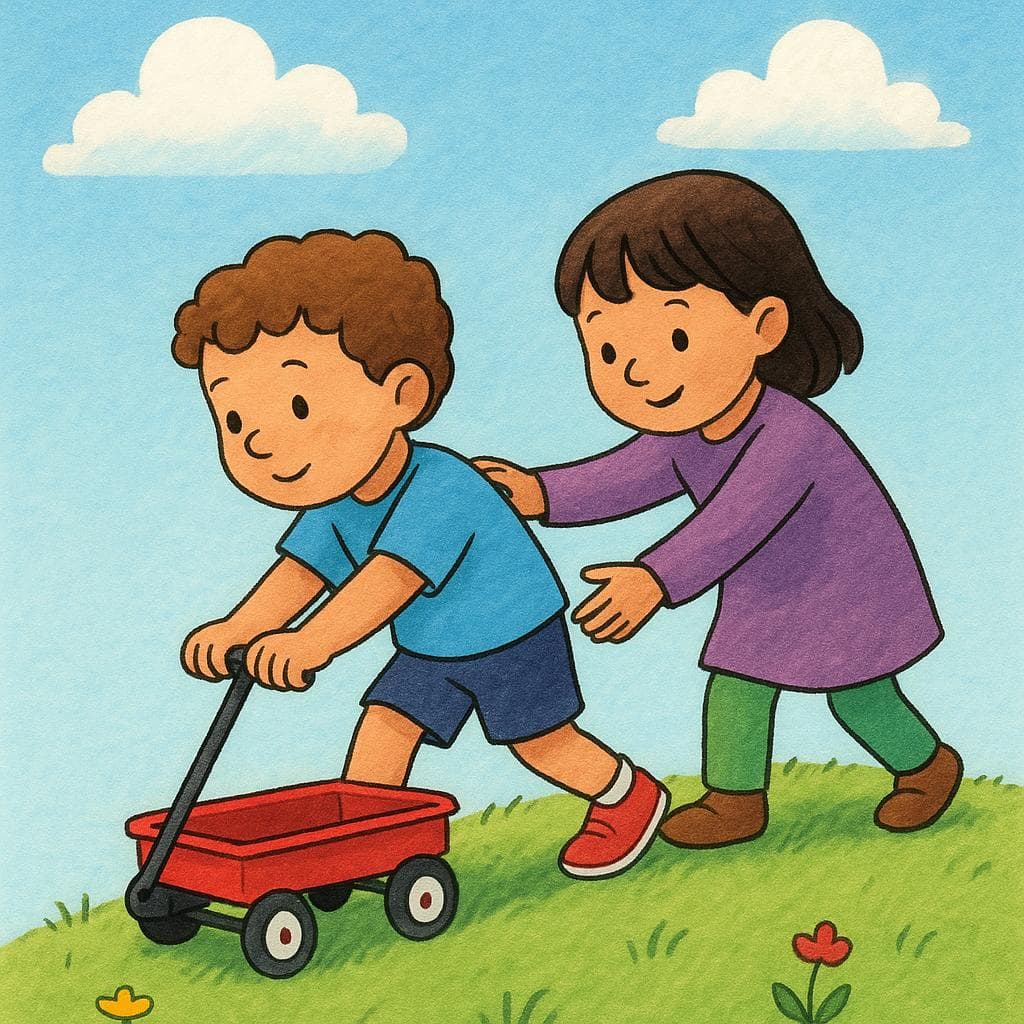
aid
“Necesitamos auxilio médico urgente para el paciente.”

long live
“¡Viva México! ¡Viva la independencia!”
B1 — Intermediate (7 words)

to screw up
“He jodido el ordenador con el café.”
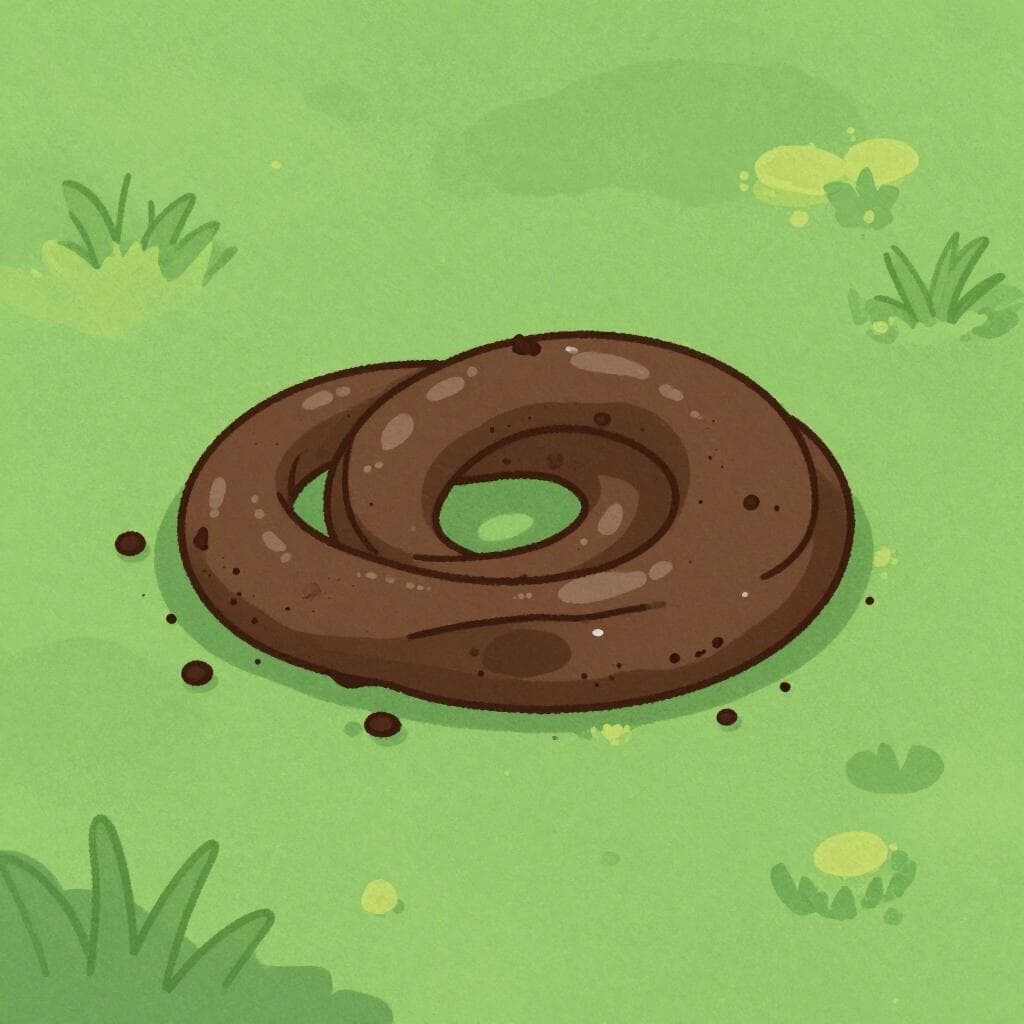
shit
“Ten cuidado, hay una mierda de perro en el suelo.”
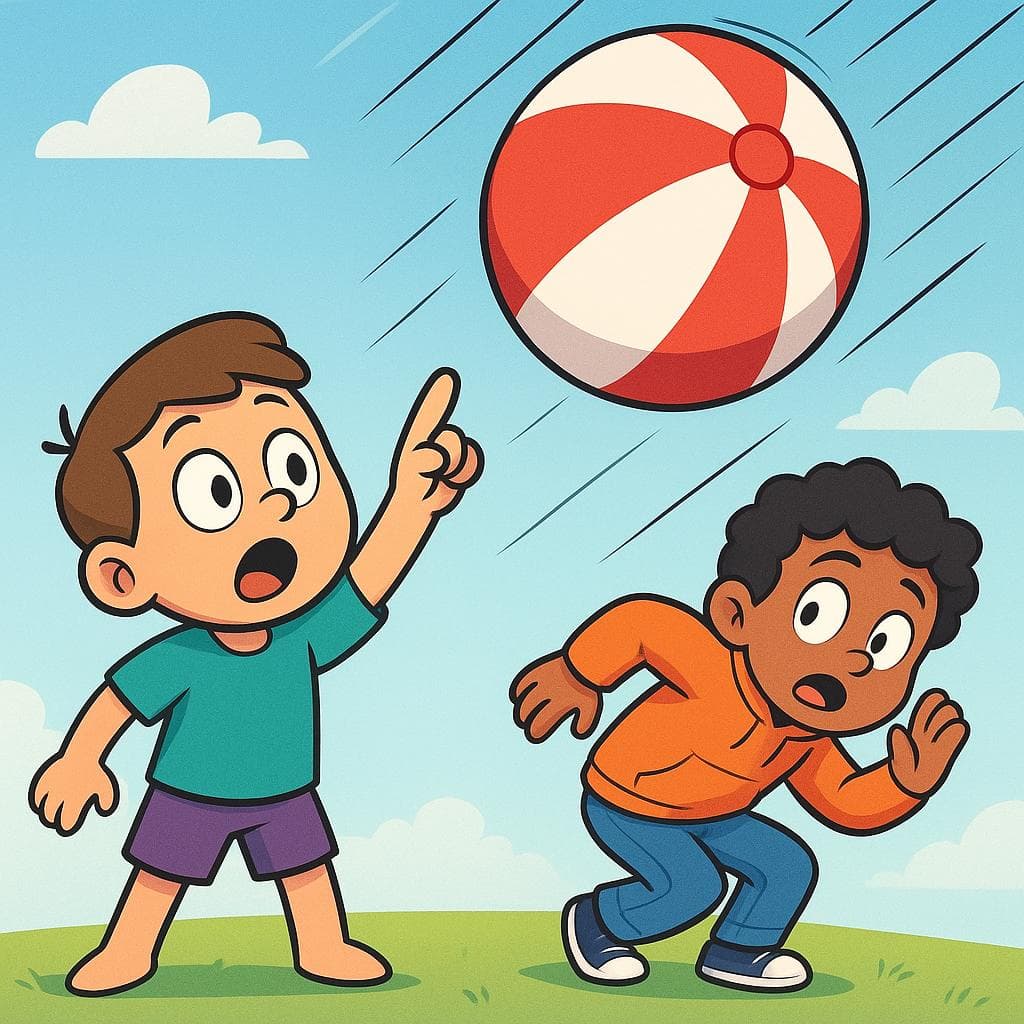
Look out!
“¡Aguas! El piso está resbaloso.”
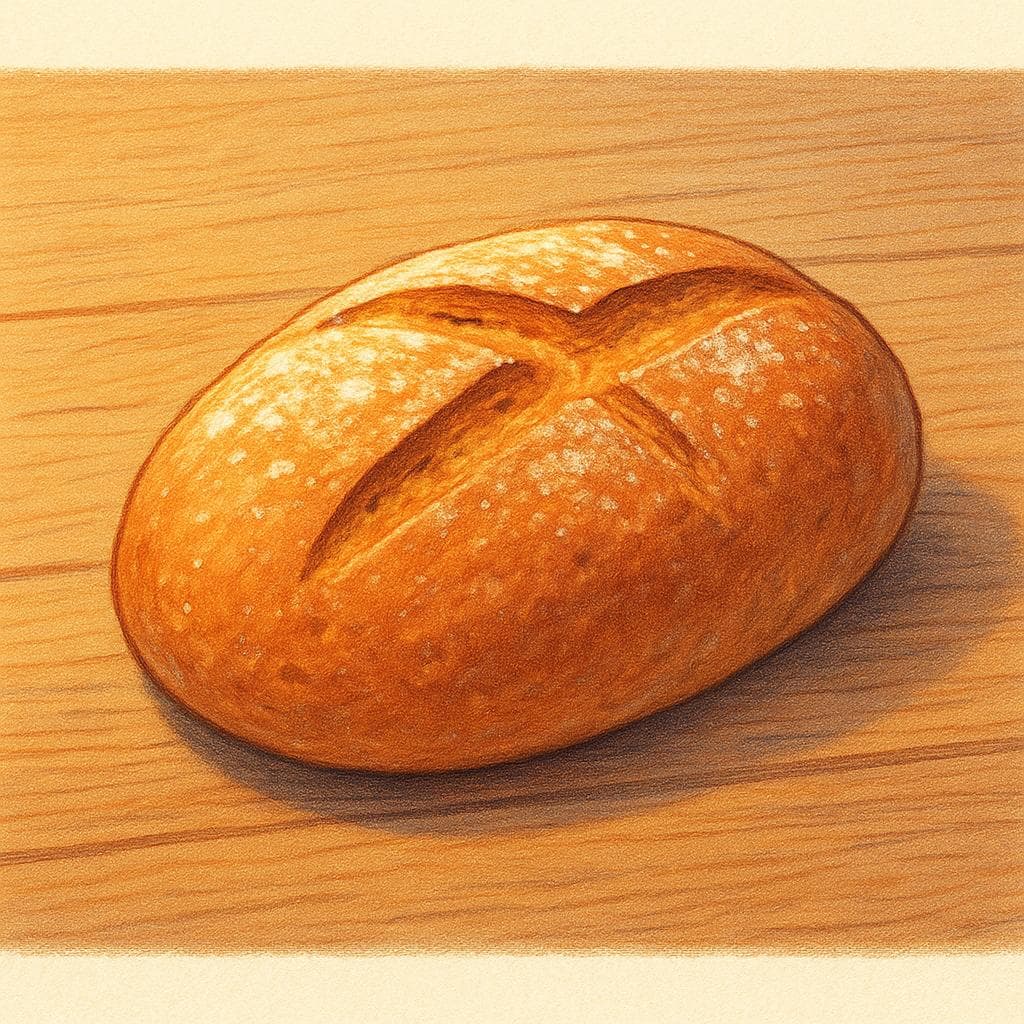
blessed
“El sacerdote roció agua bendita sobre la multitud.”
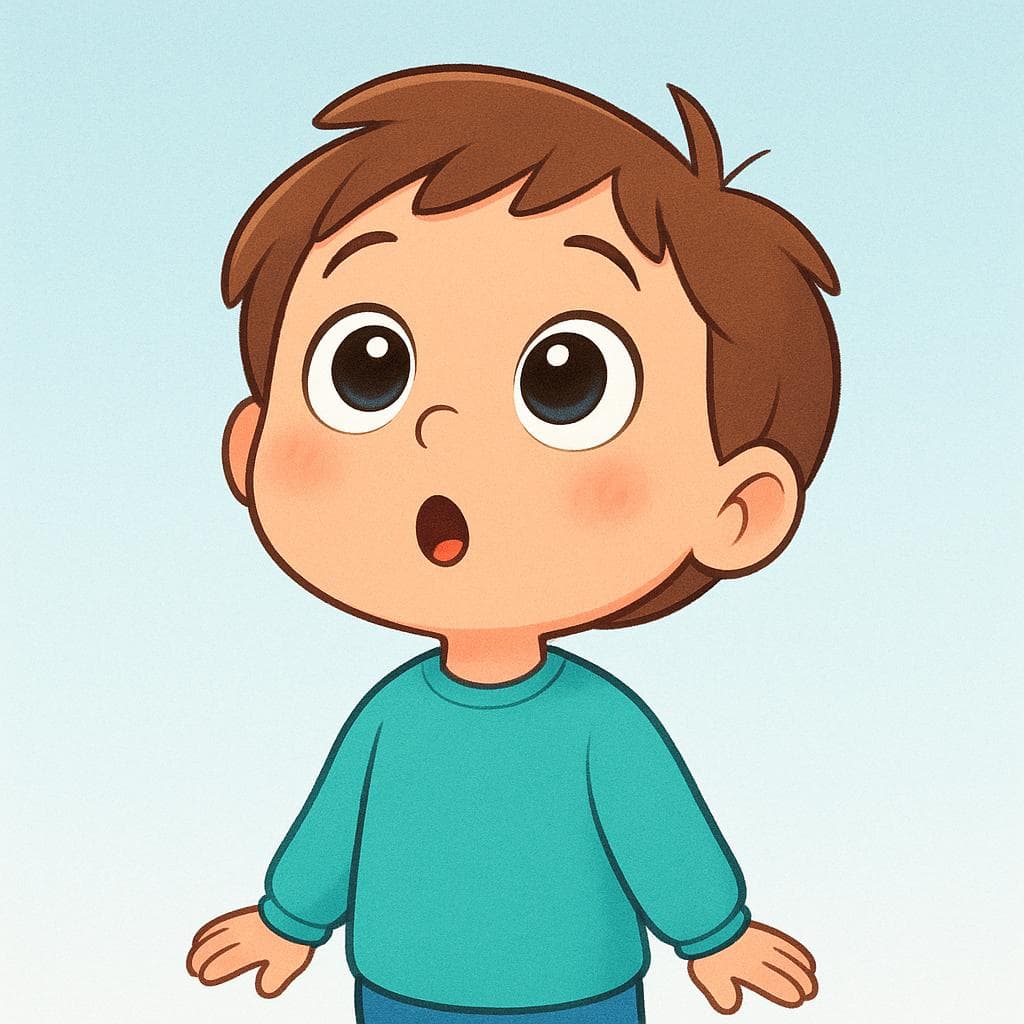
Wow!
“¡Caramba! ¡Qué casa tan grande tienen!”

to exclaim
“—¡Qué sorpresa! —exclamó ella al abrir la puerta.”
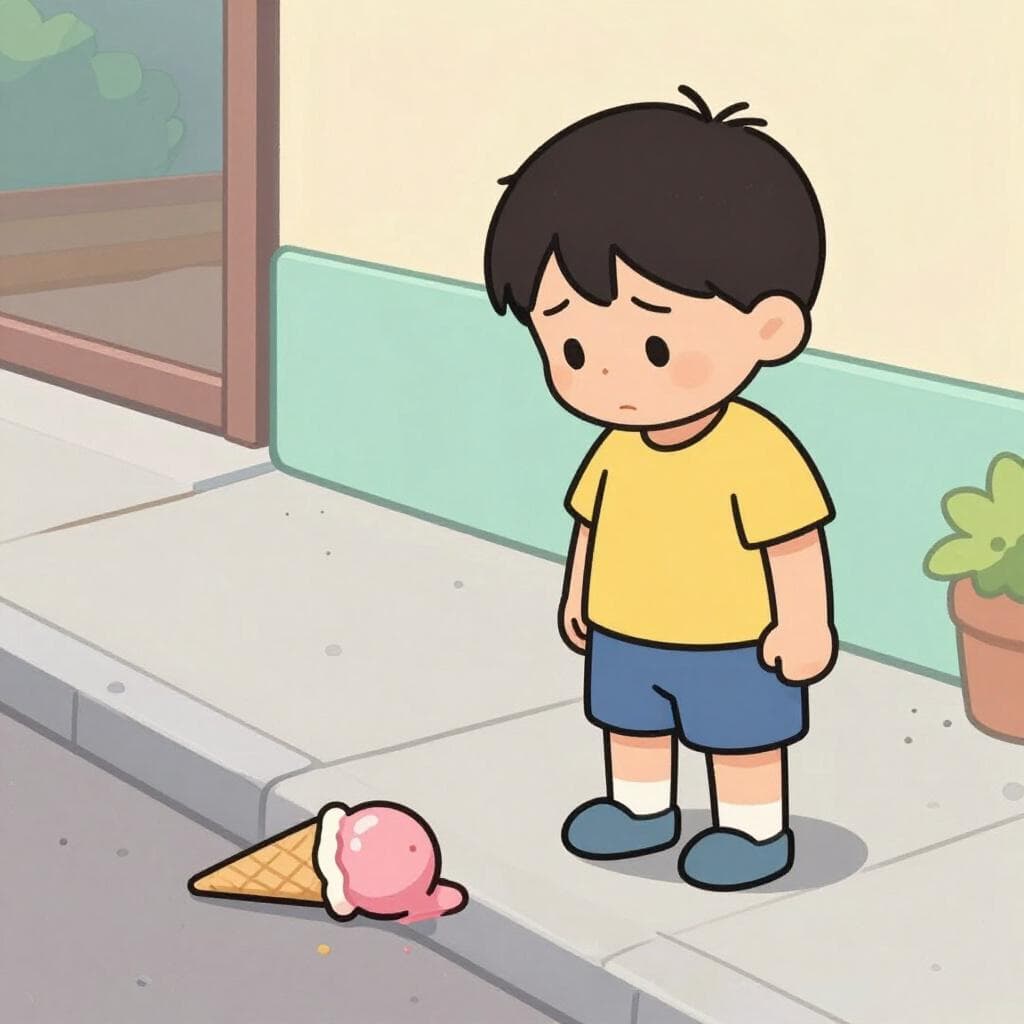
jeez
“¡Jo! Otra vez he perdido el autobús.”
B2 — Upper Intermediate (2 words)

hey
“¡Bo! ¿Me estás escuchando?”
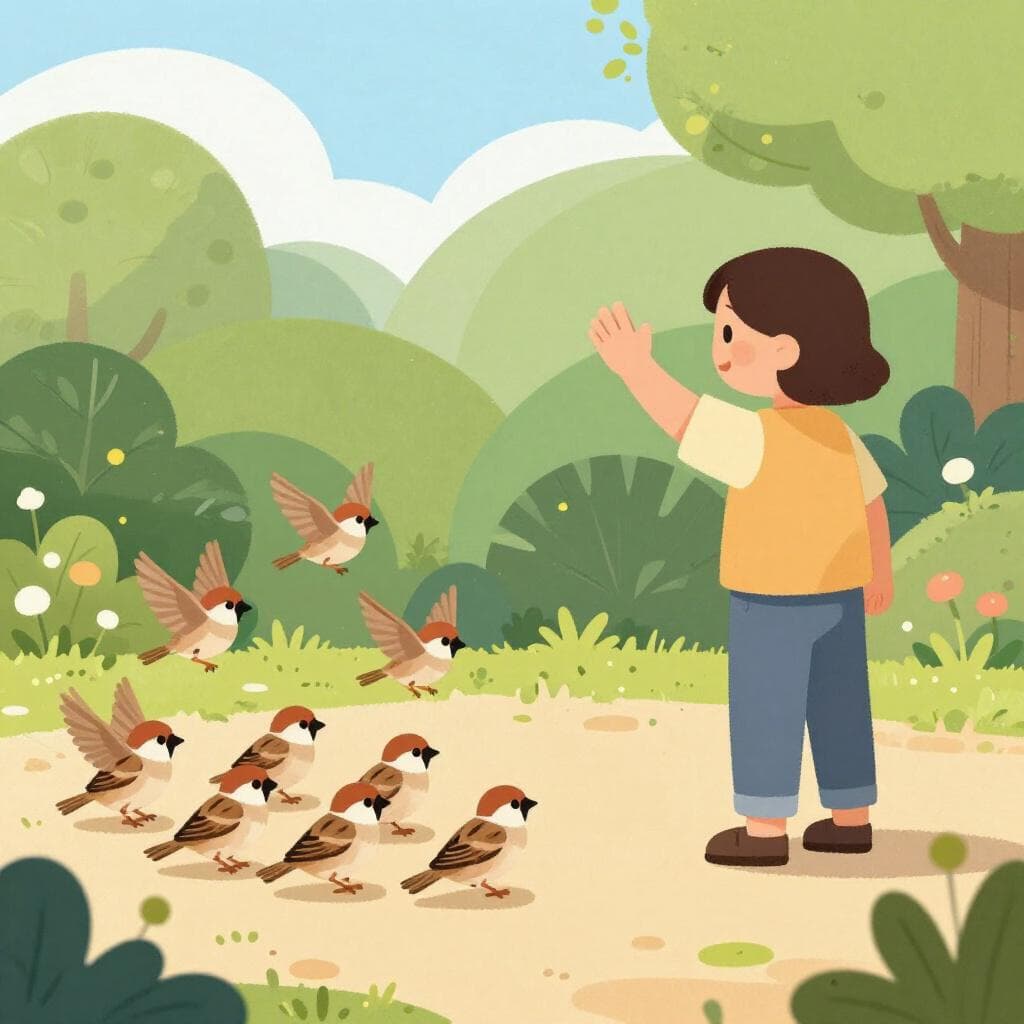
shoo!
“¡Ox! ¡Fuera de la cocina, gallinas!”
C1 — Advanced (4 words)
damn
“¡Coño! Me olvidé las llaves otra vez.”

damn!
“¡Carajo, se me olvidaron las llaves otra vez!”

ball
“Le dio una patada en el cojón.”
fucking
“La pta lluvia no deja de caer.”
Grammar Tips
Punctuation Power
Interjections in Spanish are typically set off by commas or exclamation points. They can stand alone or be integrated into a sentence. For emphasis, Spanish uses *double* exclamation marks (¡...!) and question marks (¿...?).
Expressing Intensity
Many interjections can be intensified by repeating them or adding suffixes like '-azo' or '-ón'. For example, '¡Ay!' expresses pain, but '¡Ay, ay, ay!' or '¡Ayayay!' shows much greater distress.
Gender & Number Invariability
Most interjections don't change for gender or number. Words like '¡Hola!' or '¡Bravo!' are the same whether you're talking to one person or many, male or female.
Common Mistakes
Incorrect Punctuation
Mistake: “Ay! Me duele mucho.”
Correction: ¡Ay! Me duele mucho. — Spanish requires opening exclamation and question marks (¡ and ¿) at the beginning of exclamatory or interrogative sentences.
Overlooking Regionalisms
Mistake: “Voy a decir '¡Ostras!' en México.”
Correction: Voy a decir '¡Órale!' en México. — While '¡Ostras!' is a common exclamation in Spain for surprise, '¡Órale!' is a popular equivalent in Mexico and other parts of Latin America.
Treating as a Verb
Mistake: “Yo carajo mucho.”
Correction: ¡Carajo! Yo estoy muy enojado. — 'Carajo' is an interjection expressing anger or frustration, not a verb to be conjugated. It's used as an exclamation, often considered vulgar.
Cultural Notes
Regional Flavor
The specific interjections used can vary significantly between Spain and different Latin American countries. While some like '¡Ay!' or '¡Hola!' are universal, others like '¡Ostras!' (Spain) or '¡Órale!' (Mexico) are distinctly regional.
Expressive Use
Spanish speakers tend to be very expressive, and interjections play a key role. They are used frequently in everyday conversation to convey emotion, react to situations, and add color to speech, sometimes more so than in English.