Polite Expressions & Manners in Spanish
Mastering polite expressions is key to navigating social situations smoothly in Spanish. This vocabulary set covers essential phrases for showing courtesy, apologizing, and generally being well-mannered. Unlike English, Spanish often uses the subjunctive mood for politeness, and directness can sometimes be softened with specific phrasing.
Quick Reference
| Spanish | English | Example | Level |
|---|---|---|---|
amable | kind | Mi vecina es una persona muy amable. | A1 |
amables | kind | Los vecinos son muy amables y siempre ayudan. | A1 |
correcto | correct | Tu respuesta es correcta. | A1 |
cortesía | courtesy | Siempre saluda con mucha cortesía a sus vecinos. | A2 |
discúlpame | Excuse me | Discúlpame, ¿puedes repetir eso? | A1 |
disculpas | apologies | Le ofrezco mis más sinceras disculpas por el error. | A1 |
disculpe | excuse me | Disculpe, ¿me puede decir la hora? | A1 |
discúlpeme | Excuse me | Discúlpeme, ¿me podría decir dónde está el baño? | A1 |
disculpen | Excuse me | Disculpen, ¿pueden decirme dónde está el metro? | A1 |
educado | polite | Mi hijo es muy educado, siempre saluda a los vecinos. | A1 |
enhorabuena | congratulations | ¡Ganaste el premio mayor! ¡Enhorabuena! | A1 |
favor | favor | ¿Me puedes hacer un favor? | A1 |
A1 — Beginner (24 words)
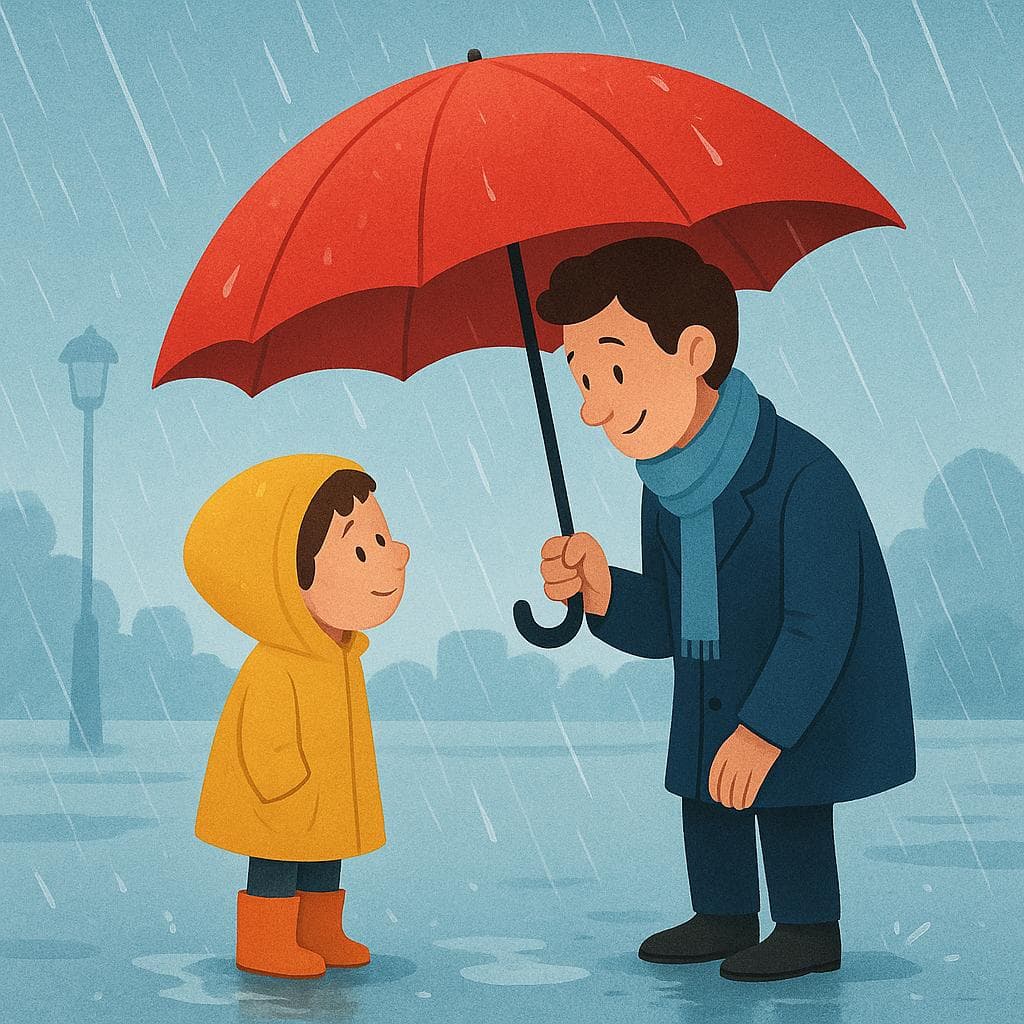
kind
“Mi vecina es una persona muy amable.”
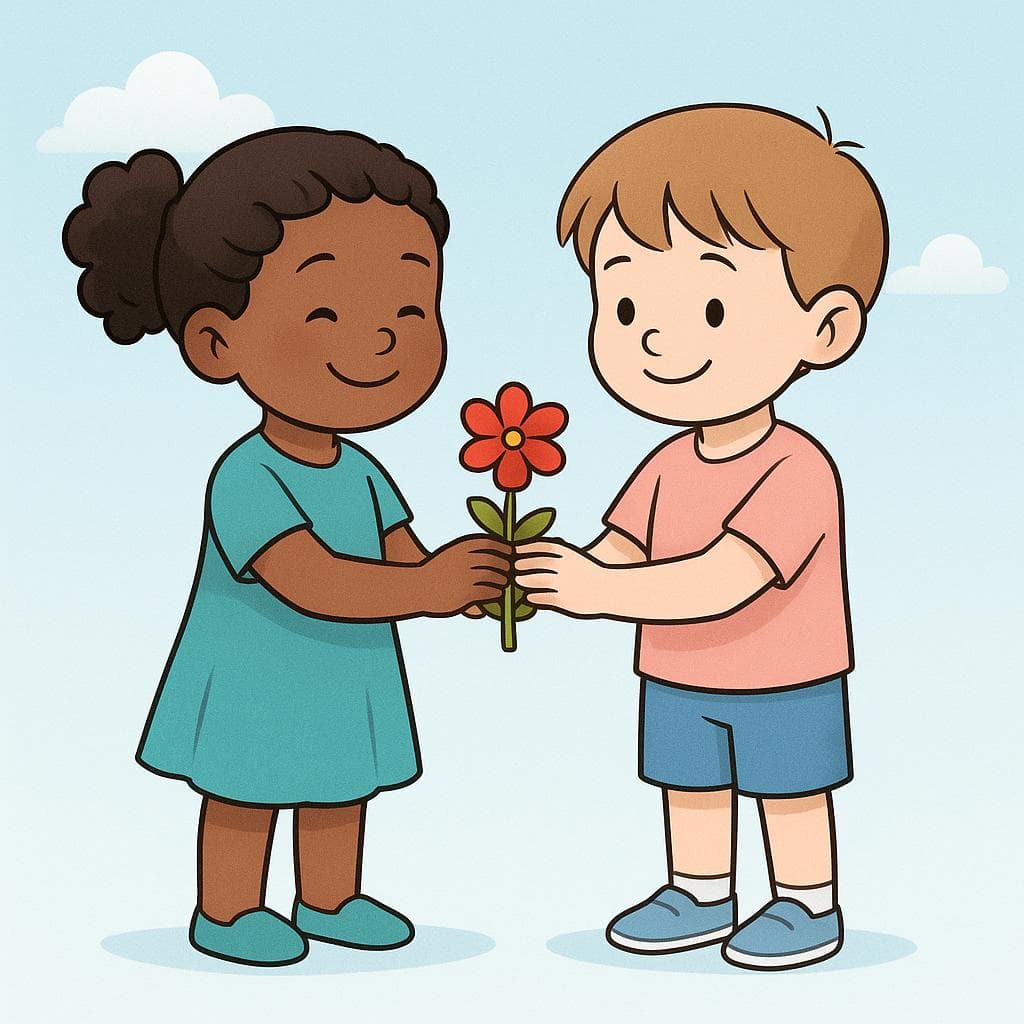
kind
“Los vecinos son muy amables y siempre ayudan.”
correct
“Tu respuesta es correcta.”
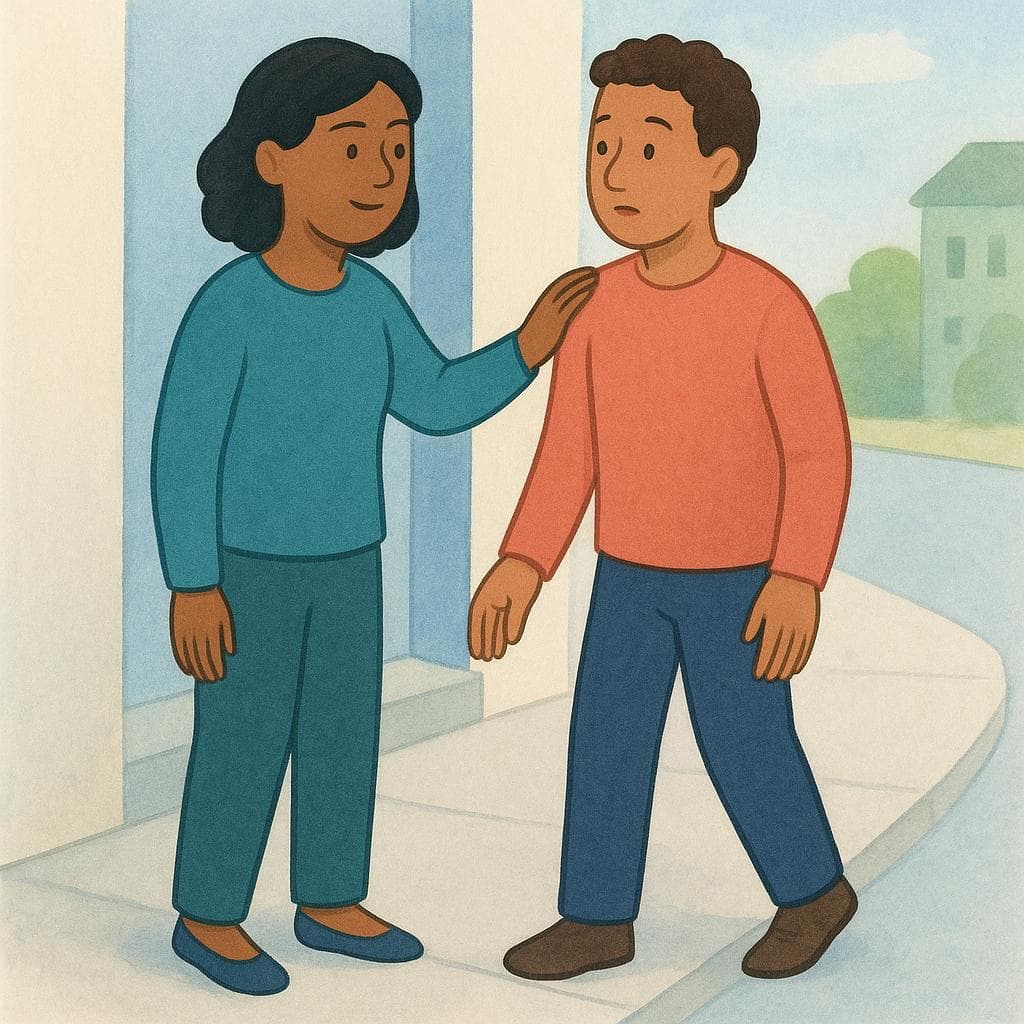
Excuse me
“Discúlpame, ¿puedes repetir eso?”
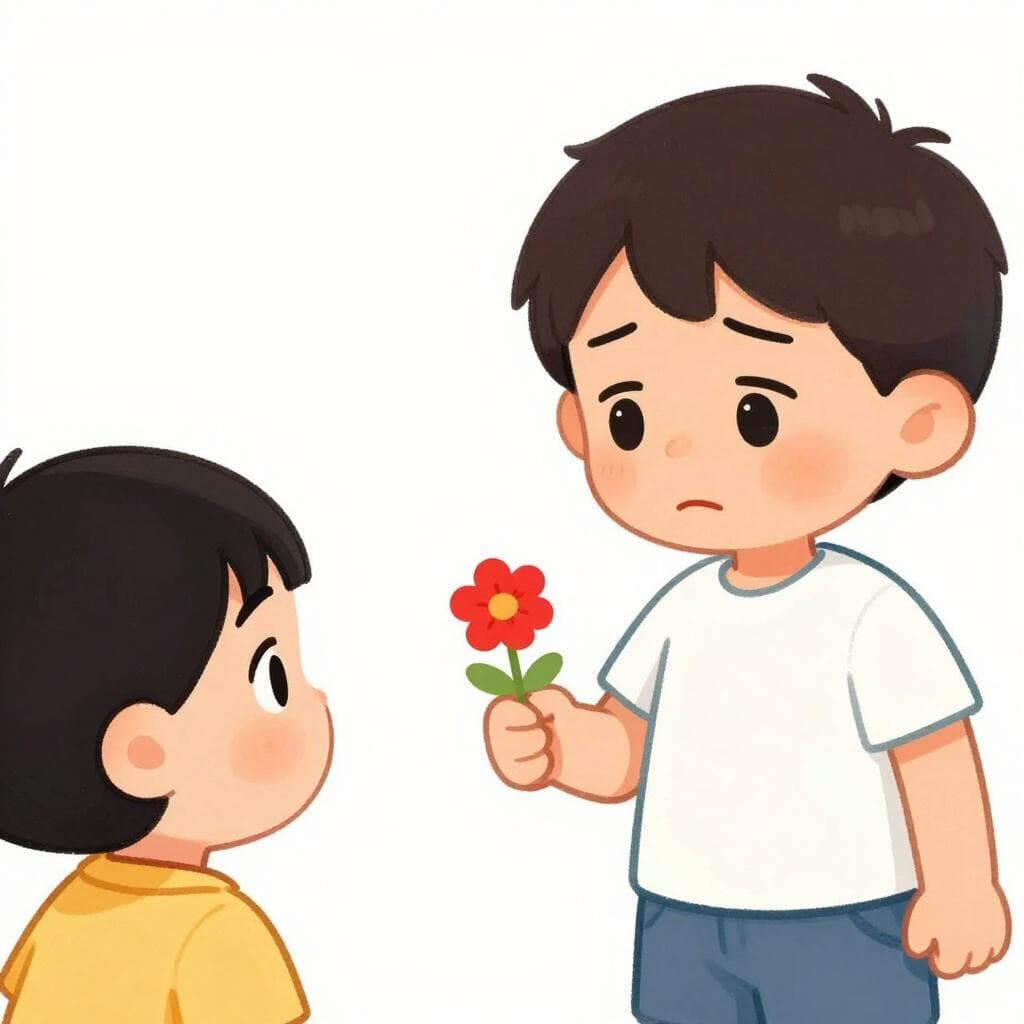
apologies
“Le ofrezco mis más sinceras disculpas por el error.”

excuse me
“Disculpe, ¿me puede decir la hora?”

Excuse me
“Discúlpeme, ¿me podría decir dónde está el baño?”
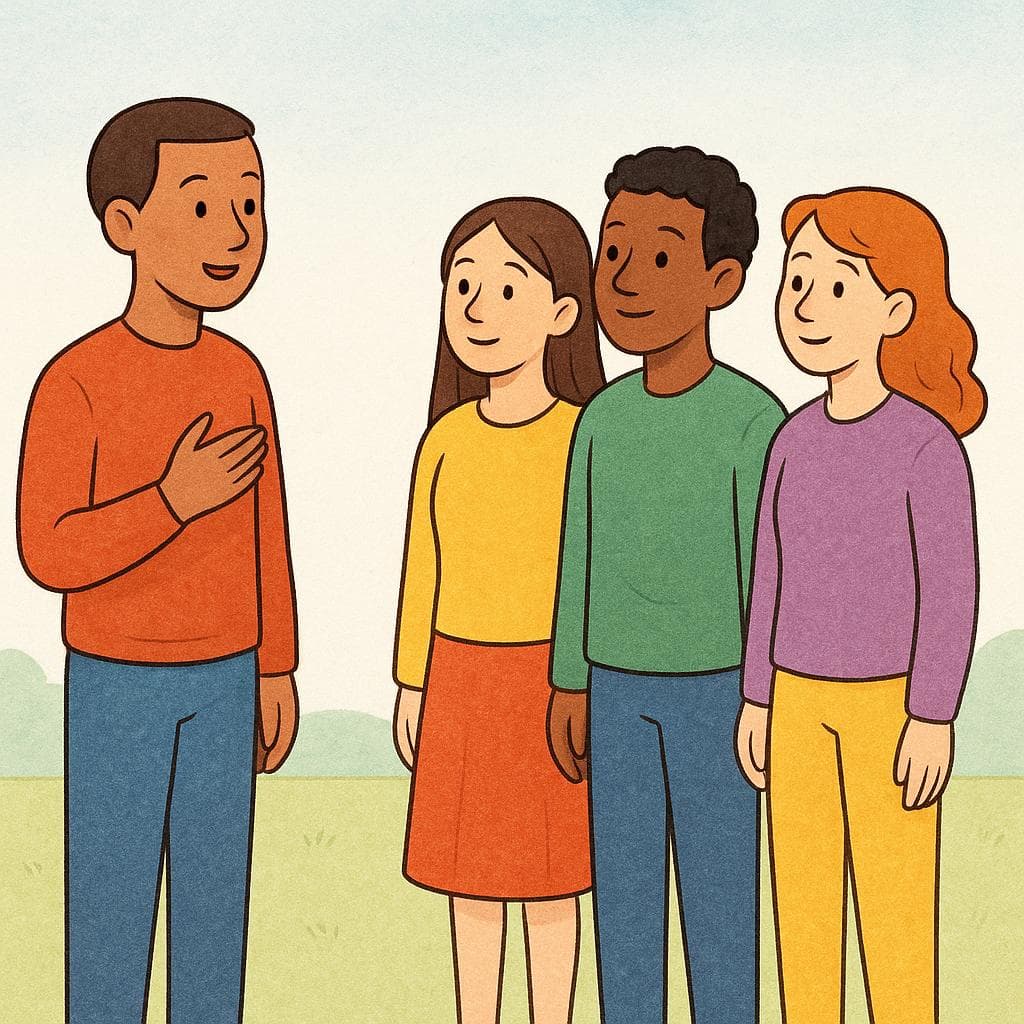
Excuse me
“Disculpen, ¿pueden decirme dónde está el metro?”
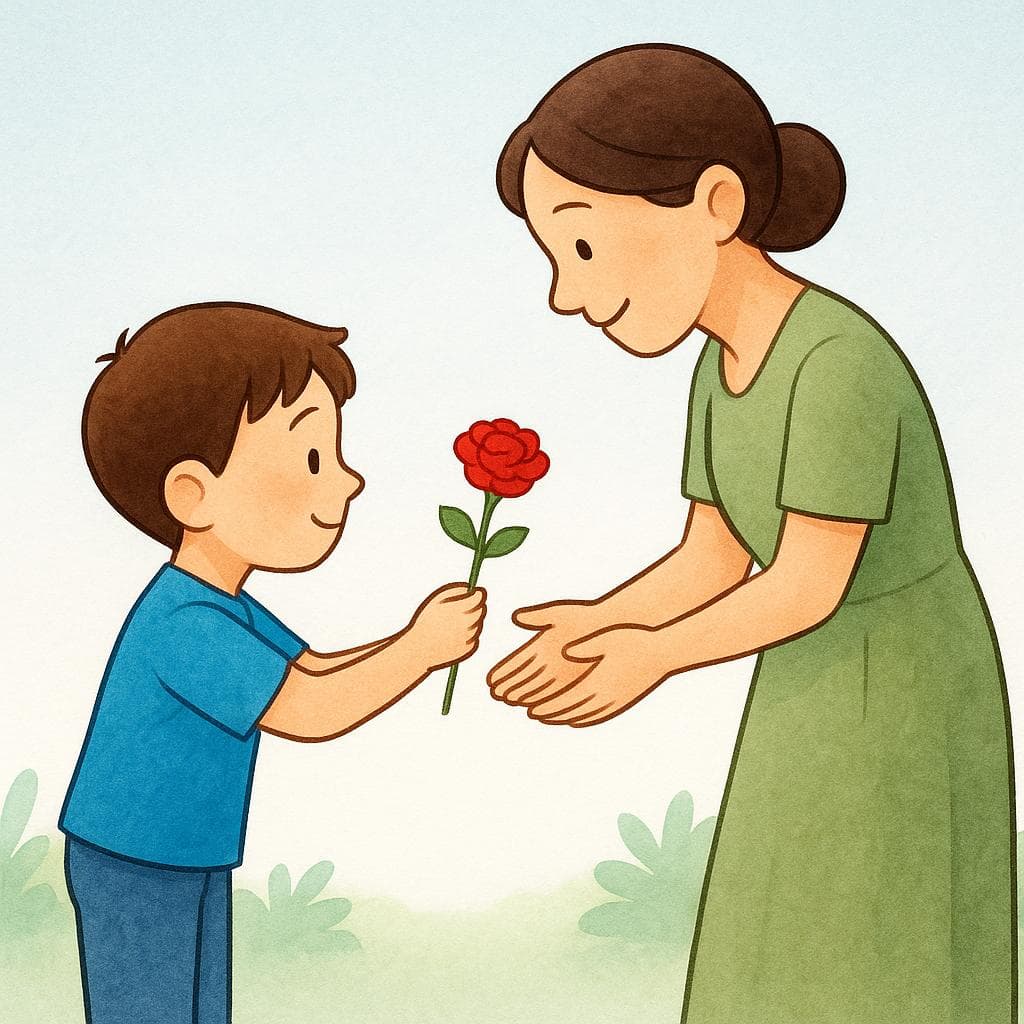
polite
“Mi hijo es muy educado, siempre saluda a los vecinos.”

congratulations
“¡Ganaste el premio mayor! ¡Enhorabuena!”

favor
“¿Me puedes hacer un favor?”
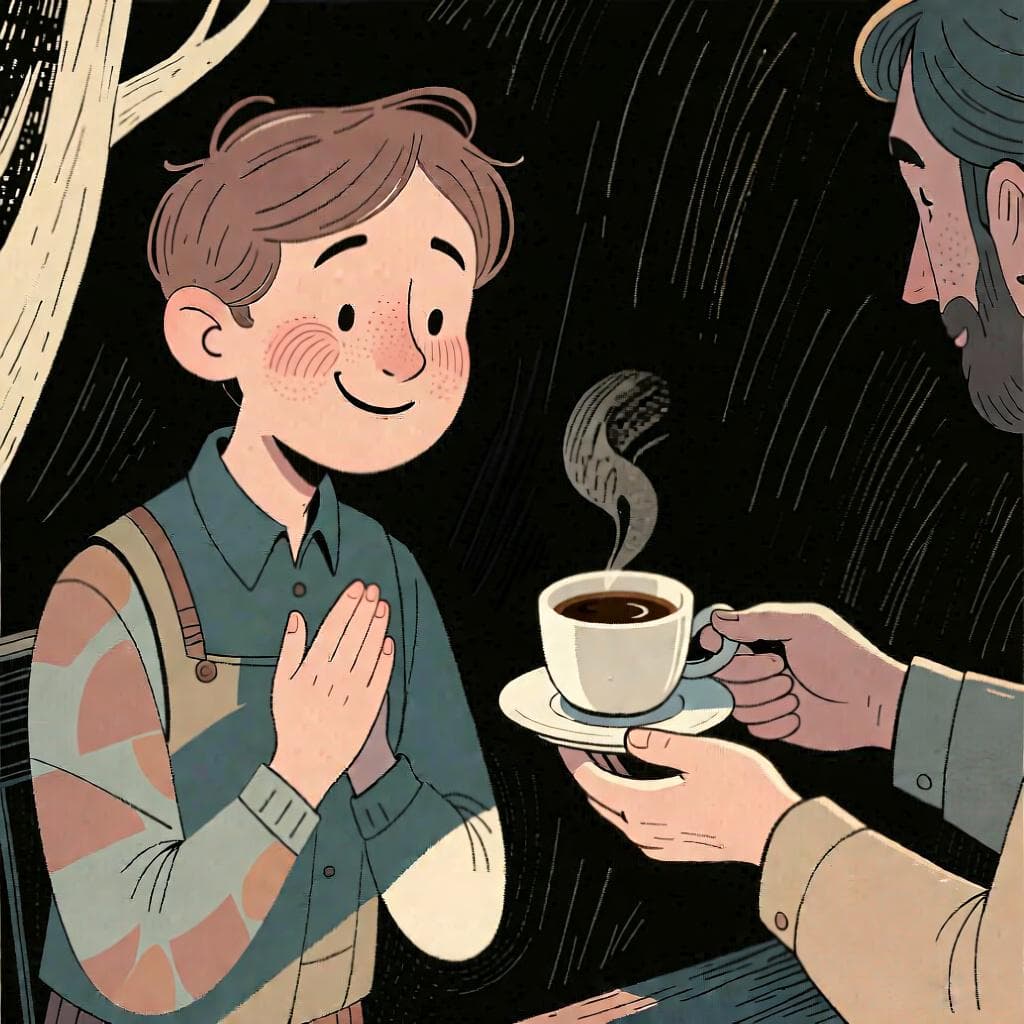
Thank you
“Gracias por tu ayuda.”

invitation
“Necesito enviar las invitaciones antes del viernes.”
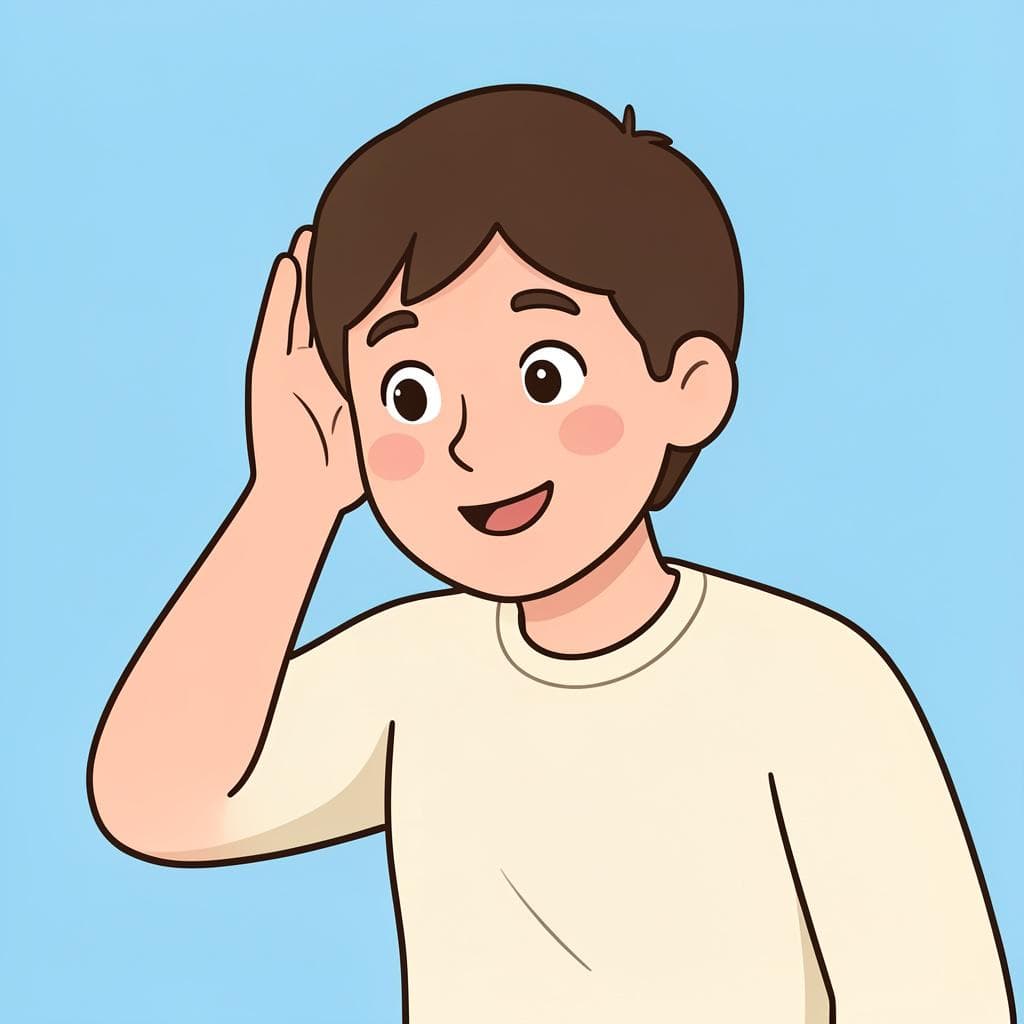
Pardon?
“—¡Juan! —¿Mande?”
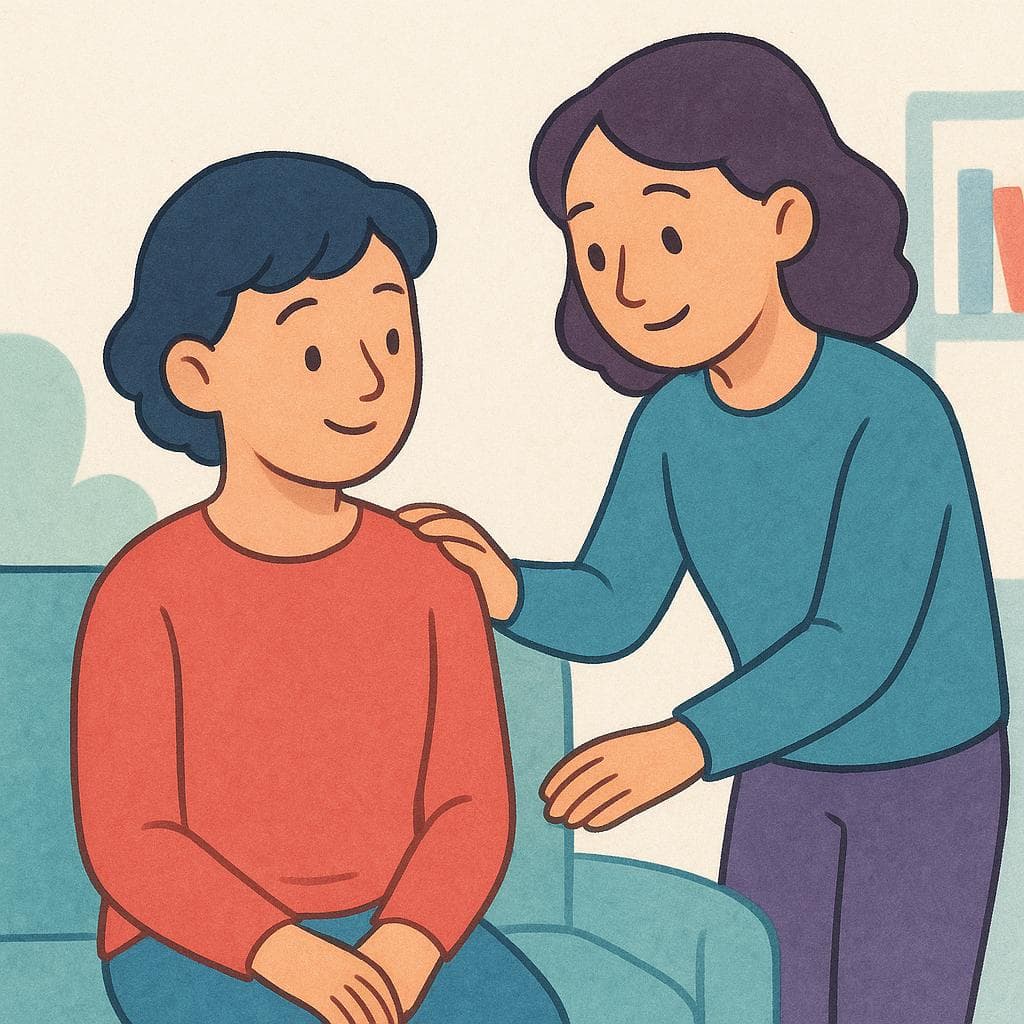
Excuse me
“¡Oiga! ¿Me puede decir dónde está la estación de metro?”

Sorry
“¡Perdón! No te había visto.”
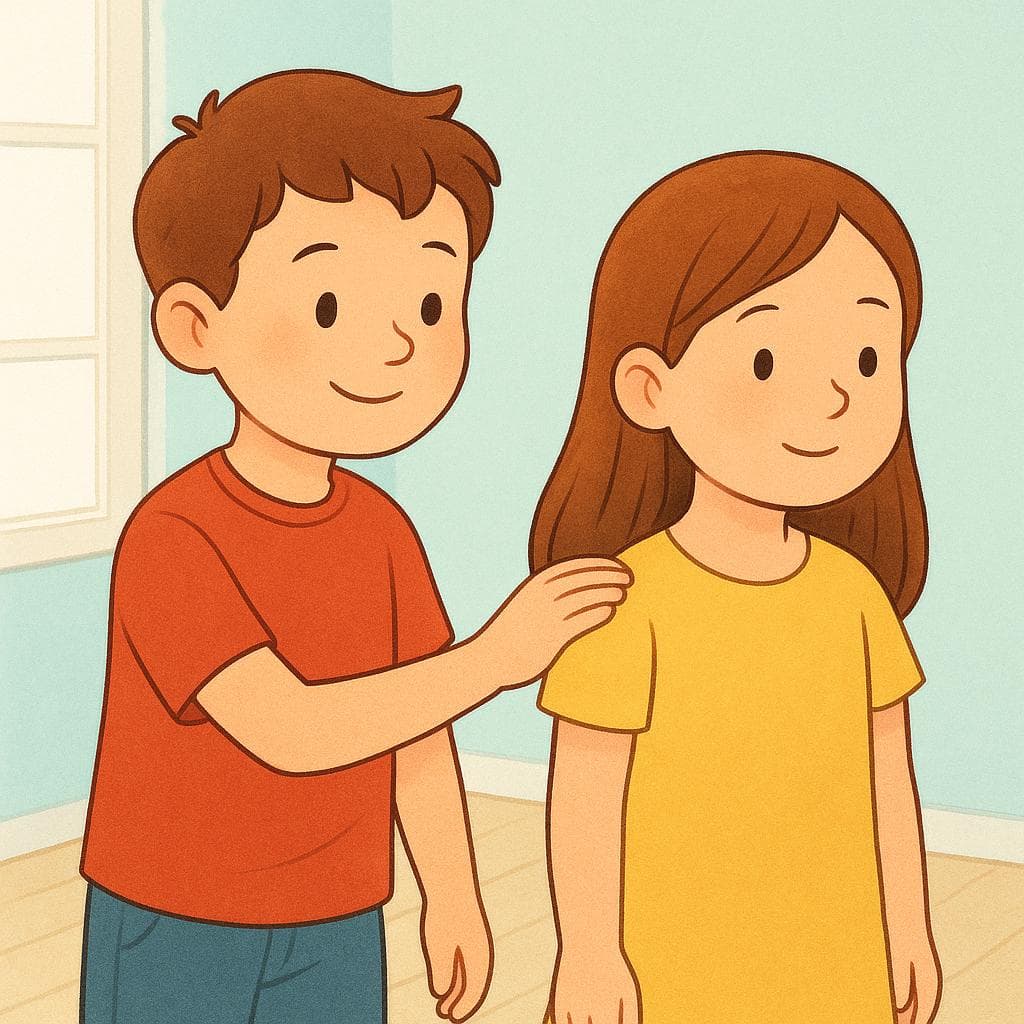
Excuse me
“Perdona, ¿sabes dónde está el baño?”
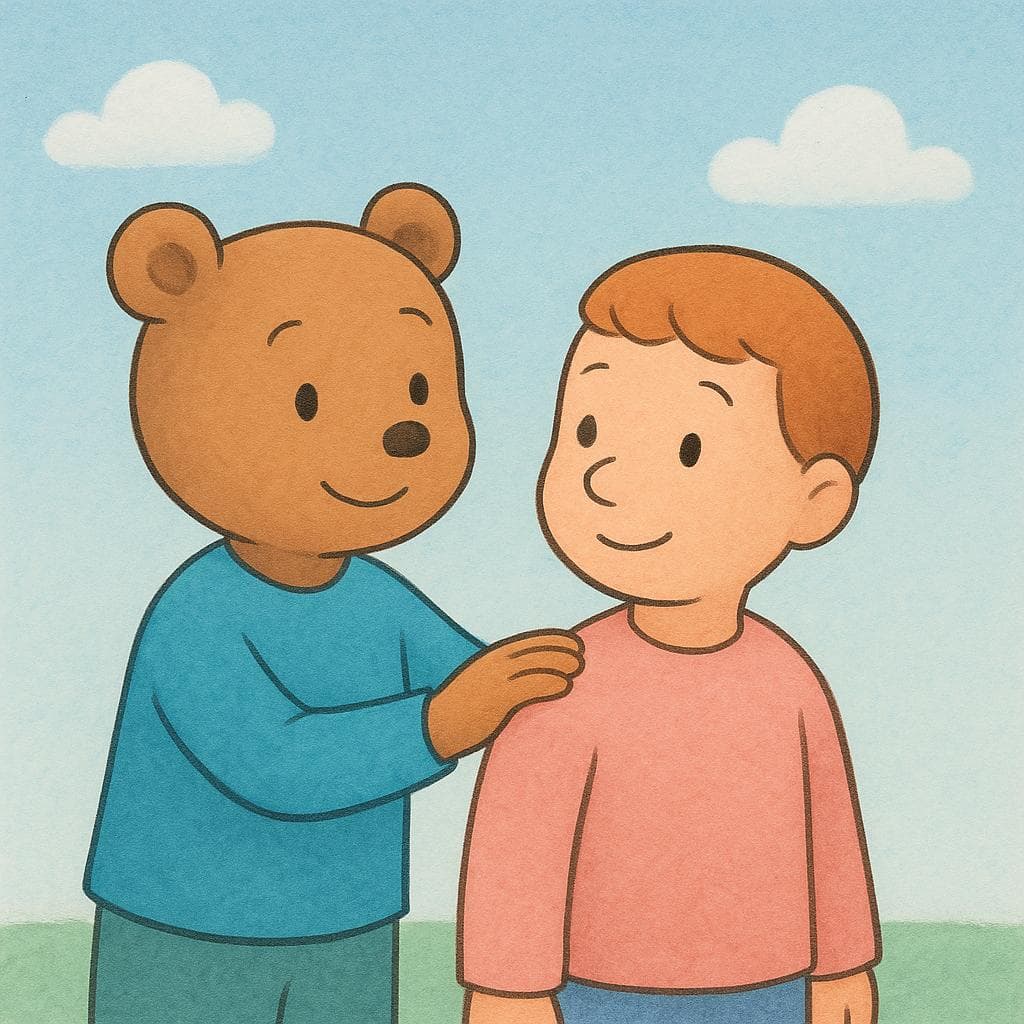
Excuse me
“Perdone, ¿me puede decir la hora?”
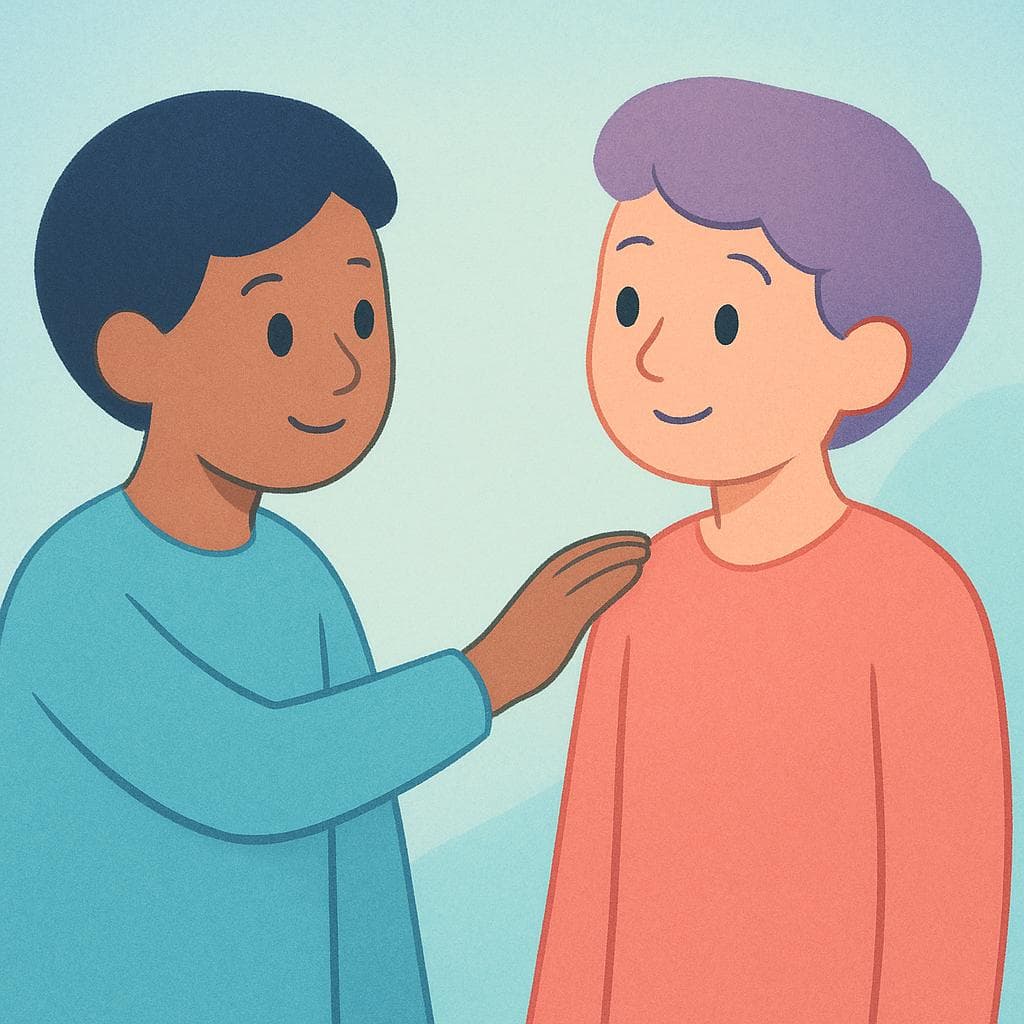
Excuse me
“Perdóneme, ¿puede decirme dónde está la estación de tren?”
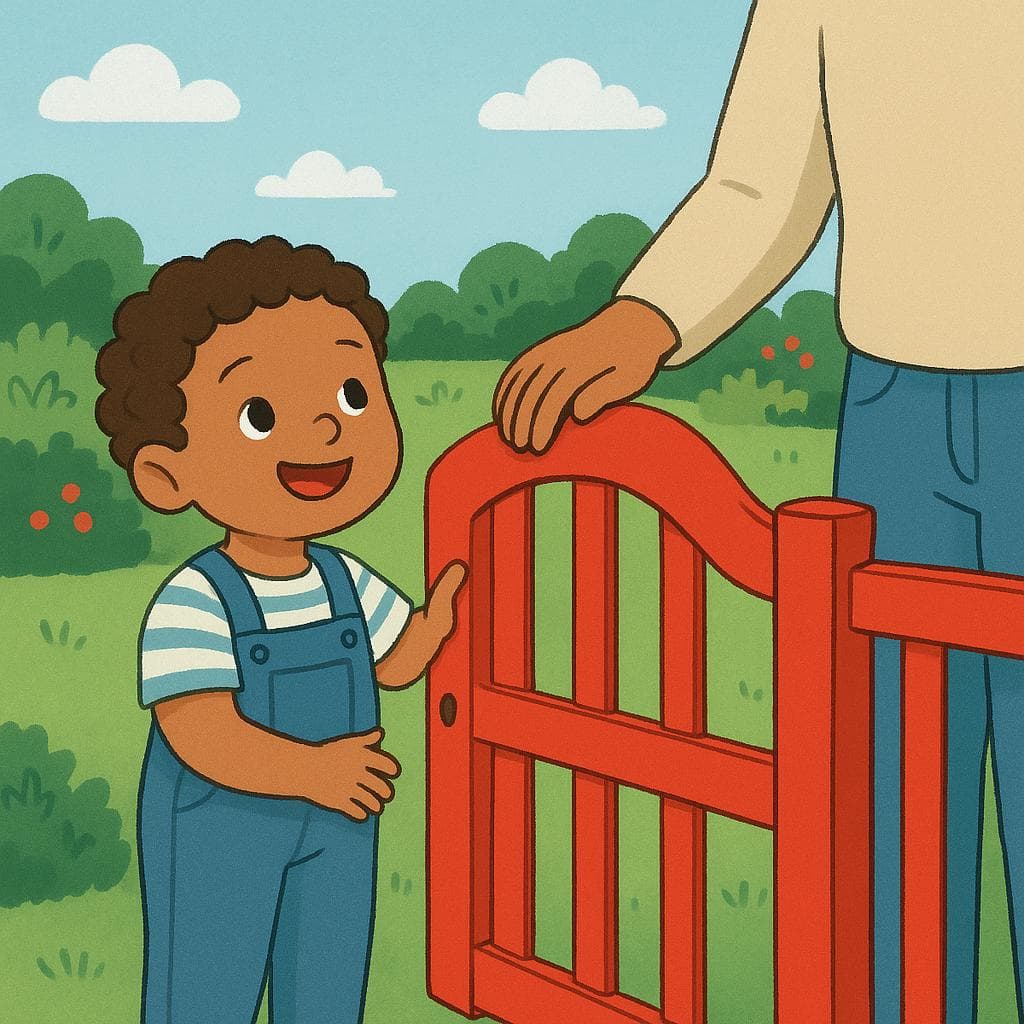
permission
“Mamá, ¿me das permiso para ir al cine?”

health
“La salud es lo más importante.”

Mr.
“El Sr. García no está en la oficina hoy.”

Miss
“La carta está dirigida a la Srta. Pérez.”

Mrs.
A2 — Elementary (3 words)

courtesy
“Siempre saluda con mucha cortesía a sus vecinos.”
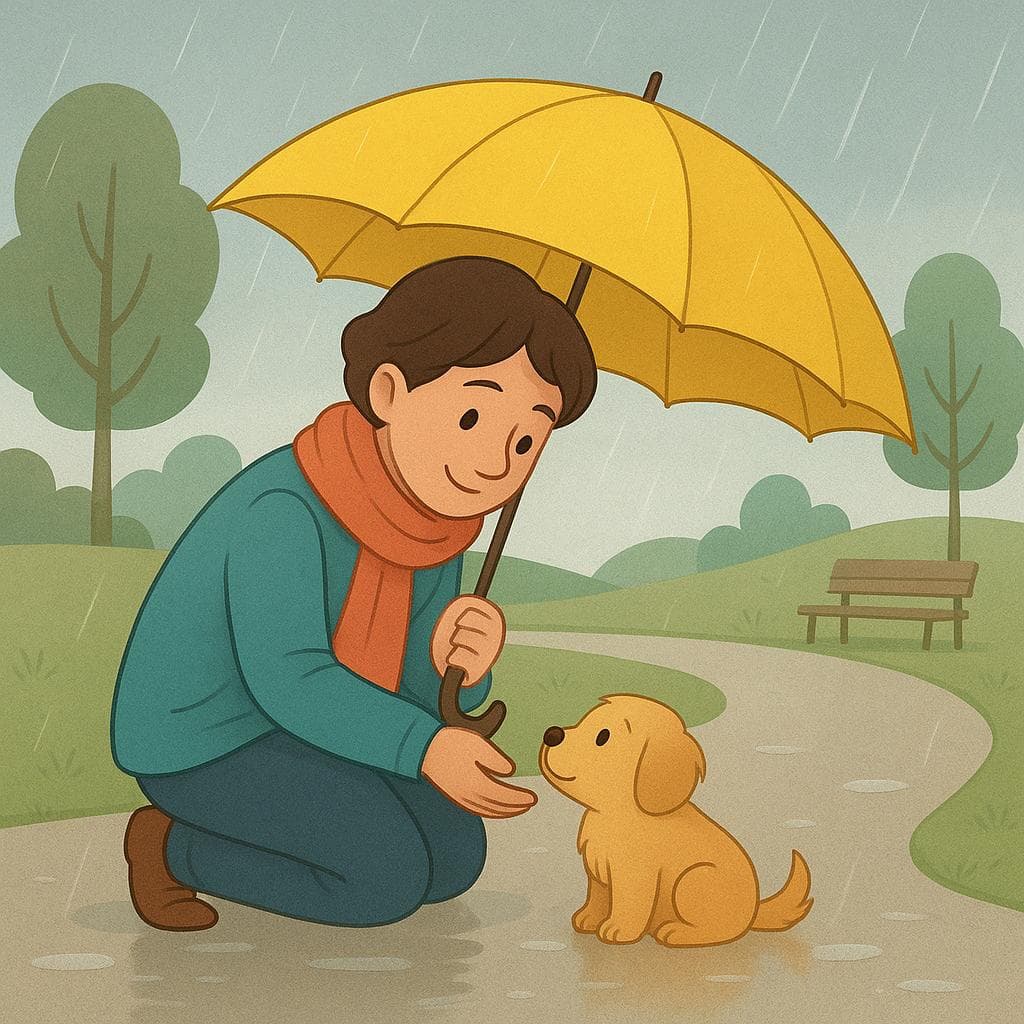
kindness
“Le agradezco mucho su amabilidad.”
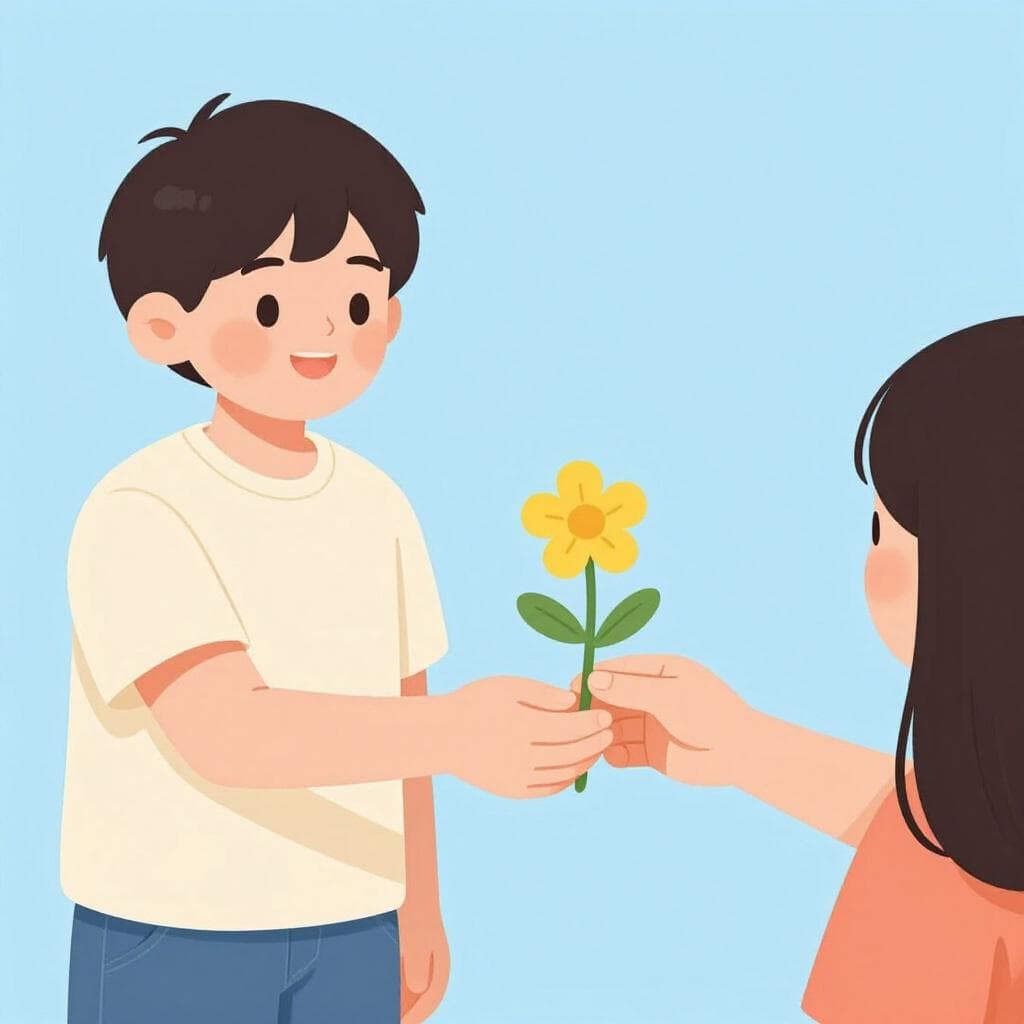
kindly
“Ella me saludó amablemente.”
B1 — Intermediate (5 words)

ways
“Hay muchas maneras de resolver este problema.”

cordial
“El recepcionista nos dio una bienvenida muy cordial.”

Excuse me (plural, formal)
“Discúlpenme, señores, ¿podrían mover sus maletas?”
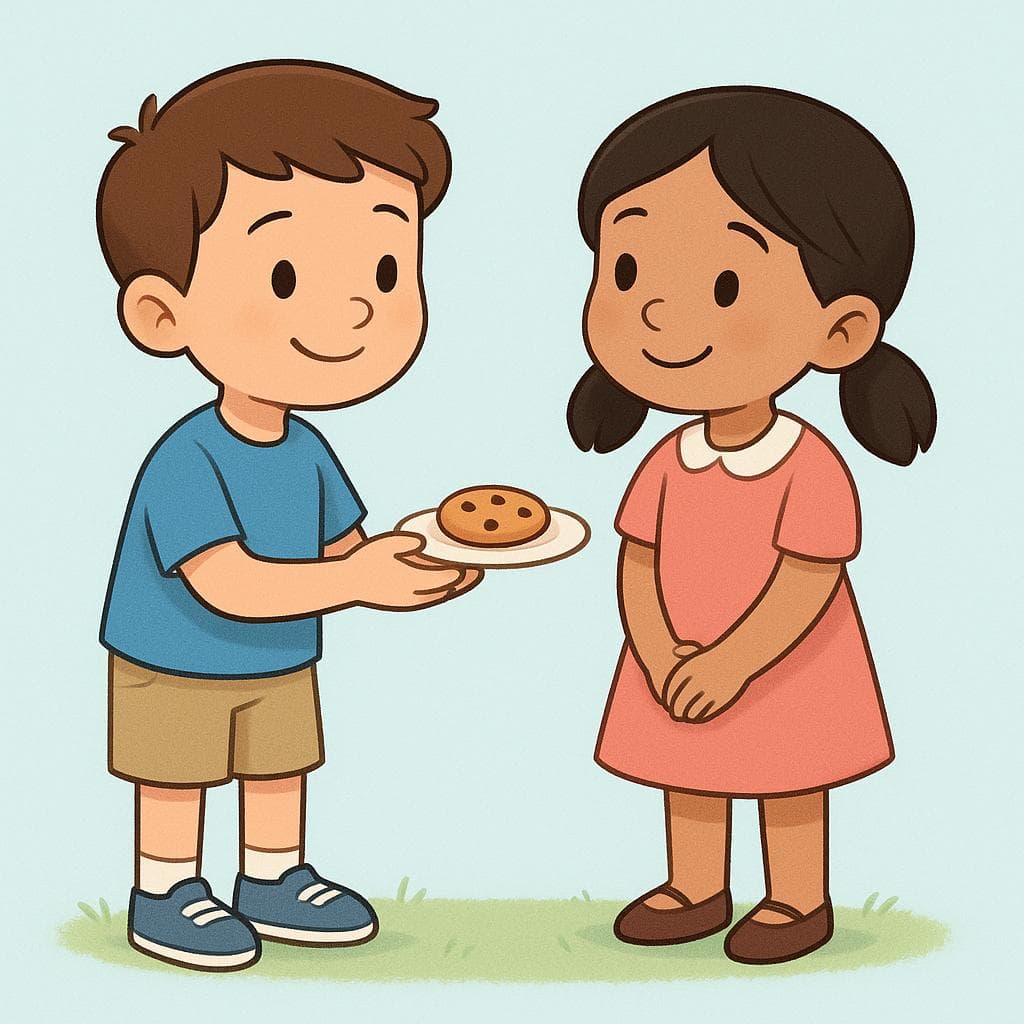
manners
“Tu hijo tiene muy buenos modales en la mesa.”

manners
“Es un niño con muy buenos modos, siempre dice 'por favor' y 'gracias'.”
Grammar Tips
Using 'Usted' and 'Ustedes'
When addressing someone formally or a group, remember to use the formal 'usted' (singular) or 'ustedes' (plural). This affects verb conjugations and pronoun usage. For example, 'Disculpe' (Excuse me - formal singular) uses the third-person verb form, not the second-person 'tú' form.
Adverbs for Politeness
Many polite expressions are formed using adverbs ending in '-mente'. These often correspond to English '-ly' adverbs. For example, 'amable' (kind) becomes 'amablemente' (kindly), modifying verbs to show a polite manner.
Agreement with 'Disculpa/Disculpas'
The words for apology, 'disculpa' and 'disculpas,' function as nouns. 'Disculpa' is singular, while 'disculpas' is plural. You can say 'Pido una disculpa' (I ask for an apology) or 'Pido disculpas' (I ask for apologies), with the latter being more common for general apologies.
Common Mistakes
Incorrect Verb for Formal Request
Mistake: “Disculpa tú me puede ayudar?”
Correction: Disculpe, ¿me puede ayudar? — 'Disculpa' is informal (tú), but 'puede' is the formal (usted) conjugation. For formal requests, use 'Disculpe' and the 'usted' verb form.
Misplacing Adverbs
Mistake: “Yo amablemente comí la cena.”
Correction: Yo comí la cena amablemente. — In Spanish, adverbs often follow the verb they modify, unlike in English where they frequently precede it.
Overusing 'Perdón'
Mistake: “Perdón, ¿cuánto cuesta?”
Correction: Disculpe, ¿cuánto cuesta? — While 'perdón' can sometimes mean 'excuse me,' it's primarily for 'sorry' or 'pardon me' after bumping into someone. 'Disculpe' is better for getting attention or asking a question.
Cultural Notes
Directness vs. Softening
While directness is valued in some Spanish-speaking cultures, politeness is paramount. Phrases like 'por favor' (please) and 'gracias' (thank you) are used frequently. In some regions, adding 'con permiso' (with permission) before passing someone is very common.
Regional Variations in Formality
The choice between the informal 'tú' and the formal 'usted' can vary significantly by region and even by age group. While 'tú' is widespread, using 'usted' with elders or in initial meetings is generally safer and shows respect.