Apologies & Excuses in Spanish
Saying sorry or explaining yourself is a big part of communicating, and Spanish offers a variety of ways to do it. You'll find that many apologies and excuses in Spanish are closely related to the verb 'perdonar' (to forgive) or 'disculpar' (to excuse). Mastering these phrases will help you navigate awkward situations smoothly and show politeness, which is highly valued in Spanish-speaking cultures.
Quick Reference
| Spanish | English | Example | Level |
|---|---|---|---|
discúlpame | Excuse me | Discúlpame, ¿puedes repetir eso? | A1 |
disculpas | apologies | Le ofrezco mis más sinceras disculpas por el error. | A1 |
disculpe | excuse me | Disculpe, ¿me puede decir la hora? | A1 |
discúlpeme | Excuse me | Discúlpeme, ¿me podría decir dónde está el baño? | A1 |
disculpen | Excuse me | Disculpen, ¿pueden decirme dónde está el metro? | A1 |
perdón | Sorry | ¡Perdón! No te había visto. | A1 |
perdona | Excuse me | Perdona, ¿sabes dónde está el baño? | A1 |
perdóname | Forgive me | Perdóname, no fue mi intención romper tu juguete. | A1 |
perdone | Excuse me | Perdone, ¿me puede decir la hora? | A1 |
perdóneme | Excuse me | Perdóneme, ¿puede decirme dónde está la estación de tren? | A1 |
discúlpenme | Excuse me (plural, formal) | Discúlpenme, señores, ¿podrían mover sus maletas? | B1 |
A1 — Beginner (10 words)
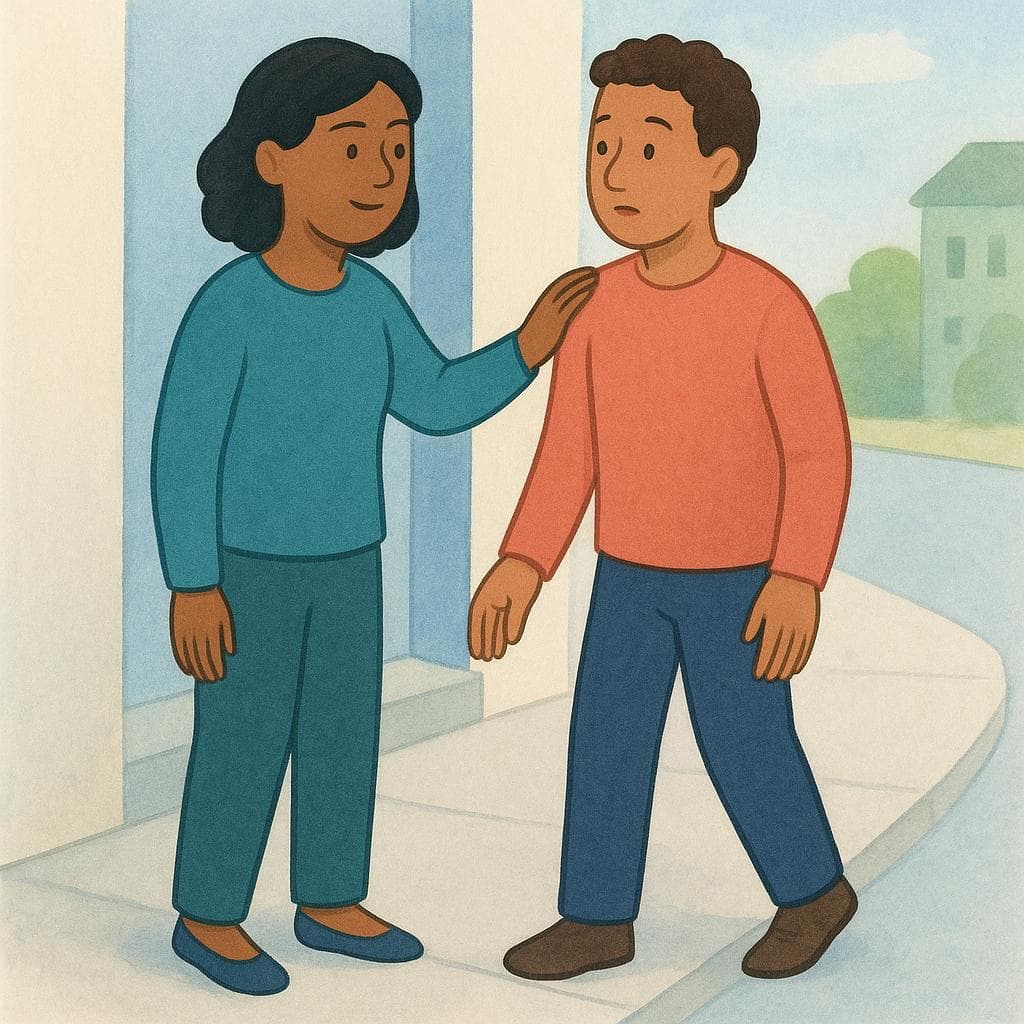
Excuse me
“Discúlpame, ¿puedes repetir eso?”
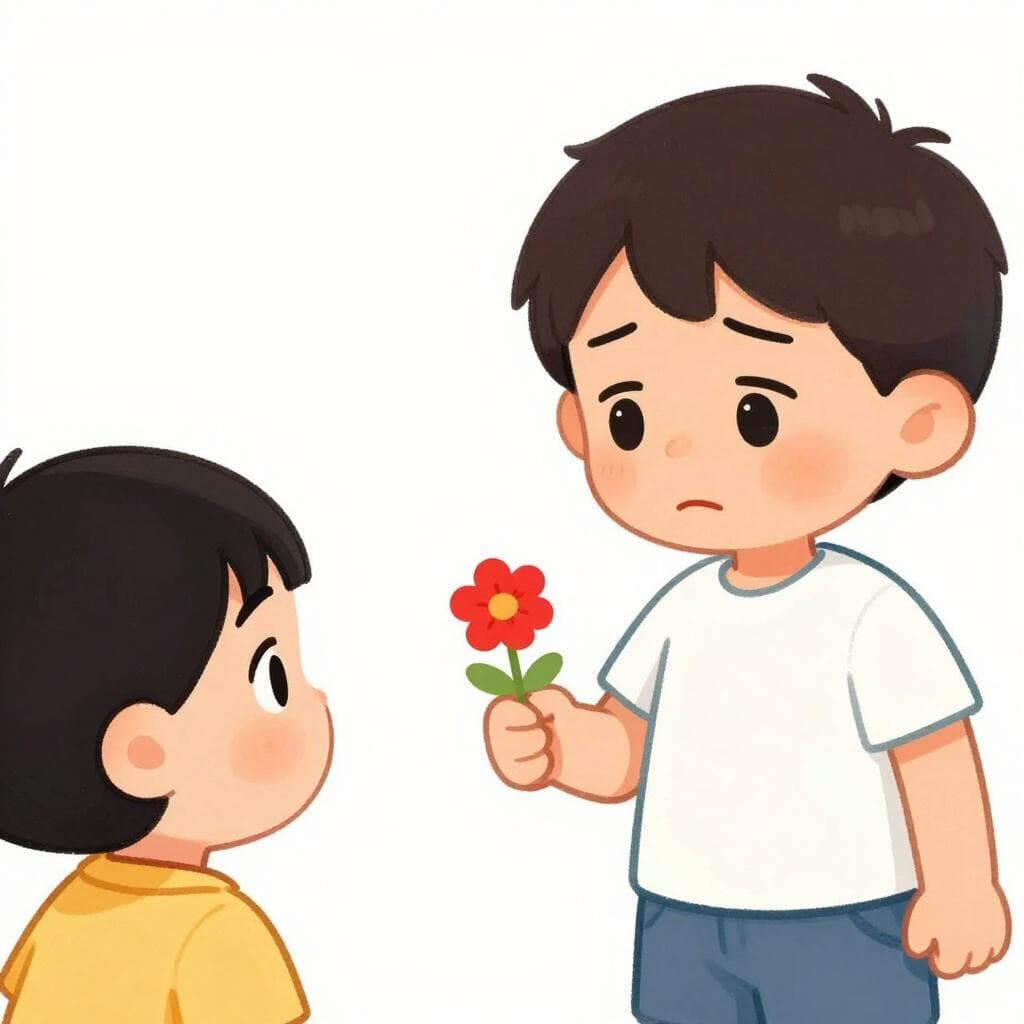
apologies
“Le ofrezco mis más sinceras disculpas por el error.”

excuse me
“Disculpe, ¿me puede decir la hora?”

Excuse me
“Discúlpeme, ¿me podría decir dónde está el baño?”

Excuse me
“Disculpen, ¿pueden decirme dónde está el metro?”

Sorry
“¡Perdón! No te había visto.”
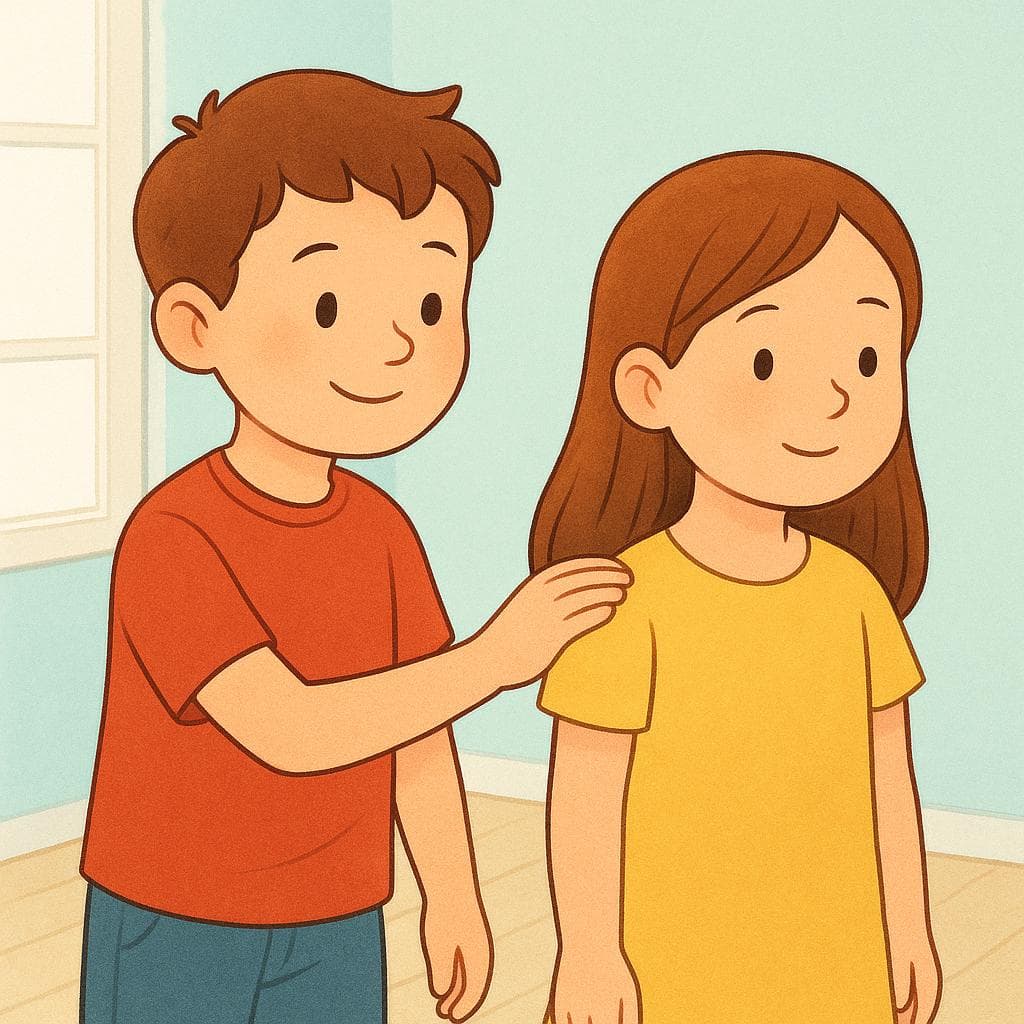
Excuse me
“Perdona, ¿sabes dónde está el baño?”

Forgive me
“Perdóname, no fue mi intención romper tu juguete.”
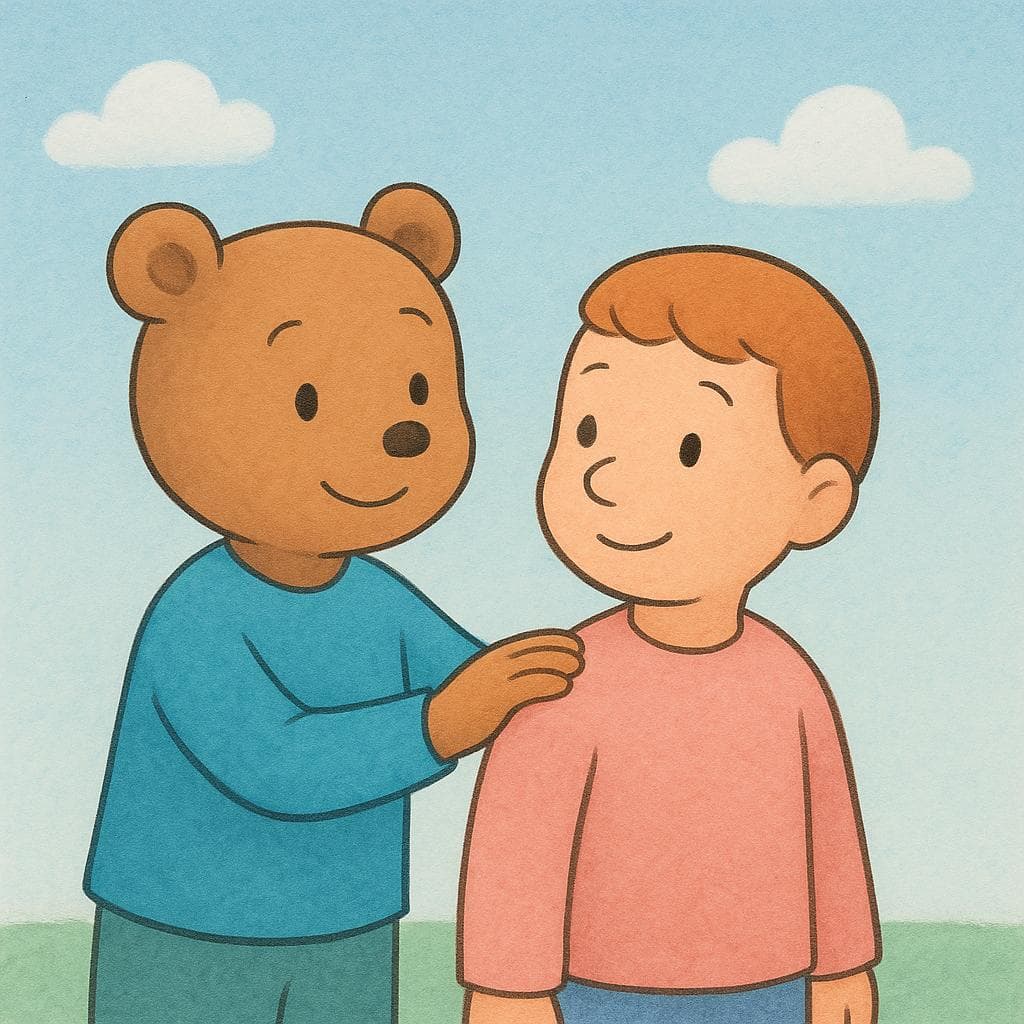
Excuse me
“Perdone, ¿me puede decir la hora?”

Excuse me
“Perdóneme, ¿puede decirme dónde está la estación de tren?”
B1 — Intermediate (1 words)

Excuse me (plural, formal)
“Discúlpenme, señores, ¿podrían mover sus maletas?”
Grammar Tips
Formal vs. Informal 'Excuse Me'
Spanish distinguishes between formal and informal ways to say 'excuse me.' 'Disculpa' and 'perdona' are informal (tú), while 'disculpe' and 'perdone' are formal (usted). Use the formal versions when addressing elders, authority figures, or strangers.
Direct Object Pronouns
When you want to say 'excuse me' directly to someone, you attach the pronoun to the verb. For informal 'tú,' use 'discúlpame' (excuse me) or 'perdóname' (forgive me). For formal 'usted,' it becomes 'discúlpeme' or 'perdóneme'.
Plural Forms
If you're addressing more than one person, you'll use the plural forms. For informal groups (vosotros), it's 'disculpadme' or 'perdonadme.' For formal groups (ustedes), it's 'discúlpenme' or 'perdónenme.' The single word 'disculpen' or 'perdonen' can also work as a general 'excuse me' to a group.
Common Mistakes
Using 'Lo siento' for minor bumps
Mistake: “Perdón me”
Correction: 'Perdón.' or 'Disculpa.' — 'Perdón' is a standalone noun meaning 'pardon' or 'excuse me.' 'Perdóname' means 'forgive me.' Using 'perdón me' is grammatically incorrect; stick to the simpler forms for minor incidents.
Confusing formal and informal
Mistake: “Disculpa usted”
Correction: 'Disculpe usted.' — 'Disculpa' is the informal (tú) form. When using the formal pronoun 'usted,' you must use the corresponding formal verb conjugation, which is 'disculpe.'
Incorrect pronoun attachment
Mistake: “Me disculpa”
Correction: 'Discúlpame.' — When you want to say 'excuse me' directly to someone you address with 'tú,' the pronoun 'me' attaches to the end of the informal command form of the verb 'disculpar,' becoming 'discúlpame.'
Cultural Notes
Nuance of 'Perdón'
While 'perdón' directly translates to 'sorry,' it's often used more like 'pardon me' or 'excuse me' for minor bumps or interruptions, similar to 'disculpa' or 'perdona.' It's a very common and versatile word for getting attention or acknowledging a small mistake.
Directness in Apologies
In many Spanish-speaking cultures, a sincere apology often involves direct eye contact and a clear, unambiguous statement. While 'lo siento' (I am sorry) expresses deeper regret, the 'perdón' and 'disculpa' family of words are essential for daily politeness and minor social friction.