Spanish Greetings & Farewells
Mastering greetings and farewells is your first step to confident conversations in Spanish! This section covers essential phrases for saying hello, goodbye, and everything in between. Unlike English, Spanish often uses gender agreement for greetings, and formality can play a bigger role than you might expect.
Quick Reference
| Spanish | English | Example | Level |
|---|---|---|---|
adiós | goodbye | Adiós, ¡hasta mañana! | A1 |
bienvenido | Welcome! | ¡Bienvenido a Madrid! | A1 |
buenas | Hello / Hi | ¡Buenas! ¿Cómo estás? | A1 |
chao | bye | Bueno, me voy a casa. ¡Chao! | A1 |
chau | bye | Bueno, me voy. ¡Chau! | A1 |
cuídate | Take care (of yourself) | Me tengo que ir. ¡Cuídate mucho! | A1 |
despedida | farewell | Nuestra despedida fue muy emotiva en el aeropuerto. | A2 |
despedir | to fire | Despidieron a Juan por llegar tarde todos los días. | B2 |
encantado | Pleased to meet you | Mi nombre es Elena. — ¡Encantado! | A1 |
felicidades | congratulations | ¡Felicidades por tu nuevo trabajo! | A1 |
felicitaciones | congratulations | ¡Felicitaciones! Sabía que ganarías el premio. | A1 |
felicitar | to congratulate | Vine para felicitarte por tu nuevo bebé. | A2 |
A1 — Beginner (18 words)

goodbye
“Adiós, ¡hasta mañana!”

Welcome!
“¡Bienvenido a Madrid!”

Hello / Hi
“¡Buenas! ¿Cómo estás?”
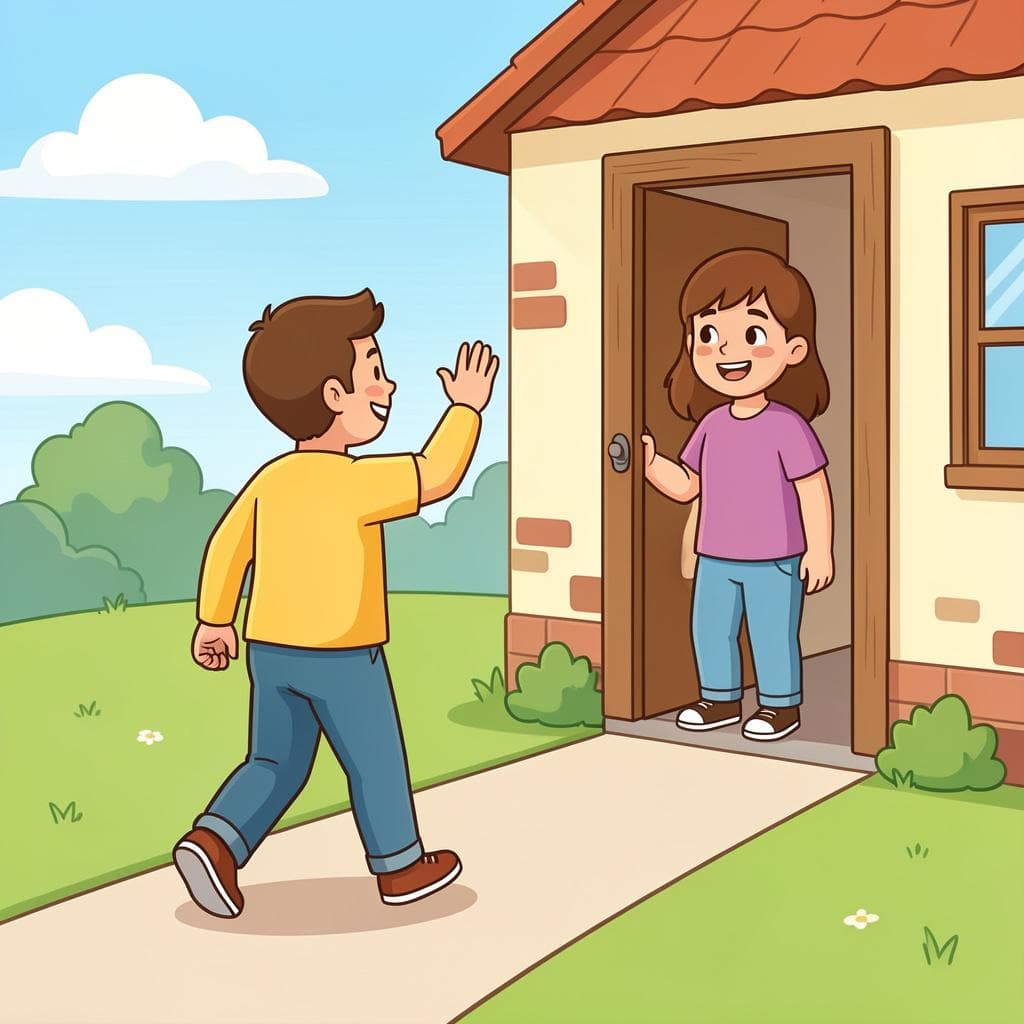
bye
“Bueno, me voy a casa. ¡Chao!”

bye
“Bueno, me voy. ¡Chau!”
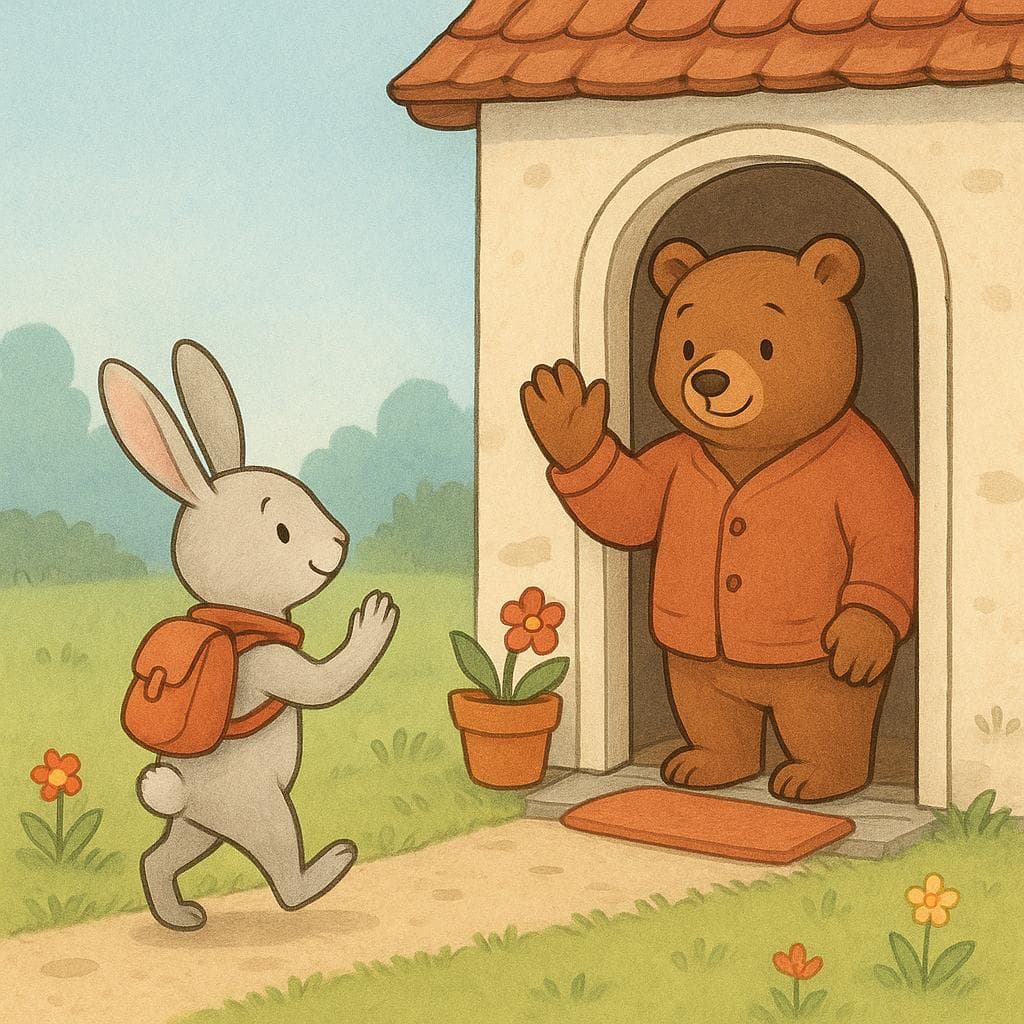
Take care (of yourself)
“Me tengo que ir. ¡Cuídate mucho!”

Pleased to meet you
“Mi nombre es Elena. — ¡Encantado!”

congratulations
“¡Felicidades por tu nuevo trabajo!”

congratulations
“¡Felicitaciones! Sabía que ganarías el premio.”

hello
“¡Hola! ¿Cómo estás?”

nights
“Las noches de verano son mis favoritas.”

Sorry
“¡Perdón! No te había visto.”
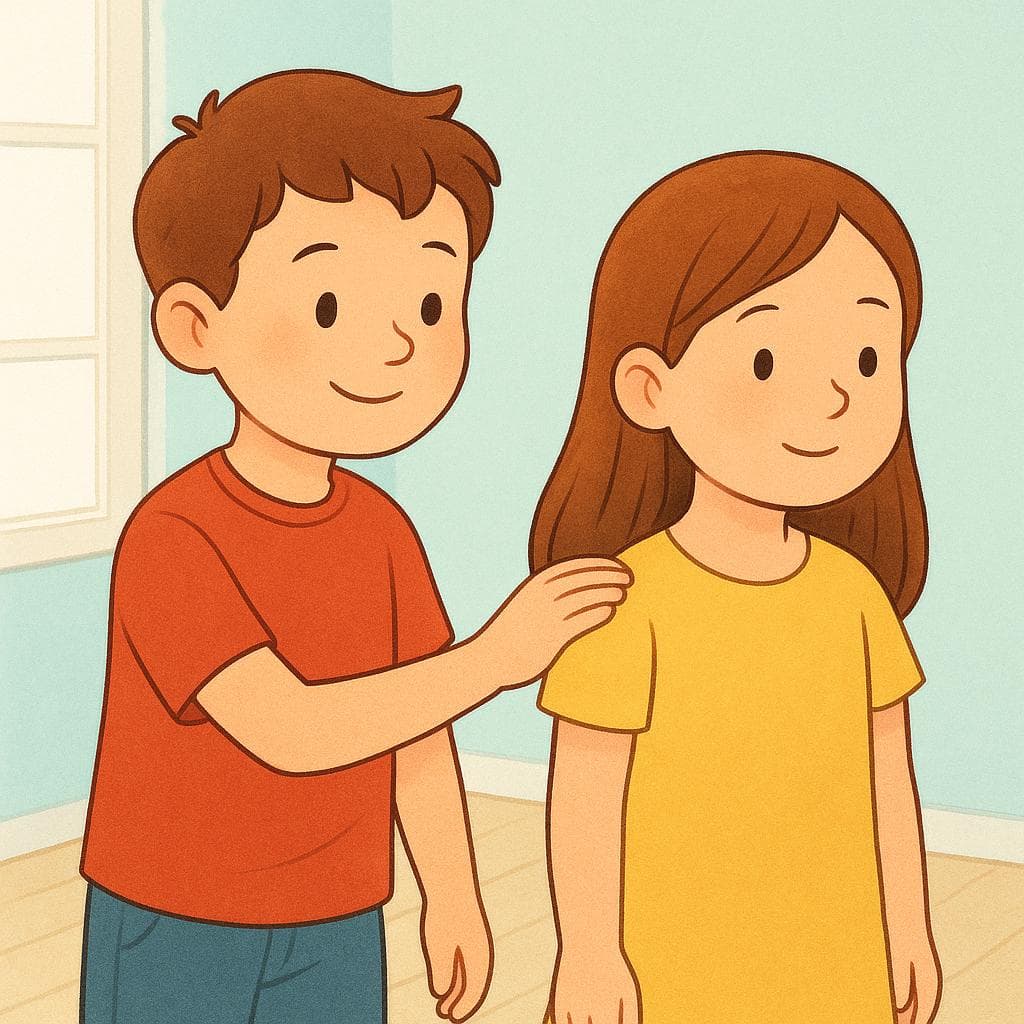
Excuse me
“Perdona, ¿sabes dónde está el baño?”
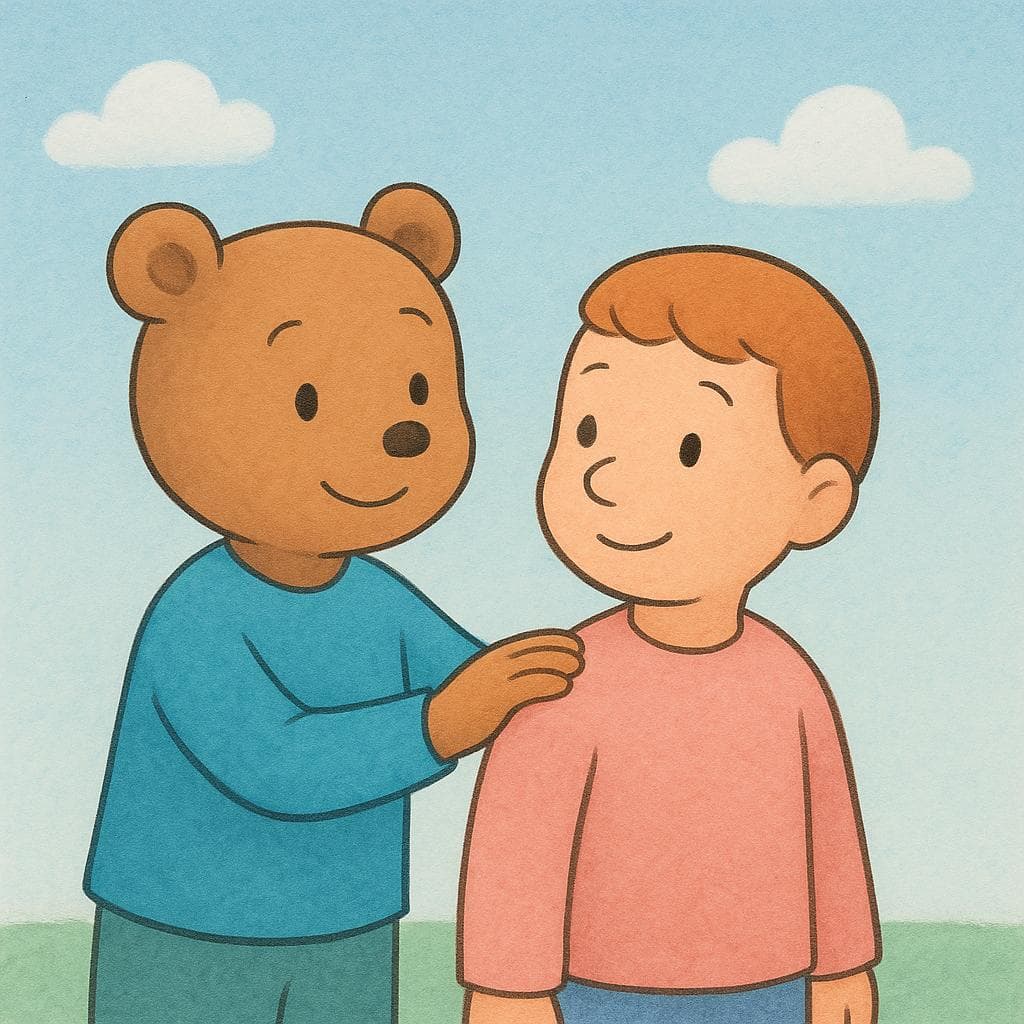
Excuse me
“Perdone, ¿me puede decir la hora?”
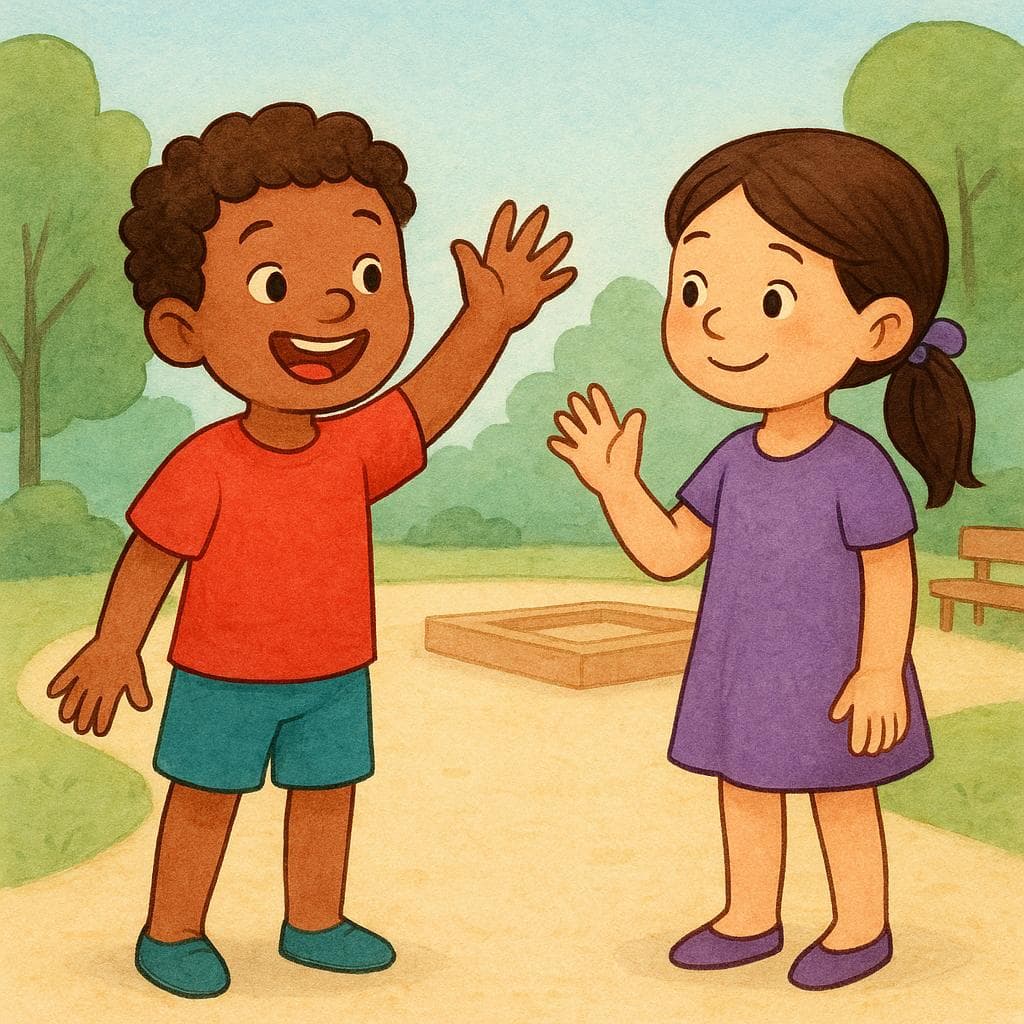
to greet
“Siempre me gusta saludar a mis vecinos por la mañana.”
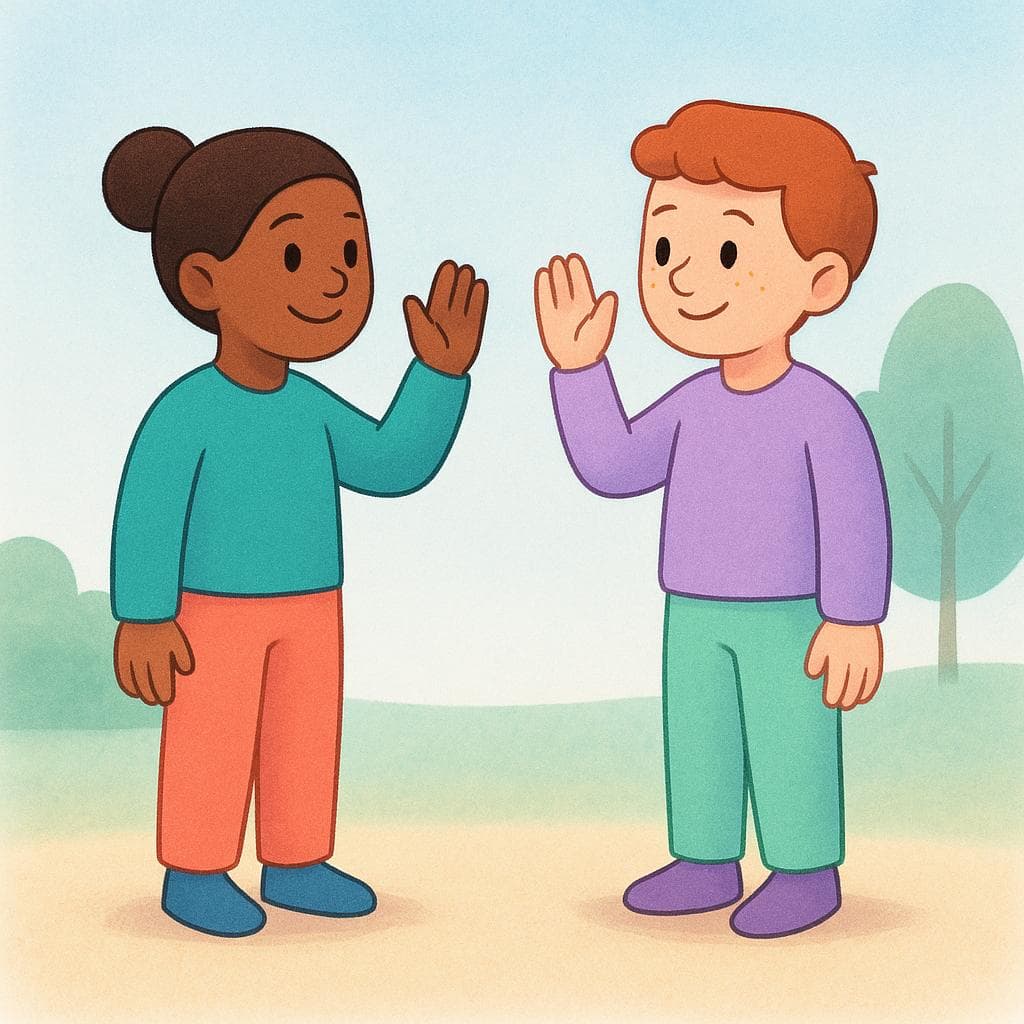
greeting
“Su saludo fue muy cordial y amable.”

afternoon
“Nos vemos esta tarde.”

afternoons
“Buenas tardes, ¿cómo estás?”
A2 — Elementary (2 words)

farewell
“Nuestra despedida fue muy emotiva en el aeropuerto.”

to congratulate
“Vine para felicitarte por tu nuevo bebé.”
B2 — Upper Intermediate (1 words)
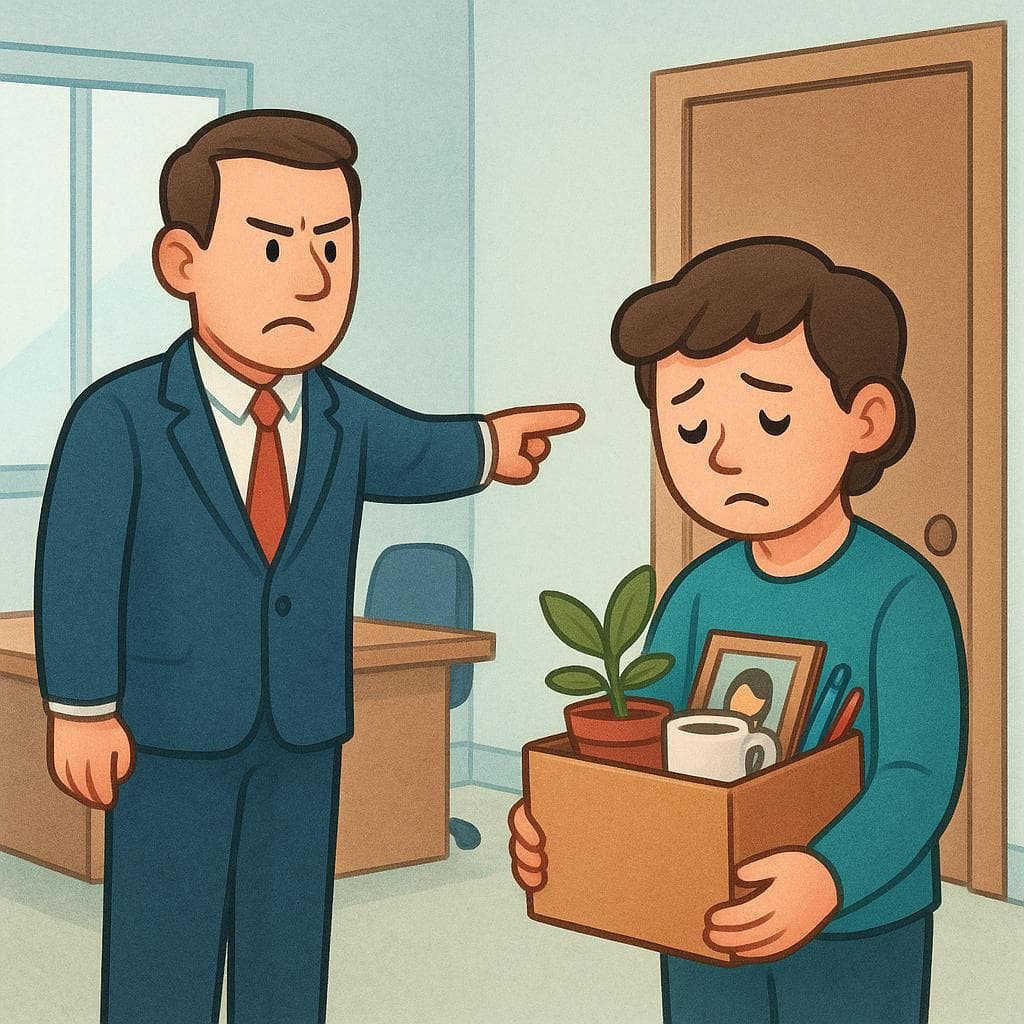
to fire
“Despidieron a Juan por llegar tarde todos los días.”
Grammar Tips
Gender Agreement in Greetings
Words like 'bienvenido' change based on who you're addressing. Use 'bienvenido' for a male, 'bienvenida' for a female, and 'bienvenidos' for a group of males or a mixed group. For a group of only females, use 'bienvenidas'.
Formality Matters
While 'hola' is universal, 'buenos días/tardes/noches' can be more formal. When addressing someone you don't know well or someone older, using these time-specific greetings is polite. 'Adiós' is a general goodbye, but 'hasta luego' (see you later) is common for less final departures.
Common Mistakes
Incorrect Gender Agreement
Mistake: “Hola, bienvenida, Maria.”
Correction: Hola, bienvenida, María. OR Hola, bienvenido, Juan. — The adjective 'bienvenido' must agree in gender with the person being welcomed. 'Bienvenida' is for females, 'bienvenido' for males.
Overusing 'Adiós'
Mistake: “Adiós, I will see you tomorrow.”
Correction: Hasta luego, I will see you tomorrow. — 'Adiós' can sound quite final. 'Hasta luego' (see you later) or 'hasta mañana' (see you tomorrow) are more common for everyday partings when you expect to see the person again.
Mixing Formal and Informal
Mistake: “Buenos días, chao.”
Correction: Buenos días. / Chao. — 'Buenos días' is a more formal greeting, while 'chao' is very informal. It's best to use phrases of similar formality together. You could say 'Hola, chao.' or 'Buenos días. Hasta luego.'
Cultural Notes
Kissing and Hugging
In many Spanish-speaking cultures, greeting friends and family often involves a kiss on each cheek (dos besos) or a hug, even upon first meeting in informal settings. This is more common than in most English-speaking countries.
Regional Farewells
While 'adiós' is understood everywhere, 'chao' or 'chau' (from Italian 'ciao') is very common and informal in many Latin American countries. 'Hasta pronto' (see you soon) is also a warm way to say goodbye.